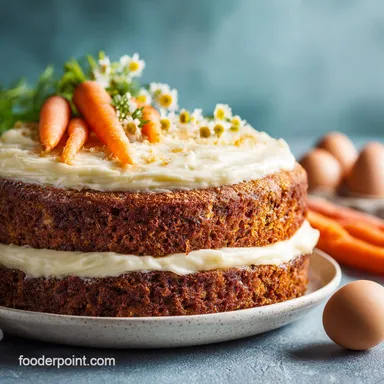
Carrot Cake with Cream Cheese Frosting
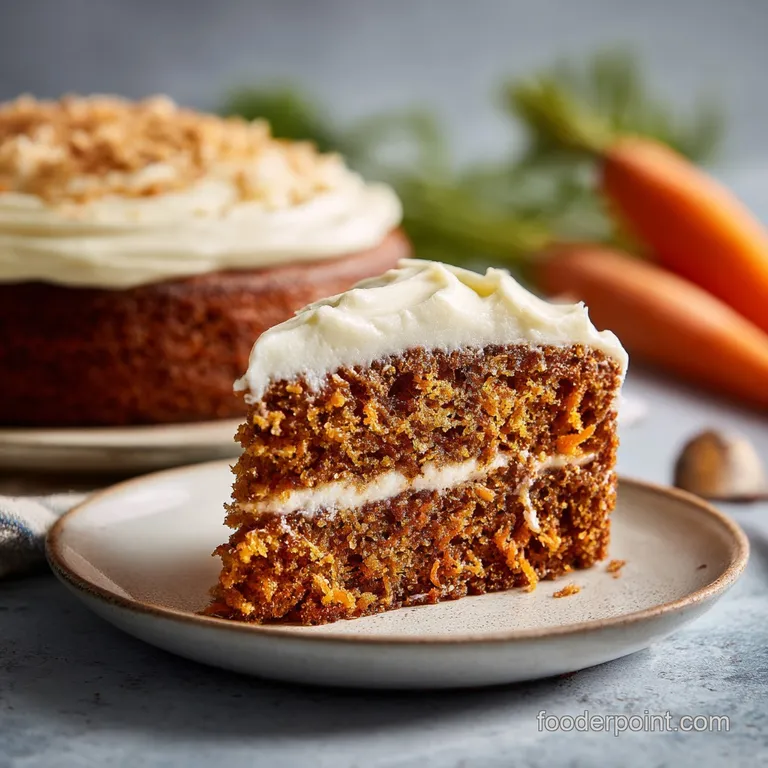
- Time: Active 25 minutes, Passive 40 minutes, Total 1 hours 5 mins
- Flavor/Texture Hook: Spiced scented crumb with a velvety, tangy finish
- Perfect for: Easter celebrations, birthday parties, or cozy weekend baking
- Mastering the Classic Carrot Cake with Cream Cheese Frosting
- Selecting Your Golden Ingredient Layers
- The Chemistry of the Grate
- Pantry Essentials for Sweet Success
- Tools for the Perfect Bake
- From Raw Carrots to Velvet Cake
- Fixing Common Carrot Cake Mishaps
- Growing or Shrinking Your Batch
- Kitchen Wisdom and Myths
- Keeping Your Slices Fresh Longer
- Perfect Pairings for Dessert Time
- Recipe FAQs
- 📝 Recipe Card
Mastering the Classic Carrot Cake with Cream Cheese Frosting
The rhythm of a box grater hitting a wooden board is the soundtrack of my favorite Sunday mornings. Years ago, I made the mistake of thinking I could shortcut this by buying a bag of pre shredded carrots from the supermarket.
I ended up with a cake that felt like it was filled with wood chips - dry, crunchy, and honestly, a bit heartbreaking. I realized then that the magic isn't just in the carrots themselves, but in how they release their moisture into the batter as they bake.
We’ve all had those "doorstop" carrot cakes - the ones so heavy you need a nap after three bites. This isn't that. We're going for a crumb that is light but rich, with a spice profile that hums rather than screams.
By using a mix of granulated and dark brown sugar, we’re creating a deep, toffee like base that perfectly complements the zing of the cheese. Trust me, once you see those orange flecks melting into the spiced sponge, you'll never go back to a store-bought mix again.
This recipe is about the little victories: the way the oil emulsifies with the eggs to create a silky batter, and the specific moment the cream cheese frosting reaches that "just stable enough" swirl.
We’re building flavor in stages, from toasting the walnuts to sifting the spices, ensuring every bite has a bit of crunch, a bit of tang, and a whole lot of soul. Let's get your oven preheated and your grater ready, because we're about to make the last carrot cake recipe you'll ever need.
Selecting Your Golden Ingredient Layers
Building a gourmet level dessert requires understanding how each component interacts. In this recipe, we aren't just tossing things in a bowl; we are layering textures.
- Hygroscopic Balance: The dark brown sugar pulls moisture from the air and the carrots, ensuring the cake remains soft even on day three.
- Lipid Emulsification: Using neutral oil instead of butter allows the spice flavors to shine through more clearly while providing a superior "mouthfeel" when cold.
- Starch Gelatinization: The specific ratio of leavening agents (baking soda and powder) creates enough lift to support the heavy weight of the fresh carrots and nuts.
- Protein Stability: Cold brick cream cheese provides the structural integrity needed to hold up the weight of the cake without sliding off the sides.
| Approach | Preparation Time | Texture Outcome | Flavor Profile |
|---|---|---|---|
| Hand Grated Carrots | 10 minutes | Tender, melty strands | Sweet and vibrant |
| store-bought Pre Shredded | 0 minutes | Crunchy, woody bits | Faintly earthy |
| Food Processor Pulse | 2 minutes | Uniform, slightly wetter | Bold and juicy |
While the food processor is a valid shortcut for those in a rush, hand grating on the fine side of the grater produces the most delicate crumb. The thinner the carrot strand, the faster it "dissolves" into the batter, leaving behind its sweetness and moisture without a fibrous texture.
The Chemistry of the Grate
When you grate a carrot, you’re breaking open cell walls to release "cell sap," which hydrates the flour and reacts with the sugars. This creates a natural syrup inside the cake during the baking process, resulting in that signature fudgy yet-light consistency.
| Ingredient | Science Role | Pro Secret |
|---|---|---|
| 300g Carrots | Moisture Reservoir | Grate them fresh; never squeeze out the juice |
| 300ml Neutral Oil | Tenderizing Agent | Use grapeseed for the cleanest flavor profile |
| 4 Large Eggs | Structural Binder | Room temp eggs emulsify 2x faster with oil |
Pantry Essentials for Sweet Success
To get that bakery quality finish, we need to be specific about our elements. If you've ever wondered why some cakes feel "oily" while others feel "moist," it usually comes down to the quality of the emulsion between the oil and the eggs.
- 250g all purpose flour
- 200g granulated sugar
- 200g dark brown sugar, packed Why this? Adds molasses notes and essential moisture to the crumb.
- 300ml neutral oil (grapeseed or vegetable)
- 4 large eggs, room temperature
- 10ml pure vanilla extract
- 8g ground cinnamon
- 2g ground ginger
- 2g ground nutmeg Why this? Provides a subtle, woody depth that balances the sweetness.
- 6g baking soda
- 5g baking powder
- 3g kosher salt
- 300g finely grated carrots
- 100g toasted walnuts, chopped
- 450g full fat cream cheese, cold brick
- 115g unsalted butter, room temperature
- 500g confectioners' sugar, sifted
- 15ml heavy cream
- 1g salt
Chef Tip: Toast your walnuts in a dry pan for 5 minutes until they smell like popcorn. This removes the bitter raw edge and keeps them crunchy inside the moist cake.
| Original Ingredient | Substitute | Why It Works |
|---|---|---|
| Toasted Walnuts | Pecans | Similar fat content; adds a slightly sweeter, buttery note |
| Grapeseed Oil | Melted Coconut Oil | Provides a subtle tropical scent; cake will be firmer when cold |
| All Purpose Flour | 1:1 gluten-free Blend | Best with blends containing xanthum gum for structure |
If you love a soft crumb, you’ll notice the technique of balancing fats is quite similar to my Moist Vanilla Cupcakes recipe. Both rely on a careful emulsion to keep the sponge from becoming dense or rubbery.
Tools for the Perfect Bake
You don't need a professional kitchen, but a few specific tools will make your life much easier. For the frosting, a stand mixer is your best friend to get that silky, lump free finish.
- Two 20cm (8 inch) round cake pans: Ensure they have high sides to allow for a proper rise.
- Box Grater: Use the fine holes for the carrots to ensure they melt into the batter.
- Fine mesh sieve: Essential for sifting the confectioners' sugar to avoid "grainy" frosting.
- Offset spatula: This is the secret to getting those beautiful swirls on top of the cake.
- Parchment paper: Don't just grease the pans; line the bottoms to prevent the "heartbreak of the stuck cake."
From Raw Carrots to Velvet Cake
1. Preparation and Infusion
Preheat your oven to 180°C (350°F). Grease two 20cm round pans and line the bottoms with parchment paper. Note: This ensures the sugar in the batter doesn't caramelize and stick to the pan.
2. Creating the Emulsion Base
In a large bowl, whisk 300ml neutral oil, 200g granulated sugar, and 200g dark brown sugar until the mixture looks like wet sand. Add the 4 room temperature eggs one at a time, whisking vigorously after each addition to build a stable emulsion.
3. Incorporating Dry and Fresh Ingredients
Whisk together 250g flour, 8g cinnamon, 2g ginger, 2g nutmeg, 6g baking soda, 5g baking powder, and 3g salt. Fold this into the wet ingredients until just a few streaks of flour remain. Gently fold in the 300g grated carrots and 100g toasted walnuts.
4. The Bake and Cool
Divide the batter evenly between the pans. Bake for 35-40 minutes until a skewer inserted comes out clean. Let them cool in the pans for 15 minutes before transferring to a wire rack to cool completely.
Note: Frosting a warm cake will turn your cream cheese into a puddle.
5. Whipping the Signature Frosting
Beat 450g cold cream cheese and 115g room temp butter until smooth and pale. Gradually add 500g sifted confectioners' sugar, 15ml heavy cream, 10ml vanilla, and 1g salt. Beat on medium high for 2 minutes until it looks like a thick, glossy cloud.
6. Assembly
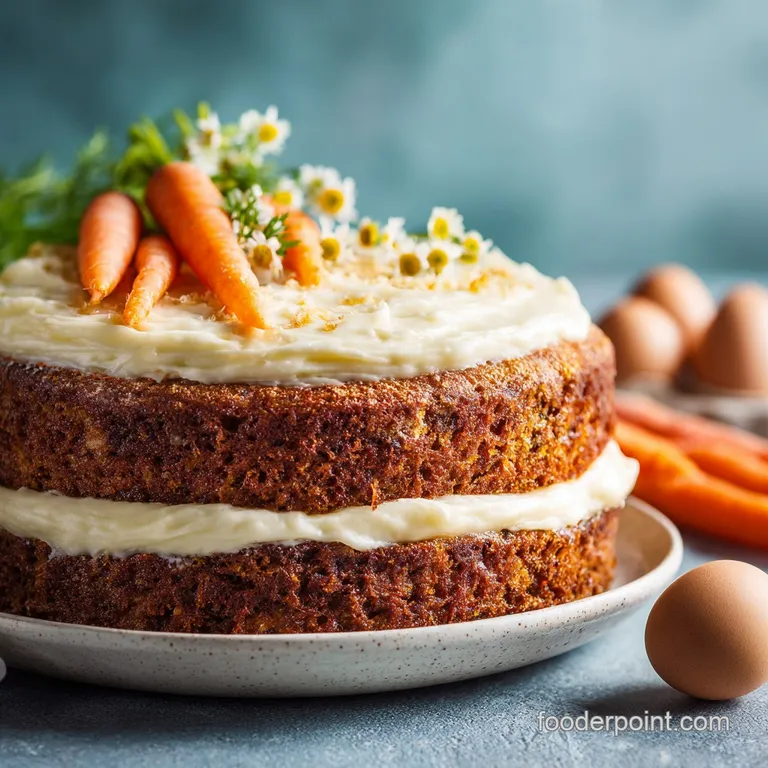
Place one cake layer on a plate, spread a generous layer of frosting to the edges, and top with the second layer. Cover the top and sides with the remaining frosting, using an offset spatula to create rustic swirls.
Fixing Common Carrot Cake Mishaps
Baking is a science, and even the best of us hit a snag occasionally. The most common issue with this specific cake is usually related to the moisture content of the carrots or the temperature of the frosting ingredients.
The "Sinking Center" Syndrome
If your cake rises beautifully and then collapses in the middle, it’s often because the oven door was opened too early. The structure hasn't set yet, and the cool air causes the steam pockets to pop.
It can also happen if you used too much baking soda, which creates big bubbles that aren't strong enough to hold up the heavy carrot strands.
Runny Frosting Fix
This usually happens if the cream cheese was too warm or if you used "spreadable" cream cheese from a tub. Tub versions have a higher water content. If your frosting is soup, don't keep adding sugar it will just get cloying. Pop the whole bowl in the fridge for 30 minutes, then beat it again.
The cold will help the fats solidify and regain their grip.
| Problem | Root Cause | Solution |
|---|---|---|
| Rubbery Texture | Overmixing the flour | Mix until flour just disappears; don't use a whisk for the final stage |
| Oily Residue | Poor emulsion | Ensure eggs are room temp so they can bond with the oil |
| Grainy Frosting | Un sifted sugar | Always sift confectioners' sugar through a fine mesh sieve |
Common Mistakes Checklist
- ✓ Always use "brick" style full fat cream cheese for the sturdiest frosting
- ✓ Grate carrots by hand right before mixing to keep the moisture fresh
- ✓ Ensure the cake is 100% cold to the touch before frosting
- ✓ Don't skip the salt in the frosting; it cuts through the heavy sugar perfectly
- ✓ Toast the nuts! It changes the entire flavor profile from "raw" to "gourmet"
Growing or Shrinking Your Batch
If you’re baking for a crowd or just for two, you’ll need to adjust your timing and tools.
Scaling Down (Making a 15cm / 6 inch cake) Reduce all ingredients by half. For the eggs, beat one egg in a cup and use half of it to get exactly 2 eggs. Reduce the baking time by about 8-10 minutes, as the smaller surface area will heat through faster.
Scaling Up (Double Batch) When doubling, be careful with the spices. Increase cinnamon and ginger to 1.5x rather than a full 2x to prevent them from becoming overpowering. Work in batches for the frosting most home stand mixers can't handle 900g of cream cheese without splashing.
Chef Tip: If you're making a tiered cake, add an extra 30g of flour to the batter. This slightly sturdier crumb will hold the weight of the upper layers much better.
Kitchen Wisdom and Myths
There are a few "old wives' tales" in the baking world that we need to clear up to ensure your carrot cake is as good as it can be.
The "Healthy" Myth People often joke that carrot cake is a vegetable. While it does contain 300g of carrots, the sugar and oil content make it a true dessert. Don't try to reduce the oil too much by using applesauce unless you want a "spongy" rather than "fudgy" texture.
The fat is necessary to carry the fat soluble flavors of the cinnamon and nutmeg.
The Room Temp Cheese Myth Most recipes say "room temperature everything." For cream cheese frosting, I actually prefer the cheese to be slightly cold while the butter is soft. This prevents the frosting from becoming too soft to work with.
The friction of the mixer will warm the cheese up just enough to incorporate without it losing its structural integrity.
Keeping Your Slices Fresh Longer
Because of the high moisture content from the carrots and the dairy in the frosting, this cake requires specific care.
- Storage: Always keep this cake in the fridge. The cream cheese is perishable and will soften too much at room temperature. It stays fresh for up to 5 days in an airtight container.
- Freezing: You can freeze the unfrosted layers for up to 3 months. Wrap them tightly in plastic wrap and then foil. The frosting can also be frozen, but it may need a quick whip after thawing to restore the texture.
- Zero Waste: If you have carrot peels or "nubs" left over, don't toss them! They are great for making a quick vegetable stock. If you have leftover frosting, it makes an incredible dip for apple slices or graham crackers.
Perfect Pairings for Dessert Time
This cake is quite rich, so it pairs best with items that offer a bit of acidity or bitterness to cleanse the palate. A sharp ginger tea or a dark roast coffee is the classic choice.
If you’re looking for a lighter contrast for a dessert spread, a fruit based treat works beautifully. For something refreshing, try my No Bake Strawberry recipe, which offers a bright, berry acidity that balances the warm spices of the carrot cake.
Whether you're serving this for a big holiday or just because it's Tuesday, remember that the best part of baking is sharing the "mistakes" (also known as the trimmings). I always "level" my cakes by cutting off a thin slice of the dome, just so I can have a little snack before the guests arrive. Happy baking!
Recipe FAQs
Is buttercream or cream cheese frosting better for carrot cake?
Cream cheese frosting is unequivocally better. Its inherent tanginess provides the necessary acidic contrast to cut through the rich sweetness and warming spices of the cake.
What's the best frosting for carrot cake?
A classic, thick, tangy cream cheese frosting made with cold brick cream cheese is the best. Ensure your butter is soft, but the cream cheese remains cold during the initial mixing stage to achieve a stable, glossy texture.
How to stiffen cream cheese frosting for carrot cake?
Chill the frosting bowl for 30 minutes, then re-whip using cold brick cream cheese. If it remains too loose, gradually add more sifted confectioners' sugar, beating slowly at first to avoid a sugar cloud.
What are some common carrot cake mistakes?
Overmixing the batter after adding the flour is the most common error, leading to a rubbery texture. You must mix only until the flour streaks disappear to maintain a tender crumb, a technique also crucial in our Creamy Garlic Shrimp recipe for sauce smoothness.
Can I use oil or butter in the cake batter?
Oil provides superior moisture and a more tender crumb in carrot cake. While butter adds flavor, oil keeps the cake soft for days because it remains liquid at room temperature, unlike hardened butter.
Why did my carrot cake layers sink in the middle?
Your oven door was likely opened too soon, or your leavening agents were too active. The heavy carrot load needs the structure to set fully before being exposed to a sudden temperature drop, similar to managing the rise in a slow cooker recipe.
Is it true I must use hand grated carrots instead of a food processor?
No, this is a common misconception. While hand grating provides a finer melt, a food processor pulsed carefully yields a faster, very moist cake. If you prefer the food processor method, pulse in short bursts to avoid turning the carrots into a purée.
Moist Carrot Cake With Frosting