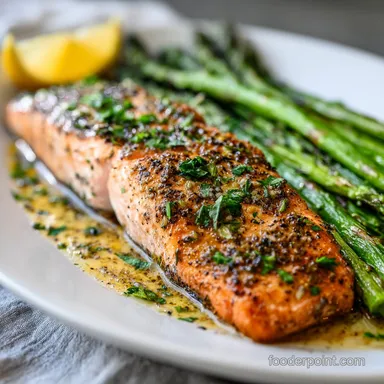
Oven Baked Salmon with Asparagus: Sheet Pan Method
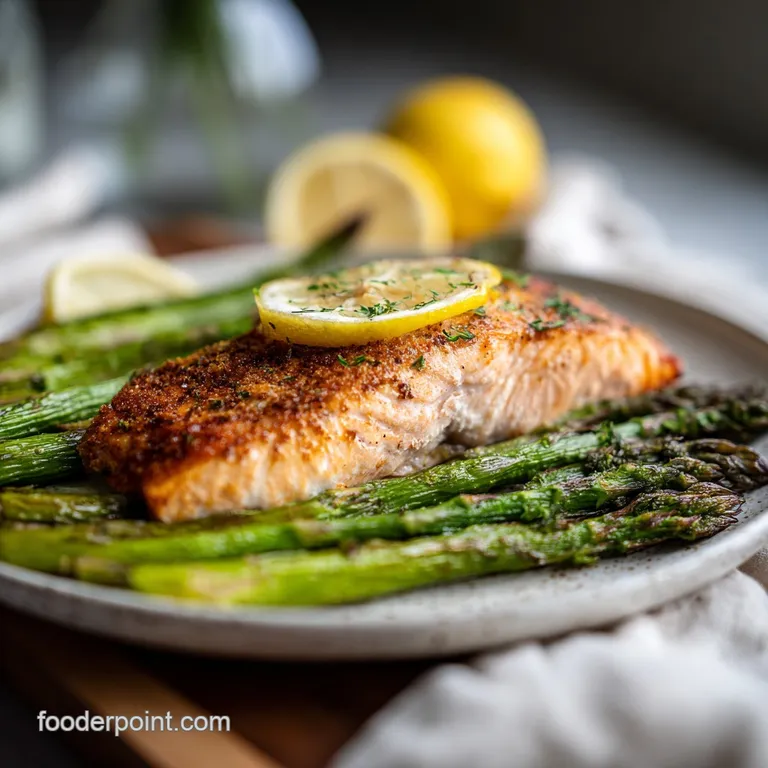
- Time: Active 10 minutes, Passive 12 minutes, Total 22 minutes
- Flavor/Texture Hook: Flaky citrus infused protein with snappy, salt crusted greens
- Perfect for: Busy weeknight dinners or healthy meal prep for the office
- Perfecting Your Oven Baked Salmon With Asparagus Today
- The Physics of Thermal Carryover
- Component Analysis For The Ultimate Flavor Profile
- Selecting The Best Real Food Ingredients And Substitutions
- Essential Kitchen Tools For A Seamless Sheet Pan Dinner
- Master The Timeline For Your Sheet Pan Meal
- Fixing Common Texture Issues And Doneness Problems
- Healthy Dietary Swaps For Every Lifestyle Need
- Storage Guidelines And Using Every Last Scrap
- Hearty Sides That Complement Lemon Garlic Salmon
- Recipe FAQs
- 📝 Recipe Card
Perfecting Your Oven Baked Salmon With Asparagus Today
I still remember the first time I tried to cook a "one pan" meal. I tossed everything onto a tray, slid it into the oven, and walked away thinking I was a genius. Ten minutes later, I pulled out a tray of tragedy: the salmon was as dry as a desert, and the asparagus was so limp it looked like it had given up on life.
It was a classic amateur move, and honestly, I almost went back to ordering takeout for good.
The problem wasn't the recipe; it was the timing. Most people treat a sheet pan like a bucket where you just dump ingredients and hope for the best. But through plenty of trial and error (and a few burnt garlic cloves), I learned that the secret to a great oven baked salmon with asparagus is all about managing the moisture.
You want that salmon to feel velvety on the tongue, not like you're chewing on a sponge.
Today, we are skipping the guesswork. We're going to talk about the "staggered start," why your butter needs to be cold before it hits the heat, and how to get that perfect flaky texture every single time. This isn't just a recipe; it’s a blueprint for a dinner that actually works for real life.
It's hearty, comforting, and won't leave you with a sink full of dishes.
The Physics of Thermal Carryover
Protein Denaturation Control: When salmon hits 145°F, the proteins tighten and squeeze out moisture (that white stuff called albumin). By pulling the fish out at 135°F, the internal heat continues to cook the center while it rests, keeping the fibers tender.
Starch Cell Integrity: Asparagus contains cellulose that softens rapidly under high heat. A light coating of olive oil acts as a heat conductor, allowing the exterior to blister while the interior stays snappy.
| Method | Total Time | Texture Outcome | Best For |
|---|---|---|---|
| Sheet Pan Oven | 12 minutes | Evenly flaky and moist | Families/Meal Prep |
| Air Fryer | 8 minutes | Crispy edges, firmer center | Quick solo lunch |
| Pan Seared | 10 minutes | Maximum skin crunch | Special occasions |
Choosing the right method depends on your goals, but the oven is the gold standard for getting four portions done perfectly at once. If you're looking for a different kind of comfort food for another night, my Slow Cooker Turkey recipe is another fantastic way to feed the family without hovering over the stove.
Component Analysis For The Ultimate Flavor Profile
| Ingredient | Science Role | Pro Secret |
|---|---|---|
| Salmon Fillets | Main Protein | Pat them bone dry with paper towels to ensure the seasoning sticks and the skin doesn't steam. |
| Fresh Asparagus | Structural Vegetable | Choose medium spears; thin ones turn to mush, and thick ones stay woody in the center. |
| Unsalted Butter | Fat & Emulsifier | Using softened butter mixed with aromatics creates a paste that melts slowly, basting the fish. |
| Lemon Juice | Acid Catalyst | The acid breaks down the "fishy" amines on the surface, leaving only a bright, clean flavor. |
Selecting The Best Real Food Ingredients And Substitutions
When shopping for this oven baked salmon with asparagus, the quality of your fish is the biggest variable. I always look for fillets that are uniform in thickness. If you have one tail piece and one thick center cut, they won’t finish at the same time.
Also, don't be afraid of frozen salmon; often it's "flash frozen" at sea, which preserves the texture better than the "fresh" fish that’s been sitting on ice for three days.
- 4 (6 oz) Salmon Fillets: Wild caught has more flavor, but farmed Atlantic salmon is often fattier and more forgiving if you overcook it by a minute.
- Substitute: Arctic Char. Why this? Similar fat content and texture but often more budget friendly in certain regions.
- 1 lb Fresh Asparagus: Look for tight tips. If they look fuzzy, they’re old.
- Substitute: Broccolini. Why this? It has a similar cook time and holds up well to high heat.
- 2 tbsp Extra Virgin Olive Oil: Use the good stuff here; you’ll taste it.
- Substitute: Avocado oil. Why this? It has a higher smoke point, though you lose the olive flavor.
- 3 tbsp Unsalted Butter: Make sure it’s softened so you can mash the garlic into it.
- Substitute: Ghee or Clarified Butter. Why this? Removes milk solids for a higher smoke point while keeping the rich flavor.
- 3 cloves Garlic: Use fresh cloves, not the stuff in the jar. The jarred garlic has a metallic aftertaste when roasted.
- 1 tsp Kosher Salt: The large grains provide a better "shatter" of saltiness on the asparagus.
- 1/2 tsp Smoked Paprika: This adds a hint of wood fired flavor without a grill.
- Fresh Parsley and Lemon: These are your finishing touches for that essential pop of brightness.
Essential Kitchen Tools For A Seamless Sheet Pan Dinner
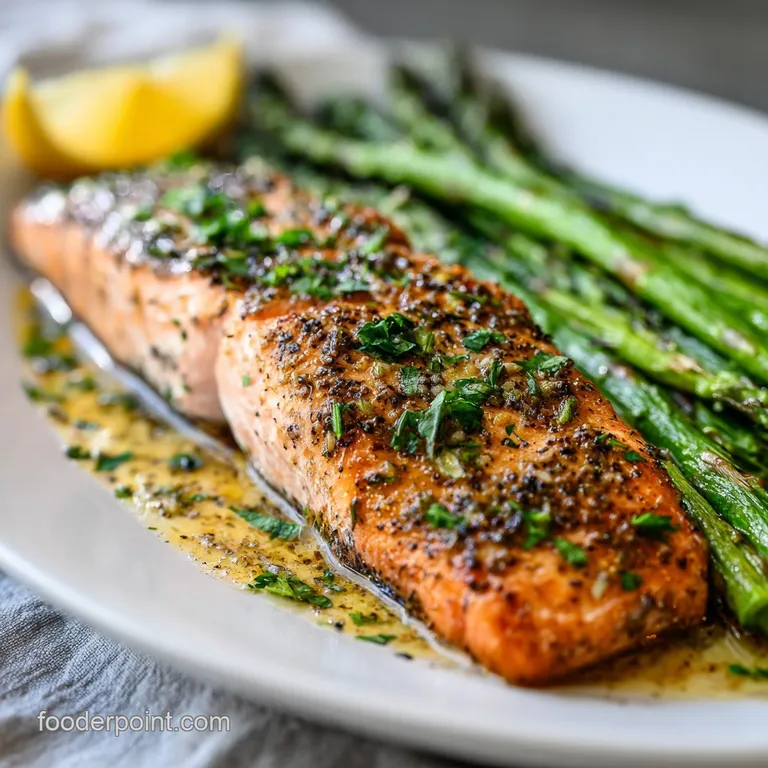
You don't need a gourmet kitchen for this, but a heavy duty rimmed baking sheet is non negotiable. Cheap, thin pans warp in the oven, which causes the oil to pool in one corner, leaving half your asparagus dry and the other half deep fried.
I personally use a half sheet pan from a restaurant supply store; they are indestructible and distribute heat like a dream.
A good meat thermometer is your best friend here. I used to poke the salmon with a fork to see if it flaked, but by the time it flakes easily in the oven, it's actually overdone. If you can measure the internal temp, you’ll never eat dry fish again. Also, keep some parchment paper on hand.
It makes cleanup a breeze, and it prevents the salmon skin from sticking to the metal, which can be a nightmare to scrub later.
For the Main Components
The salmon and asparagus need space. If you crowd them, they will steam instead of roast. You want enough room for air to circulate so the edges of the asparagus can get those little charred, crispy bits that taste like candy.
For the Lemon Garlic Butter Glaze
Mashing the garlic, parsley, and smoked paprika into the butter creates a compound butter. This is a classic chef trick. Instead of just pouring oil over the fish, this paste stays put and slowly liquefies as it bakes, creating a velvety glaze that won't just run off into the bottom of the pan.
Master The Timeline For Your Sheet Pan Meal
- Preheat the oven to 400°F. Note: A hot oven is vital for achieving that snappy asparagus texture before the salmon overcooks.
- Trim the asparagus. Bend one spear until it snaps naturally, then line up the rest and cut them at that same point to remove the woody ends.
- Prepare the baking sheet. Line it with parchment paper and place the 1 lb fresh asparagus on one side.
- Season the vegetables. Drizzle with 2 tbsp extra virgin olive oil, 1/2 tsp kosher salt, and 1/4 tsp black pepper. Toss until every spear is glistening.
- Prep the salmon. Pat the 4 (6 oz) salmon fillets dry and place them on the other side of the pan.
- Mix the glaze. In a small bowl, mash together 3 tbsp softened butter, 3 minced garlic cloves, 1 tbsp chopped parsley, and 1/2 tsp smoked paprika.
- Apply the flavor. Spread the butter mixture evenly over the top of each fillet. Top with lemon rounds.
- Start the roast. Slide the pan into the oven and bake for 10 to 12 minutes until the salmon flakes with a fork and the asparagus is tender crisp.
- Finish with acid. Squeeze the remaining lemon juice over the entire tray the moment it comes out of the oven. Listen for the sizzle.
- Rest the protein. Let everything sit on the pan for 3 minutes. Note: This allows the juices to redistribute inside the salmon.
Fixing Common Texture Issues And Doneness Problems
One of the biggest frustrations with salmon is the "white stuff" that leaks out. That's albumin, and while it's perfectly safe to eat, it usually means the heat was too high or the fish was cooked too long. It's the salmon's way of screaming for help. If you see a lot of it, pull the fish out immediately!
Asparagus Texture Troubles
If your asparagus is mushy, it likely spent too much time in the oven or was too thin for the heat. On the flip side, if it's too tough to chew, you didn't trim enough of the bottom off. That woody end is full of lignin, which no amount of cooking will ever make tender.
| Problem | Root Cause | Solution |
|---|---|---|
| Dry, Chalky Salmon | Internal temp exceeded 150°F | Pull fish at 135°F and let carryover cooking finish it. |
| Soggy Asparagus | Steam trapped by overcrowding | Use a larger pan or two pans to allow air circulation. |
| Burnt Garlic | Minced too small or exposed too long | Mix garlic into the butter paste to protect it from direct heat. |
Common Mistakes Checklist
- ✓ Skipping the "dry pat" on the salmon - moisture on the surface prevents the butter from sticking.
- ✓ Not preheating the oven fully - starting in a cold oven leads to rubbery fish.
- ✓ Using "lemon juice" from a plastic bottle - the flavor is too bitter; fresh is non negotiable.
- ✓ Trimming the asparagus too high or too low - use the "natural snap" method every time.
- ✓ Overcrowding the pan - leave at least an inch between the salmon fillets.
Healthy Dietary Swaps For Every Lifestyle Need
This oven baked salmon with asparagus is naturally quite healthy, but we can tweak it depending on your goals. For my Keto friends, this is already a dream meal. You've got high-quality fats and protein with very few carbs.
If you want to increase the fat content, you can even add a few slices of avocado on top once it's out of the oven.
If you are looking for a sweet treat that fits into a balanced day, you might want to try these Chewy Chocolate Chip Cookies recipe. They take about 25 minutes, which is almost the exact same time as this salmon dinner!
Dairy-free Adaptation
If you can't do butter, don't worry. You can swap the 3 tbsp of unsalted butter for an equal amount of softened coconut oil or a high-quality vegan butter substitute. The coconut oil adds a very slight sweetness that actually pairs beautifully with the smoked paprika and lemon.
Just make sure the coconut oil is in its solid, "room temp" state so you can still make that thick paste.
Low Sodium Adjustment
To cut back on salt without losing flavor, double the amount of smoked paprika and add a teaspoon of dried oregano to the butter mixture. The extra spices provide a "perceived" saltiness, and the fresh lemon juice at the end does a lot of the heavy lifting to brighten the flavors.
Storage Guidelines And Using Every Last Scrap
Leftover salmon can be tricky because reheating it often turns it into leather. I recommend eating leftovers cold! Flake the cold salmon over a salad or mix it with a little mayo and celery for the best salmon salad sandwich you've ever had. It stays fresh in an airtight container in the fridge for up to 3 days.
Zero Waste Tip: Don't throw away those woody asparagus ends! Toss them in a bag in your freezer. When the bag is full, boil them with some onion and veggie scraps to make a base for a hearty cream of asparagus soup.
Also, if you have extra lemon halves, throw them in a jar with some salt to make preserved lemons for your next Mediterranean dish.
| Component | Fresh Comparison | Shortcut Comparison |
|---|---|---|
| Garlic | Freshly minced (strong, sweet) | Jarred (convenient, slightly sour) |
| Lemon | Fresh squeezed (bright, floral) | Bottled (harsh, muted) |
| Asparagus | Fresh spears (snappy) | Frozen (tend to be softer) |
Hearty Sides That Complement Lemon Garlic Salmon
While this is a complete meal on its own, sometimes you need a little something extra to soak up that delicious lemon garlic butter. I love serving this over a bed of fluffy quinoa or alongside some roasted baby potatoes.
If you're going for a low carb vibe, a simple arugula salad with a light vinaigrette is all you need.
If you find yourself with extra time and want a truly decadent dessert to follow this light meal, I highly recommend checking out my Fudgy Brownies From recipe. They provide that deep, chocolatey comfort that balances out the citrusy brightness of the salmon perfectly.
- If you want a crunchier topping, mix 2 tbsp of Panko breadcrumbs into the garlic butter before spreading it on the fish.
- If you want a spicier kick, add a pinch of red pepper flakes to the asparagus toss.
- If you want a deeper umami flavor, drizzle a teaspoon of soy sauce over the salmon before the butter goes on.
There you have it everything I've learned from my many, many sheet pan successes and failures. This oven baked salmon with asparagus is the kind of recipe that makes you feel like a pro without the stress. Just remember: pat it dry, don't overcook it, and always, always use fresh lemon. Let's get cooking!
Recipe FAQs
What internal temperature indicates the salmon is perfectly cooked?
Pull the fish at 135°F. The residual heat, or carryover cooking, will bring the center up to the safe final temperature of 145°F, ensuring it remains moist.
How to avoid the white albumin (scum) leaking out of the salmon?
Cook at a slightly lower temperature and check early. The white substance forms when proteins tighten too quickly under excessive heat; pulling the fish before it fully flakes prevents this seepage.
How to ensure the asparagus is snappy and not mushy on the sheet pan?
Toss the asparagus with oil and ensure adequate space on the pan. Overcrowding traps steam, leading to steaming rather than roasting; aim for a single layer with space around all vegetables.
How to prepare the lemon garlic butter glaze?
Mash softened butter with minced garlic, parsley, and smoked paprika together. This forms a compound butter paste that melts slowly over the fish, basting it evenly as it cooks.
Is it true that I must use only center cut salmon fillets for even cooking?
No, but thickness uniformity is critical. While center cuts are ideal, any fillets will cook evenly as long as they are all the same thickness; trim tail ends down if necessary.
What is the best substitute for unsalted butter in this recipe?
Use softened coconut oil or ghee. Both offer excellent fat content for flavor transference, though coconut oil imparts a subtle sweetness that complements the spice profile.
How long can I safely store leftovers for meal prep?
Store in an airtight container in the refrigerator for up to three days. It is best eaten cold on salads or used in salmon salad sandwiches to avoid the dry texture reheating causes.
Oven Baked Salmon With Asparagus