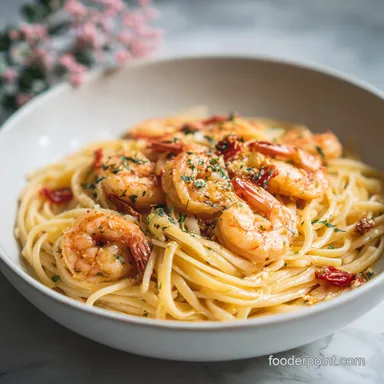
Creamy Garlic Shrimp Pasta
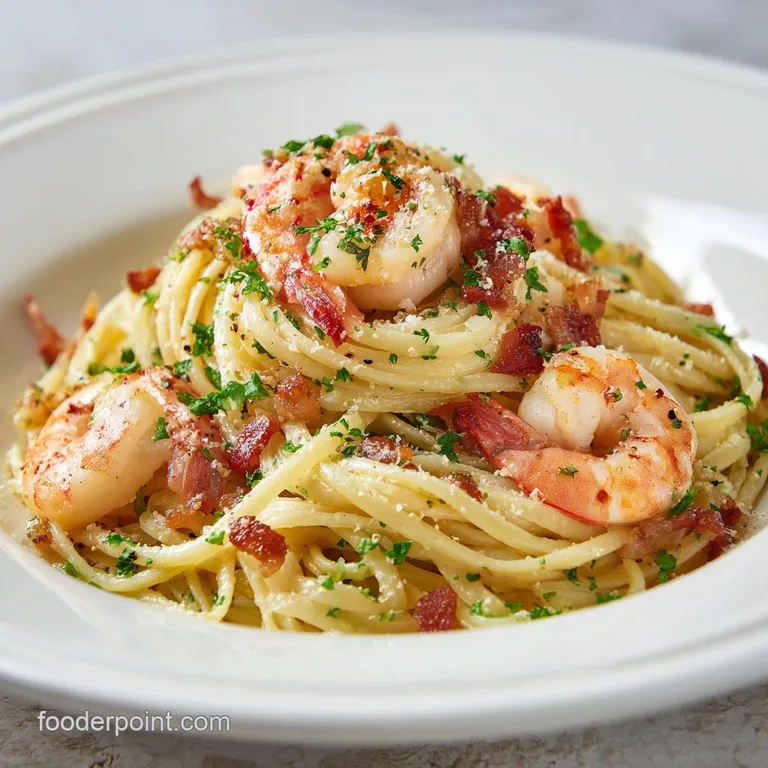
- Time: Active 10 minutes, Passive 15 minutes, Total 25 minutes
- Flavor/Texture Hook: Silky, garlic forward sauce with succulent, snappy shrimp
- Perfect for: A fast weeknight dinner that feels like a weekend indulgence
- Mastering the Ultimate Creamy Garlic Shrimp Pasta
- The Mechanics of the Golden Emulsion
- Why This Creamy Pasta Technique Wins
- Component Analysis for Better Flavor
- The Pantry Staples You Will Need
- Simple Steps for Creamy Pasta
- Avoiding Common Shrimp Pasta Errors
- Adjusting the Recipe Size
- Debunking Common Kitchen Myths
- Storage Tips for Leftover Pasta
- Perfect Sides for Seafood Pasta
- High in Sodium
- Recipe FAQs
- 📝 Recipe Card
Mastering the Ultimate Creamy Garlic Shrimp Pasta
The first time I tried to make this dish, I ended up with a pool of watery milk at the bottom of the bowl and shrimp that had the texture of pencil erasers. It was a Tuesday night, I was starving after a long shift, and I just wanted something comforting.
That "failed" dinner taught me more about heat management and emulsion than any cookbook ever could. I realized that the magic isn't in fancy techniques, but in how you handle the sizzle of the pan and the timing of the cream.
Now, whenever the house starts smelling like toasted garlic and shimmering butter, I know I’m about 15 minutes away from bliss. You know that sound when you toss hot pasta into a pan of simmering sauce? That wet, rhythmic "slap" of the noodles hitting the cream is basically music to my ears.
We've all been there, staring at a half empty fridge, but as long as you have a bag of frozen shrimp and some pasta, you’re golden. Trust me, once you nail the balance of the white wine and the half and half, you’ll never order this at a restaurant again.
The Mechanics of the Golden Emulsion
Harnessing Starchy Emulsification: The starches released by the pasta into the boiling water act as a bridge between the fat in the butter and the liquid in the sauce. This creates a velvety coating that clings to every strand rather than sliding off to the bottom of the plate.
Why This Creamy Pasta Technique Wins
- over High heat Searing: Cooking the shrimp quickly at a high temperature ensures they stay snappy and succulent rather than turning rubbery and tough.
- Acidic Balance: The lemon juice and white wine cut through the richness of the half and half, preventing the dish from feeling overly heavy or cloying.
- Residual Heat Cooking: Stirring in the spinach at the very end uses the sauce's warmth to wilt the leaves, preserving their vibrant color and delicate texture.
- Carryover Thickening: The sauce will continue to thicken as it cools slightly, so pulling it off the heat when it looks just a bit loose is the secret to a perfect final consistency.
| Method | Time | Texture | Best For |
|---|---|---|---|
| Stovetop Skillet | 15 minutes | Silky and snappy | Quick weeknight dinners |
| Oven Baked Casserole | 30 minutes | Dense and bubbly | Feeding a larger crowd |
| Slow Cooker | 3 hours | Soft and infused | Minimal hands on effort |
Selecting the right method depends on your schedule, but the stovetop version remains my favorite for that specific sizzle and immediate control over the shrimp's doneness. If you are in a rush, the skillet is your best friend.
Component Analysis for Better Flavor
| Ingredient | Science Role | Pro Secret |
|---|---|---|
| 6 Cloves Garlic | Aromatic Foundation | Mince by hand for better oil release than a press. |
| 1/2 Cup White Wine | Deglazing Agent | Use a dry wine like Pinot Grigio to lift the browned bits (fond). |
| 1 Cup Half and Half | Fat Medium | Provides creaminess with less risk of curdling than whole milk. |
| 1 Cup Pasta Water | Stabilizer | The "liquid gold" that binds the sauce to the linguine perfectly. |
The Pantry Staples You Will Need
To get this dish on the table, we are keeping the tool kit small: just a large pot for the pasta and a wide skillet for the sauce. No need for fancy gadgets when the ingredients do the heavy lifting.
- 1 lb large shrimp: Peeled and deveined. Why this? Larger shrimp stay juicier during the over high heat searing process.
- 10 oz fettuccine or linguine pasta: I prefer linguine for its flat surface area.
- 1/2 tsp smoked paprika: Adds a subtle depth and a hint of color to the shrimp.
- 6 cloves garlic: Mince these fresh; the jarred stuff just doesn't have the same bite.
- 1/2 cup dry white wine: This is for deglazing the pan and adding bright acidity.
- 1 cup half and half: The perfect middle ground between heavy cream and milk.
- 3/4 cup freshly grated Parmesan cheese: Always grate your own; pre shredded cheese is coated in starch and won't melt smoothly.
- 2 cups fresh baby spinach: Adds a pop of color and a boost of nutrients.
- 2 tbsp unsalted butter: For sautéing and adding a rich, nutty finish.
- 1 tbsp olive oil: Helps prevent the butter from burning at higher temperatures.
- 1 tbsp fresh lemon juice: The final hit of brightness that wakes up all the flavors.
- 1/4 cup fresh parsley: Finely chopped for a fresh, herbaceous garnish.
| Original Ingredient | Substitute | Why It Works |
|---|---|---|
| Dry White Wine | Chicken Broth + 1 tsp Vinegar | Provides the liquid and acidity without the alcohol content. |
| Half and Half | Full fat Coconut Milk | Same fat content. Note: Adds a distinct tropical flavor to the dish. |
| Shrimp | Scallops | Similar protein structure. Note: Requires a faster sear to avoid toughness. |
If you decide to swap the pasta for a gluten-free version, just be aware that the pasta water might be cloudier and contain more starch, so add it to the sauce sparingly until you reach your desired thickness.
Simple Steps for Creamy Pasta
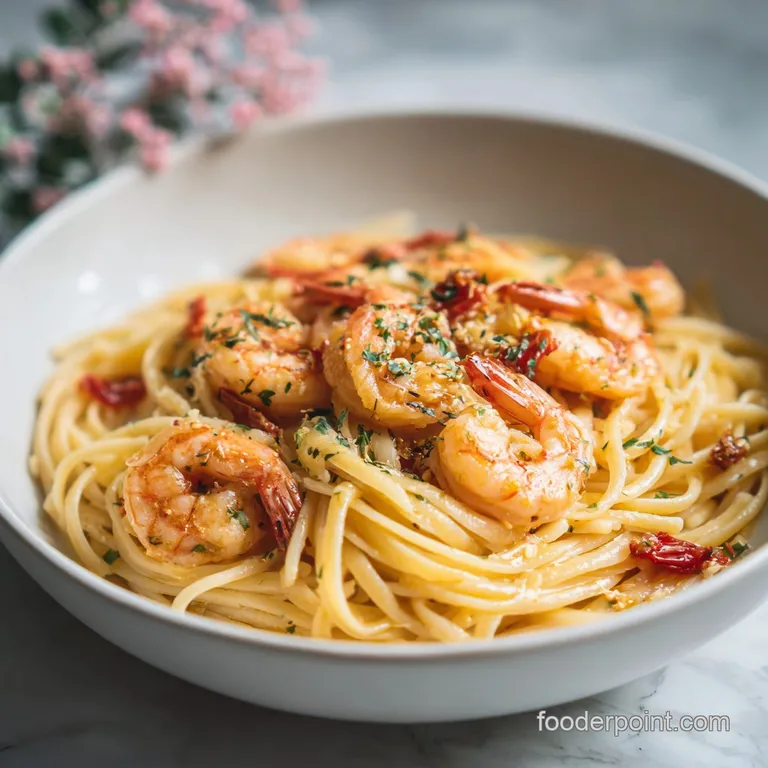
- Boil the pasta. Cook 280g (10 oz) of fettuccine in salted water according to package directions, but pull it out 1 minute early for a true al dente bite. Note: This prevents the pasta from becoming mushy when it finishes cooking in the sauce.
- Save the water. Scoop out 240ml (1 cup) of the starchy pasta water before draining the pot.
- Season the shrimp. Toss 454g (1 lb) of shrimp with the smoked paprika, salt, and black pepper until evenly coated and vibrant.
- Sear the seafood. Heat olive oil and 1 tbsp of butter in a large skillet over medium high heat. Add shrimp and cook for 2 minutes per side until they turn opaque and pink. Remove shrimp from the pan and set aside.
- Sauté the aromatics. Lower the heat to medium and melt the remaining 1 tbsp of butter. Add the 6 cloves of minced garlic and sauté for 1 minute until fragrant and just barely golden.
- Deglaze the skillet. Pour in 120ml (1/2 cup) of white wine. Use a wooden spoon to scrape up the browned bits from the bottom of the pan until the liquid reduces by half.
- Build the base. Whisk in 240ml (1 cup) of half and half and bring to a gentle simmer.
- Melt the cheese. Gradually whisk in 75g (3/4 cup) of Parmesan cheese until the sauce is silky and thickened.
- Combine and wilt. Toss in the cooked pasta, seared shrimp, and 2 cups of baby spinach. Add the pasta water a splash at a time until the sauce coats every strand like velvet.
- Final touch. Stir in the lemon juice and parsley. Serve immediately while the steam is rising and the aroma is sharp.
Avoiding Common Shrimp Pasta Errors
The most common heartbreak with this dish is a broken or grainy sauce. This usually happens when the heat is too high or the cheese is added too quickly. If the sauce looks oily, don't panic; it just needs a little more starch and whisking to come back together.
Why Your Sauce Is Grainy
If you use pre shredded cheese from a bag, the cellulose coating prevents it from melting into the liquid. This results in little clumps of cheese rather than a smooth finish. Always use a block of Parmesan and grate it yourself on the finest setting of your box grater.
Why Your Shrimp Is Tough
Shrimp cook incredibly fast. If you leave them in the pan while you make the sauce, they will turn into rubber. Always remove them once they hit that "C" shape and only add them back at the very last second to warm through.
| Problem | Root Cause | Solution |
|---|---|---|
| Watery Sauce | Not enough reduction | Simmer the half and half for 2 extra minutes before adding cheese. |
| Bland Flavor | Lack of acidity | Add an extra squeeze of lemon juice or a pinch of salt. |
| Clumping Pasta | Drained and sat too long | Toss with a teaspoon of oil or add back to the sauce immediately. |
Common Mistakes Checklist:
- ✓ Pat the shrimp completely dry before seasoning to ensure a better sear.
- ✓ Never boil the sauce once the cheese is added, or it may separate.
- ✓ Don't skip the pasta water; it's the only thing that creates that restaurant style cling.
- ✓ Grate the Parmesan finely so it melts instantly into the warm half and half.
- ✓ Work quickly once the shrimp are back in the pan to prevent overcooking.
Adjusting the Recipe Size
Scaling Down (Feeding 1-2): Use a smaller skillet to prevent the sauce from evaporating too quickly. Reduce the cook time for the sauce by about 2 minutes, and use half a beaten egg if you were making a larger batch that required it (though not needed here).
Scaling Up (Feeding 8): Work in two batches for the shrimp to avoid overcrowding the pan, which leads to steaming instead of searing. For the spices and salt, only increase them by 1.5x to avoid over seasoning.
Use a very large pot or a dutch oven to ensure you have enough room to toss the pasta without it flying out of the pan.
| Ingredient State | Fresh | Shortcut | Flavor Impact |
|---|---|---|---|
| Garlic | Freshly minced | Jarred minced | Shortcut is less pungent/sharp |
| Parmesan | Grated from block | Pre shredded bag | Shortcut may cause graininess |
| Spinach | Fresh leaves | Frozen (thawed) | Shortcut is much softer/mushier |
Debunking Common Kitchen Myths
One big myth is that you need heavy cream to get a rich sauce. Half and half works perfectly fine if you use the pasta water technique to provide body. Another misconception is that you should rinse your pasta after cooking. Never do this! You’ll wash away the starch that helps the sauce stick to the noodles.
Finally, many people think you shouldn't use "cheap" wine for cooking. While you shouldn't use something that tastes like vinegar, a budget friendly dry white works perfectly. The heat cooks off the alcohol and concentrates the sugars, so a $10 bottle of Pinot Grigio is more than enough for a spectacular result.
Storage Tips for Leftover Pasta
Storage: Store any leftovers in an airtight container in the fridge for up to 2 days. Because shrimp can get rubbery when reheated, I recommend eating this sooner rather than later.
When reheating, add a splash of milk or water to the pan to loosen the sauce back up, as the pasta will have absorbed most of the moisture overnight.
Zero Waste: Don't toss those shrimp shells! If you bought peel on shrimp, throw the shells into a freezer bag. When you have enough, boil them with some onion scraps and celery to make a quick seafood stock for your next risotto or soup.
Perfect Sides for Seafood Pasta
- Garlic Bread: A crusty baguette toasted with butter and more garlic is the ultimate tool for mopping up any leftover sauce.
- Simple Green Salad: A mix of arugula or romaine with a light balsamic vinaigrette provides a refreshing crunch that balances the creaminess of the pasta.
- Roasted Asparagus: Tossed in olive oil and lemon, this vegetable pairs beautifully with the citrus notes in the shrimp.
Decision Shortcut: If you want a spicier kick, add 1/2 tsp of red pepper flakes to the garlic. If you want it lighter, swap the half and half for whole milk and add an extra tablespoon of pasta water.
If you want it extra decadent, finish the dish with a drizzle of high-quality truffle oil.
- 1. Shrimp weight
- Exactly 454g (1 lb) ensures the ratio of protein to pasta is balanced in every bite.
- 2. Sauté time
- 60 seconds for the garlic is the sweet spot; any longer and it risks becoming bitter.
- 3. Pasta water
- Measure exactly 240ml (1 cup) so you have enough to adjust the consistency at the end.
High in Sodium
840 mg of sodium per serving (37% of daily value)
American Heart Association recommendation: Limit sodium intake to about 2,300mg per day.
Tips to Reduce Sodium in Shrimp Fettuccine Alfredo
-
Reduce Parmesan-15%
Parmesan cheese is a significant source of sodium. Reduce the amount of Parmesan cheese from 3/4 cup to 1/4 cup and consider using a lower sodium variety. This will significantly reduce the sodium content of the dish.
You can also add some nutritional yeast or low-sodium cheeses such as mozzarella, ricotta or swiss cheese to compensate.
-
Reduce Added Salt-25%
Eliminate or drastically reduce the 1/2 tsp of added salt. Taste the dish after cooking and add a pinch of salt only if absolutely necessary. Remember that other ingredients, like Parmesan, also contain sodium. Consider using a salt substitute such as potassium chloride based salt, in moderation.
-
Low-Sodium Wine-5%
While not a major contributor, white wine contains trace amounts of sodium. Opt for wines specifically labeled as 'low-sodium' if available. Alternatively, use a splash of lemon juice or unsalted broth to deglaze the pan if avoiding alcohol.
-
Unsalted Butter Only-5%
Ensure that you are using truly unsalted butter. Sometimes, butter marketed as 'lightly salted' still contains a significant amount of sodium. Double check the label and always choose unsalted.
-
Enhance with Herbs & Spices
Instead of relying on salt for flavor, experiment with a variety of fresh and dried herbs and spices. Smoked paprika, black pepper, garlic, parsley, and lemon juice all contribute unique flavors without adding sodium. Other herbs include oregano, thyme, or basil.
Recipe FAQs
What's the secret to flavorful shrimp pasta?
Deglaze the pan with dry white wine. This lifts the flavorful browned bits (fond) left by the seared shrimp, creating a deeper aromatic base for the entire sauce.
What's needed to make creamy garlic shrimp pasta?
You require shrimp, pasta, garlic, half and half, Parmesan cheese, and starchy pasta water. The starchy water acts as the primary emulsifier, binding the fat from the dairy to the liquid base for a silky finish.
What can I add to pasta to make it creamy?
Use a combination of fat (half and half or butter) emulsified with reserved, hot, starchy pasta water. The starches in the water stabilize the sauce, preventing the dairy from splitting or breaking.
How to make a garlic creamy pasta?
Sauté minced garlic in butter until fragrant, then deglaze with wine before whisking in the half and half and Parmesan. Ensure the heat is low when adding the cheese to avoid graininess.
Should I use heavy cream or half and half for better texture?
Half and half is recommended for best balance and lower risk of curdling. While heavy cream is richer, half and half provides sufficient fat content when stabilized by the starchy pasta water.
Is it true that pre-shredded Parmesan cheese ruins the sauce texture?
Yes, this is accurate. Pre-shredded cheese is coated in anti caking agents like cellulose, which prevents it from melting smoothly into the sauce, leading to a grainy or clumpy final product.
How long should I cook the shrimp before removing them from the pan?
Sear the shrimp for exactly 2 minutes per side over medium high heat. Remove them immediately after they turn opaque and pink to prevent them from becoming tough or rubbery during the sauce building process.
Creamy Garlic Shrimp Pasta