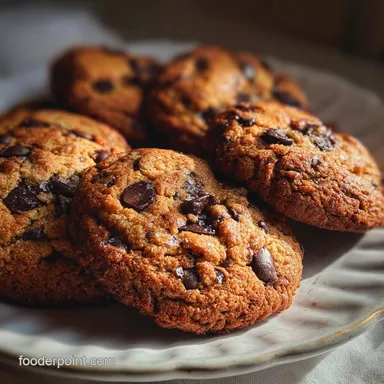
Best Chewy Chocolate Chip Cookies
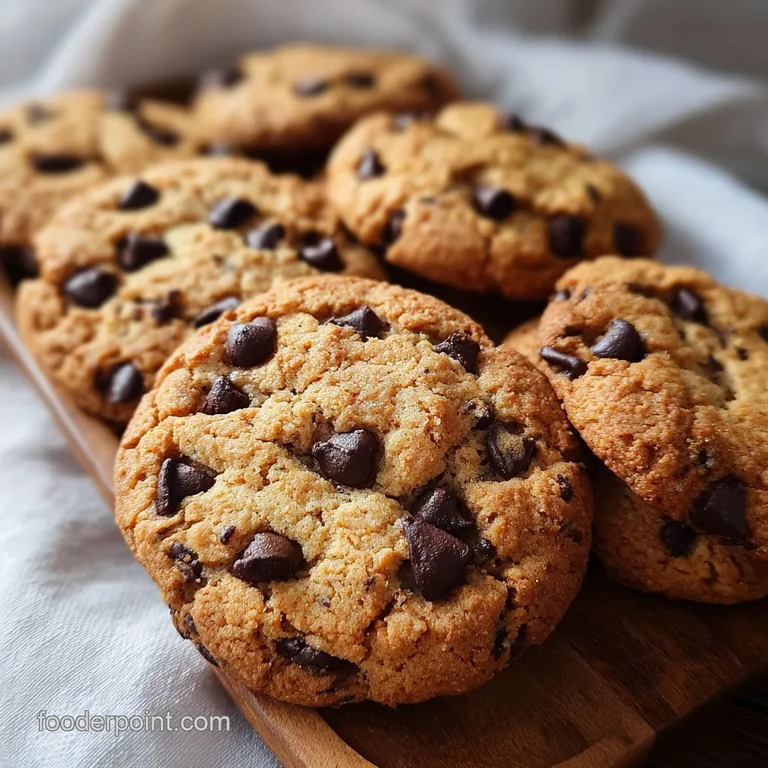
- Time: Active 15 minutes, Passive 10 minutes, Total 25 minutes
- Flavor/Texture Hook: Nutty, toffee like notes with a velvety, molten center
- Perfect for: Weekend baking, gift boxes, or satisfying a serious sweet craving
- Master the Best Chewy Chocolate Chip Cookies
- Science of the Ultimate Cookie Texture
- Precise Measures for Baking Success
- Choosing Ingredients for Vibrant Flavors
- Essential Equipment for Easy Baking
- Step-by-Step Guide to Perfect Batches
- Solving Common Baking Issues
- Simple Swaps for Dietary Needs
- Adjusting for Different Batch Sizes
- Keeping Your Sweet Treats Fresh
- Creative Pairings for Every Occasion
- Best Chewy Chocolate Chip Cookie FAQs
- 📝 Recipe Card
Master the Best Chewy Chocolate Chip Cookies
I remember the exact moment my baking life changed forever. It was a drizzly Tuesday, and I was standing over a small saucepan, watching butter transform from a boring yellow stick into a bubbling, tawny liquid. The smell hit me first - like toasted hazelnuts and melted caramel dancing together in the kitchen.
I’d spent months chasing that elusive "bendy" texture, the kind where the center is almost fudge like but the edges have a subtle, lacey snap.
Most recipes promised greatness but delivered dry, cakey pucks that felt like a chore to eat. I realized I was treating cookies like a set of instructions rather than a series of chemical reactions. Once I started playing with the moisture content and the temperature of the fats, everything clicked.
This isn't just another recipe; it's the result of dozens of "failed" batches and one very sticky kitchen floor.
We're going for a cookie that doesn't just sit there. We want something that has personality - a bit of salt to cut the sugar, dark brown sugar for that deep molasses kick, and a hit of cornstarch to keep things tender.
If you’ve ever wondered why bakery cookies taste so much more complex than the ones from the back of a bag, you're about to find out. Let's get into the sweet details of how to make the best chewy chocolate chip cookies you've ever pulled out of an oven.
Science of the Ultimate Cookie Texture
Understanding the "why" behind the ingredients helps you move from following a map to actually knowing the terrain. Baking is a game of moisture control, and we’re rigging the game in our favor.
- Maillard Reaction: Browning the butter creates new flavor compounds that give the dough a savory, toasted depth you can't get from creaming cold butter.
- Hygroscopic Action: Dark brown sugar attracts and holds onto moisture more effectively than white sugar, ensuring the center stays velvety even after cooling.
- Enzymatic Tenderness: Cornstarch interferes with gluten development, creating a delicate crumb that feels soft rather than chewy tough.
- Fat Emulsification: Adding an extra egg yolk increases the lecithin content, which helps bind the fats and liquids into a smooth, stable dough that doesn't "leak" oil during baking.
The Physics of the Bend
The secret to the "bendy" cookie is the ratio of sugar to flour. By keeping the flour slightly lower and the dark brown sugar higher, we create a structure that is saturated with moisture.
When the heat hits, the sugar melts into a syrup, and because we’ve used cornstarch to keep the protein bonds weak, the cookie remains flexible instead of setting into a rigid, crispy structure.
| Method | Time | Texture Outcome | Best For |
|---|---|---|---|
| Stovetop (No Bake) | 10 minutes | Fudgy, dense, and slightly grainy | Quick fixes with oats or cocoa |
| Oven Baked (This Recipe) | 10 minutes | Crispy edges with a molten, bendy center | The classic, professional bakery experience |
| Air Fryer | 7 minutes | Very crispy exterior, soft but small center | Single serving cravings |
The contrast between the stovetop and oven methods is all about the "set." While stovetop cookies rely on cooling to harden a sugar syrup, the oven allows for the edges to caramelize while the middle stays under baked and soft.
Precise Measures for Baking Success
Precision is your best friend when you're aiming for consistency. While I love "eyeballing" a stew, baking requires a bit more respect for the scale. We’re aiming for a cookie that is exactly 1/2 inch thick at the center with a 3 inch diameter.
Ingredient Deep Dive
| Ingredient | Science Role | Pro Secret |
|---|---|---|
| Dark Brown Sugar | Provides acidity and moisture | Pack it tight to ensure the molasses content is high enough for the "bend." |
| Cornstarch | Softens the all purpose flour | Acts as a "tenderizer" by preventing the flour from getting too "bready." |
| Egg Yolk | Increases fat and emulsification | The yolk is pure fat and lecithin; it makes the dough feel like silk. |
| Pure Vanilla Extract | Flavor enhancer | Always add it after the butter has cooled slightly so the aroma doesn't evaporate. |
Wait until you see how the dark brown sugar reacts with the baking soda. The acidity in the molasses triggers the soda, creating tiny air pockets that keep the cookie from feeling like a lead weight. It’s a beautiful little explosion happening right inside your dough.
Choosing Ingredients for Vibrant Flavors
For this recipe, we are using specific quantities to ensure that perfect ratio of fat to flour. Please don't swap the dark brown sugar for light if you can help it; the extra molasses is the engine behind that chewy texture.
- 1 cup (226g) unsalted butter: Why this? Allows us to control the salt levels and provides the perfect base for browning. (Substitute: Salted butter, but reduce the sea salt by half).
- 1 1/4 cups (250g) dark brown sugar, packed: Why this? High molasses content for maximum chewiness and a rich toffee flavor. (Substitute: Light brown sugar plus 1 tsp molasses).
- 1/2 cup (100g) granulated white sugar: Why this? Provides the structural support for those crispy, lacey edges. (Substitute: Raw cane sugar for more crunch).
- 1 large egg, room temperature: Why this? Acts as the primary binder for the dough structure. (Substitute: Flax egg, but the texture will be significantly heartier).
- 1 large egg yolk, room temperature: Why this? The "secret weapon" for a rich, fudge like interior. (Substitute: 1 tbsp heavy cream for a similar fat boost).
- 1 tablespoon (15ml) pure vanilla extract: Why this? Adds the classic floral aroma that balances the rich chocolate chunks. (Substitute: Vanilla bean paste for those beautiful black specks).
- 2 1/4 cups (280g) all purpose flour: Why this? The perfect protein level for a cookie that isn't too tough or too fragile. (Substitute: 1:1 gluten-free baking flour).
- 2 teaspoons (6g) cornstarch: Why this? Keeps the cookies soft for days by inhibiting gluten formation. (Substitute: Arrowroot powder).
- 1 teaspoon (5g) baking soda: Why this? Reacts with the brown sugar to provide lift and browning. (Substitute: 3 tsp baking powder, but the flavor will change).
- 3/4 teaspoon (4g) sea salt: Why this? Enhances every other flavor and cuts through the intense sweetness. (Substitute: Table salt, but use slightly less).
- 1 1/2 cups (255g) semi sweet chocolate chunks: Why this? Chunks create "pools" of molten chocolate unlike small chips. (Substitute: Dark chocolate bars, chopped roughly).
- 1 pinch flaky sea salt: Why this? The final touch for a professional, sweet and savory finish. (Substitute: Maldon salt).
Essential Equipment for Easy Baking
You don't need a high tech lab to bake the best chewy chocolate chip cookies, but a few specific tools make the process much smoother. I personally swear by a heavy bottomed saucepan for the butter. Thin pans heat unevenly, and you’ll end up with burnt bits before the butter actually browns.
A sturdy stand mixer or a good hand mixer is helpful for getting the eggs and sugars fully emulsified. If you’re doing it by hand, get ready for a workout! You want that mixture to look like thick, pale caramel before you even think about adding the flour. Finally, use a cookie scoop.
It ensures every cookie is the same size, which means they all finish baking at the exact same time. No more half burnt, half raw trays.
Chef's Tip: Freeze your chocolate chunks for 10 minutes before mixing them into the warm dough. This prevents them from melting completely and streaking the dough brown, keeping those distinct "pockets" of chocolate intact.
Step-by-step Guide to Perfect Batches
- Brown the butter. Place the 1 cup of unsalted butter in a saucepan over medium heat, whisking constantly until it turns a deep amber and smells nutty. Note: This takes about 5-8 minutes; watch for the "sizzle" to stop.
- Cool the liquid gold. Pour the browned butter into a large mixing bowl and let it sit for 10 minutes. Note: Adding eggs to hot butter will scramble them, which we definitely don't want.
- Mix the sugars. Add the 1 1/4 cups dark brown sugar and 1/2 cup white sugar to the cooled butter. Whisk vigorously for 2 minutes until the mixture looks like wet sand.
- Emulsify the eggs. Add the 1 large egg, 1 egg yolk, and 1 tablespoon vanilla. Beat the mixture for another 3 minutes until it becomes pale, thick, and velvety.
- Whisk dry ingredients. In a separate bowl, sift together the 2 1/4 cups flour, 2 teaspoons cornstarch, 1 teaspoon baking soda, and 3/4 teaspoon sea salt.
- Combine the masses. Slowly fold the dry ingredients into the wet mixture using a spatula until just a few streaks of flour remain. Note: Over mixing here leads to tough, "bready" cookies.
- Fold in chocolate. Gently stir in the 1 1/2 cups semi sweet chocolate chunks until evenly distributed through the thick dough.
- The big chill. Cover the bowl and refrigerate for at least 30 minutes. Note: This hydrates the flour and prevents the cookies from spreading into flat pancakes.
- Prepare to bake. Preheat your oven to 350°F (175°C). Scoop 2 tablespoon sized balls onto a parchment lined sheet, spaced 2 inches apart.
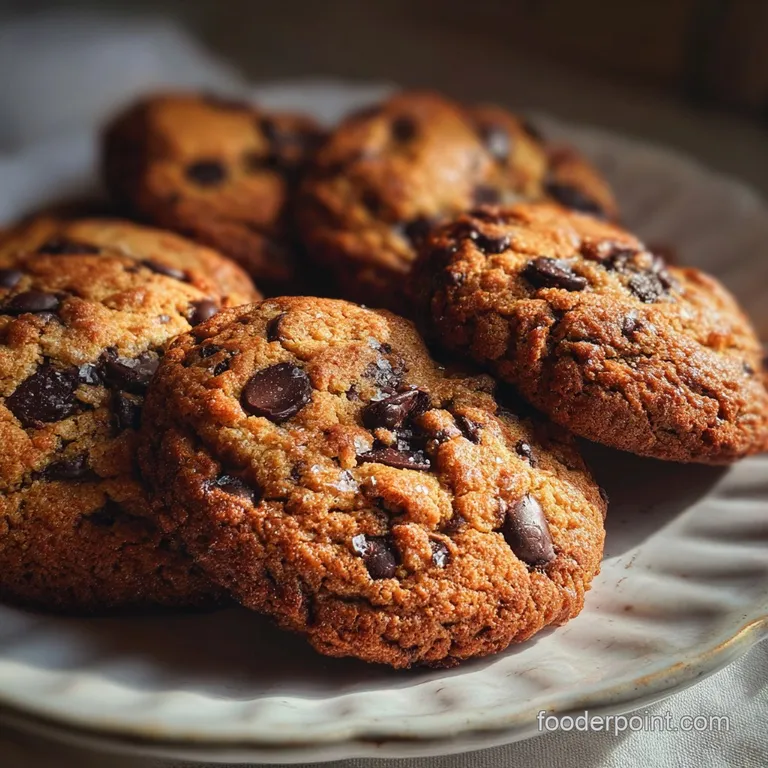
- Bake to golden. Bake for 9-11 minutes until the edges are set and lightly tawny, but the centers still look slightly underdone.
- The finishing touch. Remove from the oven and immediately sprinkle with flaky sea salt. Let them rest on the pan for 10 minutes until they firm up enough to move.
Solving Common Baking Issues
Even with the best intentions, things can go sideways in the kitchen. Usually, it comes down to temperature either the oven's or the butter's. If your cookies look like lacey puddles, your butter was likely too hot when you mixed in the sugar, or you skipped the crucial chilling step.
Why Are My Cookies Hard?
If your cookies come out like rocks, you’ve likely over baked them or used too much flour. Remember, cookies continue to cook on the hot baking sheet even after you pull them out of the oven. They should look "not quite done" in the very center when you pull them.
If they look fully cooked in the oven, they will be hard once they cool.
| Problem | Root Cause | Solution |
|---|---|---|
| Excessive Spreading | Dough was too warm or butter wasn't cooled | Chill the dough for at least 30 minutes; ensure butter is room temp. |
| Cakey Texture | Too much egg white or over beating | Use only one full egg plus the yolk; fold flour in gently. |
| Oily Bottoms | Butter and sugar didn't emulsify | Whisk the butter and sugar for the full 2 minutes before adding eggs. |
Common Mistakes Checklist
- ✓ Ensure your eggs are truly room temperature (submerge in warm water for 5 mins if needed).
- ✓ Measure flour using the "spoon and level" method rather than scooping directly with the cup.
- ✓ Don't grease your cookie sheets; use parchment paper or silicone mats to prevent sliding.
- ✓ Check your baking soda’s expiration date; old soda won't give you that necessary lift.
- ✓ Allow the baking sheet to cool completely between batches so the dough doesn't melt instantly.
Simple Swaps for Dietary Needs
Making the best chewy chocolate chip cookies accessible for everyone is a passion of mine. You don't have to sacrifice that "shatter" on the edge just because you're avoiding gluten or dairy.
If you’re going gluten-free, look for a "1:1" blend that contains xanthan gum. The cornstarch in our recipe actually helps gluten-free flours mimic that soft, wheat based texture. For my vegan friends, replacing the butter with a high-quality vegan block (not a tub margarine) is key.
The fat content needs to be high to get that same browning effect, though you won't get the same nutty aroma as real browned butter.
Flavor Twist: The "Salty Toffee" Cookie
Want to take this up a notch? Replace half of the chocolate chunks with chopped toffee bits. The toffee melts into the dough, creating these little "craters" of caramelized sugar that pair perfectly with the flaky sea salt.
It’s a total crowd pleaser and makes the cookies look like they came from a high end boutique.
Decision Shortcut:
- If you want ripples: Use the "pan banging" technique lift and drop the pan every 2 minutes during the last 4 minutes of baking.
- If you want extra chew: Replace the granulated sugar entirely with more dark brown sugar (note: they will be very dark).
- If you want soft: Take them out at exactly 9 minutes, even if they look "raw."
Adjusting for Different Batch Sizes
Baking is chemistry, so scaling isn't always a straight multiplication. When you're doubling a recipe, the volume of dough can affect how the leavening agents work.
Scaling Down (Making 9 cookies): Use half of every ingredient. Since the recipe calls for 1 egg plus 1 yolk, whisk one egg in a small bowl and use 1.5 tablespoons of the mixture, then use the yolk from a second egg. Use a smaller saucepan for browning the butter so it doesn't burn.
Scaling Up (Making 36+ cookies): When doubling, reduce the total salt and baking soda by 10%. Large amounts of leavening can sometimes leave a metallic aftertaste. Work in batches and keep the remaining dough in the fridge.
Never put cold dough on a hot cookie sheet always let the sheet cool down or swap it for a fresh one.
Keeping Your Sweet Treats Fresh
The tragedy of a great cookie is when it turns into a dry biscuit 24 hours later. Because this recipe uses dark brown sugar and cornstarch, these stay soft longer than most, but storage still matters.
Storage: Keep cooled cookies in an airtight container at room temperature for up to 5 days. Pro Tip: Toss a slice of plain white bread into the container. The cookies will absorb the moisture from the bread, staying soft and bendy for nearly a week.
Freezing: You can freeze the baked cookies for up to 3 months. However, for the best results, freeze the raw dough balls. When a craving hits, just pop a frozen ball into the oven and add 2 minutes to the bake time.
Zero Waste: If you somehow end up with stale cookies, don't throw them away! Crumble them over vanilla bean ice cream or pulse them in a food processor to make a "cookie crust" for a cheesecake.
You can also use the leftover egg white from the yolk we used to make a quick meringue or add it to your morning omelet.
Creative Pairings for Every Occasion
A great cookie is a standalone star, but the right pairing can turn it into an experience. I love serving these warm with a cold glass of oat milk the creaminess of the milk highlights the nuttiness of the browned butter.
If you're hosting a dinner party, try making "mini" versions and serving them alongside a tart raspberry sorbet. The acidity of the berries cuts through the richness of the chocolate and butter, refreshing your palate between bites.
For a cozy night in, a cup of dark roast coffee or a spicy chai latte provides a beautiful bitter contrast to the sweet, salty, and velvety nature of the best chewy chocolate chip cookies.
Whatever you do, don't overthink it. The beauty of baking is in the sharing. Grab a warm cookie, watch the chocolate sizzle and melt, and enjoy the result of your kitchen chemistry. You've earned it!
Best Chewy Chocolate Chip Cookie FAQs
What's the secret to chewy chocolate chip cookies?
Using browned butter and a high ratio of dark brown sugar. Browning the butter creates deeper toffee flavors, and dark brown sugar retains significantly more moisture than white sugar, ensuring a soft center.
How do I get my cookies to be chewy?
Incorporate cornstarch into your dry ingredients and slightly underbake them. Cornstarch tenderizes the crumb by inhibiting gluten development, and removing the cookies while the center looks slightly raw ensures flexibility once cooled.
What is the #1 cookie in the world?
The chewy chocolate chip cookie is widely considered the definitive #1 comfort cookie. This dominance comes from its perfect balance of crispy edges, molten chocolate, and a soft, bendy interior.
What are three factors that contribute to a chewy cookie?
High hydration from dark brown sugar, the addition of an extra egg yolk, and chilling the dough. The molasses in dark brown sugar attracts moisture, the yolk adds fat and emulsifiers, and chilling prevents excessive spreading.
Is it true I must use cookie scoops for consistent results?
No, this is not strictly required, but highly recommended for timing. Using a scoop ensures every cookie is the same size, which means they all finish baking simultaneously without some being burnt while others are raw.
How do I stop my cookies from spreading too thin?
Chill the dough for at least 30 minutes before baking. This solidifies the fat in the dough, slowing the spread in the oven and allowing the structure to set before the butter fully melts.
Should I use chocolate chips or chocolate chunks for the chewiest texture?
Use chocolate chunks or roughly chopped bars. Larger pieces melt more slowly, creating pockets of molten chocolate throughout the soft dough, unlike small chips which can bake into the structure.
Chewy Chocolate Chip Cookies