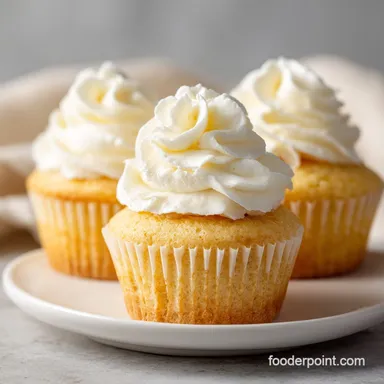
Moist Vanilla Cupcakes Recipe: Silky Crumb
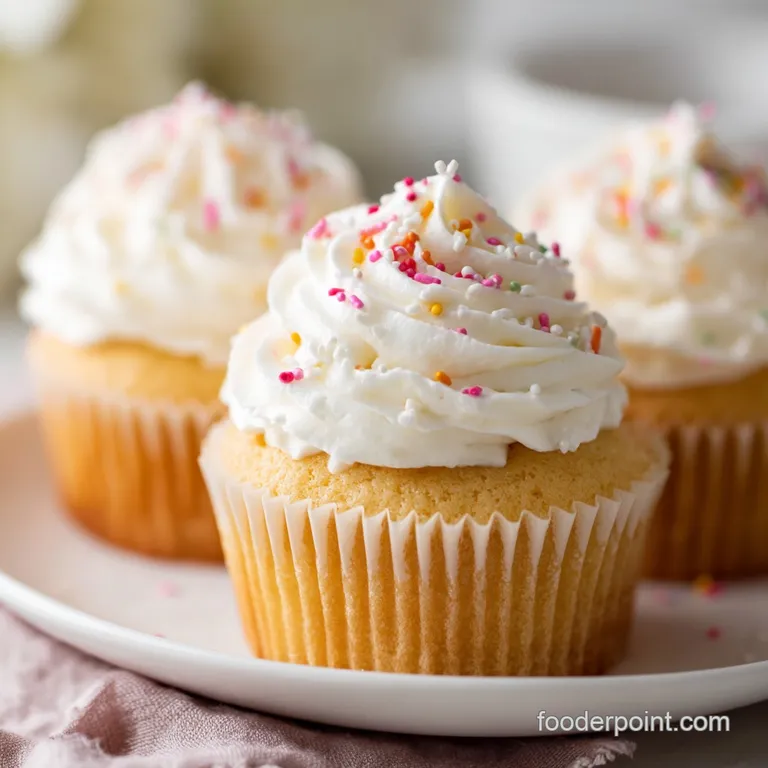
- Time: Active 15 minutes, Passive 18 minutes, Total 33 minutes
- Flavor/Texture Hook: Silky, melt away crumb
- Perfect for: Birthday parties or weekend treats
- Secrets to This Moist Vanilla Cupcakes Recipe
- Why These Stay Soft Longer
- Baking Times and Yield Details
- Selecting Your Baking Components
- Essential Kitchen Tools Needed
- Mastering the Baking Process
- Troubleshooting Common Baking Mishaps
- Fun Variations and Substitutions
- Storing Your Vanilla Treats
- Serving Your Sweet Creations
- Myths About Cupcake Baking
- Recipe FAQs
- 📝 Recipe Card
Secrets to This Moist Vanilla Cupcakes Recipe
The scent of warm vanilla bean hitting a hot oven is probably my favorite smell in the world. It reminds me of the first time I actually got this recipe right, after years of baking "vanilla rocks" that were so dry they practically turned to dust in your mouth.
I remember standing in my tiny kitchen, clutching a crumpled piece of paper, and finally realizing that the secret wasn't more butter it was the oil and buttermilk working together.
We've all been there, staring at a tray of sunken or crumbly cakes, wondering where it went wrong. This version is my "forever" recipe because it doesn't rely on luck. It’s about the chemistry of how the fat coats the flour, and honestly, the result is so plush you might never go back to a box mix again.
It’s simple, it’s reliable, and it makes the whole house smell like a high end French bakery.
You aren't just making a snack; you're creating a little moment of joy. When you pull these out, the tops should have a slight sugary shatter before giving way to a sponge that feels like a cloud. Let's walk through exactly how to get that result every single time without the stress of a professional pastry kitchen.
Why These Stay Soft Longer
Lipid Coating: Using oil instead of just butter ensures the flour particles are coated in fat that stays liquid at room temperature, preventing the cake from feeling tough or dry.
Acidity Interaction: The lactic acid in the buttermilk reacts with the baking powder to create a massive lift, resulting in a crumb that is light rather than dense.
Protein Stabilization: The addition of a whole egg provides just enough structure to hold the air bubbles without making the texture rubbery or bread like.
| Aspect | Classic Method | Fast Method |
|---|---|---|
| Fat Type | Creamed Butter | Neutral Oil |
| Texture | Dense, Pound cake like | Velvety, Light sponge |
| Shelf Life | Best on day one | Stays soft for 3 days |
Baking Times and Yield Details
| Servings | Flour & Sugar | Pan Size | Bake Time |
|---|---|---|---|
| 6 Cupcakes | 95g Flour, 75g Sugar | 6 cup Tin | 16-18 minutes |
| 12 Cupcakes | 190g Flour, 150g Sugar | 12 cup Tin | 18-20 minutes |
| 24 Cupcakes | 380g Flour, 300g Sugar | Two 12 cup Tins | 20-22 minutes |
If you want a different texture, you can experiment with the base. For example, similar to how we adjust moisture in our Fluffy Pancakes From recipe, the ratio of liquid to dry here is tight. If you find the batter too thin, don't worry; it's meant to be pourable to ensure that "melt in-your mouth" feel.
Selecting Your Baking Components
| Ingredient | Science Role | Pro Secret |
|---|---|---|
| 120ml Buttermilk | Tenderizer | Shake the carton well to distribute the milk solids before measuring. |
| 80ml Neutral Oil | Moisture Lock | Use grapeseed oil for the cleanest flavor profile possible. |
| 1.5 tsp Baking Powder | Leavening | Test its freshness by dropping a pinch in hot water; it should fizz instantly. |
| 1 tbsp Vanilla Extract | Flavor Depth | Always use pure extract; imitation lacks the complex floral notes needed here. |
1. Dry Ingredients for Foundation
- 190g all purpose flour: Provides the essential structure.
- 150g granulated sugar: Sweetens and holds moisture.
- 1.5 tsp baking powder: The primary lifting agent.
- 0.5 tsp fine sea salt: Balances the sugar and enhances the vanilla bean. Why this? Salt is the unsung hero that makes vanilla taste "expensive" rather than just sweet.
2. Wet Ingredients for Moisture
- 120ml full fat buttermilk: Provides tang and extreme tenderness. Why this? The high acidity breaks down gluten for a softer bite.
- 80ml neutral oil: Keeps the cake moist even when refrigerated.
- 1 large egg: Binds everything together.
- 1 tbsp pure vanilla extract: The heart of the flavor profile.
3. Light Silk Frosting Components
- 115g low-fat cream cheese: Adds a subtle tang and creamy base.
- 120g powdered sugar: Sifted to ensure a smooth, grit free finish.
- 1 tsp vanilla bean paste: Provides those beautiful black speckles and intense aroma.
Essential Kitchen Tools Needed
1. Two Essential Baking Tools
- Standard 12 cup muffin tin: Look for heavy gauge steel for even heat distribution.
- Fine mesh sieve: Essential for sifting the powdered sugar and flour to prevent lumps.
Chef's Tip: Freeze your cupcake tin for 5 minutes before lining it. This tiny temperature drop helps the edges of the cupcakes set more slowly, giving you a flatter top that is much easier to frost.
Mastering the Baking Process
1. The Dry Aeration Phase
Whisk together 190g all purpose flour, 150g sugar, 1.5 tsp baking powder, and 0.5 tsp salt in a large bowl. Whisk for at least 30 seconds until the mixture looks aerated and light. This replaces the need for sifting and ensures the leavening is perfectly distributed.
2. The Emulsion Integration Steps
In a separate jug, combine 120ml buttermilk, 80ml oil, 1 egg, and 1 tbsp vanilla extract. Whisk vigorously until the egg is completely incorporated and no oil streaks remain. Note: This creates a stable emulsion that prevents the batter from breaking during the final mix.
3. The Precision Bake Phase
Pour the wet ingredients into the dry. Fold gently with a spatula until no dry streaks remain, but do not overmix. Overworking the batter here is the number one cause of tough cupcakes. Fill the liners about two thirds full to leave room for the rise.
Bake at 175°C for 18 minutes until a toothpick comes out clean and the kitchen smells like toasted sugar. While they cool, whip the 115g cream cheese, 120g powdered sugar, and 1 tsp vanilla bean paste together. Beat until it's velvety and holds a soft peak. Much like the technique in our Chewy Chocolate Chip Cookies recipe, temperature is everything here make sure your cream cheese isn't too cold or it will clump.
Troubleshooting Common Baking Mishaps
1. Why Did Cupcakes Sink?
If your cupcakes look like little craters, the culprit is usually the oven door. Opening it too early causes a sudden temperature drop before the structure has set. Another reason is over beating the eggs, which traps too much air that then collapses.
2. Why Do Liners Peel?
This is a classic frustration! It usually happens because of moisture. If you leave the cupcakes in the hot tin for too long, steam builds up between the paper and the cake, causing the glue in the paper to fail. Move them to a wire rack immediately after the initial 5 minute cool.
3. Coarse and Dry Crumbs
If the texture reminds you of a muffin rather than a cake, you probably used too much flour. Always weigh your ingredients in grams. Even a few extra grams of flour can soak up the moisture provided by the oil and buttermilk.
| Problem | Root Cause | Solution |
|---|---|---|
| Peeling Liners | Steam trapped in tin | Move to wire rack after 5 minutes |
| Dense Texture | Cold ingredients | Use room temperature buttermilk and eggs |
| Burnt Bottoms | Dark baking pan | Use a light colored tin or double stack pans |
Common Mistakes Checklist
- ✓ Check baking powder expiration (replace every 6 months)
- ✓ Use room temperature liquids (prevents the batter from curdling)
- ✓ Do not overfill the liners (aim for 2/3 full only)
- ✓ Preheat the oven for at least 20 minutes before baking
- ✓ Sift the powdered sugar for the frosting (prevents "gritty" icing)
Fun Variations and Substitutions
Adjusting a recipe is half the fun of baking. If you’re in the mood for something richer, you might enjoy the techniques used in a Fudgy Brownies From recipe, where we focus on dense fat ratios. For these cupcakes, keep changes minimal to protect the crumb.
1. Two Creative Flavor Twists
- Lemon Vanilla: Add the zest of two lemons to the sugar before whisking. The oils in the zest will infuse the entire cake with a bright, citrusy punch.
- Almond Cloud: Replace 1 tsp of the vanilla extract with 0.5 tsp of almond extract. This creates a wedding cake flavor that is absolutely irresistible.
2. Two Simple Diet Swaps
| Original Ingredient | Substitute | Why It Works |
|---|---|---|
| Buttermilk (120ml) | Milk + 1 tsp Lemon Juice | The acid curdles the milk, mimicking buttermilk's tenderizing properties. |
| All purpose Flour | 1:1 gluten-free Blend | Most blends contain xanthan gum which provides the necessary "stretch." Note: Crumb may be slightly grittier. |
Storing Your Vanilla Treats
1. Tips for Lasting Freshness
These cupcakes are surprisingly hardy. You can keep them at room temperature in an airtight container for up to 2 days. Because the frosting contains cream cheese, if your kitchen is warm, move them to the fridge. They will stay fresh in the refrigerator for up to 5 days.
2. Freezing and Thawing
You can freeze the unfrosted cakes for up to 3 months. Wrap each one tightly in plastic wrap and then place them in a freezer bag. To serve, let them thaw at room temperature for an hour before frosting. This is a great trick for party prep!
Serving Your Sweet Creations
1. Two Perfect Pairing Ideas
- Fresh Berries: The tang of a fresh raspberry or strawberry cuts through the sweetness of the vanilla bean paste perfectly.
- Sparkling Wine: If you’re serving these at a brunch, a crisp Prosecco highlights the floral notes of the vanilla extract.
2. Creating the Perfect Swirl
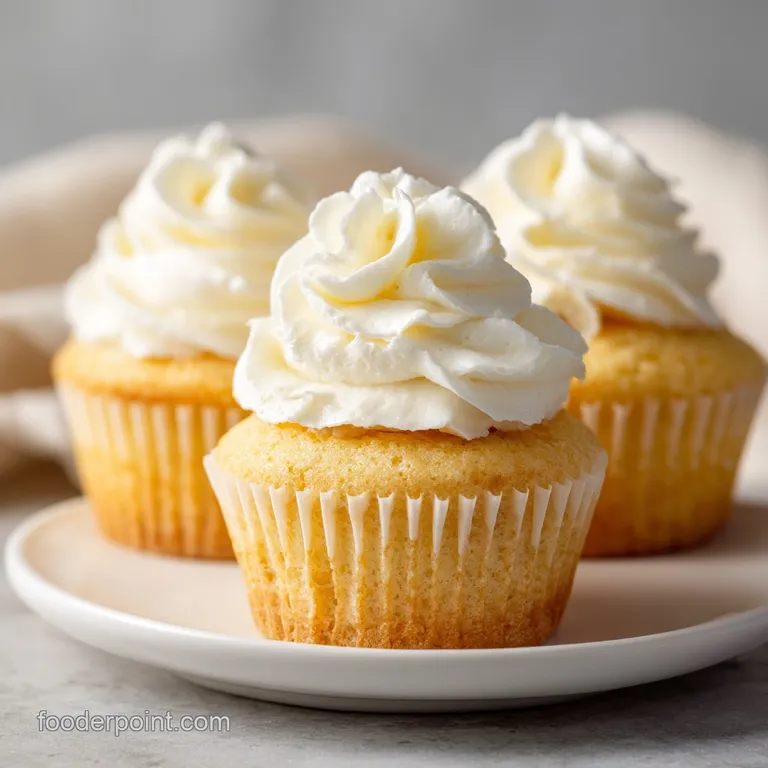
When frosting, start from the outside edge of the cupcake and spiral inward and upward. This creates that classic bakery look. If the frosting feels too soft, pop it in the fridge for 10 minutes to firm up the cream cheese.
Decision Shortcut If you want a whiter cake, use only the egg white and add an extra tablespoon of buttermilk. If you want a richer flavor, brown your butter and let it cool before substituting it for the oil.
If you want maximum aroma, scrape a fresh vanilla bean directly into the sugar.
Myths About Cupcake Baking
A very common myth is that you must cream butter and sugar for a long time to get a light cupcake. In reality, that often leads to a "tunnels" in your cake or a crumb that is too open. This oil based method provides a much more consistent, velvety texture that doesn't rely on the mechanical aeration of butter.
Another misconception is that "low-fat" substitutions won't affect the bake. In this moist vanilla cupcakes recipe, the fat is functional. If you use fat free buttermilk or a low-fat egg substitute, the cupcakes will lack that signature "shatter" on the top and will likely dry out within a few hours.
Stick to full fat for the best experience.
Finally, many people believe that "pure vanilla" is always better than "vanilla bean paste." While both are great, the paste contains the actual seeds and a slightly syrupy consistency that adds a visual elegance you just can't get with liquid extract alone.
For a special occasion, the paste is always worth the small extra investment.
Recipe FAQs
What is the secret to a moist cupcake?
Use oil instead of only butter. Oil remains liquid at room temperature, coating the flour particles and preventing the crumb from setting up dry and tough.
What is the secret ingredient for the best cupcakes?
Buttermilk is the key. The lactic acid in buttermilk tenderizes the gluten structure, resulting in an incredibly plush and soft texture that lasts longer.
What do bakers add in cupcakes to keep moist?
Bakers rely on balanced lipids and acid. The combination of neutral oil for long term moisture retention and buttermilk for tenderness is superior to just relying on creaming butter.
What makes cupcakes light and fluffy?
Properly distributed leavening agents. Whisking the dry ingredients for 30 seconds ensures the baking powder is evenly spread to create uniform lift without over mixing the batter.
How to prevent my vanilla cupcakes from developing tunnels?
Fold the batter gently right at the end. Stop mixing the second you see no dry flour streaks left; overworking develops gluten, leading to large, unpleasant air pockets or tunnels.
Should I substitute the oil for more butter?
No, do not substitute the full oil amount with butter. Butter is solid when cool, which yields a firmer cake, whereas this recipe relies on liquid oil to maintain a velvety, melt away crumb for days.
Is it necessary to use room temperature buttermilk?
Yes, room temperature liquids emulsify better. Cold ingredients can cause the batter to curdle when combined with the oil, leading to a less stable structure and potentially a dense final product.
Moist Vanilla Cupcakes Recipe