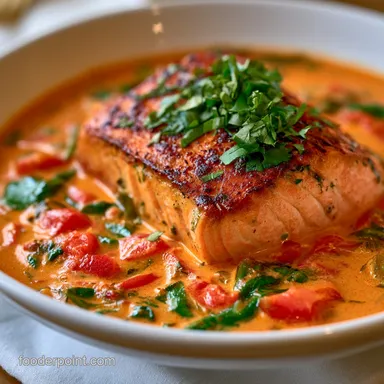
Healthy Thai Coconut Salmon Curry: Silky
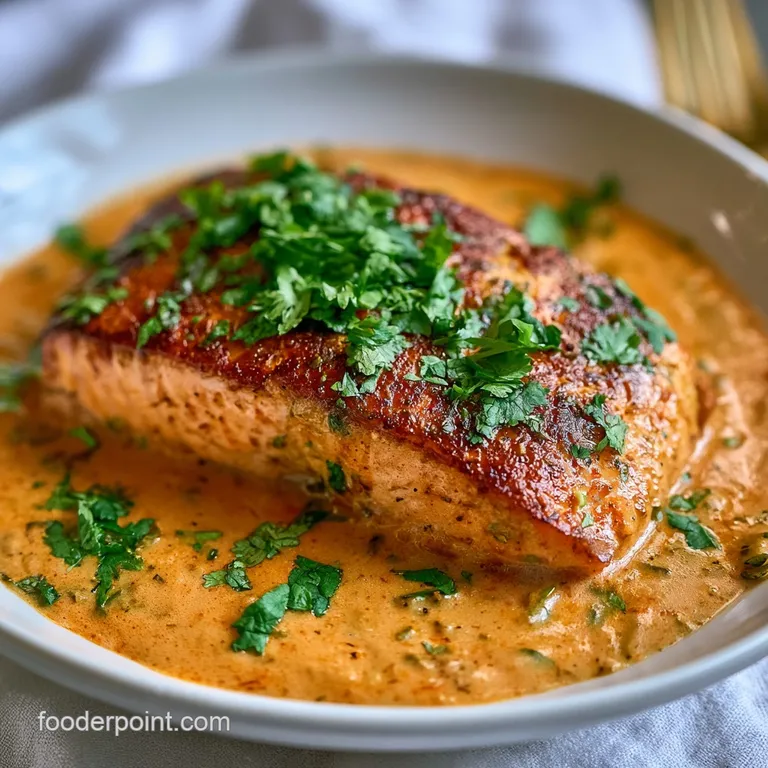
- Time: 10 min prep + 20 min cook = Total 30 mins
- Flavor/Texture Hook: Silky coconut sauce with a golden, flaky salmon crust
- Perfect for: A healthy, fast dinner that feels fancy
- Quick and Creamy Salmon Coconut Curry
- The Secrets Behind the Flavor
- Component Analysis
- The Core Ingredient List
- Cooking Steps for Success
- Fixing Common Curry Issues
- Troubleshooting Common Issues
- Adjusting the Portion Size
- Busting Curry Myths
- Storage Guidelines
- Best Side Dish Pairings
- Recipe FAQs
- 📝 Recipe Card
The smell of toasted red curry paste hitting hot oil is a sensory trigger that immediately takes me back to a small street stall in Chiang Mai. I remember watching the cook toss handfuls of fresh galangal and lemongrass into a wok, the aroma filling the humid air with something sharp, sweet, and spicy all at once.
That's where the soul of a real Thai curry lives, in that precise balance of salty fish sauce and creamy coconut.
For a long time, I thought making a Salmon Coconut Curry at home required a trip to a specialty market for ingredients I couldn't pronounce. But after spending a few years experimenting in my own kitchen, I realized that the secret isn't having every single rare root, but knowing how to layer the flavors you already have.
This version is all about efficiency without sacrificing that authentic, punchy profile. We're focusing on a over high heat sear to get that golden crust on the fish, then letting it gently finish in a fragrant, velvety sauce.
It's a balanced way to get your omega-3s and healthy fats in one go, and honestly, it's much cheaper than ordering takeout.
Quick and Creamy Salmon Coconut Curry
When you first dive into this Salmon Coconut Curry, the goal is to hit four main taste notes: salty, sweet, sour, and spicy. In Thai cooking, these aren't just flavors, they're pillars. If the dish feels "flat," it's usually because one of these is missing.
Adding that final squeeze of lime juice at the end isn't just a garnish, it's the key that unlocks all the other flavors.
I've found that using a full fat coconut milk is non negotiable here. I once tried a light version to be "healthy," but the sauce lacked that luxurious, mouth coating quality that makes a curry feel satisfying.
Since salmon is already a lean ish protein, the fat from the coconut milk actually helps the fish stay moist and prevents it from drying out during the final simmer.
One thing to keep in mind is the heat of your curry paste. Brands vary wildly. If you're using a very potent paste, start with two tablespoons instead of three. You can always stir in more at the end, but you can't take the heat out once it's integrated into the coconut milk.
This recipe is designed to be a crowd pleaser, meaning it's flavor packed but not overwhelmingly spicy.
The Secrets Behind the Flavor
Searing for Texture: Cooking the salmon skin side down first creates a barrier that prevents the fish from falling apart in the sauce. It also develops a concentrated flavor that cuts through the richness of the coconut.
Fat Soluble Aromatics: Sautéing the curry paste in coconut oil before adding liquid releases the essential oils in the spices. This makes the flavor deeper and more pervasive throughout the whole dish.
Acidic Balance: The lime juice added at the very end prevents the coconut milk from tasting too "heavy" or cloying. According to Serious Eats, adding acids at the end of cooking preserves their bright, volatile notes.
Protein Protection: Removing the fish after the initial sear and adding it back at the end prevents overcooking. This ensures the salmon stays flaky rather than becoming rubbery.
| Method | Time | Texture | Best For |
|---|---|---|---|
| Fresh Salmon | 30 mins | Flaky & Firm | Gourmet dinner |
| Frozen Salmon | 35 mins | Softer | Budget meal prep |
| Poached | 25 mins | Very Tender | low-fat preference |
Component Analysis
| Ingredient | Science Role | Pro Secret |
|---|---|---|
| Red Curry Paste | Flavor Base | Fry it in oil first to "wake up" the spices |
| Full fat Coconut Milk | Emulsifier | Shake the can well to mix the cream and water |
| Fish Sauce | Umami Boost | Use a high-quality brand for a cleaner saltiness |
| Lime Juice | Brightness | Add only after heat is turned off to keep it fresh |
The Core Ingredient List
For the protein, you'll need 1.5 lb salmon fillets. Why this? Provides a rich, buttery contrast to the spice. If you're on a budget, frozen wild caught fillets work great, just thaw them completely and pat them very dry.
For the searing and sautéing, I use 1 tbsp avocado oil Why this? High smoke point prevents burning and 1 tbsp coconut oil Why this? Adds a subtle tropical aroma.
The sauce requires 3 tbsp Thai red curry paste, 3 cloves of minced garlic, and 1 tbsp grated fresh ginger. Why this? Fresh ginger has a zing that powdered ginger lacks.
For the bulk and texture, add 1 medium red bell pepper, thinly sliced, and 1 cup snap peas. Why this? They provide a necessary crunch against the soft fish.
To finish the Salmon Coconut Curry, you'll need: - 13.5 oz full fat coconut milk - 1 tbsp fish sauce - 1 tbsp honey - 1 tbsp fresh lime juice - 1 tsp sriracha - 1/2 tsp sea salt - 1/4 tsp black pepper
Smart Ingredient Swaps
If you don't have everything on hand, don't sweat it. This is a flexible dish.
| Original Ingredient | Substitute | Why It Works |
|---|---|---|
| Avocado Oil | Grapeseed Oil | Similar high smoke point. Note: Neutral flavor |
| Honey | Brown Sugar | Similar sweetness and viscosity. Note: Slightly more molasses taste |
| Snap Peas | Broccoli Florets | Same crunch and color. Note: May need 2 extra mins to cook |
| Fish Sauce | Soy Sauce | Provides salt and umami. Note: Lacks the pungent depth of fish sauce |
Since this is a budget friendly approach, remember that you can often find red curry paste in bulk or use a generic brand and spruce it up with a bit of extra garlic and ginger. If you're looking for other ways to use coconut milk in your meal prep, you might enjoy my Thai Chicken Curry Soup, which uses a similar base but is lighter.
Cooking Steps for Success
Pat the salmon fillets completely dry with paper towels. Season both sides evenly with 1/2 tsp sea salt and 1/4 tsp black pepper. Note: Dry skin is the only way to get a real sear.
Heat 1 tbsp avocado oil in a 12 inch skillet over medium high heat until shimmering. Place salmon fillets skin side down and press lightly for 10 seconds. Sear for 3–4 minutes per side until a golden crust forms, remove to a plate and set aside.
Reduce heat to medium. Add 1 tbsp coconut oil, then sauté 3 tbsp red curry paste, 3 cloves minced garlic, and 1 tbsp grated ginger for 2 minutes until the mixture is fragrant and bubbling.
Toss in the sliced red bell pepper and 1 cup snap peas. Stir for 3 minutes until the peppers are slightly softened but still bright.
Whisk in 13.5 oz coconut milk, 1 tbsp fish sauce, and 1 tbsp honey. Bring to a gentle simmer. Note: Avoid a rolling boil, which can cause the coconut milk to separate.
Stir in 1 tbsp lime juice and 1 tsp sriracha. Nestle the seared salmon back into the sauce.
Simmer for another 2–3 minutes, spooning the sauce over the fish, until the salmon flakes easily with a fork.
Remove from heat immediately. Let it rest for 2 minutes in the pan before serving to allow the juices to redistribute.
Chef's Tip: If you want a deeper flavor, add a pinch of turmeric or a teaspoon of tomato paste when sautéing the curry paste. It adds a rich, orange hue and a subtle earthy depth that makes the Salmon Coconut Curry look professional.
Fixing Common Curry Issues
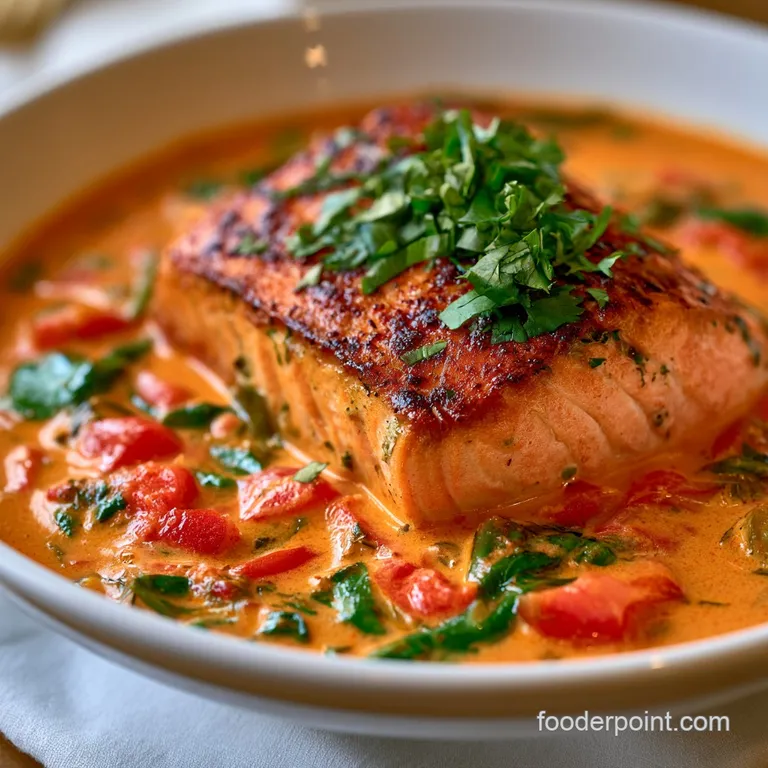
The most common issue people have with this Salmon Coconut Curry is the texture of the fish. Because salmon cooks quickly, it's easy to overdo it. If the fish is too dry, you likely left it in the simmering sauce for too long.
Troubleshooting Common Issues
| Issue | Solution |
|---|---|
| Why Your Salmon is Dry | This usually happens due to carry over cooking. The fish continues to cook even after you remove it from the heat. To avoid this, take the salmon out when it's just barely underdone in the center. |
| Why Your Sauce is Thin | If the sauce feels too watery, you might have used "light" coconut milk or didn't simmer it long enough. A gentle simmer for a few minutes helps the liquid reduce and thicken. |
| Why Your Curry is Too Spicy | If the red curry paste was too hot, don't panic. Adding more coconut milk or a bit more honey can neutralize the heat. A dollop of Greek yogurt on top when serving also helps. |
Common Mistakes Checklist
- ✓ Did you pat the salmon completely dry?
- ✓ Did you sear the fish before adding the sauce?
- ✓ Did you avoid boiling the coconut milk vigorously?
- ✓ Did you add the lime juice at the very end?
- ✓ Did you check the salmon for flakiness rather than relying solely on a timer?
Adjusting the Portion Size
When you're making a Salmon Coconut Curry for a crowd or just for yourself, you can't always just multiply everything.
Scaling Down (for 2 people): Use 0.75 lb of salmon and half the vegetables. Reduce the coconut milk to one small can (approx 7 oz). Use a smaller 8 inch skillet to ensure the sauce doesn't evaporate too quickly.
Reduce the simmering time by about 20% because the smaller volume of liquid heats up faster.
Scaling Up (for 6-8 people): I recommend working in batches for the salmon. If you crowd the pan, the fish will steam instead of sear, and you'll lose that golden crust. For the sauce, double the vegetables and coconut milk, but only increase the salt and sriracha by 1.5x.
Taste as you go, as spices can become overwhelming when scaled linearly.
| Scale | Salmon Amount | Pan Size | Cooking Tip |
|---|---|---|---|
| Single | 6 oz | Small Skillet | Watch carefully, cooks very fast |
| Double | 3 lb | Two Large Skillets | Sear salmon in two batches |
| Half | 0.75 lb | 8 inch Pan | Reduce liquid simmer time |
If you find yourself with extra coconut milk after making this, you can freeze it in ice cube trays. These are great for adding a creamy hit to a morning smoothie or a quick soup.
Busting Curry Myths
One big misconception is that you need to simmer curry for hours to get a deep flavor. While that's true for some Indian stews, Thai curries are designed to be fresh and vibrant. A long simmer actually kills the brightness of the lime and the snap of the vegetables.
Another myth is that you have to remove the skin from the salmon. In this Salmon Coconut Curry, the skin is your best friend. It protects the flesh from the heat and provides a textural contrast that makes the dish feel more complete.
Finally, some people think fish sauce is "too fishy." In reality, once it's mixed with coconut milk and lime, that pungency disappears, leaving behind a salty, savory depth that you just can't get from table salt alone.
Storage Guidelines
This Salmon Coconut Curry is best eaten fresh, but it does keep well if you're meal prepping for the week.
Fridge Storage: Store in an airtight container for up to 3 days. The sauce may thicken in the fridge, which is normal.
Freezing: I don't recommend freezing the finished dish. The salmon can become grainy, and the coconut milk can separate. However, you can freeze the curry base (everything except the fish and snap peas) for up to 2 months. Just thaw it, simmer, and add fresh seared salmon.
Reheating: Avoid the microwave if possible, as it can overcook the fish in seconds. Instead, gently warm it in a pan over low heat. Add a tablespoon of water or coconut milk to loosen the sauce.
Zero Waste Tip: Don't throw away the stems of the cilantro or parsley you use for garnish. Finely chop them and stir them into the sauce during step 5 for extra flavor. If you have leftover red bell pepper, slice it thin and use it as a raw garnish for a bit of fresh crunch.
Best Side Dish Pairings
To make the most of the sauce in this Salmon Coconut Curry, you need something that can soak up that velvety liquid.
The Classic Route: Jasmine rice is the gold standard. Its slight floral aroma complements the coconut milk without fighting for attention. For a healthier twist, cauliflower rice works well, though it doesn't absorb the sauce as effectively.
The Low Carb Route: Serve the curry over a bed of sautéed baby spinach or steamed bok choy. The bitterness of the greens cuts through the richness of the fish and cream.
The Bold Route: If you want something with a bit more kick, try serving this alongside a side of spicy cucumber salad. The coolness of the cucumber and the tang of rice vinegar provide a refreshing break from the warmth of the curry. If you're feeling adventurous with sauces, a side of Cajun Remoulade might seem odd, but its creamy, zesty profile actually works as a dipping sauce for the seared salmon pieces.
Right then, you've got everything you need to nail this dish. Just remember to keep that pan hot for the sear and don't skip the lime juice at the end. Trust me on this, it's the difference between a "good" dinner and one that makes your house smell like a Thai bistro. Let's crack on!
Recipe FAQs
Does salmon go with coconut curry?
Yes, perfectly. The richness of the coconut milk balances the fatty oils of the salmon, while the red curry paste adds a necessary brightness.
What curry goes well with salmon?
Thai red curry is the best choice. Its blend of chilies, garlic, and ginger complements the fish without overpowering its natural flavor.
How to cook salmon for diabetics?
Prioritize the fiber rich vegetables. Increase the portion of snap peas and red bell peppers to help offset the glycemic impact of the honey and coconut milk.
What are common mistakes when making coconut curry?
Using light coconut milk or overcooking the fish. Light coconut milk results in a thin sauce, and ignoring carry over cooking leaves the salmon dry.
Why does the sauce sometimes turn out too thin?
You likely used light coconut milk or didn't simmer long enough. A gentle simmer for a few minutes allows the liquid to reduce and thicken naturally.
Can I serve this with something other than rice?
Yes, cauliflower rice or quinoa are healthy alternatives. For another nutrient dense seafood dinner, try our sheet pan salmon.
Is it true that I must freeze the entire dish for meal prep?
No, this is a common misconception. Freezing the finished curry makes the salmon grainy; instead, freeze only the curry base and add fresh seared salmon when reheating.
Salmon Coconut Curry