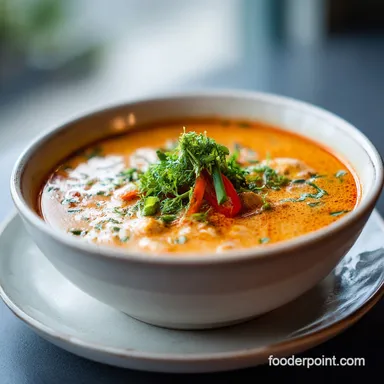
20 Minute Thai Chicken Curry Soup with Coconut Milk
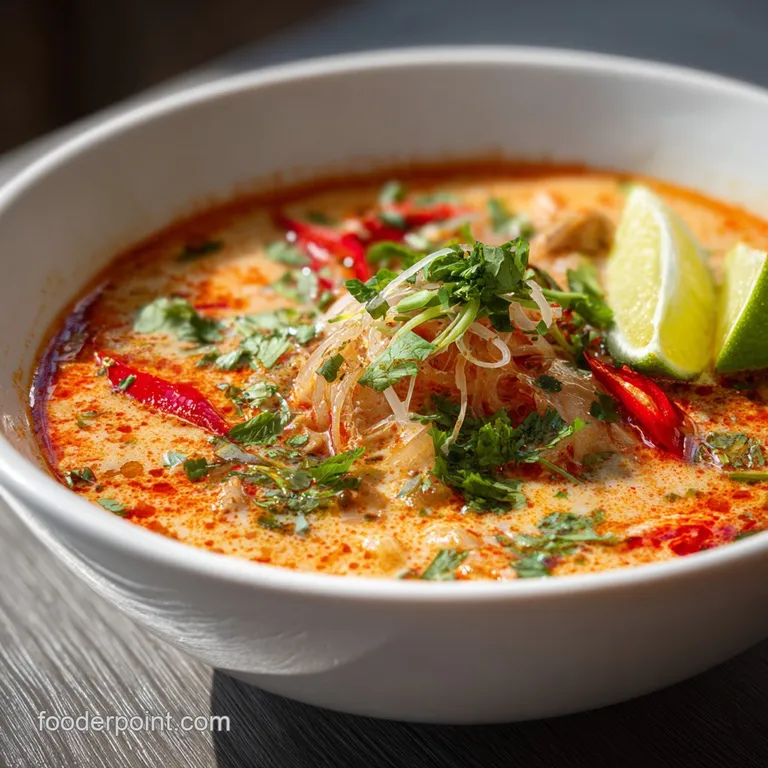
- Time: Active 10 mins, Passive 10 mins, Total 20 mins
- Flavor/Texture Hook: Velvety coconut broth with a zesty lime finish
- Perfect for: Busy weeknights when you crave vibrant, hearty comfort
- Enjoy 20 Minute Thai Chicken Curry Soup with Coconut Milk
- Vital Kitchen Metrics for Your Fast Thai Soup
- The Simple Ingredients for a Fragrant Curry Base
- The Best Tools for Creating Silky Thai Soup
- Cooking Steps for This Creamy Coconut Chicken Soup
- Fixing Flavor Flaws in Your Thai Curry Broth
- Easy Swaps for Different Dietary Needs and Tastes
- The Best Ways to Store and Reheat Leftovers
- Great Dishes to Serve With Your Thai Soup
- Very High in Sodium
- Recipe FAQs
- 📝 Recipe Card
Enjoy 20 Minute Thai Chicken Curry Soup with Coconut Milk
The kitchen currently smells like a dream, and it only took a few minutes. I remember the first time I tried making a Thai inspired soup; I just dumped everything into a pot and hoped for the best. The result was watery, gray, and honestly quite sad.
But then I learned the secret of "blooming" the paste in hot oil, and everything changed. The moment those aromatics hit the pan, you get this incredible sizzle followed by a wave of ginger and garlic that fills the room.
Whip up this flavorful 20 Minute Thai Chicken Curry Soup with Coconut Milk for a quick and satisfying meal. It’s the kind of dish that makes you feel like a pro even on a Tuesday night when you're exhausted. You don't need a massive grocery list or three hours of simmering time.
We're focusing on high impact ingredients that do the heavy lifting for us.
This recipe is all about balance. You have the richness of the coconut, the salty punch of the fish sauce, and that bright hit of lime right at the end. It’s creamy but doesn't feel heavy, and the thinly sliced chicken stays incredibly tender because we poach it gently in the broth rather than frying it to a crisp.
Trust me, once you see how easy this is, you'll stop looking at the takeout menus.
Vital Kitchen Metrics for Your Fast Thai Soup
The Magic of Fat Soluble Aromatics
The secret to this depth lies in the oil; many of the flavor compounds in red curry paste are fat soluble, meaning they only release their full potential when heated in fat before adding liquid.
This process, known as "blooming," transforms a raw, metallic tasting paste into a complex, fragrant base in under 60 seconds.
- Blooming: Frying the paste in neutral oil for 1 minute breaks down raw spices.
- Emulsification: Stirring the coconut milk slowly into the hot broth prevents the fat from separating.
- Carryover Heat: The chicken continues cooking for 2 minutes after the heat is off, keeping it supple.
- Acid Balance: Lime juice breaks the heavy fat molecules, making the broth feel lighter on the tongue.
| Method | Total Time | Final Texture | Best For |
|---|---|---|---|
| Stovetop | 20 mins | Light and silky | Quick weeknight dinners |
| Slow Cooker | 4 hours | Thick and concentrated | Hands off meal prep |
| Instant Pot | 15 mins | Very tender chicken | Maximum flavor extraction |
When you're in a rush, the stovetop method is unbeatable because you can control the heat levels. Much like the quick sear used in a Beef Stir Fry recipe, the goal here is high heat for the aromatics followed by a gentle simmer for the delicate proteins.
The Simple Ingredients for a Fragrant Curry Base
| Ingredient | Science Role | Pro Secret |
|---|---|---|
| Red Curry Paste | Flavor Foundation | Fry until it darkens slightly for deeper umami notes. |
| Full Fat Coconut Milk | Emulsifier & Fat | Avoid low-fat; the fat is needed to carry the spice heat. |
| Fish Sauce | Salinity & Depth | Smells strong, but the funk disappears into pure salt savory bliss. |
| Fresh Ginger | Pungent Aromatic | Grate it directly into the pan to catch all the juices. |
- 2 tbsp Neutral oil: Use grapeseed or canola. Why this? High smoke point allows the curry paste to fry without burning.
- Substitute: Coconut oil for a more intense tropical aroma.
- 3 tbsp Thai Red Curry Paste: The backbone of the heat. Why this? Provides a pre balanced mix of chilies, galangal, and shrimp paste.
- Substitute: Yellow curry paste for a milder, sweeter profile.
- 1 tbsp Fresh ginger, grated: Essential for zest. Why this? Adds a sharp, spicy bite that cuts through the creamy coconut.
- Substitute: 1 tsp ground ginger (though fresh is much better).
- 3 Garlic cloves, minced: For savory depth. Why this? Acts as a bridge between the spicy paste and the salty broth.
- Substitute: 1 tsp garlic powder added to the liquid.
- 1 stalk Lemongrass, bruised: The floral citrus note. Why this? Releases essential oils that give the soup its "authentic" Thai scent.
- Substitute: 1 tsp lemon zest if you can't find fresh stalks.
- 14 oz Full fat coconut milk: For the velvety mouthfeel. Why this? The high fat content prevents the soup from feeling thin or watery.
- Substitute: Cashew cream for a different kind of richness.
- 3 cups Low sodium chicken broth: The liquid volume. Why this? Low sodium gives you control over the final saltiness from the fish sauce.
- Substitute: Vegetable broth for a lighter, cleaner finish.
- 2 tbsp Fish sauce: The secret salty weapon. Why this? Provides a complex saltiness that plain table salt cannot replicate.
- Substitute: Soy sauce or tamari for a vegan friendly salt source.
- 1 tbsp Coconut sugar: For balance. Why this? Mellows the heat of the chilies and the salt of the fish sauce.
- Substitute: Light brown sugar or maple syrup.
- 1 lb Chicken breast, sliced into thin strips: Our lean protein. Why this? Slicing thin ensures it cooks in exactly 3 minutes without drying out.
- Substitute: Shelled shrimp or firm tofu cubes.
- 1 Red bell pepper, thinly sliced: For crunch and color. Why this? Adds a natural sweetness that complements the spicy broth.
- Substitute: Snap peas or sliced carrots.
- 1 cup Shiitake mushrooms, sliced: For earthy umami. Why this? Their sponge like texture soaks up the spicy curry broth perfectly.
- Substitute: Button mushrooms or oyster mushrooms.
- 1 tbsp Fresh lime juice: The "brightener." Why this? Acid is mandatory to wake up the flavors right before serving.
- Substitute: Rice vinegar in a pinch.
- 0.5 cup Fresh cilantro, chopped: For freshness. Why this? Adds a herbal top note that balances the cooked spices.
- Substitute: Thai basil for a more anise forward flavor.
- 2 Scallions, thinly sliced: For a mild onion bite. Why this? Adds texture and a pop of green to the final bowl.
- Substitute: Finely diced red onion.
The Best Tools for Creating Silky Thai Soup
You don't need much, but a heavy bottomed pot is your best friend here. I usually reach for my 5 quart Dutch oven because it holds heat so consistently. This prevents the broth from dropping in temperature when you add the cold chicken and vegetables.
A microplane or fine grater is also a lifesaver for the ginger and garlic. You want them to be almost a paste so they melt into the oil. If you have a mortar and pestle, you can use it to bruise the lemongrass stalk, but honestly, hitting it with the back of a heavy knife or a small saucepan works just as well.
Chef's Tip: If you find your lemongrass is a bit dry, peel off the outer tough layer before bruising. This exposes the tender, fragrant heart and ensures you get every bit of that citrusy aroma into the oil.
Cooking Steps for This Creamy Coconut Chicken Soup
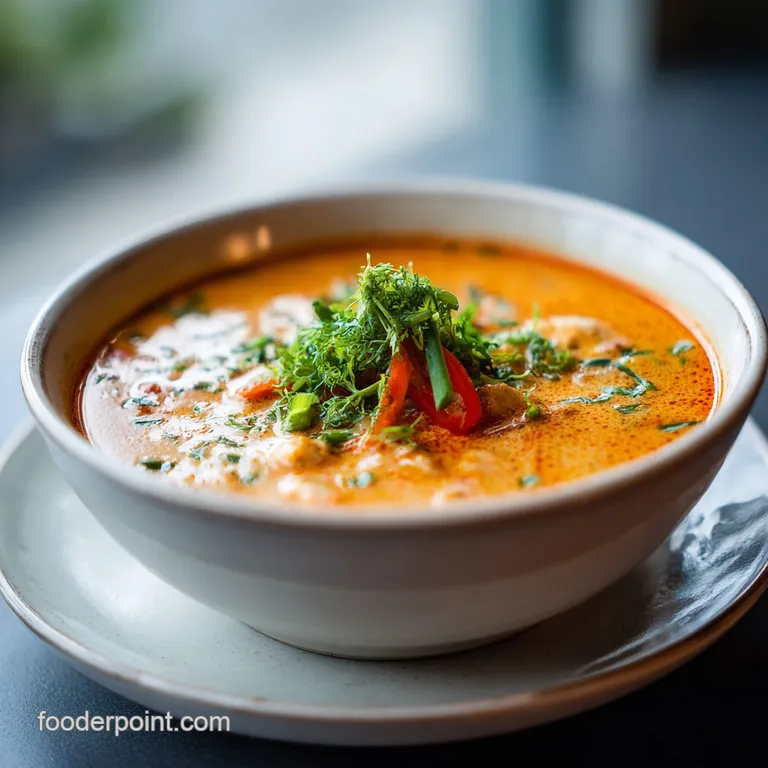
- Prep the aromatics. Peel the ginger and mince the garlic. Slice the lemongrass into 3 inch pieces and smash them with a heavy object to release the oils.
- Bloom the paste. Heat 2 tbsp neutral oil in a large pot over medium heat. Add the red curry paste, ginger, and garlic, stirring for 1 minute until the oil turns red and smells fragrant. Note: Don't let the garlic brown; we just want to soften it.
- Deglaze the pot. Pour in 3 cups chicken broth and 14 oz coconut milk. Whisk steadily until the paste is fully dissolved and the liquid is smooth.
- Infuse the broth. Add the bruised lemongrass, 2 tbsp fish sauce, and 1 tbsp coconut sugar. Bring to a gentle simmer for 5 minutes.
- Add the chicken. Slide the 1 lb sliced chicken breast into the bubbling liquid. Note: Ensure the chicken is in a single layer as much as possible for even poaching.
- Incorporate the vegetables. Add the sliced red bell pepper and shiitake mushrooms immediately after the chicken.
- Poach to completion. Simmer for 3 to 4 minutes until the chicken is opaque and the peppers are tender crisp.
- Brighten the flavors. Remove the pot from the heat. Stir in 1 tbsp lime juice and 0.5 cup fresh cilantro.
- Final seasoning check. Taste the broth. If it needs more salt, add a splash more fish sauce; if it’s too spicy, add a teaspoon more sugar.
- Garnish and serve. Ladle into bowls, discarding the lemongrass pieces. Top with sliced scallions and extra cilantro.
Fixing Flavor Flaws in Your Thai Curry Broth
Is My Soup Bland?
If the soup tastes flat, it’s usually a lack of salt or acid. Fish sauce is the salt in this recipe, but it also adds that "fifth taste" or umami. If it feels like something is missing, start with a teaspoon of fish sauce. If it still doesn't "pop," add another squeeze of lime.
The acid acts like a volume knob for all the other flavors.
Did the Milk Separate?
Coconut milk can sometimes "break," leaving oily beads on top. This usually happens if the soup boils too violently. If this happens, don't panic. You can often fix it by taking the pot off the heat and whisking in a splash of cold coconut milk or even a little heavy cream to re emulsify the fats.
Too Spicy to Eat?
Different brands of red curry paste have wildly different heat levels. If you find yours is melting your face off, add more coconut milk or a tablespoon of peanut butter. The fats in both will help coat your tongue and neutralize the capsaicin from the chilies.
| Problem | Root Cause | Solution |
|---|---|---|
| Thin Broth | Too much broth/low-fat milk | Simmer longer or add a cornstarch slurry. |
| Tough Chicken | Overcooked/Boiled too hard | Turn heat down; use a gentle simmer only. |
| Bitter Aftertaste | Burnt garlic or ginger | Add a pinch more sugar to mask the bitterness. |
Common Mistakes Checklist
- ✓ Never skip the "blooming" phase; raw curry paste tastes metallic and flat.
- ✓ Use full fat coconut milk for that velvety, rich mouthfeel.
- ✓ Don't boil the soup vigorously once the chicken is in; gentle poaching keeps it tender.
- ✓ Add the lime juice after the heat is off to keep the flavor bright and fresh.
- ✓ Bruise the lemongrass thoroughly, or you won't get any of that floral scent.
Easy Swaps for Different Dietary Needs and Tastes
If you need to feed a larger crowd, doubling this recipe is a breeze. However, when you scale up, don't simply double the curry paste right away. Start with 1.5 times the amount and taste as you go. Heat can build up quickly in a larger pot, and you don't want to overwhelm the other flavors.
Use a larger 7 quart pot and ensure your chicken strips aren't clumped together when you drop them in.
For a smaller portion, you can easily halve the ingredients. If you only have half a can of coconut milk left, just use more chicken broth and maybe a tablespoon of heavy cream to maintain that richness.
When making a smaller batch, reduce the simmer time by a minute or two, as the smaller volume of liquid will reach temperature much faster.
Make This Recipe Vegan
To turn this into a plant based powerhouse, swap the chicken for extra firm tofu or chickpeas. The biggest hurdle is the fish sauce replace it with a "no fish" sauce or a mix of soy sauce and a little mushroom powder. The shiitake mushrooms already provide a great savory base, so you won't lose much depth.
Try Green Curry Instead
If you prefer the herbal, grassy notes of green curry, simply swap the red paste for green. Green curry usually has a bit more of a "creeping" heat and pairs beautifully with green vegetables like bok choy or snap peas. Keep the rest of the steps exactly the same for a whole new flavor profile.
The Best Ways to Store and Reheat Leftovers
Storage: This soup actually tastes even better the next day as the flavors have more time to meld. Keep it in an airtight container in the fridge for up to 3 days. The coconut fat might solidify on top when cold, but it will melt right back into the broth once heated.
Freezing: You can freeze this for up to 2 months, but be warned: coconut milk can sometimes change texture after freezing, appearing slightly grainy. It’s still safe to eat and the flavor is fine, but it might not be as silky. To minimize this, whisk it well while reheating.
Zero Waste: Don't toss the cilantro stems! They have more flavor than the leaves. Finely chop them and sauté them with the ginger and garlic at the beginning. If you have leftover red bell peppers or mushrooms, they can be tossed into a Healthy Turkey Meatballs recipe for added moisture and bulk.
Great Dishes to Serve With Your Thai Soup
While this 20 Minute Thai Chicken Curry Soup with Coconut Milk is a complete meal on its own, I love serving it over a small mound of jasmine rice or rice noodles. The rice soaks up that liquid gold broth, ensuring not a single drop goes to waste.
If you want a side with a bit more crunch, a simple cucumber salad with rice vinegar and chili flakes provides a cooling contrast to the warm soup.
If you’re hosting a dinner and want a full spread, this soup works beautifully as a starter. You could follow it up with something heartier like my Creamy Tuscan Chicken recipe if you're doing a fusion night, though it’s traditionally best kept with other Southeast Asian flavors.
Honestly, the best way to enjoy this is in a big bowl, curled up on the couch, with a little extra squeeze of lime and a massive pile of fresh herbs on top. It’s fast, it’s cheap, and it feels like a total win every single time I make it. Happy cooking!
Very High in Sodium
1245 mg mg of sodium per serving (54% % of daily value)
The American Heart Association recommends limiting sodium intake to no more than 2,300mg per day for most adults. Ideally, aim for 1,500mg per day for even greater heart health benefits.
Tips to Reduce Sodium in Your Thai Red Curry
-
Broth Swap-30%
Use no-sodium or homemade chicken broth instead of low-sodium broth. This can significantly cut down on the sodium content.
-
Reduce Fish Sauce-20%
Decrease the amount of fish sauce used by half (1 tbsp instead of 2 tbsp). You can compensate for flavor with extra lime juice and a pinch of coconut sugar.
-
DIY Curry Paste-15%
Make your own Thai red curry paste. Many store-bought pastes are high in sodium. A homemade version allows you to control the ingredients and reduce sodium significantly. Use fresh herbs and spices to replace the salt.
-
Flavor Boost
Enhance the flavor with fresh herbs and spices instead of relying on salt. Increase the amounts of ginger, garlic, lemongrass, lime juice, cilantro and scallions.
Recipe FAQs
Can I make this soup ahead of time?
Yes, it is highly recommended. The flavors deepen overnight as the spices continue to infuse the coconut milk. Store it in an airtight container in the refrigerator for up to three days.
How do I prevent the coconut milk from separating or breaking?
Never allow the soup to come to a rapid, rolling boil. Heat the coconut milk gently and whisk constantly when first adding it to the broth. If it does separate, whisk in a splash of cold liquid or heavy cream off the heat to help it re-emulsify.
What is the proper way to maximize the flavor from the curry paste?
Bloom the paste in hot oil first. Heat the paste with the ginger and garlic for about one minute until the oil turns red and the aroma intensifies. This fat-soluble activation releases the deep spice notes instead of tasting raw.
How can I make this recipe vegetarian?
Substitute the chicken and fish sauce. Use firm tofu or chickpeas instead of chicken, and swap the fish sauce for soy sauce or tamari for saltiness. The shiitake mushrooms already lend a great savory depth, similar to what you find in a good Ground Beef Orzo Recipe.
Is it true that the chicken will become tough if I stir it too much?
No, the texture depends primarily on cooking time, not stirring. Slice the chicken thinly and cook it using a gentle poach for only 3 to 4 minutes. Vigorous stirring is fine, but letting it boil rapidly will cause the muscle fibers to seize up and toughen.
What is the role of the lime juice if I am already using sugar?
Lime juice provides necessary acid to brighten the heavy fat. Sugar balances heat, but acid cuts through the richness of the coconut milk, preventing the soup from tasting flat or heavy on the palate.
How should I adjust the recipe if I want to use shrimp instead of chicken?
Add the shrimp during the last two minutes of cooking. Shrimp cooks extremely fast and will turn rubbery if cooked for the same duration as chicken breast. If you prefer a dish with more intense creaminess, you might enjoy perfecting the emulsion technique for our Creamy Garlic Shrimp recipe.
20 Minute Thai Chicken Curry Soup