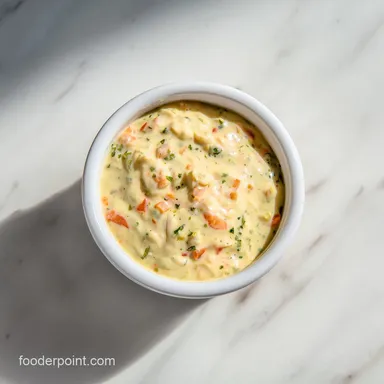
Cajun Remoulade Sauce: Creamy and Zesty
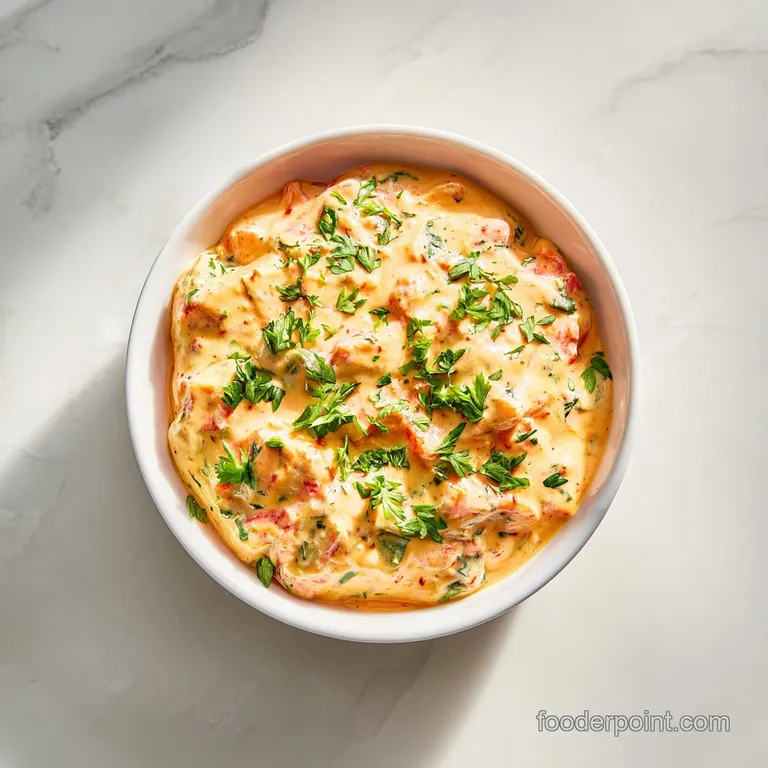
- Time: Active 10 minutes, Passive 30 minutes, Total 40 minutes
- Flavor/Texture Hook: A velvety, salmon hued cream with a punchy, vinegar forward kick and a sharp, peppery finish.
- Perfect for: Crispy seafood po' boys, pan seared crab cakes, or as a bold dip for fried green tomatoes.
- Perfecting This Zesty Cajun Remoulade Sauce Recipe
- Why This Creamy Emulsion Works
- Essential Specs for Every Batch
- Deep Dive Into Key Ingredients
- Tools for a Perfect Blend
- Step by Step Mixing Guide
- Solving Common Texture Issues
- Simple Dietary Swap Options
- Storing Your Sauce Correctly
- Plating and Serving Your Sauce
- Recipe FAQs
- 📝 Recipe Card
Perfecting This Zesty Cajun Remoulade Sauce Recipe
You have probably heard that to get a truly authentic Louisiana flavor, you need a pantry full of twenty different spices and a high speed blender to make everything smooth. Honestly, forget all of that right now.
The biggest myth in the world of Southern condiments is that a remoulade needs to be a perfectly homogenized, industrial looking paste. In reality, the best versions I have ever tasted in New Orleans dives and backyard shrimp boils were mixed by hand in a simple glass bowl. They had personality.
You could see the tiny flecks of parsley and the coarse grains of the Creole mustard. That texture is exactly what carries the flavor to your taste buds instead of just coating your tongue in heavy fat.
I remember the first time I tried to make a cajun remoulade sauce recipe for a family fish fry. I thought I was being "gourmet" by throwing everything into a food processor. What I ended up with was a pink, watery soup that had no soul and even less bite.
The heat from the blades actually started to break down the mayonnaise emulsion, and the fresh herbs turned into a muddy green blur. It was a mess. Since then, I have learned that the secret isn't in the gadgets; it's in the order you add the ingredients and the way you treat your aromatics.
We are going for a sauce that is velvety but has those little "treasure hunter" bits of capers and scallions that make every bite a bit different.
This recipe is designed for real life. It uses ingredients you can find at any local grocery store, and it takes exactly 10 minutes of active work. We are focusing on a hearty, comforting result that feels like it came out of a professional smokehouse kitchen but only required a whisk and a knife.
The balance of the horseradish and the smoked paprika creates a deep, resonant warmth rather than a sharp, stinging heat. It is a sauce that plays well with others, especially anything fried or blackened. Let's get into why this specific combination of pantry staples works so well together.
Why This Creamy Emulsion Works
Understanding the "why" behind your sauce changes the way you cook forever. This isn't just a mix of ingredients; it's a careful balance of fat, acid, and salt that creates a stable, flavorful environment.
- Fat Soluble Spice Extraction: Smoked paprika and cayenne pepper are fat soluble, meaning their flavor and color bloom much more intensely when mixed into a mayonnaise base than they would in a water based sauce.
- Acidic Structural Integrity: The lemon juice and vinegar from the mustard work to tighten the protein structure in the egg yolks of the mayo, keeping the sauce thick even after adding liquid components.
- The Cold Infusion Process: While there is no cooking involved, the 30 minute rest period allows the dried spices to rehydrate and the oils from the garlic and scallions to migrate into the fat, creating a rounded flavor profile.
- Enzymatic Bite: Prepared horseradish contains enzymes that release a pungent gas when the root is crushed; by mixing it into the cream base, we trap those volatile compounds, ensuring the sauce has a signature "nose tingle."
| Cooking Method | Preparation Time | Resulting Texture | Best For |
|---|---|---|---|
| Traditional Cold Mix | 10 minutes | Thick, creamy, with distinct bits of herbs | Most seafood, sandwiches, and dipping |
| Warm Infusion (Stovetop) | 5 minutes | Thinner, more oily, intense spice bloom | Drizzling over blackened fish or warm pasta |
| Whipped (Hand Mixer) | 3 minutes | Airy, light, mousse like consistency | Elegant appetizers or delicate crab meat |
While most people stick to the cold mix, some old school cooks swear by a quick warm infusion. They'll gently heat the spices in a tiny bit of oil before whisking them into the cold mayo. However, for our purposes today, the traditional cold mix is the king of reliability.
It keeps the scallions and parsley bright and snappy, which is exactly what you want when you're biting into a hot, crispy piece of fried catfish.
Essential Specs for Every Batch
When you are aiming for consistency, especially if you are feeding a crowd or prepping for a big weekend gathering, having the hard numbers helps. This recipe is built to be a reliable staple in your rotation.
I always keep a jar of this in the back of my fridge because it somehow makes even the most basic weeknight dinner feel like a special occasion.
The timing here is non negotiable if you want the best result. While you can eat it immediately, the difference between "just mixed" and "30 minute chilled" is like the difference between a rough sketch and a finished painting.
Those thirty minutes give the salt a chance to draw the moisture out of the garlic and capers, essentially seasoning the entire base from the inside out.
| Component | Measurement / Value | Note |
|---|---|---|
| Total Prep Time | 10 minutes | This includes all your mincing and whisking. |
| Total Cook Time | 0 minutes | This is a no heat recipe, making it perfect for summer. |
| Yield | 12 servings | Roughly 1.5 to 2 cups of finished sauce. |
| Serving Size | 2 tablespoons | A hearty dollop for your plate. |
| Calories per serving | 143 kcal | Based on standard high-quality mayonnaise. |
One thing I have noticed is that people often underestimate how much sauce they need. If you're doing a traditional seafood boil, you might want to double this. The carbohydrates are low, making it a great option for various dietary needs, but the flavor is high octane.
We use 2 cloves of garlic specifically because it provides a foundational hum without turning into a garlic only sauce.
Deep Dive Into Key Ingredients
The magic of this cajun remoulade sauce recipe lies in the specific types of ingredients you choose. Not all mustards are created equal, and the type of mayonnaise you use can change the entire mouthfeel of the final product.
| Ingredient | Science Role | Pro Secret |
|---|---|---|
| high-quality Mayonnaise | Primary Emulsion Base | Use a "heavy" mayo for a thicker, more stable sauce that won't run on hot food. |
| Creole Mustard | Texture and Acid | Look for brands with visible mustard seeds to add pops of texture and vinegar based tang. |
| Prepared Horseradish | Pungency Agent | Use "extra hot" if you want a classic New Orleans "kick" that clears the sinuses. |
| Smoked Paprika | Color and Depth | This provides the signature "salmon" hue and a subtle wood smoke aroma without actual heat. |
When you're shopping, try to find a Louisiana style hot sauce rather than a thick, garlicky sriracha or a fermented Mexican style sauce. The vinegar content in a brand like Crystal or Tabasco is actually a functional ingredient here it cuts through the richness of the 1 cup (240g) of mayonnaise.
If you're out of Creole mustard, you can use a grainy Dijon, but you might want to add an extra pinch of celery salt to mimic that specific Creole spice profile.
Tools for a Perfect Blend
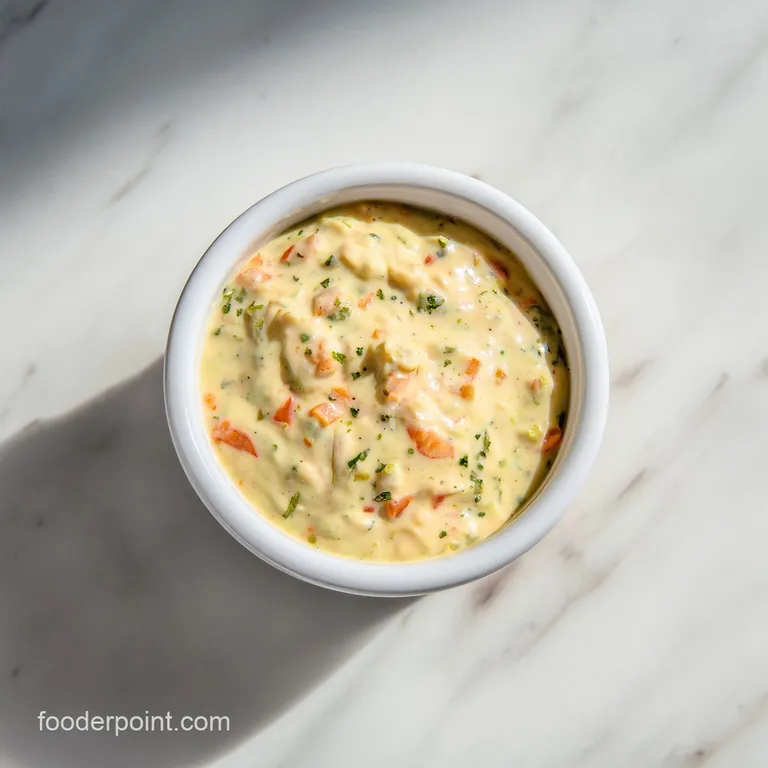
To keep things budget friendly and accessible, we are sticking to the basics. You don't need a stand mixer or even a hand blender for this. In fact, a bit of manual labor actually helps you control the texture better.
- Glass Mixing Bowl: Always use glass or stainless steel. Plastic bowls can retain odors from previous meals (no one wants onion flavored chocolate) and can sometimes react with the high acid content of the lemon and mustard.
- Whisk: A small balloon whisk is your best friend here. It helps incorporate the 1.5 tsp (4g) of smoked paprika evenly so you don't end up with clumps of spice.
- Microplane or Chef’s Knife: You need to get those 2 cloves of garlic into a paste. A microplane is faster, but the flat side of a knife and a bit of salt works just as well to grind it down.
- Sharp Knife: Essential for the 1 tbsp (15g) of fresh flat leaf parsley and the 1 tbsp (15g) of scallions. The sharper the knife, the less you "bruise" the herbs, keeping the flavors clean.
I once tried to make this at a rental cabin with a dull steak knife and a plastic cereal bowl. It worked, but it took twice as long. If you have a decent whisk and a sharp blade, you're golden.
The goal is to get the 1 tbsp (15g) of capers minced so small that they disappear into the sauce, leaving only their salty, briny essence behind.
Step by step Mixing Guide
This process is straightforward, but the order of operations matters for the best emulsion. We want to build the flavor in layers.
- Prepare the aromatics. Mince the 2 cloves (6g) of garlic, 1 tbsp (15g) of capers, 1 tbsp (15g) of parsley, and 1 tbsp (15g) of scallions as finely as possible. Note: Turning the garlic into a paste prevents anyone from biting into a raw chunk of garlic.
- Build the base. In your glass bowl, whisk together 1 cup (240g) of mayonnaise, 2 tbsp (30g) of Creole mustard, and 1 tbsp (15g) of prepared horseradish.
- Incorporate liquids. Add 1 tbsp (15ml) of fresh lemon juice, 1 tsp (5ml) of Worcestershire sauce, and 1 tsp (5ml) of hot sauce. Whisk until the mixture is glossy and smooth.
- Add the greenery. Fold in your minced garlic paste, parsley, scallions, and capers.
- Season with spices. Stir in 1.5 tsp (4g) of smoked paprika and 1/2 tsp (1g) of cayenne pepper. Note: Adding dry spices after the liquids helps prevent them from clumping together.
- Color check. Continue whisking until the sauce turns a consistent, pale orange pink.
- Final seasoning. Add 1/4 tsp salt and 1/4 tsp cracked black pepper. Note: Go light on the salt initially, as the capers and mustard already provide quite a bit.
- The hydration rest. Cover the bowl tightly with plastic wrap or transfer to a jar.
- Chill time. Place in the refrigerator for 30 minutes. Wait for the spices to fully hydrate.
- Taste and adjust. Give it one final stir before serving. If it’s too thick, a teaspoon of water or more lemon juice can loosen it up.
If you are serving this alongside something like Garlic Butter Shrimp, you’ll notice how the cool creaminess of the sauce provides a brilliant contrast to the warm, buttery seafood. The lemon juice in the remoulade echoes the citrus in the shrimp, creating a very cohesive meal.
Solving Common Texture Issues
Even the simplest recipes can occasionally throw you a curveball. Most of the time, "failed" sauces are just imbalanced, and they are almost always fixable with a little kitchen chemistry.
The Sauce is Too Thin
If you find that your remoulade is looking more like a dressing than a dip, it usually means your mayonnaise was a bit thin to begin with or you used too much lemon juice. Don't panic and don't throw it out. You can easily thicken it by whisking in an extra tablespoon of mayonnaise or a teaspoon of Greek yogurt.
Another trick is to let it sit in the fridge for an extra hour; the fats will naturally firm up as they get colder.
The Garlic is Overpowering
Sometimes those 2 cloves of garlic are absolute powerhouses, and they can take over the whole show. If the "bite" of the raw garlic is too much, you can balance it by adding a tiny pinch of sugar or a bit more smoked paprika.
The sweetness or the earthiness of the paprika will help mask the sulfurous intensity of the garlic. Next time, try blanching the garlic cloves in boiling water for 30 seconds before mincing them to mellow them out.
It's Too Salty
Saltiness is a common issue because the capers, mustard, and Worcestershire sauce are all high sodium ingredients. If you’ve over salted, the best solution is to increase the volume of the "neutral" ingredients. Add a bit more mayo or a dollop of sour cream.
The fat will coat your taste buds and make the saltiness feel less aggressive.
| Problem | Root Cause | Solution |
|---|---|---|
| Separating Sauce | Temperature shock or too much acid | Whisk in 1 tsp of warm water to re emulsify. |
| Grainy Texture | Spices didn't hydrate | Let it sit for another 20 minutes at room temperature. |
| Dull Color | Old paprika | Add a tiny pinch more cayenne or a dash of hot sauce. |
Common Mistakes Checklist
- ✓ Using "salad dressing" instead of real mayonnaise (it's too sweet and won't set correctly).
- ✓ Skipping the 30 minute chill (the flavor will feel disjointed and "flat").
- ✓ Not mincing the capers (large chunks of capers can be unpleasantly salty).
- ✓ Using bottled lemon juice (the fresh zest and oils in fresh juice are vital for the aroma).
- ✓ Forgetting to paste the garlic (raw chunks are too sharp for a creamy sauce).
Simple Dietary Swap Options
I get it sometimes you're cooking for people with specific needs, or you just realized you're out of a key ingredient. This sauce is surprisingly flexible as long as you keep the ratios similar.
For a budget friendly swap, if you don't have fresh parsley, you can use dried, but reduce the amount to 1 teaspoon. Dried herbs are much more concentrated. If you're looking for a lower fat option, you can swap half the mayonnaise for plain Greek yogurt.
It adds a lovely extra tang, though it does make the sauce a bit thinner.
| Original Ingredient | Substitute | Why It Works |
|---|---|---|
| Creole Mustard | Grainy Dijon + pinch of Allspice | Mimics the coarse texture and deep spice profile. |
| Capers | Minced Green Olives | Provides the same briny, salty "pop" for the sauce. |
| Lemon Juice | Apple Cider Vinegar | Matches the acidity level but adds a fruitier note. |
If you want to try a different flavor profile entirely, you might enjoy something like Creamy Boursin Chicken. While that's a warm sauce, it shares that same philosophy of using high-quality fats and herbs to create a comforting, hearty meal.
Storing Your Sauce Correctly
Since this is a mayonnaise based sauce, you have to be careful with temperature. However, the high acid content from the lemon juice, mustard, and vinegar actually helps act as a natural preservative.
Fridge Storage: Keep your cajun remoulade sauce recipe in an airtight glass jar. It will stay fresh and delicious for 5 to 7 days. In fact, many people (myself included) think it tastes even better on day two.
Just give it a quick stir before you use it, as some of the liquids might settle at the bottom.
Freezing: Do not freeze this sauce. Mayonnaise is an emulsion of oil and water held together by egg yolks. When you freeze it, the ice crystals break that bond. When it thaws, you will be left with a curdled, oily mess that is impossible to fix.
Zero Waste Tip: If you have just a tablespoon or two left in the bottom of the jar, don't wash it out! Throw in some leftover shredded chicken or a hard boiled egg. Shake it up, and you have an instant, high flavor chicken or egg salad for lunch the next day.
You can also use the leftover scallion whites (since we only used the greens) to start a little kitchen garden in a glass of water on your windowsill.
Plating and Serving Your Sauce
Presentation is where you can really have some fun. This sauce has that beautiful, rustic look, so I love serving it in small stoneware crocks or even a hollowed out bell pepper for a festive touch.
- The Classic Po' Boy: Slather it thick on toasted French bread, pile on fried shrimp, shredded lettuce, and sliced tomatoes. The sauce acts as both the moisture and the seasoning.
- Crab Cake Garnish: Instead of a blob on the side, try a "swoosh" across the plate using the back of a spoon. Place the golden brown crab cake right in the center.
- Vegetable Dip: It’s incredible with roasted cauliflower or grilled asparagus. The char from the vegetables loves the smokiness of the paprika.
- The Seafood Platter: Serve it in a small bowl surrounded by chilled peel and eat shrimp and lemon wedges.
If you want...
- Maximum Crunch: Serve the sauce on the side of fried foods rather than drizzling it on top to keep the breading from getting soggy.
- A Spicy Kick: Add an extra 1/4 teaspoon of cayenne pepper or a few more dashes of hot sauce just before serving.
- A Brighter Finish: Grate a little fresh lemon zest over the top of the sauce right before it hits the table.
This cajun remoulade sauce recipe is more than just a topping; it's the soul of the dish. It brings that hearty, comforting Louisiana vibe to your kitchen with minimal tools and zero stress. Whether you're a beginner or a seasoned home cook, this is one of those "back pocket" recipes that will never let you down.
Right then, let's get that whisk moving and make something special!
Recipe FAQs
What is cajun remoulade sauce?
It is a bold, piquant condiment staple in Louisiana cuisine. It serves as a creamy, spicy dressing traditionally paired with fried seafood, po'boys, or boiled shellfish.
How do you make Louisiana style remoulade sauce?
Whisk together your mayonnaise, Creole mustard, and horseradish to build the base emulsion. Once smooth, fold in the minced garlic paste, herbs, capers, and spices, then refrigerate for at least 30 minutes to allow the flavors to marry.
What is remoulade sauce made of?
This sauce relies on a foundation of high-quality mayonnaise, Creole mustard, and horseradish. These are augmented with aromatics like garlic, scallions, parsley, capers, lemon juice, Worcestershire, hot sauce, smoked paprika, and cayenne pepper.
How does cajun remoulade differ from standard versions?
It distinguishes itself through the use of Creole mustard and heavy Cajun spice. While classic French remoulade is often lighter or herb forward, the Cajun version prioritizes heat and tang, similar to how we balance the bright, acidic profile in our silky lemon orzo.
Is it true I can freeze leftover remoulade sauce?
No, this is a common misconception. Because the sauce is mayonnaise based, freezing will cause the emulsion to break, resulting in a watery, separated texture once thawed.
How long can I store this sauce in the refrigerator?
Store your sauce in an airtight glass jar for up to 5 to 7 days. The natural acids from the lemon juice and mustard help preserve it, and the flavor actually improves as it rests in the fridge.
Why is my sauce flavorless even after following the recipe?
You likely skipped the essential 30-minute chilling period. Allowing the sauce to sit allows the smoked paprika and cayenne to rehydrate and integrate fully; without this time, the spices remain disjointed and the flavor profile feels flat.
Cajun Remoulade Sauce