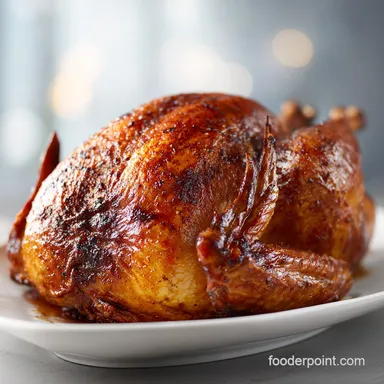
Moist Roast Turkey with Crispy Skin
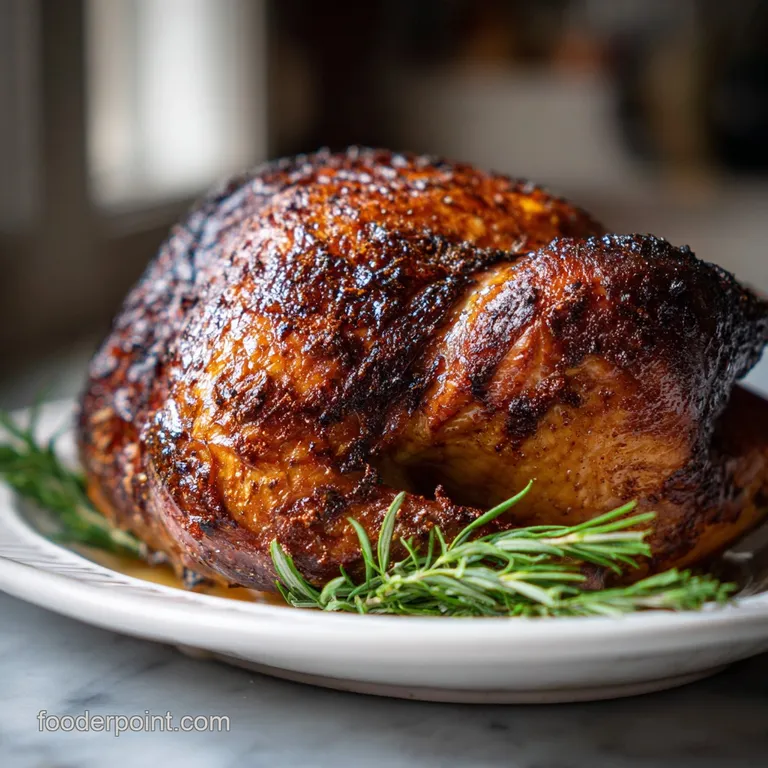
- Time: Active 45 minutes, Passive 3 hours 15 mins, Total 4 hours 00 mins
- Flavor/Texture Hook: Shatter crisp skin with velvety, herb infused meat
- Perfect for: Holiday gatherings, budget-friendly Sunday roasts, or beginner cooks
- Secrets to a Perfectly Moist Roast Turkey
- Why This Method Works
- Component Analysis and Science
- The Hearty Budget Grocery List
- Essential Tools for Golden Results
- Mastering the Step-by-Step Method
- Troubleshooting Your Holiday Centerpiece
- Adjusting for Your Crowd
- Debunking Classic Kitchen Lore
- Storage and Waste Tips
- Hearty Sides for Your Table
- Very High in Sodium
- Roast Turkey FAQs
- 📝 Recipe Card
Secrets to a Perfectly Moist Roast Turkey
The first time I tackled a big bird, I was terrified. I remember standing in my tiny kitchen, staring at this massive 5.9 kg frozen block, wondering if I’d just invited ten people over for a dinner of dry cardboard and disappointment. I’d heard all the horror stories of raw centers and burnt wings.
But then the sizzle started, and that first whiff of sage and roasting lemon hit the air. It’s a scent that stays with you, warm and earthy, promising a meal that actually feels like home.
Since then, I’ve learned that you don’t need a culinary degree or a hundred dollar roasting pan to get a result that makes everyone go quiet after the first bite. It’s all about the prep. We’re going to treat this bird with respect but keep it simple.
No expensive injectors or complicated water brines that splash everywhere. Just real ingredients, a bit of patience, and a few tricks I’ve picked up after years of trial and error in my own kitchen. Trust me, if I can do this, you absolutely can too.
Right then, let's talk about why we do things a certain way. This isn't just about following steps, it's about understanding what's happening under that skin. When we talk about a great bird, we're really talking about two things: keeping the moisture inside the meat and getting the fat to render out of the skin.
It’s a bit of a balancing act, but once you see how the salt interacts with the protein, you’ll never go back to those flavorless, water logged turkeys again.
Why This Method Works
Osmotic Moisture Retention: Salt draws moisture out initially, but then dissolves into a brine that is reabsorbed, seasoning the meat deeply and breaking down tough proteins.
The Maillard Reaction: A high starting temperature followed by a steady roast creates the chemical reaction between amino acids and sugars, resulting in that iconic deep brown color and savory aroma.
Aromatic Steam Infusion: Stuffing the cavity with lemon and onion doesn't just add flavor, it creates a moist internal environment that prevents the breast meat from drying out from the inside.
Lipid Heat Conduction: Rubbing olive oil under and over the skin ensures heat is distributed evenly, frying the skin slightly as the bird roasts to achieve a shatter like texture.
| Method Type | Cooking Time | Skin Texture | Meat Moisture | Best For |
|---|---|---|---|---|
| Classic Roast | 3 hours 15 mins | Very Crispy | Maximum | Traditional Flavor |
| Fast (Spatchcock) | 1 hour 30 mins | Evenly Browned | Good | Weeknights/Speed |
| Slow Cooker | 7-8 hours | Soft | High | Hands off/Sandwiches |
If you're looking for a different way to use turkey, you might want to try this Healthy Turkey Meatballs recipe for a quick weeknight alternative. It's a great way to get that same flavor profile without the long wait.
Component Analysis and Science
| Ingredient | Science Role | Pro Secret |
|---|---|---|
| Kosher Salt | Denatures Proteins | Use coarse salt to avoid over salting while ensuring full coverage. |
| Extra Virgin Olive Oil | Heat Transfer | Rubbing it under the skin separates the skin from the meat for better browning. |
| Lemon & Onion | Acid & Aromatics | The steam from these ingredients keeps the breast meat tender from the inside out. |
| Smoked Paprika | Color Catalyst | Beyond flavor, the pigments in paprika help achieve a deep mahogany hue quickly. |
The key to a successful roast is managing how the heat hits the bird. Unlike smaller proteins, a 5.9 kg turkey has a lot of thermal mass. If you put it in a cold oven, the skin will get soggy before the center even starts to warm up. Starting with a properly preheated oven is non negotiable.
The Hearty Budget Grocery List
- 13 lb (5.9 kg) whole turkey: Ensure it is thawed completely. Why this? The 13lb size cooks evenly without the outer meat drying out.
- Substitute: Two large turkey breasts if you are feeding a smaller crowd.
- 3 tbsp Kosher salt: Essential for the dry brine. Why this? Large grains dissolve slowly, seasoning without making the meat "salty."
- Substitute: 1.5 tbsp table salt (use half the volume because it is finer).
- 1 tbsp cracked black pepper: Adds a sharp, earthy bite.
- Substitute: White pepper for a more subtle, floral heat.
- 1 tbsp dried rubbed sage: The classic holiday aroma.
- Substitute: Dried poultry seasoning or ground thyme.
- 1 tsp smoked paprika: For that deep color. Why this? Adds a hint of wood fired flavor without a smoker.
- Substitute: Regular paprika or a pinch of cayenne for heat.
- 1 large onion: Provides the aromatic base.
- Substitute: Two large leeks or three shallots.
- 1 head of garlic: Halved to release oils.
- Substitute: 2 tbsp garlic powder mixed into the herb rub.
- 2 lemons: For acid and steam. Why this? The acidity balances the heavy fats of the skin.
- Substitute: 1 large orange or 2 tbsp apple cider vinegar in a bowl inside the cavity.
- 1 bunch fresh thyme: Used for the cavity and the rub.
- Substitute: 1 tbsp dried thyme if fresh isn't available.
- 2 stalks celery: Adds a savory, vegetal note to the drippings.
- Substitute: Chopped carrots or parsnips.
- 0.5 cup (120 ml) extra virgin olive oil: The fat source for the skin.
- Substitute: Melted butter or even duck fat for a richer flavor.
- 2 tbsp fresh rosemary: Mined for the rub.
- Substitute: 2 tsp dried rosemary, crushed between your fingers.
- 2 tbsp fresh parsley: Adds freshness and color.
- Substitute: Fresh cilantro or chives.
- 1 tbsp fresh thyme: (Mined for the herb oil).
Essential Tools for Golden Results
You don't need a lot of gear, but a large roasting pan is a must. If you don't have one, a heavy duty rimmed baking sheet can work for a 5.9 kg bird, but watch out for those juices splashing. A roasting rack is also helpful because it lets the hot air circulate under the bird.
If you're on a budget, you can actually make a "rack" by crumpling up long strips of aluminum foil into thick ropes and placing the turkey on top of them. It works surprisingly well.
Another tool that is absolutely vital is a meat thermometer. Relying on the little plastic pop up timer that comes with the turkey is a recipe for disaster. Those things usually pop at 180°F (82°C), which means your turkey is already way past done and heading into "dry" territory.
A simple digital probe thermometer is the best investment you can make for your kitchen.
Mastering the step-by-step Method
- Prep the bird. Remove the turkey from the fridge 45 minutes before cooking to take the chill off. Note: This ensures the meat cooks evenly and doesn't seize up in the heat.
- Dry thoroughly. Use paper towels to pat the skin until it is bone dry. Wait until the paper towel stops sticking to the skin.
- Season the cavity. Toss the salt, pepper, sage, and paprika together, then rub half of it inside the turkey. Note: Seasoning the inside is just as important as the outside for flavor depth.
- Stuff the aromatics. Place the onion, garlic, lemon halves, celery, and the bunch of thyme inside the bird. Until the cavity is comfortably full but not packed tight.
- Create the herb oil. Mix the olive oil with the minced rosemary, parsley, and thyme in a small bowl.
- Apply the rub. Use your fingers to gently loosen the skin over the breast and thighs, then slide some herb oil underneath. Until the oil is spread thinly across the meat surfaces.
- Coat the exterior. Brush the remaining herb oil over the entire outside of the turkey, then sprinkle with the rest of the salt mixture.
- Position for roasting. Place the turkey breast side up on your rack or foil ropes in the roasting pan.
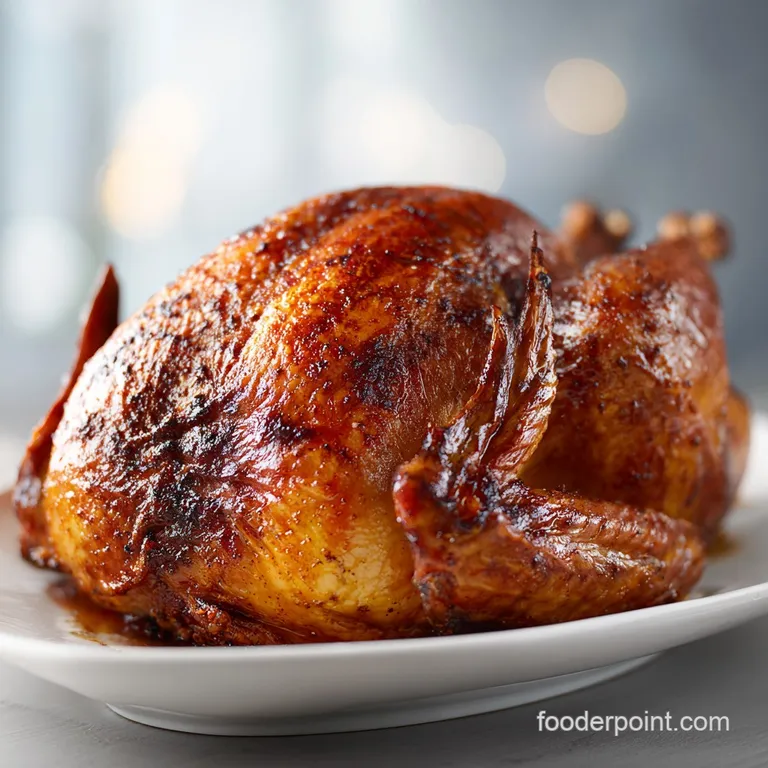
- Roast the turkey. Place in a preheated oven at 180°C (350°F). Bake 3 hours 15 mins until the skin is mahogany and the juice runs clear.
- Rest the meat. Remove from the oven and transfer to a cutting board. Note: This allows the juices to redistribute so they don't leak out when you slice.
Chef's Tip: If the wings or the tips of the drumsticks start to get too dark before the rest of the bird is done, just wrap them loosely in a small piece of foil. It acts like a heat shield.
If the idea of roasting a whole bird still feels a bit overwhelming, you can try a Slow Cooker Turkey recipe which is much more forgiving for beginners. It won't give you that crackling skin, but the meat stays incredibly tender.
Troubleshooting Your Holiday Centerpiece
Fixing Dry Breast Meat
If you find that the breast is cooking much faster than the thighs, it's usually because the breast is more exposed to the heat. This happens when the turkey isn't positioned correctly or if the oven has hot spots.
| Problem | Root Cause | Solution |
|---|---|---|
| Dry Meat | Overcooking | Pull the bird when the thermometer hits 71°C (160°F); carryover will hit 74°C. |
| Rubber Skin | Low Temperature | Increase heat to 200°C for the final 15 minutes to crisp the fat. |
| Raw Joints | Improper Thawing | Ensure the turkey thaws for 24 hours per 2 kg of weight in the fridge. |
Common Mistakes Checklist
- ✓ Never roast a turkey that is still partially frozen (it will cook unevenly).
- ✓ Avoid opening the oven door too often (you lose about 25 degrees of heat every time).
- ✓ Don't skip the resting period; 20-30 minutes is the minimum for a 5.9 kg bird.
- ✓ Ensure the skin is completely dry before adding oil (moisture causes steaming, not crisping).
- ✓ Check the internal temperature in the thickest part of the thigh, not touching the bone.
Adjusting for Your Crowd
Downsizing the Recipe
If you only have a 3 kg turkey, you'll need to reduce the salt and oil by half. The cooking time will drop significantly, usually to about 1 hour 45 minutes. You can still use the same amount of aromatics in the cavity, just chop them smaller so they fit.
If you're using just a turkey breast, reduce the cooking temperature to 165°C to prevent it from drying out, as there is no bone to protect the meat.
Scaling Up for a Feast
For a 10 kg bird, don't just double the spices. Increase the salt and spices to about 1.5 times the original recipe to avoid over seasoning. The cooking time will increase to roughly 4 to 5 hours. You will need to rotate the pan halfway through to ensure even browning in a standard home oven.
Always work in batches if you're making multiple turkeys; never crowd two birds into one oven unless you have a commercial sized unit.
| Target Servings | Turkey Weight | Salt Required | Estimated Cook Time |
|---|---|---|---|
| 4-6 people | 3 kg | 1.5 tbsp | 1 hour 45 mins |
| 11 people | 5.9 kg | 3 tbsp | 3 hours 15 mins |
| 18-20 people | 9 kg | 4.5 tbsp | 4 hours 30 mins |
Debunking Classic Kitchen Lore
One of the biggest myths is that you have to baste the turkey every thirty minutes. Every time you open that door, you’re letting out the dry heat needed to crisp the skin. Basting actually makes the skin soggy because you’re pouring liquid over it.
The oil we rub under the skin does all the work of keeping the meat moist without you having to lift a finger.
Another common misconception is that you must wash the turkey before cooking. Please, don't do this! Washing the turkey actually spreads bacteria all over your sink and counters. The heat of the oven will kill any bacteria on the surface of the meat. Just pat it dry with paper towels and you are good to go.
Storage and Waste Tips
Storage Guidelines: You can keep leftover roast turkey in the fridge for up to 4 days if stored in an airtight container. If you want to freeze it, carve the meat off the bone first. It will stay good in the freezer for up to 3 months.
When reheating, add a splash of broth or water to keep the meat from drying out in the microwave or oven.
Zero Waste Ideas: Never throw away that carcass! The bones are packed with flavor. Toss the bones into a large pot with some water, onion scraps, and carrot ends to make a rich turkey stock.
You can also use the skin scraps to render out "turkey cracklings" by frying them in a pan until they are crispy snacks. Even the leftover herb oil can be used to roast potatoes the next day.
Hearty Sides for Your Table
A great turkey deserves sides that can stand up to its savory depth. I always go for something with a bit of acidity or sweetness to cut through the richness. A cranberry sauce with a hint of orange zest or a sharp apple slaw works wonders.
For something more traditional, mashed potatoes with plenty of garlic or a herb heavy stuffing are the way to go.
If you have leftovers and want something comforting, try making a Homemade Vegetable Beef recipe but swap the beef for your leftover turkey. It’s a fantastic way to use up the smaller bits of meat and any extra veggies you have in the crisper drawer. The smoky paprika from the turkey rub adds a wonderful layer of flavor to the soup.
Decision Shortcut
- If you want the most flavor, dry brine the bird for 24 hours.
- If you want the crispiest skin, leave it uncovered in the fridge overnight.
- If you want the juiciest meat, never skip the rest after roasting.
Very High in Sodium
1180 mg mg of sodium per serving (51% of daily value)
The American Heart Association recommends limiting sodium intake to no more than 2,300mg per day for most adults. Ideally, aim for 1,500mg per day for even greater heart health benefits.
Sodium Reduction Tips for Your Roasted Turkey
-
Reduce Kosher Salt-25%
Kosher salt is a major source of sodium in this recipe. Reduce the amount from 3 tbsp to 1.5 tbsp. You can always add more at the table if needed, but taste as you go! This simple change can significantly lower the sodium content.
-
Lemon Zest Boost-10%
Enhance the lemon flavor by adding the zest of one lemon along with the juice. This intensifies the citrus profile and allows you to further reduce the salt without sacrificing flavor.
-
Fresh Herb Power-10%
Double the amount of fresh rosemary, parsley, and thyme. These fresh herbs add depth of flavor, allowing you to further reduce the added salt. Fresh herbs are naturally low in sodium and packed with flavor.
-
Black Pepper Enhancement-5%
Increase the amount of cracked black pepper to enhance the savory notes. Black pepper, along with the other herbs, can help compensate for reduced salt without impacting taste negatively.
-
Caramelize Onions/Garlic
Slowly caramelizing the onions and garlic will bring out their natural sweetness and umami flavors. This added depth of flavor can help reduce the need for as much salt.
-
Explore Other Herbs & Spices
Experiment with sodium free spice blends and other herbs like oregano, marjoram, or bay leaf to add complexity and flavor without increasing sodium intake. Every spice adds a new layer of flavor.
Roast Turkey FAQs
Is it better to roast turkey at 325 or 350?
350°F (175°C) is the standard recommendation for even cooking. Roasting at 350°F provides a good balance between crisping the skin and allowing the internal temperature of the large bird to rise steadily without burning the exterior.
How many hours does it take to roast a turkey?
Expect approximately 3 hours and 15 minutes for a standard 5.9 kg (13 lb) bird. This estimate is based on a 350°F oven and always confirm doneness with a meat thermometer, aiming for 165°F in the thigh.
What is the secret to a moist turkey?
The secret is properly seasoning the meat internally and resting it after cooking. Dry brining for 24 hours helps the meat retain moisture, and letting the turkey rest for 20-30 minutes allows the juices to redistribute instead of running out when sliced.
How do you roast a turkey without drying it out?
Apply fat directly under the skin and use aromatics in the cavity to create internal steam. Rubbing olive oil between the skin and the breast meat ensures the surface browns beautifully while the moisture trapped inside keeps the meat tender. If you master this temperature control, you'll see great results, similar to how we manage heat in our Oven Baked Salmon recipe.
Do I have to baste the turkey while roasting?
No, basting is unnecessary and often detrimental to crispy skin. Opening the oven door repeatedly lowers the ambient temperature, slowing down the roast, and pouring liquid on the skin prevents the fat from rendering, leading to a soggy finish.
Is it true you must wash or rinse the raw turkey before seasoning?
No, this is a common misconception; never wash your turkey. Rinsing raw poultry spreads bacteria like salmonella around your sink area. The oven's heat is sufficient to kill any surface bacteria, so patting it dry is the only necessary prep step.
Should I stuff the turkey cavity with bread stuffing?
No, stuffing the cavity slows cooking and creates food safety risks. Stuffing an oven safe bird requires the internal temperature to reach 165°F, which often means the breast meat overcooks. Cook stuffing separately for better texture and safety control.
Moist Roast Turkey Recipe