Slow Cooker Chicken Thighs and Potatoes
- Time: Active 15 minutes, Passive 4 hours, Total 4 hours 15 mins
- Flavor/Texture Hook: Silky, honey infused glaze with fork tender meat
- Perfect for: Busy weeknights and budget-friendly family meal prepping
- Master the Art of Savory Slow Cooker Chicken Thighs
- The Thermal Magic Behind Tender Protein Results
- Analyzing the Foundation of Your Flavor Profile
- Essential Success Metrics for This Hearty Meal
- Minimal Tools for a Hassle Free Cooking Experience
- Assembling Your Ingredients for the Best Results
- Solving Common Kitchen Hurdles and Texture Issues
- Simple Modifications to Personalize Your Flavor Profile
- Preserving Quality with Proper Cooling and Storage
- Debunking Common Slow Cooking Beliefs
- Final Touches to Make Your Meal Stand Out
- High in Sodium (⚠️)
- Recipe FAQs
- 📝 Recipe Card
Master the Art of Savory Slow Cooker Chicken Thighs
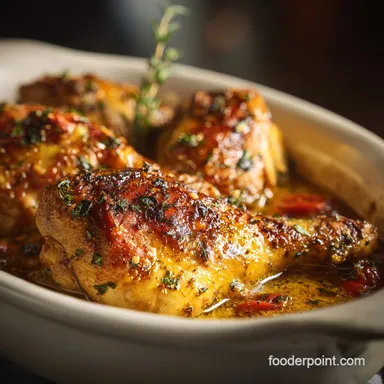
The sizzle of 2.5 lbs chicken thighs hitting a hot pan is the only "hard" work you’ll do today, and trust me, that aroma of browning meat is worth the extra five minutes. I remember the first time I tried making a similar dish without searing; the meat was cooked, sure, but it looked pale and lacked that deep, savory punch we all crave.
Now, I never skip the sear because it creates a base of flavor that the slow cooker simply can't replicate on its own.
As the honey and soy sauce mingle with six cloves of minced garlic in the ceramic pot, your kitchen will start to smell like the best takeout spot in town. This isn't just a "dump and go" meal; it's a strategic way to get restaurant quality texture while you're busy handling life.
We're aiming for meat that yields to a fork but doesn't vanish into a mushy heap, paired with baby Yukon Gold potatoes that soak up every drop of that mahogany glaze.
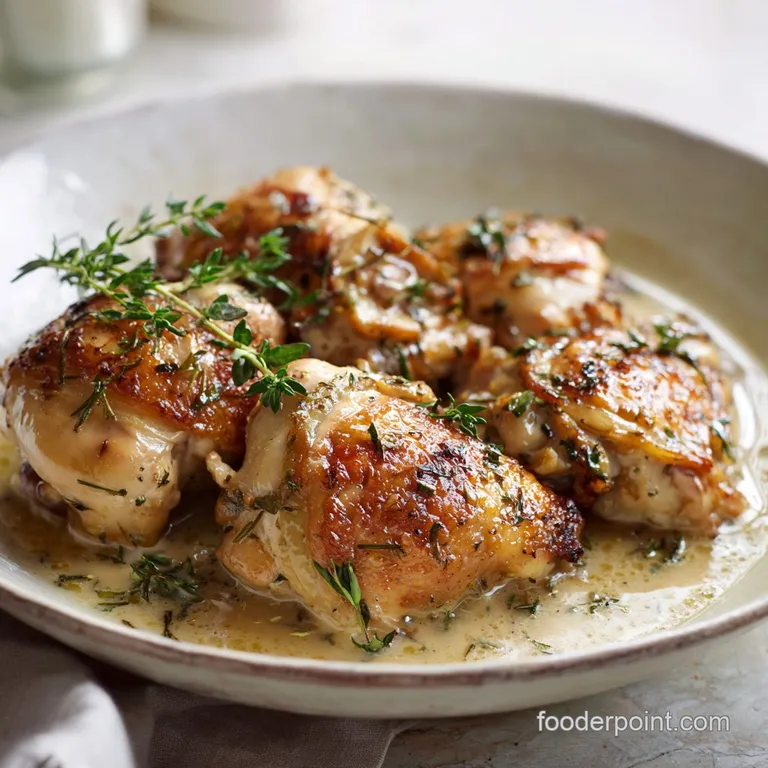
By the time the timer dings, the sauce will have transformed from a thin liquid into a glossy, lip smacking coating. It’s hearty, comforting, and uses real food ingredients you likely already have in the pantry.
Whether you're feeding a hungry family or just want leftovers that actually taste better the next day, this method is my go to for consistent results every single time.
The Thermal Magic Behind Tender Protein Results
Connective Tissue Breakdown: The long, low temperature environment converts tough collagen into gelatin, creating a velvety mouthfeel that leaner cuts can't achieve.
This transformation happens most effectively between 160°F and 180°C, which is exactly where a slow cooker thrives.
Why Thighs Beat Breasts
Chicken breasts are notorious for turning into dry wood in a slow cooker because they lack the fat and connective tissue to withstand long cook times. Thighs, however, stay juicy even if you accidentally leave them in an extra hour.
They are far more forgiving for the busy home cook who might get stuck in traffic or a late meeting.
The Searing Step Advantage
While it's tempting to throw everything in raw, searing the 2.5 lbs chicken thighs triggers the Maillard reaction. This chemical bridge between amino acids and sugars creates complex flavor compounds and a beautiful color. Without it, your sauce might taste "flat" or one dimensional.
| Method | Time | Texture | Best For |
|---|---|---|---|
| Low Setting | 4-5 hours | Fork tender, succulent | Standard weeknights |
| High Setting | 2-3 hours | Firm but cooked | Last minute prep |
| Searing First | +10 mins | Deeply savory, golden | Maximum flavor depth |
Choosing the "Low" setting is almost always better for this specific cut. It allows the honey and soy to permeate the meat without boiling it aggressively, which can sometimes toughen the fibers before the collagen has a chance to melt.
Analyzing the Foundation of Your Flavor Profile
| Ingredient | Science Role | Pro Secret |
|---|---|---|
| Raw Honey (1/2 cup) | Hygroscopic Sweetener | Pulls moisture into the meat while providing the sticky base for the glaze. |
| Low Sodium Soy | Umami Source | Adds salt and depth without making the final reduction unpalatable. |
| Rice Vinegar | Acid Balance | Cuts through the heavy fat and sugar to brighten the overall profile. |
| Cornstarch | Hydrocolloid Thickener | Binds with water molecules when heated to turn thin juices into a thick sauce. |
When you’re looking for a side dish to soak up that extra sauce, this recipe pairs beautifully with a simple grain, much like the base of my Sheet Pan Chicken recipe. The starch acts as a sponge for the honey garlic goodness.
Essential Success Metrics for This Hearty Meal
- 2.5 lbs chicken thighs boneless skinless: Why this? The ideal weight to fill a 6 quart cooker without overcrowding. Substitute: Bone in thighs (add 1 hour cook time).
- 1 lb baby Yukon Gold potatoes, halved: Why this? They hold their shape perfectly and have a buttery texture. Substitute: Red potatoes.
- 1 tsp Kosher salt & 1/2 tsp Cracked black pepper: Why this? Essential for the initial sear to build flavor layers. Substitute: Sea salt.
- 1 tbsp Neutral oil: Why this? High smoke point for searing without burning. Substitute: Avocado oil.
- 1/2 cup Low sodium soy sauce: Why this? Controls salt levels during the reduction phase. Substitute: Tamari (GF).
- 1/2 cup Raw honey: Why this? Provides a natural, floral sweetness and thickens the glaze. Substitute: Maple syrup.
- 1/4 cup Rice vinegar: Why this? Provides the necessary tang to balance the honey. Substitute: Apple cider vinegar.
- 6 cloves Garlic, minced: Why this? Slow cooking mellows the garlic into a sweet, nutty flavor. Substitute: 1.5 tsp garlic powder.
- 1 tbsp Fresh ginger, grated: Why this? Adds a subtle heat and fresh aromatic bite. Substitute: 1 tsp ground ginger.
- 1 tsp Red pepper flakes: Why this? Just enough "kick" to wake up the taste buds. Substitute: Sriracha.
- 2 tbsp Cornstarch & 3 tbsp Cold water: Why this? Creates the "slurry" needed to bind the sauce at the end. Substitute: Arrowroot powder.
- Green onions & Sesame seeds: Why this? Adds crunch and freshness to the finished plate. Substitute: Fresh cilantro.
Minimal Tools for a Hassle Free Cooking Experience
You don't need a kitchen full of gadgets for this one. A standard 6 quart slow cooker (like a Crock Pot or Hamilton Beach model) is the main workhorse. You'll also need a heavy bottomed skillet for the sear cast iron is great if you have it, but any sturdy pan will do.
A microplane or small grater is essential for the 1 tbsp fresh ginger. If you don't have one, you can very finely mince it with a chef's knife, but the grater helps the ginger "melt" into the sauce.
Finally,, grab a small whisk and a jar to mix your cornstarch slurry to ensure there are no chalky lumps in your final glaze.
Assembling Your Ingredients for the Best Results
- Pat the chicken dry using paper towels. Note: Surface moisture prevents a good sear; you want the meat to brown, not steam.
- Season the meat with 1 tsp Kosher salt and 1/2 tsp cracked black pepper on all sides.
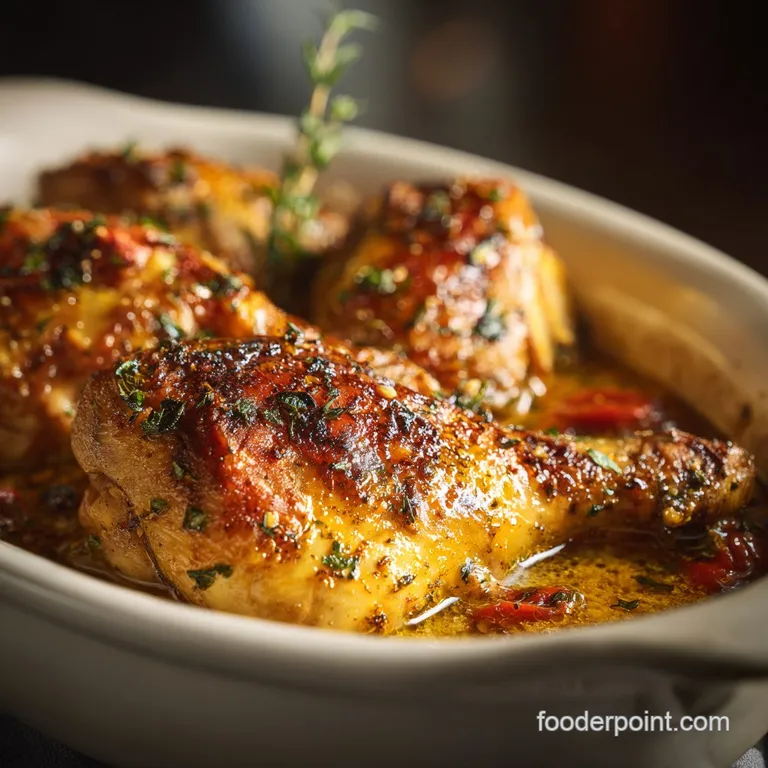
- Heat the oil in a skillet over medium high heat. Sizzle the thighs for 3 minutes per side until a golden crust forms.
- Place the halved potatoes at the bottom of the slow cooker insert. Note: This creates a "rack" for the chicken to sit on.
- Layer the seared chicken directly on top of the potatoes.
- Whisk the sauce by combining the soy sauce, honey, vinegar, garlic, ginger, and red pepper flakes in a small bowl.
- Pour the mixture over the chicken and potatoes, ensuring everything is lightly coated.
- Cover and cook on LOW for 4 hours until the chicken is tender and registers 165°F.
- Remove the chicken and potatoes to a serving platter and cover with foil.
- Thicken the glaze by whisking 2 tbsp cornstarch with 3 tbsp cold water. Stir this into the hot liquid in the cooker and cook on HIGH for 10-15 mins until bubbling and glossy.
Chef's Note: If you're in a rush, you can skip the skillet and put everything in raw, but you'll lose that deep "roasted" flavor. If you do this, reduce the salt slightly as the sear won't be there to balance it.
Solving Common Kitchen Hurdles and Texture Issues
Why is my sauce too watery?
This usually happens because the chicken releases a lot of natural juices during the 4 hours of cooking. If the cornstarch slurry doesn't thicken it enough, you can pour the liquid into a saucepan and boil it on the stove for 5 minutes.
This evaporates the water faster than the slow cooker can, leaving you with a concentrated, sticky glaze.
Why is the chicken falling apart too much?
If the meat is "shredding" rather than staying in whole thighs, it has likely been overcooked. While thighs are forgiving, 6-8 hours on low can sometimes be too much for boneless cuts. Next time, aim for the 4 hour mark or check the internal temperature earlier.
| Problem | Root Cause | Solution |
|---|---|---|
| Bland Chicken | Skipped the sear | Sear the meat until a dark golden crust forms next time. |
| Chalky Sauce | Added dry cornstarch | Always mix cornstarch with cold water before adding to hot liquid. |
| Sizzling/Burning | Too little liquid | Ensure the lid is sealed tight; don't peek during the first 3 hours. |
Common Mistakes Checklist
- ✓ Never add cornstarch directly to the pot; it will clump into white nuggets.
- ✓ Don't use "High" setting if you have the time; "Low" yields a much more velvety texture.
- ✓ Avoid using old ginger; fresh ginger provides a zing that the ground version lacks.
- ✓ Resist the urge to open the lid frequently, as each "peek" adds 15-20 minutes to the cook time.
- ✓ Use low sodium soy sauce; regular soy will become far too salty as the sauce reduces.
Simple Modifications to Personalize Your Flavor Profile
If you're looking for a change of pace, you can easily turn this into a base for other meals. For instance, these flavors work incredibly well if you want to shred the meat and use it for a Chicken Lettuce Wraps recipe. Just omit the potatoes and add a splash of toasted sesame oil at the end.
| Component | Fresh | Shortcut | Flavor Impact |
|---|---|---|---|
| Garlic | 6 fresh cloves | Jarred minced garlic | Slightly less punchy, more mellow. |
| Ginger | 1 tbsp fresh grated | Ginger paste (tube) | Very similar, highly convenient. |
| Potatoes | Fresh baby Yukons | Canned small potatoes | Soft texture, but saves prep time. |
If you want a different vibe, try these:
- For Tacos: Swap the soy and ginger for lime juice, cumin, and chili powder.
- For Rice: Omit the potatoes and serve the finished chicken over a bed of fluffy jasmine rice.
- For Heat: Double the red pepper flakes and add a tablespoon of gochujang (Korean chili paste).
Preserving Quality with Proper Cooling and Storage
Storage: This dish keeps beautifully in the fridge for up to 4 days. In fact, the potatoes often taste better the next day as they continue to absorb the honey garlic glaze.
To reheat, use a microwave or a small skillet over low heat, adding a splash of water if the sauce has become too thick in the fridge.
Freezing: You can freeze the cooked chicken and sauce (without the potatoes, as they get grainy) for up to 3 months. When you're ready to eat, thaw it overnight in the fridge. Zero Waste Tip: If you have leftover sauce but no chicken, use it as a stir fry base for vegetables or a glaze for salmon later in the week. Those garlic and ginger scraps? Freeze them in a bag to use for your next batch of bone broth or a Slow Cooker Turkey recipe.
Debunking Common Slow Cooking Beliefs
One big misconception is that you need to submerge the chicken in liquid for it to stay moist. In reality, the chicken and potatoes will release plenty of moisture. Adding too much extra water or broth will actually dilute the flavor and prevent that beautiful glaze from forming.
Another myth is that "Slow" always means "Better." While true for tough cuts like chuck roast, chicken thighs reach their peak tenderness around the 4 hour mark. Cooking them for 10 hours won't make them "more" tender; it will simply cause the fibers to break down into a mushy texture that loses the satisfying "bite" of a well cooked thigh.
Final Touches to Make Your Meal Stand Out
Before you serve, don't just dump the pot onto a plate. Take a second to arrange the thighs and potatoes on a platter. Use a spoon to drizzle that glossy, thickened glaze over every piece of meat so it catches the light this is what gives it that "shatter" of flavor on the first bite.
The green onions and sesame seeds aren't just for looks; they provide a much needed fresh crunch against the soft, velvety chicken. If you have some extra lime wedges in the fridge, a quick squeeze of citrus right before eating can provide a final bright note that ties the sweet and salty elements together beautifully.
Trust me, it’s these little budget friendly finishing touches that make a simple slow cooker meal feel like a real feast.
High in Sodium (⚠️)
1124 mg mg of sodium per serving (49% % of daily value)
The American Heart Association recommends limiting sodium intake to about 2,300mg per day.
Tips to Reduce Sodium in This Recipe
-
Swap Soy Sauce-25%
Replace the 1/2 cup of low-sodium soy sauce with a truly sodium free alternative or coconut aminos. This change can significantly reduce the overall sodium content. Start with 1/4 cup and adjust to taste.
-
Reduce Added Salt-20%
Cut back on the 1 tsp of Kosher salt. Start by using only 1/2 tsp and taste as you go. Remember that the soy sauce already contributes a significant amount of sodium. You can always add more later, but you can't take it away.
-
Dilute Soy Sauce-15%
Dilute the low-sodium soy sauce with water or broth. Use 1/4 cup of low-sodium soy sauce and 1/4 cup of water. This will lower the concentration of sodium in the dish without sacrificing flavor. Adjust ratios to taste.
-
Balance with Honey
Increase the amount of honey slightly (e.g., from 1/2 cup to 3/4 cup) to compensate for the reduced salt and soy sauce, balancing the flavors. This can help maintain the desired sweetness and umami.
-
Spice it Up!
Enhance the flavor with sodium free herbs and spices like garlic powder, onion powder, smoked paprika, or dried oregano. Experiment with different combinations to find your favorite flavor profile.
Recipe FAQs
Can you put raw chicken thighs in a slow cooker?
Yes, you can, but searing first is highly recommended. While the slow cooker will cook raw thighs safely, searing them creates the Maillard reaction, adding significant savory depth and color to the final dish.
Do I need to add liquid to a slow cooker for chicken thighs?
No, extra liquid is usually unnecessary for bone-in or boneless thighs. Chicken thighs release ample moisture during the long cooking process, which mixes with your sauce ingredients to form the glaze base.
Are chicken thighs better for slow cooking than breasts?
Yes, chicken thighs are vastly superior for slow cooking. Their higher fat content and connective tissue allow them to remain tender and juicy even after hours of cooking, unlike breasts which dry out easily.
How long should I cook boneless skinless chicken thighs on LOW?
Set the timer for 4 hours on the LOW setting. This time allows the connective tissue to break down into gelatin, resulting in silky meat without overcooking the fibers into a mushy texture.
Is it true you must fully cook the sauce in a separate pan?
No, you only finish the sauce separately if you want a thick glaze. The sauce ingredients combine in the slow cooker, but you create the final glossy texture by removing the meat and using a cornstarch slurry in the remaining liquid on the stovetop or high setting. If you enjoyed mastering the sensory doneness cues here, apply them to our Easy Beef Stroganoff Recipe for perfect temperature control.
What is the internal temperature required for safe chicken thigh consumption?
Chicken thighs are safe when they reach an internal temperature of 165°F (74°C). Use a meat thermometer inserted into the thickest part, avoiding bone, to confirm doneness before serving.
Can I use frozen chicken thighs without thawing them first?
No, stick with fresh or fully thawed thighs for this recipe. Frozen poultry releases significant amounts of water as it thaws slowly, diluting your sauce and preventing the initial sear, which drastically affects the final flavor profile.
Slow Cooker Chicken Thighs