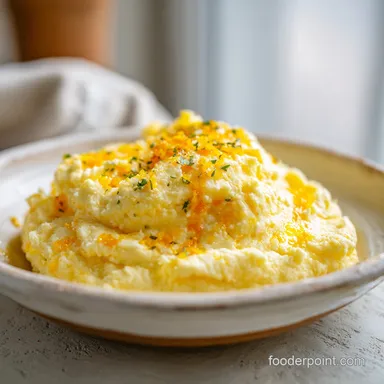
Cowboy Butter: a Zesty Compound Sauce
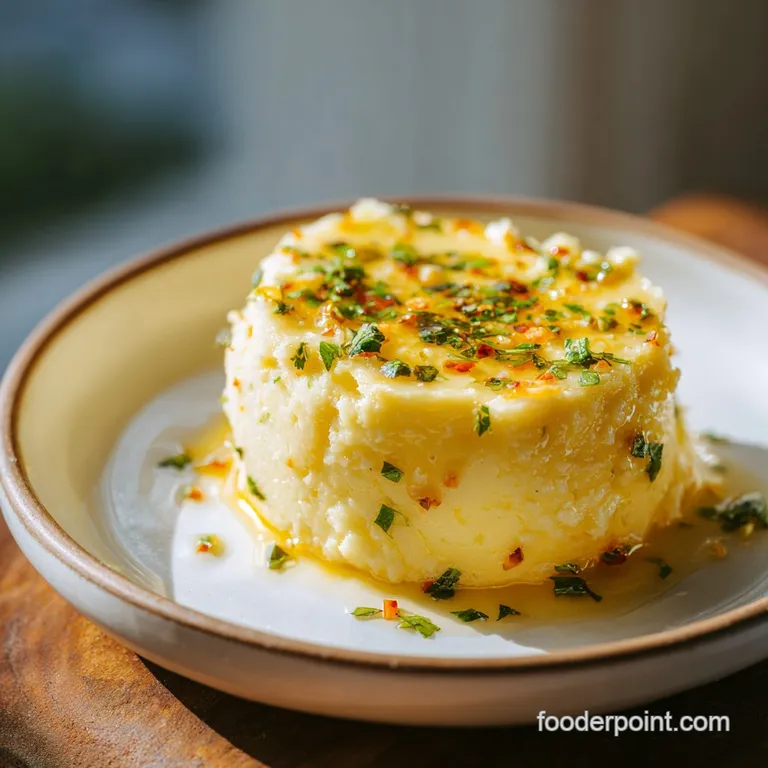
- Time: Active 10 minutes, Passive 5 minutes, Total 15 minutes
- Flavor/Texture Hook: Velvety, citrus spiked warmth with a smoky kick
- Perfect for: Steak night, grilled seafood, or dipping crusty bread
- Fixing Separation in Your Cowboy Butter Recipe
- How the Sauce Stays Smooth
- Key Success Metrics for This Recipe
- Selecting Your Flavor Components
- Tools for a Smooth Sauce
- Precise Steps for Perfect Results
- Avoiding Common Preparation Mistakes
- Smart Ingredient Swaps and Changes
- Adjusting for Different Batches
- Butter Myths Debunked
- Storing Your Leftover Butter Safely
- Best Pairings for Hearty Meals
- Recipe FAQs
- 📝 Recipe Card
Fixing Separation in Your Cowboy Butter Recipe
You know that moment when you’re slicing into a perfectly seared ribeye, the crust is dark and salty, and you go to pour over that flavored butter you saw online, only to have it turn into a yellow, oily puddle? It’s a total letdown.
I’ve been there, staring at a broken sauce that looks more like a car oil spill than a velvety steakhouse accompaniment. Most people just melt butter and stir in some garlic, but that’s exactly why the flavor stays shallow and the texture stays greasy.
The real trick I learned after too many separated batches is that this isn't just "melted butter." It’s a warm emulsion. We’re essentially making a liquid gold dip that needs to hold itself together while carrying the punch of smoked paprika and sharp Dijon.
When you get it right, the sauce doesn't just sit on top of your meat; it clings to it, coating every fiber in a rich, tangy, and slightly spicy glaze that makes your kitchen smell like a five star ranch house.
We’re going to fix the common mistake of "raw garlic bite" by blooming our spices in the fat and using mustard to bridge the gap between the heavy butter and the bright lemon juice. This recipe is the targeted fix for anyone who has ever ended up with a bowl of oil and a pile of sunken herbs at the bottom.
Let's get that silky, velvety finish you've been craving.
How the Sauce Stays Smooth
Mustard Bridge: The Dijon mustard acts as a natural binder that prevents the lemon juice and melted butter from separating into layers.
Spice Blooming: Gently heating the paprika and peppers in the fat releases their oils, creating a deeper color and more rounded heat.
Garlic Mellowing: Resting the minced garlic in warm butter for 120 seconds takes the "sting" out of the raw cloves without turning them bitter.
| Method | Time | Texture | Best For |
|---|---|---|---|
| Warm Dipping Sauce | 15 minutes | Silky and pourable | Steaks and seafood dipping |
| Chilled Compound Log | 1 hour 15 mins | Firm and spreadable | Topping burgers or hot bread |
| Whisked Room Temp | 20 minutes | Light and airy | Corn on the cob or rolls |
The "Warm Dipping Sauce" method is what we’re focusing on today because it provides that immediate, indulgent experience. By whisking the mustard and lemon together into the warm fat, you create a stable mixture that stays opaque and beautiful on the table.
Binding Acid and Fat
When you add lemon juice to melted butter, they naturally want to stay apart, like oil and water. The mustard contains mucilage, which wraps around the tiny droplets of lemon juice and keeps them suspended in the butter. Without this, your cowboy butter recipe will look broken and unappealing within minutes of serving.
Mellowing Sharp Garlic Notes
Raw garlic can be incredibly aggressive, often overpowering the delicate herbs. By using a paste rather than just chunks, and letting it sit in the over low heat butter, we soften the sulfuric compounds. This ensures you get the flavor of garlic in every bite without that burning aftertaste that lingers for hours.
Key Success Metrics for This Recipe
This recipe is built for speed but demands a little bit of focus on temperature. If you get the butter too hot, you’ll lose that creamy, opaque look and end up with clarified butter which is transparent. We want to keep those milk solids in suspension for the best mouthfeel.
| Component | Science Role | Pro Secret |
|---|---|---|
| European Butter | Fat & Flavor | Has less water than standard butter, creating a thicker sauce. |
| Dijon Mustard | Emulsifier | Use creamy Dijon, not grainy, to ensure the smoothest possible bond. |
| Lemon Zest | Aromatic Oil | Contains the citrus oils that survive the heat better than the juice alone. |
Adding the zest at the very end ensures the high notes don't cook off. It’s the difference between a sauce that tastes "bright" and one that just tastes "sour." Trust me, the zest is non negotiable for that professional finish.
I once made the mistake of using standard salted butter and then adding the full amount of sea salt. It was like licking a salt block. Using unsalted European style butter gives you total control over the seasoning, which is vital when you're also adding mustard and spices.
Selecting Your Flavor Components
To get that authentic, hearty flavor, you need to be specific with your shopping list. Don't just grab whatever is in the pantry; the quality of the butter is the star here.
- 1 cup unsalted European style butter: Why this? Higher fat content means a richer, more velvety sauce that won't break easily.
- 0.5 tsp sea salt: Why this? Provides a clean, sharp saltiness without the chemical aftertaste of table salt.
- 1 tbsp Dijon mustard: Why this? Essential for holding the oil and acid together into a smooth sauce.
- 0.5 large lemon, juiced: Why this? Cuts through the heavy fat for a balanced palate.
- 1 tsp lemon zest: Why this? Provides the "nose" of the dish the first thing you smell.
- 4 cloves garlic, minced into a paste: Why this? Paste integrates better than chunks for a consistent flavor profile.
- 2 tbsp fresh parsley, finely chopped: Why this? Adds a necessary earthy freshness and bright green color.
- 1 tbsp fresh chives, minced: Why this? Provides a delicate onion like finish without the crunch of raw onions.
- 1 tsp smoked paprika: Why this? Gives the "cowboy" feel with a deep, woodsy aroma.
- 0.5 tsp crushed red pepper flakes: Why this? Adds texture and a slow, creeping heat.
- 0.25 tsp cayenne pepper: Why this? A punchy heat that hits the back of the throat.
- 0.5 tsp freshly cracked black pepper: Why this? Pre ground pepper is dusty; fresh crack provides essential oils.
| Original Ingredient | Substitute | Why It Works |
|---|---|---|
| European Butter | Standard Unsalted Butter | Works fine, but the sauce will be slightly thinner. |
| Dijon Mustard | Yellow Mustard | Provides the same bind, but adds a more "vinegary" American tang. |
| Fresh Parsley | Fresh Cilantro | Changes the profile to a more Tex Mex vibe. |
If you decide to swap the parsley for cilantro, just know it’s going to take the dish in a completely different direction. It’s great for shrimp tacos, but maybe not for a classic steak. Always stick to fresh herbs if you can; dried herbs in this much fat can feel gritty.
Tools for a Smooth Sauce
You don't need a kitchen full of gadgets, but a few specific items will make your life much easier. For instance, a small whisk is far superior to a fork when you're trying to emulsify the mustard.
- Small Saucepan: Use something with a heavy bottom to prevent the butter from browning too quickly.
- Fine Grater: Like a Microplane, for zesting the lemon and turning the garlic into a smooth paste.
- Mini Whisk: Better for getting into the "corners" of the pan than a large balloon whisk.
- Small Serving Bowls: Ceramic holds the heat longer than plastic or glass.
Chef's Tip: If you don't have a Microplane for the garlic, mince it as finely as possible, then use the side of your knife to "smear" it against the cutting board with a pinch of salt. The salt acts as an abrasive, turning the garlic into a perfect paste in seconds.
Precise Steps for Perfect Results
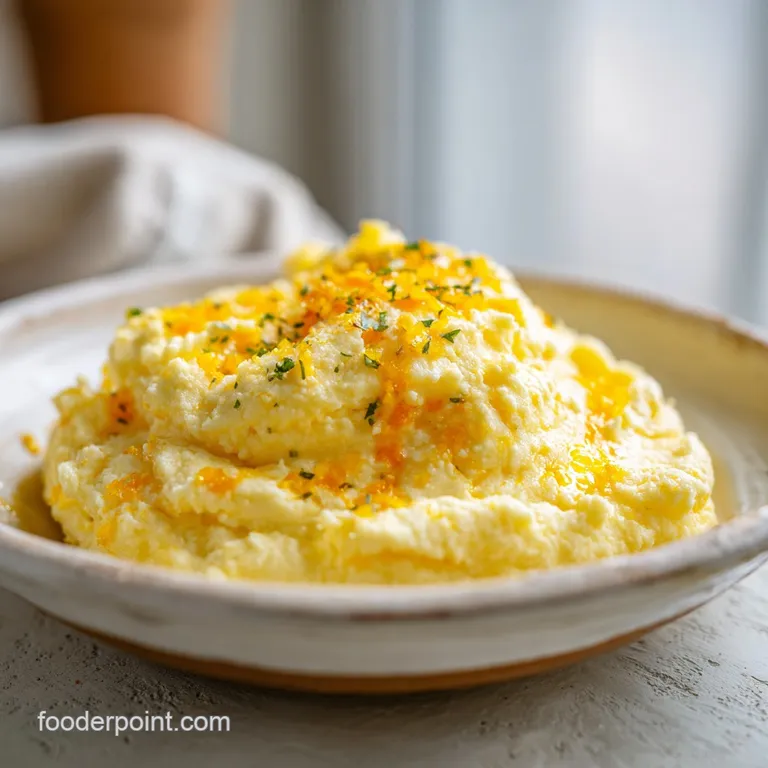
- Place the 1 cup of butter in a small saucepan over low heat. Melt it slowly until it is entirely liquid but not yet foaming. Note: Foaming means the water is evaporating and the solids are starting to cook, which we want to avoid for this specific dipping style.
- Whisk in the 4 cloves of minced garlic paste, 1 tsp smoked paprika, 0.25 tsp cayenne pepper, and 0.5 tsp crushed red pepper flakes. Allow the mixture to sit on the lowest heat setting for 2 minutes until the butter turns a deep orange red. Note: This "blooms" the spices, waking up the flavors trapped in the dried pepper.
- Remove the saucepan from the heat immediately. Add the 1 tbsp Dijon mustard, lemon juice, and 1 tsp lemon zest. Whisk vigorously in a circular motion until the sauce becomes opaque and slightly thickened. Note: You are looking for the moment the "streaks" of lemon juice disappear into the butter.
- Stir in the 2 tbsp fresh parsley, 1 tbsp minced chives, 0.5 tsp sea salt, and 0.5 tsp black pepper. Serve immediately in small dipping bowls while the aroma is at its peak.
Infusing the Garlic Aromatics
The two minute rest on low heat is the most important part of the whole process. If you rush this, the garlic will taste raw and the paprika will feel "powdery" on your tongue. We want those flavors to fully dissolve into the fat.
It’s the difference between a sauce that tastes like "butter with stuff in it" and a sauce that tastes like Cowboy Butter.
Whisking for Perfect Emulsion
When you add the mustard and lemon, don't just stir. You need a bit of muscle. Whisking introduces the tiny droplets of acid into the fat. If you see the sauce starting to look clear or "broken" later on, just give it another quick whisk to bring it back together.
Avoiding Common Preparation Mistakes
Even with a simple recipe, things can go sideways. The most common issue is the sauce "breaking," where the butter separates into a clear oil on top. This usually happens if the heat is too high when you add the lemon juice.
Why Your Sauce Separated
If your sauce looks oily and transparent rather than creamy, the emulsion has broken. This happens because the fat was too hot, which "cooked" the mustard and prevented it from doing its job as a binder.
| Problem | Root Cause | Solution |
|---|---|---|
| Oily/Transparent | Heat was too high | Add a teaspoon of warm water and whisk vigorously off the heat. |
| Bitter Aftertaste | Garlic was burned | Start over; burnt garlic cannot be masked or fixed. |
| Herbs Turned Brown | Added too early | Only add fresh herbs after the sauce is off the stove. |
Checklist for Success:
- ✓ Use a paste for the garlic to avoid raw, crunchy bits.
- ✓ Keep the heat on the lowest possible setting.
- ✓ Whisk in the mustard ONLY after taking the pan off the burner.
- ✓ Don't skip the lemon zest; it provides the essential aroma.
- ✓ Use room temperature lemon juice to avoid shocking the warm butter.
Mastering the Garlic Balance
The intensity of garlic varies wildly. If you’re using "new" garlic from the garden, it’s much milder than the older, sprouted garlic from the grocery store. If your garlic has a green sprout in the middle, remove it before making the paste that sprout is where the bitter "garlic breath" flavor lives.
Smart Ingredient Swaps and Changes
Whether you're looking for a different flavor profile or you've run out of an ingredient, there's usually a way to adapt. This recipe is surprisingly flexible once you understand the basic fat to acid ratio.
Adding a Smoky Twist
If the smoked paprika isn't enough, you can add a tiny drop of liquid smoke or use chipotle powder instead of cayenne. This gives the sauce a "campfire" vibe that is incredible with grilled pork chops. You could even pair it with some biscuits and gravy on a cold morning for the ultimate hearty breakfast.
| Servings | Ingredient Adjustments | Dipping Bowls | Cook Time |
|---|---|---|---|
| 4 people | 0.25 cup butter, 1 tsp mustard | 1 small bowl | 5 minutes |
| 8 people | 0.5 cup butter, 1.5 tsp mustard | 2 small bowls | 5 minutes |
| 16 people | 1 cup butter, 1 tbsp mustard | 4 small bowls | 5 minutes |
Making it dairy-free
While the flavor will change significantly, you can use a high-quality vegan butter substitute. Look for one that is oil based (like avocado or olive oil butter) rather than water based to ensure it has enough body to emulsify with the mustard.
For those who have a sweet tooth after a savory meal, the high fat content of European butter is also what makes something like shortbread cookies so "shatter in-your mouth" tender. It's all about that butter quality!
Adjusting for Different Batches
Scaling this recipe is fairly straightforward since it's mostly a ratio based sauce. However, when you go big, you have to be careful with the spices.
- Scaling DOWN (½ batch): Use a very small butter warmer or a tiny saucepan. Because there is less volume, the butter will melt much faster. Be vigilant so it doesn't brown.
- Scaling UP (2x-4x): When doubling, don't just double the cayenne and red pepper flakes. Start with 1.5x the amount and taste it. Heat can build up exponentially in larger batches. Use a larger whisk to ensure you're getting enough movement to emulsify the increased volume of lemon juice.
If you're making this for a massive party, keep the finished sauce in a small slow cooker on the "warm" setting. Just give it a quick whisk every 30 minutes to make sure the herbs haven't all settled at the bottom.
Butter Myths Debunked
There is so much misinformation about how to handle butter and steak. Let's clear up a few things so you can cook with confidence.
Myth: Searing meat "seals in the juices." Truth: This is a classic kitchen tale. Searing actually creates flavor through browning, but it doesn't create a waterproof barrier. In fact, the high heat of searing causes the muscle fibers to contract and squeeze out moisture.
The reason we add a cowboy butter recipe at the end is to replace that lost moisture with rich, flavorful fat.
Myth: You should always use salted butter for compound sauces. Truth: Salted butter has a higher water content and the salt levels are inconsistent between brands.
Using unsalted butter allows you to control the seasoning perfectly, which is important because the Dijon mustard and spices already bring a lot of salt to the party.
Myth: You must use fresh garlic for it to be "authentic." Truth: While fresh is best, a high-quality jarred garlic paste is actually better than old, sprouted fresh garlic. The key is the texture as long as it's a paste, it will blend into the butter smoothly.
Storing Your Leftover Butter Safely
If you somehow have leftovers (which rarely happens in my house), don't let that liquid gold go to waste. It’s a versatile ingredient that can be used for days.
- Fridge: Transfer the sauce to an airtight container. It will solidify as it cools. It stays fresh for up to 5 days. You can scoop out a tablespoon to melt over eggs or sautéed vegetables.
- Freezer: Pour the room temperature sauce into silicone ice cube trays. Once frozen, pop the cubes into a freezer bag. They’ll keep for 3 months. Drop a cube onto a hot steak or into a bowl of pasta for an instant flavor bomb.
- Reheating: Use the microwave in 10 second bursts, whisking in between. If you heat it all at once, the emulsion will break and you'll have a greasy mess. Gentle heat is your friend here.
Zero Waste Tip: Don't throw away those parsley stems! While we only use the leaves for the butter, the stems hold a ton of flavor. Toss them into a freezer bag and save them for the next time you're making a chicken or vegetable stock.
Best Pairings for Hearty Meals
The beauty of this cowboy butter recipe is its versatility. While steak is the obvious choice, it’s certainly not the only one.
The Classic Steakhouse Pairing
Whether it's a Ribeye, Filet Mignon, or a humble Flank steak, this sauce is the perfect partner. The acidity of the lemon and mustard cuts through the richness of the beef fat, making every bite feel lighter and more complex. For the best experience, pour the warm butter over the steak while it rests.
This allows the flavors to penetrate the meat as the fibers relax.
The Seafood Upgrade
If you've never dipped grilled shrimp or lobster tails into cowboy butter, you are missing out. The smokiness of the paprika complements the char from the grill, and the lemon zest highlights the sweetness of the shellfish. It's significantly more interesting than plain drawn butter.
If you want X, do Y:
- If you want a thicker dip, add an extra teaspoon of Dijon mustard to strengthen the emulsion.
- If you want a spicier kick, double the red pepper flakes and let them bloom in the butter for 4 minutes instead of 2.
- If you want a fresher finish, double the lemon zest and add a handful of chopped fresh dill along with the parsley.
Try drizzling this over roasted potatoes or even using it as a base for a quick pan sauce with chicken. The possibilities are endless once you have a jar of this sitting in your fridge. It’s the ultimate kitchen hack for making a budget friendly meal taste like a high end restaurant dish.
Enjoy the process, keep that heat low, and whisk like you mean it!
Recipe FAQs
What ingredients are in cowboy butter?
This recipe combines European style butter, garlic paste, Dijon mustard, and lemon juice. It also features a specific blend of smoked paprika, crushed red pepper flakes, cayenne, sea salt, black pepper, fresh parsley, chives, and lemon zest.
Why do they call it cowboy butter?
The name reflects its bold, rustic flavor profile. It packs a spicy, savory punch that traditionally pairs well with grilled meats, mirroring the hearty, big-flavor meals associated with campfire cooking.
How long does homemade cowboy butter last in the fridge?
It remains fresh for up to 5 days. Store the butter in an airtight container where it will solidify; you can then scoop portions to melt over vegetables or protein as needed.
Is it true I should let the butter boil to develop flavor?
No, this is a common misconception. You must melt the butter over low heat until liquid but not foaming, as boiling can burn the milk solids and ruin the delicate flavor balance.
How to achieve the perfect creamy consistency?
Whisk the Dijon mustard vigorously after removing the pan from the heat. This agitation emulsifies the fat and lemon juice, creating a stable, opaque, and slightly thickened texture.
How to effectively infuse the spices?
Simmer the garlic and spices on the lowest heat setting for 2 minutes. If you enjoyed mastering this aromatics blooming technique, you can apply the same principle of flavor extraction to our authentic Italian meatballs.
Is Gordon Ramsay's compound butter recipe the same as this?
No, the recipes differ significantly. While Ramsay's classic versions often rely on softened butter rolled into a log with simple herbs, this recipe uses a melted base with specific emulsifiers like mustard and lemon for a pourable sauce consistency.
Easy Cowboy Butter Sauce