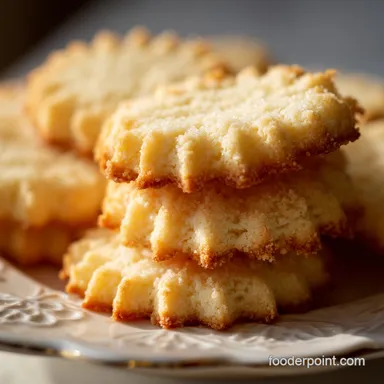
Buttery Shortbread Cookies: a Traditional Recipe
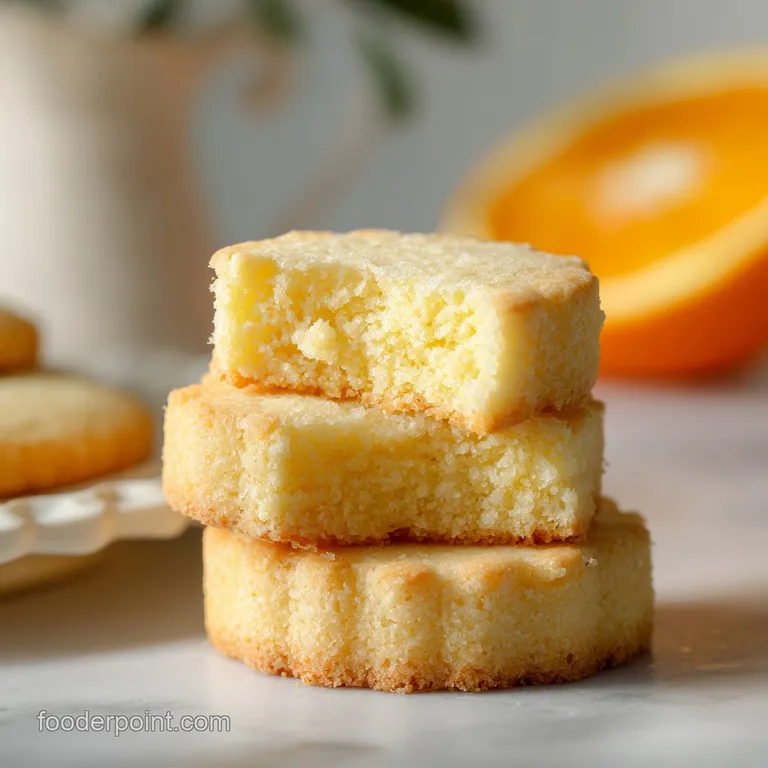
- Time: Active 25 minutes, Passive 95 minutes, Total 120 minutes
- Flavor/Texture Hook: Velvety, melt in-your mouth texture with a rich, salty sweet finish.
- Perfect for: Afternoon tea, holiday gifting, or a quiet weekend baking session.
- Why Most Recipes Get This Wrong
- Key Baking Specs For The Golden Batch
- The Shopping List For This Sweet Treat
- Equipment For Mastering This Shortbread Cookies Recipe
- Bringing Together This Delicate Buttery Cookie Dough
- Avoiding Disasters With Professional Shortbread Cookies Tips
- Mix It Up With These Creative Variations
- Preservation Secrets For Keeping Your Cookies Fresh
- Presentation Tips For Your Beautiful Cookie Platter
- Recipe FAQs
- 📝 Recipe Card
Why Most Recipes Get This Wrong
The secret to a truly breathtaking shortbread cookies recipe is not in the technique alone, but in the hero of the show: the butter. I remember the first time I swapped my standard grocery store sticks for a block of high fat European style salted butter. The kitchen transformed.
The aroma was not just "buttery," it was intense, reminiscent of a French patisserie at dawn. Most recipes fail because they use butter with too much water content, which leads to a cookie that is tough rather than tender.
When you use butter with at least 82% fat content, you are fundamentally changing the structure of the dough. Water in butter creates steam, and steam creates gluten when it hits flour. By choosing a high fat, low moisture butter, we are essentially waterproofing our flour.
This prevents the cookies from becoming bready or hard. Instead, you get that iconic, sandy crumb that dissolves on the tongue like a sweet, buttery cloud. It is a small change that makes a world of difference in the final result.
This recipe is also a lesson in patience. The scent of the vanilla extract hitting that creamed butter is intoxicating, a floral and woody punch that makes you want to skip the bake entirely. But the real magic happens during the long chill.
Giving the fats time to firm up again after being beaten ensures that the cookies hold their shape and the flavors of the sea salt and vanilla have time to meld into something far more complex than a three ingredient treat.
Why The Cornstarch Stays In
- Starch Interference
- Cornstarch physically gets in the way of gluten chains forming, ensuring the cookie has a tender, sandy crumble.
- Moisture Management
- The low hydration in this dough prevents the flour from developing too much structure, keeping the texture velvety.
- Fat Saturation
- High butterfat content coats the flour particles, acting as a barrier against moisture and tough proteins.
| Method | Time | Texture | Best For |
|---|---|---|---|
| Oven (Standard) | 35 minutes | Evenly crisp, pale golden | Traditional delicate snap |
| Stovetop (Skillet) | 20 minutes | Darker bottom, softer middle | Quick, rustic dessert fix |
| Air Fryer | 15 minutes | Very crispy edges, firm | Small batches, energy saving |
The oven remains the gold standard for this specific bake because the 300°F (150°C) environment allows for even evaporation. Shortbread is as much about drying the dough as it is about cooking it. If you are craving a different texture, my chewy chocolate chip cookies offer a completely different bite, but for that classic snap, the oven is your best friend.
Key Baking Specs For The Golden Batch
Precision is the baker's best friend, especially when dealing with a dough this delicate. Because we are working with such a high ratio of fat to flour, even a few degrees of difference in your kitchen temperature can change how the dough handles.
I like to keep my kitchen cool when I am working with this shortbread cookies recipe. If the butter gets too greasy, the cookies will lose their sharp edges and spread into one big buttery lake on your baking sheet.
| Component | Science Role | Pro Secret |
|---|---|---|
| European Butter | Provides fat structure | Use salted butter for a salted caramel undertone. |
| Powdered Sugar | Dissolves for smoothness | Sift twice to avoid tiny air pockets in the bake. |
| Cornstarch | Breaks up gluten | Measure by weight to keep the cookie from getting "chalky." |
When the dough is in the oven, you are looking for a very specific olfactory cue. About 25 minutes in, the heavy, warm scent of toasted butter and sugar will begin to drift through the house. This is your signal that the moisture has successfully evaporated and the sugars are beginning to set.
You do not want these cookies to brown deeply; they should remain the color of light sand, with just the faintest hint of gold at the very edges.
The Shopping List For This Sweet Treat
Gathering your elements for this shortbread cookies recipe is a tactile experience. Sifting the powdered sugar feels like creating a snowdrift in your bowl, and the cool, pliable butter should feel like silk between your fingers.
Do not reach for the imitation vanilla here; the flavor is too prominent in a simple cookie to hide behind anything artificial.
- 1 cup (226g) European style salted butter, cool but pliable: This is non negotiable for the best texture. Why this? Higher fat content ensures a tender, shattering crumb that melts instantly.
- 0.5 cup (60g) powdered sugar, sifted: Creates a tighter, finer crumb than granulated sugar. Why this? It dissolves instantly into the butter for a velvety mouthfeel.
- 1 tsp pure vanilla extract: Adds depth and a floral aroma. Why this? Elevates the simple butter flavor into something more sophisticated.
- 2 cups (250g) all purpose flour, spooned and leveled: The structural backbone of the cookie. Why this? Provides enough protein to hold the shape without being tough.
- 0.25 cup (30g) cornstarch: The "secret" for tenderness. Why this? Weakens the flour's gluten for a softer, more delicate bite.
- 0.5 tsp fine sea salt: Balances the sweetness. Why this? Highlights the creamy notes of the high-quality butter.
- 1 tbsp granulated sugar for dusting: For that classic crunch on top. Why this? Adds a textural contrast to the smooth cookie interior.
| Original Ingredient | Substitute | Why It Works |
|---|---|---|
| European Butter | high-quality Vegan Butter | Works if fat content is high. Note: May spread slightly more. |
| Powdered Sugar | Superfine Granulated Sugar | Gives a crunchier, more rustic texture rather than velvety. |
| All purpose Flour | 1:1 gluten-free Blend | Rice flour in blends mimics the sandy shortbread texture well. |
For fans of this base, using it in Bars with Shortbread Crust recipe is a natural next step. The acidity of the lemon cuts through the richness of the butter in a way that is truly addictive.
Equipment For Mastering This Shortbread Cookies Recipe
You do not need a laboratory of gadgets to make this work, but a few specific tools will make your life much easier. I always reach for my stand mixer for the creaming stage. While you can do this by hand with a sturdy wooden spoon, the mixer ensures that the powdered sugar is perfectly distributed through the butter without warming it up too much with the heat from your hands.
A heavy duty rolling pin is also essential. Since the dough is chilled, you need a bit of weight to get it to that precise 1/2 inch thickness. I prefer a French rolling pin without handles because it gives me a better "feel" for the dough's consistency.
If I feel a soft spot, I know the butter is warming up and it is time to pop the dough back into the fridge for ten minutes.
Chef's Tip: Freeze your flour for 20 minutes before mixing. This keeps the butter from melting during the "shaggy dough" stage, preserving those tiny pockets of fat that create the flaky texture.
Finally, do not forget the parchment paper. Not only does it prevent sticking, but it also allows you to roll the dough out and move it onto a baking sheet without stretching or tearing it. Shortbread dough is notoriously fragile until it is baked, so minimize the handling as much as possible.
Bringing Together This Delicate Buttery Cookie Dough
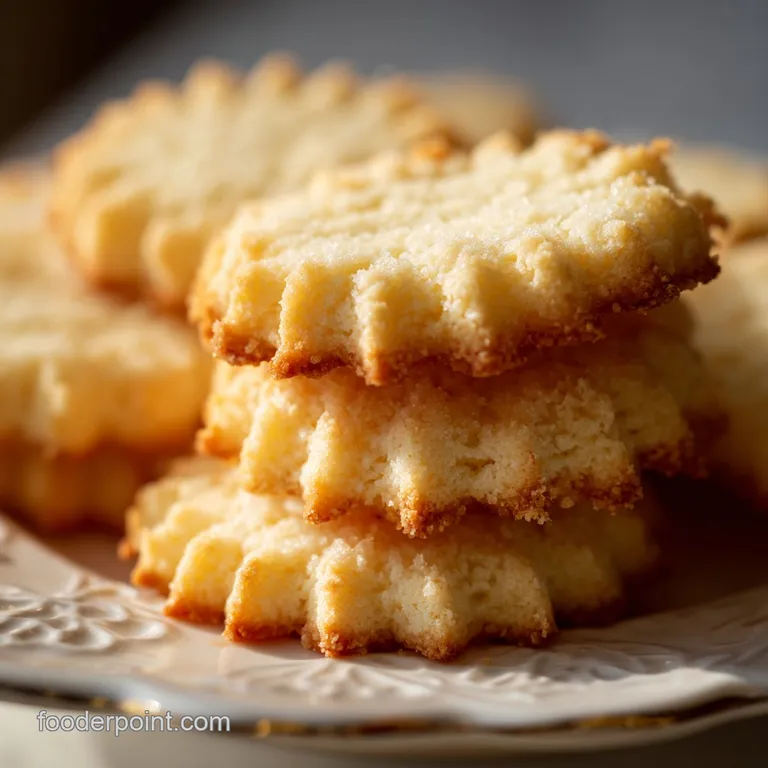
- In a large bowl or stand mixer, beat the 1 cup of cool butter and 0.5 cup sifted powdered sugar together on medium speed for approximately 2 minutes. Note: You want it smooth and pale, but stop before it becomes fluffy or aerated to prevent the cookies from puffing.
- Pour in the 1 tsp vanilla extract and mix briefly until the aroma is well distributed.
- Sift the 2 cups all purpose flour, 0.25 cup cornstarch, and 0.5 tsp sea salt directly into the bowl.
- Turn the mixer to the lowest speed and mix only until a shaggy, crumbly dough forms. Stop when no dry streaks of flour remain to avoid overworking the gluten.
- Transfer the dough onto a large sheet of parchment paper and use your hands to press it into a rough rectangle.
- Roll the dough into a consistent 1/2 inch thick rectangle. Note: Using rolling pin spacers can help ensure the bake is perfectly even.
- Slide the parchment onto a tray and chill in the refrigerator for at least 60 minutes. Wait until the dough feels firm and cold to the touch.
- Preheat your oven to 300°F (150°C).
- Remove the dough from the fridge and use a fork to dock the top, creating neat rows of small holes. Note: This allows steam to escape so the cookies stay flat and dense.
- Sprinkle the top with 1 tbsp granulated sugar and bake for 35 minutes. Remove when the edges are barely golden and the center feels set.
- While the shortbread is still warm, use a sharp knife to slice it into rectangles. Allow them to cool completely on a wire rack to firm up.
Avoiding Disasters With Professional Shortbread Cookies Tips
The most common heartbreak with a shortbread cookies recipe is the "Great Spread." You put beautiful rectangles into the oven and pull out a single, thin sheet of butter soaked cracker. This almost always comes down to temperature.
If your butter was too soft when you started, or if you skipped the 60 minute chill, the fat will liquefy before the flour has a chance to set its structure.
Why Your Shortbread Is Crumbly
If your cookies are falling apart before they even reach your mouth, you might have been a bit too generous with the flour. It is vital to spoon and level your flour rather than scooping it directly with the measuring cup, which packs the flour down and results in a dry, sandy mess.
| Problem | Root Cause | Solution |
|---|---|---|
| Cookies Spread | Butter was too warm | Chill the cut shapes for 15 minutes before baking. |
| Hard/Tough Texture | Overworked the dough | Mix dry ingredients only until the flour disappears. |
| Floury Aftertaste | Undercooked starch | Ensure the center is firm and the bake time reaches 35 minutes. |
- ✓ Always use cool butter, not room temperature, to start the creaming process.
- ✓ Sift your dry ingredients to ensure no lumps of cornstarch remain in the dough.
- ✓ Dock the dough thoroughly with a fork to prevent unsightly bubbles or doming.
- ✓ Slice the cookies while they are still warm from the oven for clean, sharp edges.
- ✓ Use a kitchen scale for the most accurate measurements of flour and butter.
Mix It Up With These Creative Variations
Once you have the classic shortbread cookies recipe down, the variations are endless. I love adding a tablespoon of culinary lavender or some lemon zest to the dry ingredients for a spring inspired treat.
If you want something richer, you can dip the cooled ends of the cookies into melted dark chocolate and sprinkle them with flaky sea salt.
Shortbread Cookies with Jam
To make "thumbprint" style cookies with this dough, roll tablespoon sized balls of dough instead of rolling it flat. Press your thumb into the center to create a well, fill it with a high-quality raspberry or apricot jam, and bake as directed.
The jam will thicken and become chewy in the oven, creating a beautiful contrast with the buttery base.
Christmas Shortbread Cookies
For the holidays, you can add a half teaspoon of almond extract and some finely chopped dried cranberries. The red flecks against the pale cookie look stunning on a gift platter. You can also use cookie cutters to create festive shapes, just ensure you re chill the cutouts for 10 minutes before they go into the oven to maintain those crisp lines.
Scaling the Recipe
- To Scale Down (12 cookies): Use 1/2 cup butter, 1/4 cup powdered sugar, 1/2 tsp vanilla, 1 cup flour, 2 tbsp cornstarch, and a pinch of salt. Use a small 8x4 inch loaf pan to maintain the 1/2 inch thickness.
- To Scale Up (48 cookies): Double all ingredients. You will need to work in two batches for the rolling and chilling to ensure the dough stays cold. Only increase salt to 3/4 tsp rather than doubling it fully to keep the flavor balanced.
| Servings | Butter Amount | Flour Amount | Pan Size |
|---|---|---|---|
| 12 Cookies | 0.5 cup | 1 cup | 8" x 4" |
| 24 Cookies | 1 cup | 2 cups | 9" x 9" |
| 48 Cookies | 2 cups | 4 cups | Two 9" x 9" |
Preservation Secrets For Keeping Your Cookies Fresh
The beauty of a high fat cookie is its shelf life. Because there is very little moisture in the final product, these cookies do not go stale as quickly as a standard chocolate chip cookie. However, they are highly porous, meaning they will soak up any scents in your kitchen.
If you leave them out near a bowl of onions or a spicy curry, your shortbread will start to taste like your dinner!
Storage: Keep your cooled cookies in an airtight container at room temperature for up to 7 days. If you want to keep them longer, they actually hold up beautifully in the refrigerator for up to 2 weeks, which can make the butter flavor even more pronounced.
Freezing: You can freeze the baked cookies for up to 3 months. Wrap them in plastic wrap and then place them in a freezer safe bag. To thaw, just leave them on the counter for 30 minutes.
You can also freeze the raw dough logs; just thaw them in the fridge overnight before slicing and baking.
Zero Waste Tip: If you end up with broken pieces or "cookie dust" at the bottom of the container, do not throw it away! Those buttery crumbs are incredible as a topping for vanilla ice cream or folded into a cheesecake crust.
You can even toast them slightly in a pan and sprinkle them over a fruit crumble for an extra layer of decadence.
Presentation Tips For Your Beautiful Cookie Platter
When it comes to serving this shortbread cookies recipe, simplicity is usually best, but a few small touches can make them look like they came from a high end boutique. I love to tie a stack of three cookies together with a bit of kitchen twine or a thin velvet ribbon.
It is a charming way to serve them at a tea party or to give as a small "thank you" gift.
For a more modern look, try a diagonal dip in white chocolate followed by a sprinkle of crushed freeze dried strawberries. The vibrant pink against the cream colored cookie is visually stunning. If you are serving them on a platter, nestle them among some fresh sprigs of mint or edible flowers like pansies.
The green and purple tones make the golden edges of the cookies pop.
Pairing is also key. These cookies are quite rich, so they pair best with something that has a bit of acidity or bitterness. A strong Earl Grey tea with a slice of lemon is the classic choice, but they are also surprisingly good with a glass of dry sparkling wine.
The bubbles cleanse the palate of the butter between bites, making every mouthful feel like the first one. Whatever you do, make sure the cookies are completely cool before serving; the texture needs that time to fully set into its signature shatter.
Recipe FAQs
What is the secret to making good shortbread?
Use European style salted butter with at least 82% fat content. The lower water content prevents excess gluten formation, ensuring the cookies remain tender and sandy rather than bready or tough.
What is the 321 rule for shortbread?
This is a common misconception; we do not use that ratio here. Our recipe relies on specific measurements of 226g butter, 250g flour, and 60g powdered sugar to achieve the signature melt-in-your mouth texture that standard ratios often miss.
What are the 4 ingredients in a traditional shortbread recipe?
Traditional shortbread relies on butter, flour, sugar, and a pinch of salt. Our version includes cornstarch and vanilla extract to further refine the crumb and enhance the depth of flavor.
What is the difference between Scottish shortbread and normal shortbread?
Authentic Scottish shortbread is defined by its high butter content and simple, crisp texture. If you enjoyed mastering the dough handling required for these delicate biscuits, you will find the same precision in biscuit making helpful for achieving a perfect snap in your shortbread.
How to ensure the dough stays tender before baking?
Chill the shaped dough for at least 60 minutes. This firms up the fats, preventing the cookies from spreading and losing their structural integrity in the oven.
How to prevent the cookies from browning too much?
Bake at exactly 300°F (150°C) for 35 minutes. Keeping the temperature low is the key technique to ensure the cookies set perfectly while remaining pale and delicate.
How to dock the dough effectively?
Press a fork firmly into the surface of the dough to create small, evenly spaced holes. This allows steam to escape during the long, slow bake, ensuring the cookies maintain a uniform thickness without cracking.
Buttery Shortbread Cookies Recipe