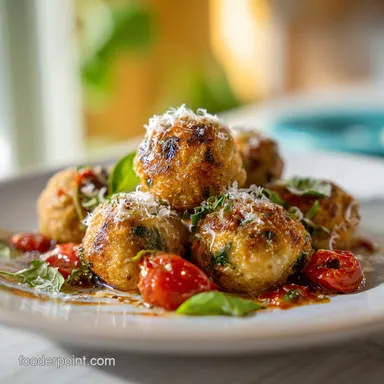
Best Homemade Italian Meatballs
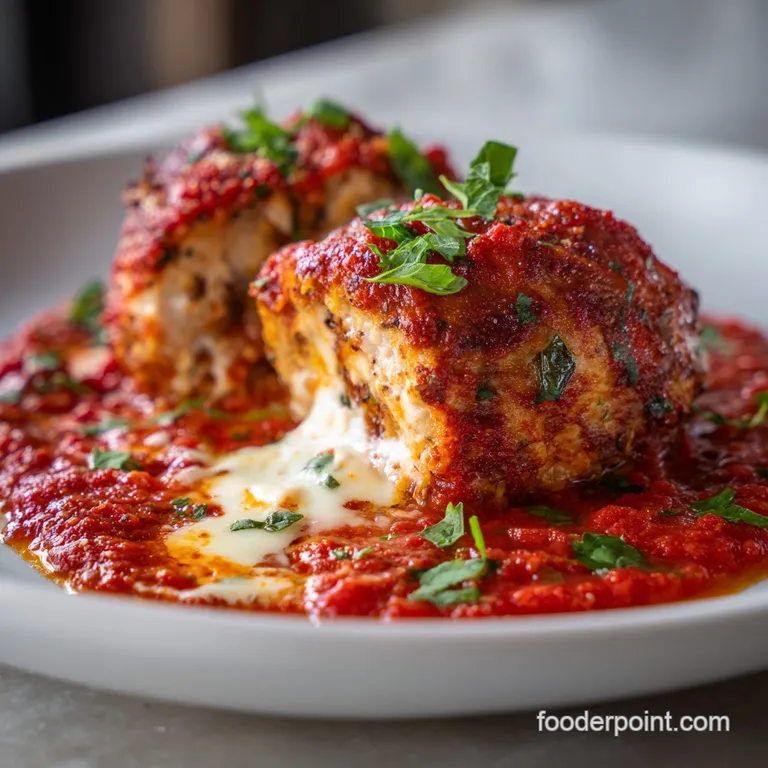
- Time: Active 25 minutes, Passive 25 minutes, Total 50 minutes
- Flavor/Texture Hook: Savory, silky, and melt in-your mouth tender
- Perfect for: Family Sunday dinners or meal prep for the week
- Discovering the Absolute Best Meatball Recipe
- Essential Recipe Metrics and Timing
- Sourcing Hearty Ingredients for Flavor
- Simple Tools for Better Cooking
- Step-by-Step Guide to Success
- Avoiding Common Kitchen Mistakes
- Tasty Variations and Easy Swaps
- Proper Storage and Freezing Tips
- Serving Ideas and Side Dishes
- Debunking Common Meatball Myths
- Recipe FAQs
- 📝 Recipe Card
Discovering the Absolute Best Meatball Recipe
Forget everything you know about using dried breadcrumbs from a canister. If you want a meatball that actually feels like real food and not a rubbery ball of disappointment, you have to stop treating bread as a filler and start treating it as a moisture delivery system.
For years, people have been told that more meat equals a better meatball, but that is a total myth. Lean meat shrinks and toughens when it hits heat, turning your dinner into a collection of dense hockey pucks that bounce off the plate.
The secret to what I consider the best meatball recipe isn't some rare, expensive spice or a complex cooking technique that takes all day. It is the panade. By soaking fresh white bread in whole milk until it turns into a thick paste, we create a barrier that protects the protein fibers.
This paste keeps the meat from knitting together too tightly, ensuring a velvety texture that practically dissolves when you bite into it. It is a budget friendly trick that Italian grandmothers have used for generations to stretch a bit of meat into a feast for the whole family.
When you smell the garlic hitting the hot oil and hear that first sizzle in the pan, you'll know exactly why this works. We are looking for a deep, crusty brown on the outside while the inside stays light and airy.
This is the kind of hearty, comforting meal that makes the whole house smell like a Sunday afternoon at home. Whether you are piling these on top of a mountain of spaghetti or tucking them into a crusty roll for a sub, this approach guarantees results that are consistently better than the "all meat" versions that usually end up dry and bland.
Essential Recipe Metrics and Timing
Before we get our hands messy, we need to look at how the right choices in the kitchen lead to a better result. There is a massive difference between a shortcut version and the real deal, and it usually comes down to the texture of the bread and the quality of the fat.
Using fresh bread might take an extra three minutes of tearing and soaking, but the payoff is a meatball that is significantly softer than one made with dry crumbs.
The timing here is also non negotiable. You need 25 minutes for prep because you cannot rush the panade or the gentle mixing of the meat. If you overwork the mixture, you'll end up with a tough texture regardless of your ingredients.
Then, another 25 minutes of cooking ensures they are browned on the outside and safely cooked to 71°C (160°F) on the inside. This balance of time and technique is what sets this recipe apart from the quick, lackluster versions found in the freezer aisle.
| Cook Element | Fresh Bread Method | Shortcut Crumb Method | Visual/Texture Result |
|---|---|---|---|
| Moisture Agent | Fresh milk soaked bread | Dry seasoned crumbs | Fresh is silky; dry is often gritty |
| Meat Texture | Hand mixed "claw" style | Machine mixed | Hand mixed is airy; machine is dense |
| Fat Content | 80/20 beef + pork | 90/10 lean beef | 80/20 is juicy; 90/10 is dry |
When it comes to knowing when these are ready, don't just guess. Use a meat thermometer to hit that 71°C mark. If you go over, the fat starts to render out too much, and you lose that comforting richness. If you go under, the texture can be unpleasantly soft in the center.
| Meatball Size | Internal Temp | Rest Time | Visual Cue |
|---|---|---|---|
| 2 tbsp (Medium) | 71°C | 5 minutes | Deep brown crust, no pink juice |
| 1 tbsp (Small) | 71°C | 3 minutes | Firm to the touch, sizzling edges |
| 4 tbsp (Large) | 71°C | 8 minutes | Slow, steady sizzle, dark exterior |
Sourcing Hearty Ingredients for Flavor
Choosing the right ingredients is where the best meatball recipe truly begins. I always tell my friends to head to the butcher counter for the beef chuck. You want that 80/20 ratio because the fat provides the flavor and the moisture. If you use anything leaner, you're basically making meat flavored sawdust.
Combining that beef with ground pork adds a subtle sweetness and a softer fat that melts at a lower temperature, giving the meatballs a much better mouthfeel.
Let's talk about the cheese. Please, for the love of Sunday dinner, skip the stuff in the green plastic shaker. You need real Parmigiano Reggiano. It adds a salty, nutty kick that you just can't get from the pre grated versions which are often coated in potato starch to prevent clumping.
That starch interferes with how the cheese melts into the meat. For the aromatics, grating the garlic into a paste ensures the flavor is distributed evenly through the entire batch so no one gets a giant chunk of raw garlic in one bite.
Component Analysis
| Ingredient | Science Role | Pro Secret |
|---|---|---|
| Fresh White Bread | Prevents protein cross linking | Remove crusts for a perfectly smooth panade |
| Whole Milk | Hydrates the starches | Use full fat for a richer, creamier texture |
| Nutmeg | Enhances savory meat notes | Grate it fresh to release volatile oils |
| Pork/Beef Mix | Balances fat types | Keep meat chilled until the very last second |
Using fresh Italian parsley is another non negotiable. It adds a bright, grassy note that cuts through the richness of the beef and pork. I’ve tried using dried parsley in a pinch, but it just doesn't have the same impact. It ends up tasting like nothing at all.
Fresh herbs are a low cost way to make your cooking taste professional without requiring a huge investment.
- - Substitute
- Ground turkey (dark meat) for a lighter but still flavorful option.
- - Substitute
- Ground veal for a more traditional, delicate flavor profile.
- - Substitute
- Torn brioche or sourdough (crusts removed) for different flavor depths.
- - Substitute
- Unsweetened heavy cream for an even more decadent, rich meatball.
- - Substitute
- 1/4 cup plain Greek yogurt (adds tang and moisture).
- - Substitute
- Pecorino Romano if you prefer a sharper, saltier bite.
- - Substitute
- Fresh basil or a mix of oregano and parsley.
- - Substitute
- 1 tsp garlic powder (though fresh is significantly better).
- - Substitute
- 3/4 tsp sea salt.
- - Substitute
- White pepper for a more subtle, earthy heat.
- - Substitute
- Ground mace or a tiny pinch of allspice.
- - Substitute
- Grapeseed oil or avocado oil for a higher smoke point.
Simple Tools for Better Cooking
You don't need a kitchen full of gadgets to make a great meal. In fact, for this recipe, a few simple, high-quality tools will do the job better than anything electric. A large, sturdy mixing bowl is essential. You want enough room to work the meat without it flying over the sides.
I prefer stainless steel because it stays cold, which is exactly what we want for the meat.
A good box grater or a microplane is your best friend here. You'll use it for the cheese and the garlic. Grating the garlic into a paste is so much better than chopping it because it integrates into the panade perfectly.
You won't need a food processor or a mixer; honestly, those machines often over process the meat, turning it into a paste that results in a rubbery texture. Stick to your hands they are the most precise tools you own.
Chef's Tip: Freeze your block of Parmigiano Reggiano for 10 minutes before grating. It makes the cheese firmer and prevents it from clumping or melting from the heat of your hands while you work.
Finally, a heavy bottomed skillet, like a cast iron or a thick stainless steel pan, is vital for the sear. You want something that holds heat well so that when the meatballs hit the oil, the temperature doesn't drop.
If the pan isn't hot enough, the meat will steam instead of searing, and you'll miss out on that beautiful brown crust. If you prefer to bake them, a simple rimmed baking sheet lined with parchment paper works perfectly and saves on cleanup time.
Step-by-step Guide to Success
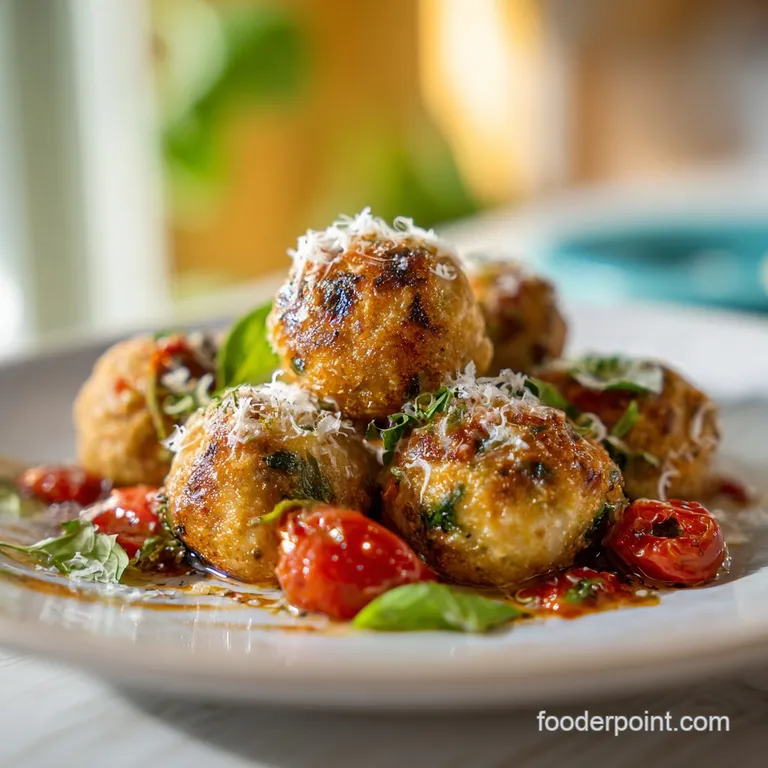
- Combine the torn fresh bread and 120ml of whole milk in a large bowl. Note: This creates the panade which prevents the meat from becoming tough.
- Let the bread soak for 5 to 10 minutes until it is completely soft and saturated.
- Use a fork to mash the soaked bread into a smooth, consistent paste.
- Whisk the beaten eggs, grated Parmigiano Reggiano, garlic paste, parsley, salt, pepper, and nutmeg into the bread paste.
- Stir the mixture until the aromatics are fully integrated and look like a thick batter.
- Add the chilled ground beef and pork to the bowl.
- Use your hand in a gentle 'claw' motion to fold the meat into the paste. Note: Stop as soon as the white streaks of the panade disappear to avoid over mixing.
- Lightly oil your hands and scoop about 2 tablespoons of the mixture for each meatball.
- Roll the mixture gently between your palms into 24 medium spheres. Note: Do not squeeze them tightly; you want them to hold their shape but remain airy.
- Heat 30ml of olive oil in a skillet over medium high heat.
- Add the meatballs in batches and sear for 3 to 4 minutes until a deep brown crust forms on all sides.
- Alternatively, place them on a baking sheet and bake at 180°C for 20 to 25 minutes until the internal temperature hits 71°C.
Avoiding Common Kitchen Mistakes
One of the biggest issues people run into is the meatballs falling apart in the pan. This usually happens for one of two reasons: either the panade was too wet, or the pan wasn't hot enough. When the meat hits a lukewarm pan, it doesn't form a crust immediately.
That crust is what acts like a "skin" to hold everything together. If you find your meatballs are sticking, don't try to force them to move. Wait another minute; once they develop a proper sear, they will release from the pan naturally.
Another common pitfall is the "bouncing meatball" syndrome. This happens when you get over excited with the mixing. Meat contains proteins that, when agitated, like to link together.
If you squeeze the meat too hard or mix it for too long, those proteins form a tight web that traps the moisture inside but makes the meat feel very firm and rubbery. Think of it like folding flour into a cake batter you want to be gentle.
Troubleshooting Your Batch
| Problem | Root Cause | Solution |
|---|---|---|
| Meatballs falling apart | Panade too liquid or too little egg | Mash bread more thoroughly; add 1 extra yolk next time |
| Dry/Tough texture | Over mixing or too lean meat | Use 80/20 beef and the "claw" mixing technique |
| Bland flavor | Not enough salt or old spices | Increase salt to 1.5 tsp; use freshly grated nutmeg |
Common Mistakes Checklist
- ✓ Pat the meat dry with paper towels before mixing if it seems excessively wet.
- ✓ Ensure the bread is fully mashed; large chunks of bread can cause the meatball to split.
- ✓ Always use chilled meat; if the fat warms up before cooking, it leaks out too early.
- ✓ Don't overcrowd the pan. If you put too many in at once, the temperature drops and they steam.
- ✓ Let the meatballs rest for 5 minutes after cooking to allow the juices to redistribute.
The "bounce" test is a great way to check your technique. If you drop a cooked meatball from a few inches onto a plate and it bounces like a ball, you’ve over mixed it. It should land with a soft "thud" and slightly yield to the impact. If you want to dive deeper into how fat affects meat texture, you might find my Healthy Turkey Meatballs Recipe useful for seeing how to handle leaner proteins without losing moisture.
Tasty Variations and Easy Swaps
While the beef and pork combo is the gold standard for the best meatball recipe, you can definitely play around with the proteins based on what you have in the fridge or your dietary needs. The most important thing is to keep the panade and the fat ratios in mind.
If you switch to a leaner meat, you might need to add a little extra olive oil to the mix to compensate for the lack of animal fat.
| Original Ingredient | Substitute | Why It Works |
|---|---|---|
| Ground Pork | Ground Italian Sausage | Adds extra spice and fat. Note: Reduce added salt in the recipe |
| Whole Milk | Beef Broth | Keeps it dairy-free while adding savory depth |
| Fresh White Bread | Panko Crumbs | Note: Result will be crunchier and less "silky" |
Sometimes you want something a bit different than the classic Italian profile. You can easily pivot this recipe by changing the spices. Swapping the parsley and nutmeg for cilantro, ginger, and a splash of soy sauce (and skipping the cheese) turns these into incredible Asian inspired meatballs that are great for meal prepping with rice.
Hearty Budget Alternatives
If you're looking to feed a large crowd without breaking the bank, you can actually increase the amount of bread in the panade. While it changes the "meatiness," it makes the meatballs even softer and significantly cheaper per serving.
This is a classic "peasant food" technique that actually improves the texture for many people who find all meat versions too heavy.
| Premium Option | Budget Alternative | Flavor Impact | Savings |
|---|---|---|---|
| Parmigiano Reggiano | Grana Padano | Slightly less sharp, very similar | Save approx. $4-6 |
| Ground Beef Chuck | Ground Beef (Regular) | Higher fat, needs more draining | Save approx. $3-5 |
| Fresh Italian Parsley | Dried Parsley + Lemon Zest | Less "fresh," but zest adds brightness | Save approx. $2 |
Proper Storage and Freezing Tips
These meatballs are a dream for anyone who likes to plan ahead. Because they are so moisture rich, they actually hold up better in the freezer than most other cooked meats. You can store them in the fridge for up to 4 days in an airtight container. When you're ready to eat, don't just microwave them on high.
That will turn them rubbery. Instead, simmer them gently in a bit of sauce or beef broth until they are warmed through.
For freezing, I recommend the "flash freeze" method. Place the cooked (and cooled) meatballs on a baking sheet, making sure they aren't touching, and put the whole tray in the freezer for two hours. Once they are frozen solid, you can toss them all into a freezer bag.
This prevents them from sticking together in one giant clump, allowing you to take out exactly as many as you need for a single lunch or a full family dinner. They will stay fresh in the freezer for up to 3 months.
Don't let any of your ingredients go to waste! If you have leftover bread crusts from making the panade, toss them in the oven at 150°C until they are dry, then blitz them in a blender to make your own breadcrumbs for another night.
Any leftover parsley stems are packed with flavor save them in a bag in the freezer to add to your next batch of homemade beef soup.
Serving Ideas and Side Dishes
The obvious choice for the best meatball recipe is a massive bowl of spaghetti with a slow simmered marinara. But don't stop there. These are hearty enough to stand on their own as a main course. I love serving them with a side of creamy polenta or even some garlic mashed potatoes to soak up any extra juices. If you are looking for a quicker weeknight meal that uses similar flavors, you should check out my Creamy Beef and Shells for a fast comfort food fix.
For a true restaurant style experience at home, try making a meatball sub. Get a high-quality baguette, slice it down the middle, and toast it with a bit of garlic butter. Pile the meatballs in, top with a generous amount of provolone or mozzarella, and broil it for 2 minutes until the cheese is bubbly and charred.
It’s a messy, satisfying meal that usually costs twenty bucks at a deli but only a fraction of that when you make it yourself.
Why the Panade Stays Tender
The "science" behind this is actually quite simple. When meat cooks, the proteins (specifically myosin and actin) shrink and squeeze out water. It's like wringing out a sponge. By adding a panade, you are inserting "spacers" between those meat proteins.
The starch in the bread absorbs the milk and the rendered fat from the meat, creating a gel like structure. This gel stays soft even when the meat around it tightens up.
This is why the "claw" mixing technique is so important. We want to distribute that starchy gel evenly without crushing the meat fibers. If you press too hard, you collapse the air pockets. Think of it like a sponge a sponge with holes holds more water than a flat piece of rubber.
Keeping those tiny gaps in the meat mixture allows the juices to stay trapped inside the meatball instead of running out into the pan.
Debunking Common Meatball Myths
One of the most persistent myths is that you must sear meatballs to "seal in the juices." This is scientifically incorrect. Searing creates the Maillard reaction, which is that beautiful brown crust and the deep, savory flavor we love. However, moisture loss happens regardless of whether the meat is seared or not.
We sear for flavor, not for moisture. The moisture comes entirely from our panade and the fat content of the meat.
Another myth is that you should always use a mix of "veal, pork, and beef" for an authentic result. While that is traditional in some regions of Italy, it's not a requirement for a great meatball. Veal is often expensive and can be hard to find at a standard grocery store.
Using 80/20 beef and pork gives you nearly the same textural benefit at a much lower price point. You don't need fancy meats to achieve a master level dinner; you just need the right ratios and a gentle touch.
Finally, many people think you have to cook meatballs in the sauce for hours to make them tender. While braising them in sauce does add flavor, if you’ve made a proper panade, they will be tender the moment they hit 71°C.
Long simmering is actually more about flavoring the sauce with the meat fat than it is about tenderizing the meatballs themselves. If you over cook them in the sauce for three hours, they can eventually start to fall apart and become mushy rather than tender.
20 to 30 minutes in the sauce is usually the "sweet spot" for flavor exchange.
Recipe FAQs
What is the secret to making good meatballs?
The secret is creating a consistent panade. Soaking fresh bread in milk and mashing it into a smooth paste before adding the meat ensures the final texture remains tender rather than rubbery.
What is the secret ingredient to make meatballs moist?
Whole milk is the key. It hydrates the bread to create a moisture retaining barrier that prevents the proteins in the beef and pork from tightening up during the high heat cooking process.
How does Gordon Ramsay make meatballs?
He emphasizes gentle handling of the meat. By using a light 'claw' motion to incorporate ingredients rather than kneading, he keeps the meat structure loose and light. If you enjoyed mastering this technique for protein texture, see how the same principle of gentle folding applies to our Chicken Stroganoff recipe.
Is it better to pan fry or oven bake meatballs?
Both methods produce excellent results depending on your goal. Pan-searing in olive oil creates a superior, deep brown crust and richer flavor, while oven baking is more convenient for larger batches and ensures even cooking throughout.
How to prevent meatballs from falling apart while cooking?
Ensure your bread and milk mixture is fully mashed into a smooth, consistent paste before adding the meat. This acts as the essential binder, keeping the spheres cohesive when seared or baked.
Is it true I should use breadcrumbs instead of fresh bread?
No, this is a common misconception. Fresh bread creates a much softer, more delicate panade compared to dry breadcrumbs, which can often result in a denser, grainier meatball.
How to tell when meatballs are perfectly cooked?
Use a meat thermometer to check for an internal temperature of 160°F. This ensures safety while preserving the moisture within the beef and pork blend.
Best Homemade Italian Meatballs