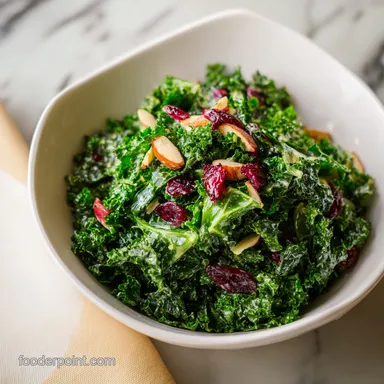
Healthy Kale Salad: Silky and Flavor-Packed
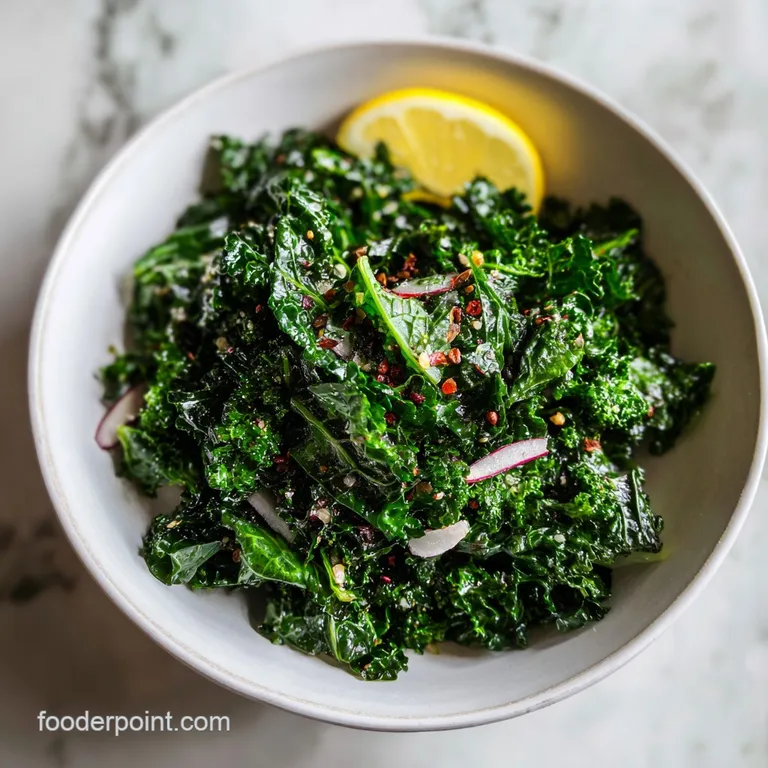
- Time: Active 15 minutes, Passive 0 minutes, Total 15 minutes
- Flavor/Texture Hook: Silky massaged leaves with a tangy, nutty finish
- Perfect for: Budget conscious meal prep or a light, nutrient dense lunch
- The Best Silky Kale Salad Recipe
- Core Specifications and Timing
- Why This Massage Method Works
- Essential Components and Smart Swaps
- Simple Kitchen Tools Required
- Prep Steps for Success
- Troubleshooting Common Texture Problems
- Creative Variations and Flavor Twists
- Scaling and Budget Adjustments
- Debunking Common Green Leaf Myths
- Storage Guidelines and Waste Reduction
- Serving Suggestions for Every Meal
- Recipe FAQs
- 📝 Recipe Card
The Best Silky Kale Salad Recipe
Forget everything you think you know about eating raw kale. For years, I avoided this green because it felt like chewing on a handful of credit cards. It was tough, bitter, and frankly, a bit of a chore to get through.
I used to think you needed a massive amount of oil or a fancy high speed blender to make it edible, but that is a total myth. You don't need expensive gadgets or "superfood" powders to make this work.
The real secret is actually sitting right in your kitchen, and it’s completely free: it's your hands. By using a specific manual technique, we can physically change the structure of the leaves.
This makes the salad not just palatable, but something you will actually crave on a Tuesday night when you want something healthy but don't want to spend an hour at the stove. It's a total shift in how we handle greens.
We are going to take 300g of kale and turn it into something so velvety and balanced that even the skeptics in your house will ask for seconds. This approach is about being smart with your budget while maximizing the nutrition on your plate.
We're talking about a meal that hits 10.5g of protein per serving without needing a single piece of expensive meat. It's practical, fast, and honestly, a little bit therapeutic to make.
Core Specifications and Timing
When we talk about meal prep efficiency, timing is everything. This recipe is designed to be a "zero cook" miracle, provided you have your quinoa ready to go. If you are starting from scratch with the grains, you'll need to account for that, but the actual assembly is a lightning fast 15 minutes.
This is the kind of recipe that fits into a busy lifestyle without demanding you sacrifice your entire evening to the kitchen.
Because we are dealing with raw vegetables, we don't have to worry about carryover cooking or precise internal temperatures. Instead, we focus on the physical transformation of the leaves.
The 15 minutes of prep time is almost entirely hands on, specifically during the massage phase which lasts about 60 to 120 seconds. This small investment of effort pays huge dividends in the final texture.
| Method | Time | Texture | Best For |
|---|---|---|---|
| Hand Massaged | 15 minutes | Silky and tender | Immediate eating or 2 day prep |
| No Massage (Raw) | 5 minutes | Tough and fibrous | Sturdier wraps or smoothies |
| Overnight Marinated | 10 minutes | Very soft and dark | People with sensitive digestion |
The comparison above shows why the middle ground of a quick massage is our "sweet spot." You get the benefit of the softened leaves without the salad becoming mushy. If you are in a rush, you might be tempted to skip the massage, but I promise you, those extra 2 minutes are the difference between a bowl of leaves and a cohesive, delicious meal.
Why This Massage Method Works
The magic of this kale salad recipe lies in the physical and chemical changes we trigger during the prep. We aren't just mixing ingredients; we are performing a mini intervention on the plant's biology. It's all about making those nutrients more accessible and the flavors more balanced.
- Cellulose Breakdown: The mechanical action of rubbing the leaves with salt physically ruptures the tough cell walls of the kale. This makes the leaves shrink in volume and turn a vibrant, dark green.
- Bitterness Neutralization: When we massage the kale, we release some of the bitter compounds. When these meet the fat from the 1 tbsp of creamy tahini and the sweetness of the maple syrup, the bitterness is masked rather than highlighted.
- Acid Interaction: The 2 tbsp of lemon juice acts as a gentle "cold cook" agent. The citric acid begins to denature the proteins in the leaves, softening them further as the salad sits.
- Emulsification Stability: By whisking the tahini with the olive oil and lemon juice first, we create a stable coating that clings to every crevice of the ribboned kale, ensuring no leaf is left dry.
This process also improves nutrient bioavailability. Some of the vitamins in kale are fat soluble, meaning your body absorbs them much better when they are paired with the healthy fats from the olive oil and almonds. It’s a win for your taste buds and your health.
Essential Components and Smart Swaps
Building a great salad on a budget means knowing where to spend and where to save. We are using 300g of Lacinato or Curly kale as our base. Lacinato (often called dinosaur kale) is slightly sweeter and flatter, making it easier to ribbon, but the curly variety provides more "loft" and surface area for the dressing to cling to.
Both work perfectly here.
| Ingredient | Science Role | Pro Secret |
|---|---|---|
| Lacinato Kale | Structural Base | Remove the ribs to avoid a woody, bitter aftertaste |
| Creamy Tahini | Emulsifier | Use "runny" tahini for a smoother, less clumpy dressing |
| Sea Salt | Hygroscopic Agent | Salt draws out water to soften the leaf fibers instantly |
| Quinoa | Protein/Texture | Toast the dry quinoa for 2 mins before boiling for a nutty flavor |
The beauty of this dish is its flexibility. If you find yourself missing an ingredient, don't panic. There are plenty of budget friendly ways to keep the integrity of the dish while using what is already in your pantry.
- 300g Kale: Can be swapped for collard greens (massage them for an extra minute) or even shredded Brussels sprouts.
- 1 cup Cooked Quinoa: Try brown rice or farro. For a grain free version, extra toasted seeds work well.
- 0.5 cup Dried Cranberries: Raisins or chopped dried apricots provide that same sweet tart punch for a similar price.
- 0.5 cup Toasted Almonds: Sunflower seeds are a fantastic, cheaper alternative that still offers a great crunch.
- 0.25 cup Shaved Parmesan: Nutritional yeast is a solid vegan swap that keeps the salty, savory profile intact.
- 1 tbsp Creamy Tahini: Sunflower butter or even a smooth almond butter can stand in here, though the flavor will shift slightly.
When you're looking for another protein packed option that uses similar pantry staples, I often suggest my Mediterranean Quinoa Salad. It follows a similar philosophy of using grains and fresh acids to create a filling meal that doesn't feel heavy or boring.
Simple Kitchen Tools Required
One of the reasons I love this kale salad recipe is that the equipment list is incredibly short. You don't need a food processor, a mandoline, or any specialty gadgets. In fact, keeping it simple often leads to better results because you have more control over the texture.
First and foremost, you need a sharp chef's knife. Since we are de stemming and "ribboning" the kale, a dull blade will just bruise the leaves rather than cutting them cleanly. If your knife is sharp, you can stack the leaves, roll them up like a cigar, and slice them into thin shreds in just a few minutes.
This "chiffonade" technique ensures every bite is manageable and delicate.
A large mixing bowl is your second most important tool. You need more space than you think because you'll be getting both hands in there to massage the greens. If the bowl is too small, you'll end up throwing kale across your kitchen counter.
Finally, a small glass jar with a lid is the absolute best way to make the dressing. Instead of whisking and hoping for the best, you can just shake it vigorously for 30 seconds to get a perfectly creamy, emulsified result every time.
Prep Steps for Success
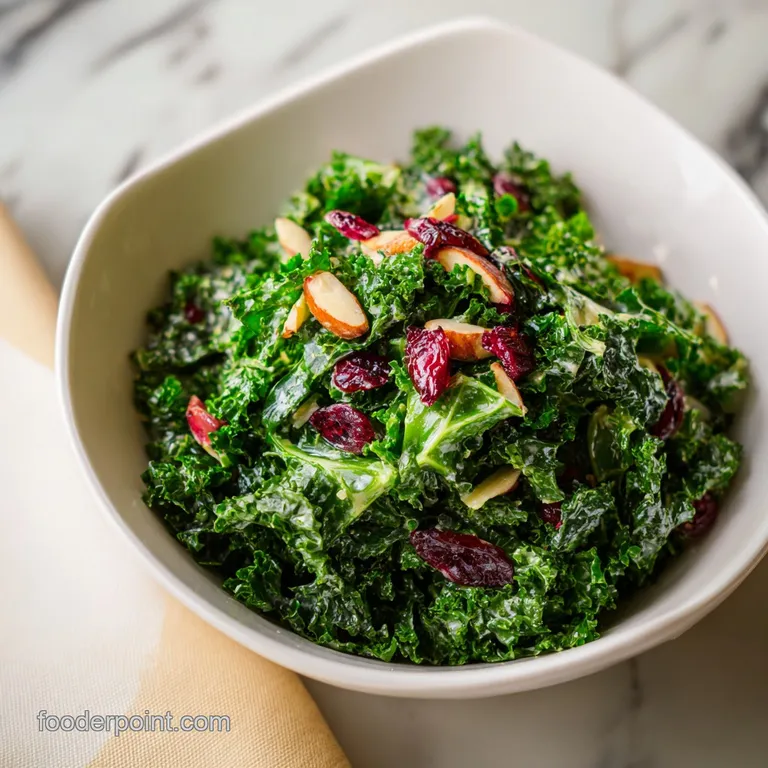
To get the most out of this recipe, follow the sequence carefully. The order in which we combine things matters for the final texture.
- De stem the greens. Strip the 300g of kale leaves away from the woody central ribs and slice them into thin, bite sized ribbons. Note: The ribs are too tough for a salad but can be saved for a stir fry later.
- Apply the salt. Place the kale in a large bowl and sprinkle with 0.5 tsp sea salt. until you see the leaves begin to glisten.
- Perform the massage. Squeeze and rub the leaves with your hands for 60 to 120 seconds. until the volume shrinks and the texture becomes silky.
- Whisk the liquid base. In a small jar or bowl, combine 0.25 cup olive oil, 2 tbsp lemon juice, 1 tbsp tahini, 1 tbsp maple syrup, 1 minced garlic clove, and 0.5 tsp black pepper. until the mixture is uniform and pale yellow.
- Coat the leaves. Pour the dressing over the massaged kale and toss well. Note: Dressing the kale before adding the "heavy" ingredients ensures even coverage.
- Add the bulk. Fold in the 1 cup cooked quinoa and 0.5 cup dried cranberries. until the quinoa is evenly distributed.
- Incorporate the crunch. Add the 0.5 cup toasted sliced almonds and 0.25 cup shaved Parmesan.
- Allow a resting period. Let the salad sit for 10 minutes before serving. until the flavors meld and the kale softens further.
By following these steps, you ensure that the dressing isn't just sitting on top of the salad but is actually working its way into the leaves. This is the difference between a "leafy salad" and a "composed dish."
Troubleshooting Common Texture Problems
Even with a straightforward recipe, things can occasionally go sideways. The most common complaint with any kale salad recipe is that it’s either too tough or too soggy. Both are easy to fix once you understand what caused the issue in the first place.
Why Your Kale Is Still Tough
If you have massaged your kale and it still feels like you're eating a hedge, you likely didn't use enough "muscle" or enough salt. The salt acts as an abrasive that helps break down the plant's exterior. Don't be afraid to really get in there and squeeze the leaves hard.
You are looking for a visible change: the kale should turn a darker, shinier green and the pile should look about half the size it was when you started. If it still looks fluffy and light green, keep going for another minute.
Why Your Salad Is Watery
If there is a pool of liquid at the bottom of your bowl, it usually means the kale wasn't dried properly after washing. Water is the enemy of a good dressing; it dilutes the fats and prevents the tahini from clinging to the leaves.
Always use a salad spinner or pat the leaves very dry with a clean kitchen towel before you start the ribboning process.
| Problem | Root Cause | Solution |
|---|---|---|
| Bitter Aftertaste | Large kale ribs left in | Ensure all woody stems are fully removed before slicing |
| Dressing is Clumpy | Tahini was too cold/stiff | Whisk tahini with lemon juice first to loosen it up |
| Soggy Toppings | Added almonds too early | Add nuts and cheese just before serving for maximum crunch |
Common Mistakes Checklist
- ✓ Skipping the massage phase (this is the most vital step for texture).
- ✓ Using pre bagged kale without removing the large stem pieces.
- ✓ Adding the dressing to wet leaves (prevents emulsification from sticking).
- ✓ Not letting the salad sit for the final 10 minutes to let flavors meld.
- ✓ Using "old" tahini that has separated into a hard brick at the bottom of the jar.
Creative Variations and Flavor Twists
Once you have the basic technique down, you can start playing with the flavor profile. This salad is a blank canvas. One of my favorite ways to change it up is to lean into a more "Power Lunch" vibe by adding roasted vegetables.
If you have some leftovers in the fridge, this is the time to use them. For example, adding roasted tubers can turn this into a much heartier meal. You might try something like a sweet potato black bean salad variation, where you swap the quinoa for black beans and toss in some roasted cubes of sweet potato. The sweetness of the potato plays incredibly well with the earthy kale.
For a more Mediterranean twist, swap the cranberries for sun dried tomatoes and the almonds for toasted pine nuts. You can also change the acid in the dressing apple cider vinegar offers a different kind of tang than lemon juice, and it pairs beautifully with the maple syrup.
If you want to make it "Chick fil-A style," use a bit more maple syrup and ensure the kale is chopped very finely, almost into a slaw.
Scaling and Budget Adjustments
This recipe serves 4 as a main or 6 as a side, but it scales up or down very easily. Because kale is so hearty, it’s one of the few salads that actually benefits from being made in larger batches. Unlike spinach or romaine, massaged kale won't wilt into a sad puddle after two hours.
When scaling DOWN for a single serving: Use a small bunch of kale (about 75g) and a quarter of the dressing ingredients. Since 1/4 of an egg isn't an issue here, the math is simple. Just remember that you still need to massage it for the full 60 seconds!
When scaling UP for a party: If you are doubling the recipe for 8 people, don't just double the salt. Start with 0.75 tsp instead of 1 tsp and taste as you go. You can always add more salt, but you can't take it out once it has been massaged into the fibers.
| Servings | Kale Amount | Grain Amount | Dressing Volume |
|---|---|---|---|
| 2 People | 150g | 0.5 cup | ~3 tbsp total |
| 4 People | 300g | 1 cup | ~6 tbsp total |
| 8 People | 600g | 2 cups | ~12 tbsp total |
If you are on a strict budget, the Parmesan is the first thing you can adjust. While it adds a lovely salty finish, you can achieve a similar "umami" hit by adding a extra splash of soy sauce or tamari to the dressing.
Also, buying bulk bags of quinoa and dried cranberries is significantly cheaper than buying small individual portions.
Debunking Common Green Leaf Myths
There are so many misconceptions about kale that prevent people from enjoying it. Let's clear a few up so you can cook with confidence.
First, many people think you "can't over massage" kale. While it’s hard to do, you actually can go too far. If you massage it for 5 or 6 minutes, the leaves can become bruised and start to leak too much chlorophyll, which makes the salad taste "grassy" rather than fresh.
Stick to the 2 minute mark for the perfect balance.
Another myth is that kale is "healthier" than all other greens. While it is nutrient dense, the best salad is the one you actually eat. The reason this recipe focuses so much on flavor and texture is that nutrition doesn't matter if the food stays in the bowl.
By making it silky and delicious, we ensure those 6.8g of fiber actually get consumed!
Finally, don't believe the idea that you have to use "Baby Kale" for salads. While baby kale is tender, it lacks the structural integrity to hold up to a heavy tahini dressing or a 24 hour stay in the fridge.
Mature Lacinato or Curly kale, when treated correctly, actually provides a much more satisfying and complex eating experience.
Storage Guidelines and Waste Reduction
One of the greatest "pro secrets" of this kale salad recipe is that it is actually better on day two. The resting period allows the flavors to penetrate deep into the leaves.
- Fridge: Store in an airtight container for up to 3 to 4 days. The kale will stay crisp and the quinoa won't get soggy.
- Freezer: Do not freeze the dressed salad. However, you can freeze de stemmed, washed, and dried kale for use in future smoothies or soups.
- Reheating: This is a cold salad, so no reheating is required! If the dressing has thickened too much in the fridge, just leave it on the counter for 10 minutes or add a tiny splash of water and toss again.
To practice zero waste cooking, don't toss those kale stems. They are packed with the same nutrients as the leaves but are just too fibrous for a salad. You can thinly slice them and sauté them with garlic and onions, or toss them into a freezer bag for your next batch of vegetable broth.
Even the leftover dressing can be used as a dip for raw veggies or a sauce for roasted chicken.
Serving Suggestions for Every Meal
This salad is incredibly versatile. For a light lunch, it stands perfectly on its own. The 397 calories and 10.5g of protein are enough to keep you full without that "heavy" afternoon slump. It’s the ultimate "power lunch" that travels well in a backpack or work bag.
If you are serving this as a side dish, it pairs beautifully with grilled salmon or roasted chicken. The acidity in the lemon tahini dressing cuts through the richness of fatty fish or roasted meats perfectly.
If you want to make it the star of a dinner party, serve it in a large wooden bowl and top it with a few extra toasted almonds and a crack of fresh black pepper right before it hits the table.
For those who enjoy a bit of meal prep variety, I often suggest keeping the base of the salad the same but changing the toppings each day. Day one can be the classic recipe, day two you can add a hard boiled egg for extra protein, and day three you can toss in some leftover roasted squash.
It keeps the "salad fatigue" at bay while ensuring you're getting your greens in!
Recipe FAQs
What is the best dressing for kale salad?
A creamy, emulsified vinaigrette is ideal. Whisking together olive oil, lemon juice, tahini, maple syrup, and garlic creates a balanced dressing that clings perfectly to the fibrous leaves.
What are some common mistakes making kale salad?
Failing to massage the leaves is the most frequent error. If you skip the 60 to 120 seconds of rubbing the kale with sea salt, the texture remains unpleasantly woody and tough instead of becoming silky.
What are the ingredients of kale salad?
Combine Lacinato or curly kale, cooked quinoa, dried cranberries, toasted almonds, and shaved Parmesan. The dressing consists of extra virgin olive oil, lemon juice, tahini, maple syrup, garlic, sea salt, and black pepper.
How to prepare kale for a salad?
Strip the leaves from the woody ribs and slice them into thin, bite sized ribbons. After prepping, add sea salt and massage the kale by hand for 60 to 120 seconds until the volume significantly shrinks.
Is it true that I should wash my kale immediately before serving to keep it crisp?
No, this is a common misconception. You can wash and store kale in advance, but it is actually better to let the fully dressed salad sit for 10 minutes to allow the flavors to meld before serving.
How to ensure the dressing is perfectly smooth and creamy?
Whisk the olive oil, tahini, lemon juice, maple syrup, and garlic until fully emulsified. If you enjoyed nailing this stable emulsion, you can apply the same whisking principle when preparing sauces for other meals.
How long will this salad last in the refrigerator?
Store in an airtight container for up to 3 to 4 days. Unlike delicate lettuces, the sturdy kale leaves remain crisp and the quinoa holds its texture well over time.
Healthy Massaged Kale Salad