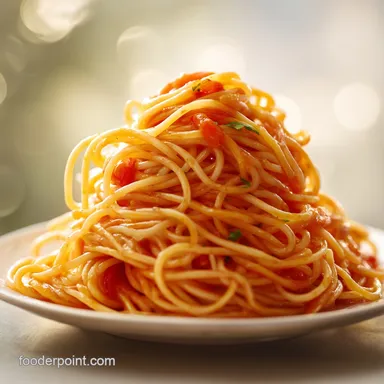
Million Dollar Spaghetti: Creamy Cheese Bake
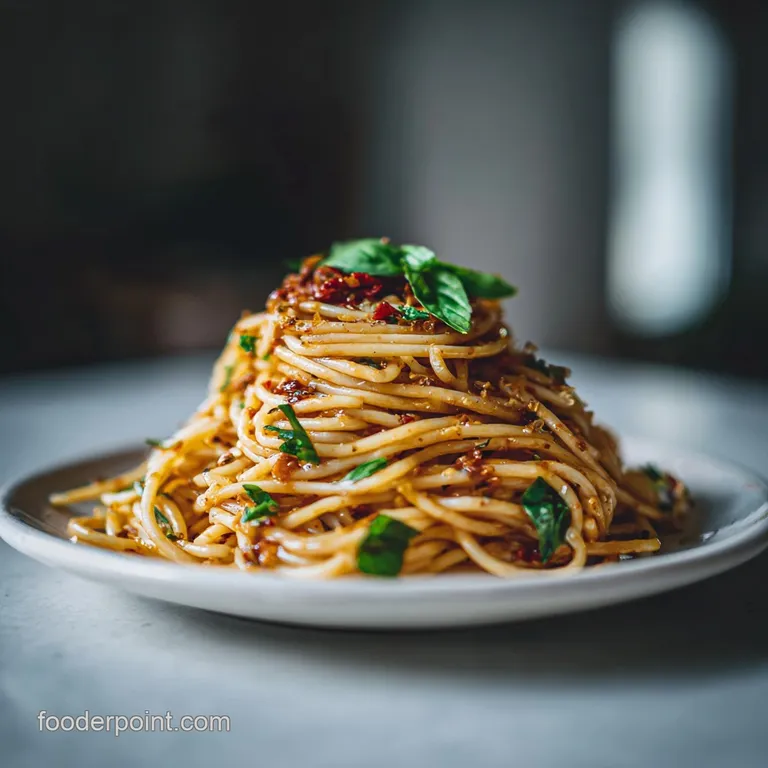
- Time: Active 20 minutes, Passive 40 minutes, Total 1 hour
- Flavor/Texture Hook: A velvety, molten cheese center tucked between layers of savory, herb flecked meat sauce and buttery noodles.
- Perfect for: Sunday family dinners, budget-friendly potlucks, or making ahead for a busy weeknight.
- Mastering the Physics of Million Dollar Spaghetti
- Key Technical Specs for Pasta Success
- The Flavor Building Blocks Explained
- Minimal Tools for the Best Results
- The Multi Step Cooking Process
- How to Fix Common Baking Problems
- Tasty Flavor Variations to Try
- The Truth About Spaghetti Myths
- Freezing and Reheating Guidelines
- Perfect Complements for Your Table
- High in Sodium
- Recipe FAQs
- 📝 Recipe Card
Mastering the Physics of Million Dollar Spaghetti
I remember the first time I pulled a pan of this out of the oven on a rainy Tuesday. The kitchen was filled with that heavy, sweet aroma of simmering tomatoes and browning Italian sausage that just smells like a hug.
I had made regular spaghetti hundreds of times, but the way the cheese bubbled into a golden, crusted landscape changed everything for me. This wasn't just another pasta dish, it was a centerpiece that felt expensive without actually costing much at all.
We've all had those nights where the pasta is dry or the sauce just sits on top like an afterthought. I’ve made those mistakes so you don't have to. The secret I discovered wasn't in some fancy, high end ingredient, but in how we treat the noodles and that middle layer.
When you get that first bite, where the fork hits the shatter of the toasted parmesan and then sinks into the creamy ricotta center, you'll understand why it's a staple in my house. Trust me on this, once you try this method, your old spaghetti recipe is going to feel very lonely in the recipe box.
Right then, let's talk about why this dish actually works so well. It isn't just luck; there is a bit of kitchen logic happening under that cheese hood. We are essentially building a structural masterpiece where the fat from the cheeses protects the pasta from drying out while it bakes.
It’s about balance, texture, and a whole lot of comfort.
The Physics of the Triple Cheese Barrier
- Fat Emulsification: The combination of cream cheese and sour cream creates a stable, moisture rich barrier that prevents the spaghetti from soaking up all the sauce and becoming a gummy mess.
- Starch Suspension: Par boiling the noodles ensures they finish their hydration inside the sauce, allowing them to grab onto the flavors instead of just sitting next to them.
- Maillard Reaction: Using whole milk mozzarella and parmesan on top provides the high protein to sugar ratio needed to create those crispy, browned cheese spots that everyone fights over.
| Meat Sauce Consistency | Visual Cue | Internal Temp | Ideal Texture |
|---|---|---|---|
| Thick & Hearty | Sauce clings to the spoon without running | 74°C (165°F) | Rich, chunky, and sticks to the noodles |
| Medium | Slight liquid pooling at the edges | 70°C (158°F) | Soft and saucy, better for immediate eating |
| Thin/Watery | Sauce slides off the spoon like soup | 65°C (149°F) | Mistake: Will result in a soggy casserole base |
The meat sauce needs to be reduced until it's thick enough to hold its shape. If it's too runny, you'll end up with a puddle at the bottom of your baking dish, and nobody wants that. When you're simmering the ground beef and sausage with the marinara, look for the moment the "sizzle" turns into a "glub" sound.
That's when the excess water has evaporated, and you're left with pure flavor.
Key Technical Specs for Pasta Success
We need to treat each component with a bit of respect to get that "million dollar" result. It’s tempting to just throw everything in a bowl, but the science of the layers is what makes it stand out. Similar to the technique used in our Chicken Fettuccine Alfredo recipe, we want to make sure the fats and proteins are properly integrated before they ever hit the heat of the oven.
| Ingredient | Science Role | Pro Secret |
|---|---|---|
| Cream Cheese (225g) | Acts as a thermal insulator for the pasta | Use full fat only; low-fat will split and become watery under high heat. |
| Italian Sausage (225g) | Provides essential fat and fennel forward aromatics | Brown it until it's almost "crispy" to add a deeper, toasted flavor profile. |
| Spaghetti (450g) | The structural skeleton of the casserole | Undercook by 2 minutes; it will finish cooking in the steam of the sauce. |
| Sour Cream (60ml) | Adds acidity to cut through the heavy fats | Whisk it into the ricotta while cold to prevent the dairy from curdling later. |
The sour cream might seem like a weird addition, but it's the MVP here. It adds a tiny bit of tang that wakes up the heavy cream cheese and ricotta. Without it, the middle layer can feel a bit flat or overly "one note." It’s these small touches that separate a basic bake from something people will ask for every single birthday.
The Flavor Building Blocks Explained
Let's look at what you need to gather. I always suggest getting everything out on the counter before you even turn on the stove. It makes the whole process feel like a breeze rather than a chore.
- 1 lb (450g) lean ground beef (85/15 ratio): Why this? Provides the beefy base without making the casserole overly greasy or oily. Substitute: Ground turkey for a lighter version.
- 0.5 lb (225g) Italian sausage, casing removed: Why this? Adds depth with fennel and spices that plain beef lacks. Substitute: Ground pork with a pinch of fennel seeds.
- 1 small yellow onion, finely diced: Why this? Melts into the sauce to provide a foundational sweetness. Substitute: Shallots for a milder, more refined taste.
- 3 cloves garlic, minced: Why this? Gives that essential punchy aroma that defines Italian American comfort food. Substitute: 1 tsp garlic powder in a pinch.
- 28 oz (790g) high-quality marinara sauce: Why this? The backbone of the flavor; use a brand you'd eat on its own. Substitute: Crushed tomatoes with a tablespoon of tomato paste.
- 1 tsp dried oregano & 0.5 tsp red pepper flakes: Why this? Dried herbs hold up better during the long bake than fresh ones. Substitute: Italian seasoning blend.
- 8 oz (225g) cream cheese, softened: Why this? Creates the iconic "million dollar" creamy core. Substitute: Mascarpone for a richer, sweeter profile.
- 1 cup (245g) whole milk ricotta cheese: Why this? Adds texture and lightens the density of the cream cheese. Substitute: Small curd cottage cheese (drained).
- 0.25 cup (60ml) sour cream: Why this? Adds the necessary acidity to balance the richness of the dairy. Substitute: Greek yogurt.
- 2 tbsp fresh parsley, chopped: Why this? Adds a pop of color and a fresh finish. Substitute: Dried parsley (use 1 tsp).
- 16 oz (450g) spaghetti noodles: Why this? The classic shape that allows the sauce to cling effectively. Substitute: Fettuccine or linguine.
- 4 tbsp (55g) unsalted butter, sliced into pats: Why this? Prevents the noodles from sticking and adds a silky mouthfeel. Substitute: Olive oil, though it won't be as rich.
- 2 cups (225g) whole milk mozzarella cheese, shredded: Why this? Provides the perfect "cheese pull" and meltability. Substitute: Provolone or Monterey Jack.
- 0.5 cup (45g) freshly grated Parmesan cheese: Why this? Adds a salty, nutty bite and helps the top crust brown. Substitute: Pecorino Romano.
Chef Tip: Grate your own mozzarella from a block. Pre shredded cheese is coated in potato starch to keep it from clumping in the bag, which prevents it from melting into that velvety, gooey layer we are looking for.
Minimal Tools for the Best Results
You don't need a kitchen full of gadgets to make this happen. I'm a big fan of keeping the cleanup simple. A large skillet and a standard 9x13 inch (23x33 cm) baking dish are the primary players here.
For the sauce, a heavy bottomed skillet is best because it distributes the heat evenly, preventing the bottom of your meat from scorching while you’re busy chopping the onion. I usually use a 12 inch cast iron or stainless steel pan.
You’ll also need a large pot to boil the pasta and a medium mixing bowl to whip up that creamy cheese center.
If you have a stand mixer, you could use it to whip the cream cheese and ricotta together, but honestly, a sturdy silicone spatula and a bit of elbow grease work just as well. The goal is to get it smooth enough that it can be spread over the noodles without tearing them apart.
The Multi Step Cooking Process
Searing the Protein Base
Start by placing your ground beef and Italian sausage in the cold skillet. Turn the heat to medium high. Letting the meat heat up with the pan allows the fat to render out slowly, which helps in getting a better sear.
Cook the meat until it is deeply browned and no pink remains, breaking it into small crumbles with your spatula.
Simmering the Foundation
Once the meat is browned, add the diced onion. Sauté for about 5 minutes until the onions are translucent and soft. Stir in the garlic, oregano, and red pepper flakes, cooking for just 1 minute until you can smell the garlic clearly.
Pour in the marinara sauce and bring it to a gentle simmer. Reduce the heat to low and let it bubble away for 15 minutes. This allows the flavors to marry and the sauce to thicken.
Preparing the Stabilizing Cream
While the sauce simmers, grab your mixing bowl. Combine the softened cream cheese, ricotta, sour cream, and fresh parsley. Use your spatula to fold and press the mixture until it is completely smooth and uniform in color.
Note: If your cream cheese is still a bit cold, it will be lumpy, so make sure it's truly at room temperature.
Par Boiling the Spaghetti
Bring a large pot of salted water to a boil. Add the spaghetti and cook for exactly 2 minutes less than the package directions for "al dente." We want the noodles to have a definite "bite" or even a slightly chalky center. Drain the pasta and return it to the pot.
Toss with the butter pats until the butter is melted and every strand is glistening.
Constructing the Layers
Preheat your oven to 180°C (350°F). Spread about 1 cup of the meat sauce in the bottom of a 9x13 inch baking dish. Layer half of the buttery spaghetti over the sauce. Now, carefully spread the entire cream cheese mixture over the pasta.
It doesn't have to be perfect, but try to get it to the edges. Note: This creates a seal that keeps the bottom noodles moist.
Achieving the Golden Bake
Top the cream cheese layer with the remaining spaghetti, followed by the rest of the meat sauce. Sprinkle the mozzarella and parmesan evenly over the top. Cover the dish with foil (tented so it doesn't touch the cheese). Bake for 20 minutes.
Remove the foil and bake for another 15 to 20 minutes until the cheese is bubbling and has developed golden brown spots. Let it rest for 10 minutes before slicing.
How to Fix Common Baking Problems
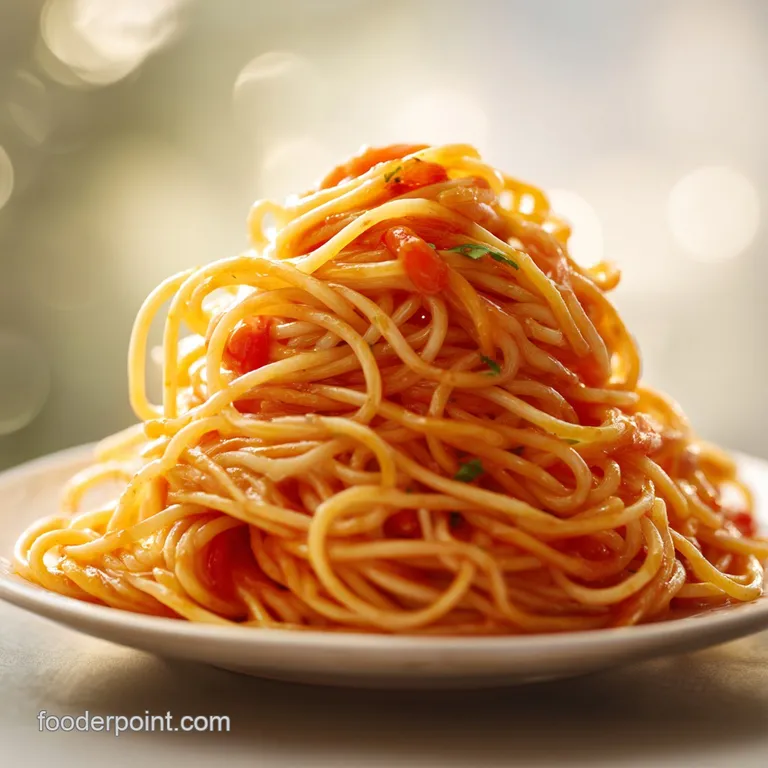
Even the best of us hit a snag sometimes. The most common issue with any baked spaghetti is usually related to moisture levels. If you find your casserole is looking a bit "soupy" after you take it out, don't panic.
Preventing a Watery Casserole
This usually happens if the noodles weren't drained well enough or the sauce was too thin. When you drain your pasta, give it a few extra shakes or even a quick pat with a clean kitchen towel. If the sauce looks thin, let it simmer uncovered for an extra 10 minutes to reduce the water content.
The goal is a thick, jammy consistency before it goes into the oven.
Fixing a Dry Bake
On the flip side, if the edges of the pasta are crunchy or the sauce has disappeared, it’s likely overcooked or the oven was too hot. Next time, ensure you are using the foil for the first half of the baking time. This traps the steam and keeps the noodles hydrated.
If it comes out dry, you can spoon a little extra warm marinara over individual servings to bring back that velvety mouthfeel.
| Problem | Root Cause | Solution |
|---|---|---|
| Greasy surface | Sausage fat wasn't drained | Drain the browned meat in a colander before adding the sauce. |
| Lumpy cheese layer | Cream cheese was too cold | Microwave the mixture for 15 seconds and whisk vigorously to smooth it out. |
| Mushy noodles | Pasta was overcooked initially | Boil the spaghetti for 2-3 minutes less than the box suggests. |
Common Mistakes Checklist
- ✓ Don't skip the butter on the noodles; it acts as a flavor carrier and prevents clumping.
- ✓ Always use whole milk dairy; the lower fat versions contain more water and will cause the dish to separate.
- ✓ Let the casserole rest for at least 10 minutes; this allows the cheese layers to set so you get clean slices.
- ✓ Avoid rinsing the pasta after draining; you want the natural starches to help the sauce and cheese stick.
- ✓ Ensure the meat is crumbled small; large chunks of beef can make the layers unstable when serving.
Tasty Flavor Variations to Try
Once you've mastered the classic, you can start playing with the profile. I love this recipe because it’s so adaptable. If you're looking for something a bit different after dinner, you might want to try making a batch of my Peanut Butter Cookies recipe for a quick dessert.
- Million Dollar Spaghetti Alfredo: Swap the marinara for a thick white garlic sauce and use shredded chicken instead of beef. It’s incredibly rich and feels like a total indulgence.
- The "Garden" Loaded Baked Spaghetti: Add sautéed mushrooms, bell peppers, and spinach to the meat sauce. It adds a nice earthiness and a bit of crunch to the texture.
- Spicy Arrabiata Style: Double the red pepper flakes and use "hot" Italian sausage to give it a kick that balances the creamy middle layer perfectly.
Scaling the Recipe Up or Down
If you're cooking for a crowd, this recipe doubles easily. Just use two 9x13 inch pans rather than one giant deep dish to ensure even heat penetration. For the spices and salt, increase them by 1.5x rather than a full 2x to avoid over seasoning.
If you’re only cooking for two, you can halve all the ingredients and use an 8x8 inch (20x20 cm) square pan. Reduce the initial covered baking time by about 5 minutes, but keep an eye on the cheese browning during the final stage.
If you have half an egg leftover from another recipe, you can actually whisk it into the ricotta layer to help it set even more firmly in a smaller dish.
| Method | Time | Texture | Best For |
|---|---|---|---|
| Traditional Oven | 40 mins | Crispy top, molten center | Best flavor and texture |
| Stovetop Only | 20 mins | Completely soft and creamy | Quick meals, but lacks the "crust" |
| Crock Pot | 4 hours (Low) | Very tender, almost like a stew | Set and forget convenience |
The Truth About Spaghetti Myths
There’s a common myth that you need to add oil to your pasta water to keep the noodles from sticking. This is actually a mistake! The oil coats the pasta and prevents the sauce and the "million dollar" cheese mixture from sticking to the strands. Just use plenty of water and a good palmful of salt.
Another misconception is that searing the meat "seals in the juices." In reality, searing is all about the Maillard reaction creating those complex, savory flavor compounds on the surface of the meat. The more color you get on that beef and sausage, the more "expensive" your sauce is going to taste.
Freezing and Reheating Guidelines
This is one of the best freezer meals in existence. You can freeze it before or after baking. To freeze before baking, assemble everything in a freezer safe foil pan, cover tightly with plastic wrap and then foil. It will stay fresh for up to 3 months.
When you're ready to eat, thaw it in the fridge overnight and bake as directed, adding about 10 extra minutes to the covered time.
For leftovers, the fridge is your friend for up to 4 days. I find that reheating in the microwave can sometimes make the pasta a bit soft, so if you have the time, a 180°C (350°F) oven for 15 minutes is the way to go.
It brings back that slight crunch on the top cheese layer.
Zero Waste Kitchen Tips
Don't throw away those parmesan rinds! If you buy a wedge of parmesan, save the hard end and drop it into the meat sauce while it simmers. It adds a massive hit of umami and saltiness that you can't get from the grated stuff alone. Also, if you have leftover sauce that didn't fit in the pan, save it in a jar.
It’s perfect for dipping garlic bread or as a quick base for a pizza later in the week.
Perfect Complements for Your Table
When it comes to serving, you want something to cut through all that glorious cheese. A simple green salad with a sharp balsamic vinaigrette is my go to. The acidity of the dressing cleanses the palate between bites of the rich pasta.
Garlic bread is, of course, a non negotiable for many. I like to make mine extra "shatter crisp" by broiling it for the last 2 minutes that the spaghetti is resting.
The contrast between the soft, velvety center of the Million Dollar Spaghetti and the crunch of the bread is exactly what a comfort meal should be. If you're looking for more inspiration, think about how the textures of this dish would pair with a side of roasted broccoli or steamed green beans anything with a bit of "snap" will work wonders.
High in Sodium
1020 mg mg of sodium per serving (44% % of daily value)
The American Heart Association recommends limiting sodium intake to approximately 2,300mg per day for optimal health.
Tips to Reduce Sodium in Your Recipe
-
Reduce Sodium in Sausage-25%
Italian sausage is a major sodium contributor. Substitute with a low-sodium or sodium free Italian sausage, or replace half the amount with additional lean ground beef.
-
Choose Low-Sodium Cheese-15%
Mozzarella and Parmesan can be high in sodium. Opt for low-sodium mozzarella and consider using less Parmesan, or substituting with nutritional yeast for a cheesy flavor.
-
Low-Sodium Marinara Sauce-20%
Marinara sauce is often a hidden source of sodium. Choose a no-salt added or low-sodium marinara sauce or consider making your own using fresh tomatoes.
-
Unsalted Butter-10%
Using unsalted butter in place of salted butter will significantly reduce the sodium content without impacting the flavor.
-
Rinse Cooked Pasta-5%
Rinsing the spaghetti noodles after cooking can help remove some excess sodium that may have been absorbed during boiling.
-
Spice it Up!
Enhance the flavor of your dish with fresh or dried herbs and spices like basil, oregano, garlic powder, or black pepper to reduce the need for salt.
Recipe FAQs
Is it true I need to use a heavy bottomed skillet for the meat sauce?
Yes, a heavy bottomed skillet is best. This tool distributes heat evenly, which prevents the bottom layer of meat and aromatics from scorching while you build flavor.
Should I cook the spaghetti fully before assembling the casserole?
No, undercook the spaghetti slightly. You should boil the noodles for exactly 2 minutes less than the package directions, as they will finish cooking in the sauce during the oven bake.
How do I prevent the creamy cheese layer from splitting or becoming watery during baking?
Use only full fat dairy products for the cheese layer. low-fat versions contain excess water that will separate when exposed to the high heat of the oven.
How to ensure the top cheese layer browns nicely instead of just melting?
Bake without foil for the final 15 to 20 minutes. This exposes the mozzarella and Parmesan to direct heat, achieving the desirable Maillard reaction and golden crust.
Can I assemble this dish entirely ahead of time?
Yes, assembly up to 24 hours ahead is recommended. Assemble the entire casserole, cover tightly, and keep it refrigerated until you are ready to bake it.
Why is sour cream listed as an ingredient if this is a baked Italian dish?
The sour cream adds essential acidity to the cream cheese layer. This tanginess balances the overall richness of the heavy dairy components, preventing the middle layer from tasting flat.
How long should the baked casserole rest after coming out of the oven?
Let the dish rest for 10 minutes before slicing. This resting period allows the molten cheese layers to set slightly, ensuring cleaner serving portions.
Million Dollar Spaghetti Bake