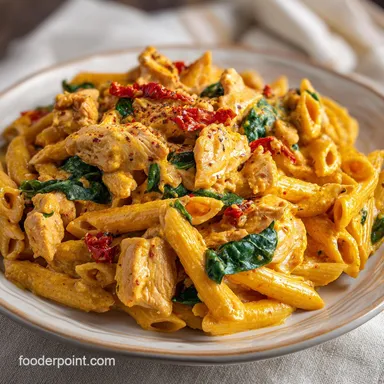
Creamy Tuscan Chicken Pasta with Sun-Dried Tomatoes
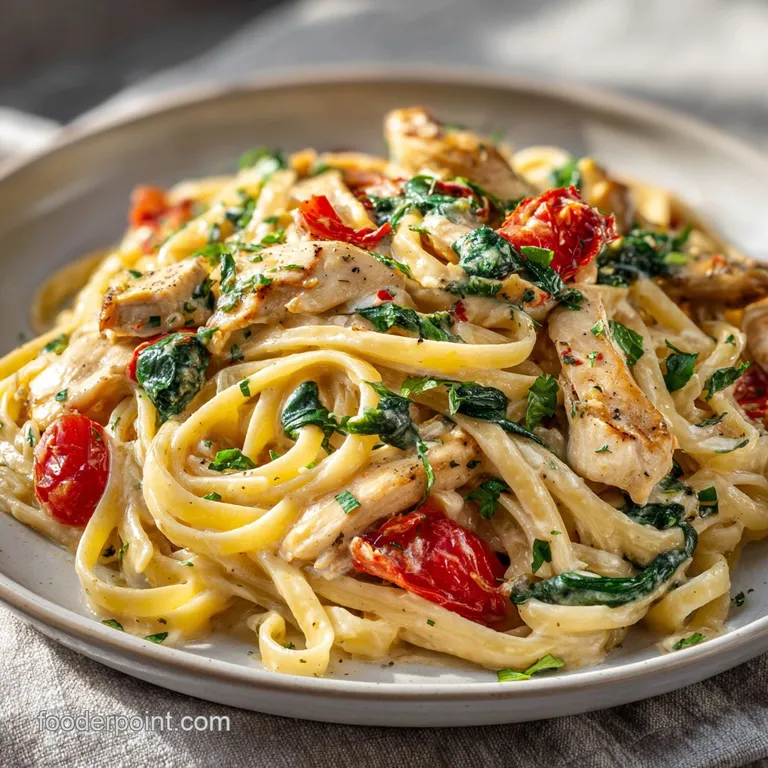
- Time: Active 10 minutes, Passive 15 minutes, Total 25 minutes
- Flavor/Texture Hook: Silky, garlicky cream sauce with a vibrant sun dried tomato punch.
- Perfect for: Busy weeknight dinners or impressing guests with minimal effort.
- Master the Creamy Tuscan Chicken Pasta
- Why This Recipe Works
- Essential Ingredient Science
- Simple Component Substitutions
- Required Kitchen Tools
- Step-by-Step Cooking Flow
- Fixing Sauce And Texture
- Recipe Scaling Guidelines
- Debunking Tuscan Cooking Myths
- Storage And Zero Waste
- Perfect Pairing Suggestions
- High in Sodium
- Recipe FAQs
- 📝 Recipe Card
Master the Creamy Tuscan Chicken Pasta
The first time I attempted a creamy pasta, it was a disaster. I ended up with a clumpy, greasy mess because I dumped the cheese into boiling liquid. But then I discovered the trick of using the oil from the sun dried tomato jar to sear the chicken.
The moment those strips hit the pan, the aroma of concentrated tomato and herbs filled my kitchen, and I knew I was onto something special.
You're looking for that specific velvety coat on the noodles, not a watery puddle at the bottom of the bowl. We've all had those pasta dishes that look great for five seconds and then seize up. This recipe is different because we're focusing on the marriage of fat and starch.
It's hearty, comforting, and honestly, way better than what you’ll find at most chain restaurants.
Trust me, once you see the way the spinach wilts into that shimmering orange tinted cream, you'll be hooked. We aren't doing anything fancy or "gourmet" here; we’re just using real food and a few smart techniques to make a budget friendly meal feel like a total treat.
Let's get into how we actually make this work without the sauce breaking.
Why This Recipe Works
Starch Fat Emulsion: Pasta water contains released starches that act as a bridge between the heavy cream and the Parmesan cheese. This prevents the sauce from separating and creates a cohesive, silky coating on every penne tube.
Maillard Mastery: Searing the chicken in the sun dried tomato oil creates a deep, savory crust through the Maillard reaction. This fond (the brown bits) on the pan floor is then deglazed by the cream, infusing the entire sauce with concentrated chicken flavor.
Acidic Balance: The concentrated acidity in the julienned sun dried tomatoes cuts through the richness of the heavy cream. This prevents the dish from feeling overly heavy or one note on the palate.
Residual Heat Wilting: Adding the spinach at the very end ensures it softens into a tender texture without becoming slimy or losing its vibrant green hue. The carryover heat from the pasta and sauce is exactly enough to cook it perfectly.
| Thickness | Internal Temp | Rest Time | Visual Cue |
|---|---|---|---|
| 1 inch strips | 165°F (74°C) | 3 minutes | No pink, juices run clear |
| 1/2 inch cubes | 165°F (74°C) | 2 minutes | Golden brown exterior |
| Thin cutlets | 165°F (74°C) | 4 minutes | Firm to the touch |
When you're working with chicken breast, precision is everything. If you overcook it by even two minutes, it goes from succulent to rubbery. I always suggest pulling the chicken when it hits 160°F because that carryover heat will carry it the rest of the way while it rests on your cutting board.
Essential Ingredient Science
Understanding what each component does helps you pivot if you run out of something. For instance, the Parmesan isn't just for salt; it's a structural element for the sauce.
| Ingredient | Science Role | Pro Secret |
|---|---|---|
| Heavy Cream | Fat Base | Bring to room temp to prevent curdling when hitting the hot pan. |
| Parmesan Cheese | Emulsifier | Grate it yourself; pre shredded cheese has cellulose that prevents a smooth melt. |
| Sun Dried Tomato Oil | Flavor Carrier | This oil is liquid gold; it's infused with herbs and high flavor fats. |
| Pasta Water | Binding Agent | Save a full cup; the cloudy water is the "glue" for your sauce. |
Using the right pasta shape matters too. Penne or fettuccine are the champions here because they have the surface area to hold onto that thick, creamy sauce. If you use something like angel hair, the sauce will simply overwhelm the delicate strands.
Simple Component Substitutions
I've learned the hard way that you can't always find julienned tomatoes in every shop. Sometimes you have to make do with what’s in the pantry. Here is how you can swap things out without ruining the vibe of the meal.
- 1.5 lbs chicken breast: Use chicken thighs for a juicier, more forgiving protein. Why this? Thighs have more fat and won't dry out as quickly.
- 12 oz penne pasta: Fettuccine or rigatoni work beautifully. Why this? Large surface areas catch and hold the heavy cream sauce.
- 1/2 cup heavy cream: Full fat coconut milk (canned). Why this? Similar fat content but adds a slight nutty/tropical undertone.
- 1/2 cup Parmesan cheese: Pecorino Romano. Why this? It's saltier and tangier, providing a sharper flavor profile.
- 3 cups fresh baby spinach: Tuscan kale (stems removed). Why this? Holds its structure longer but requires 2 minutes more cook time.
- 4 cloves garlic: 1 tsp garlic powder. Why this? Use in a pinch, but you'll lose the aromatic punch of fresh cloves.
Required Kitchen Tools
You don't need a professional kitchen, but a few specific items make the process much smoother. I personally love using a heavy bottomed skillet because it holds heat so consistently. If you're looking for a great all rounder, a cast iron skillet (like a Lodge) is my go to for getting that perfect sear on the chicken.
- Large Skillet: A 12 inch pan ensures you don't overcrowd the chicken strips.
- Large Pot: For boiling the pasta (don't forget to salt the water like the sea).
- Microplane or Grater: Essential for getting that fine, meltable Parmesan dust.
- Tongs: Perfect for tossing the pasta and ensuring every inch is coated in sauce.
- Chef's Knife: A sharp blade makes quick work of those sun dried tomatoes and garlic.
Step-by-step Cooking Flow
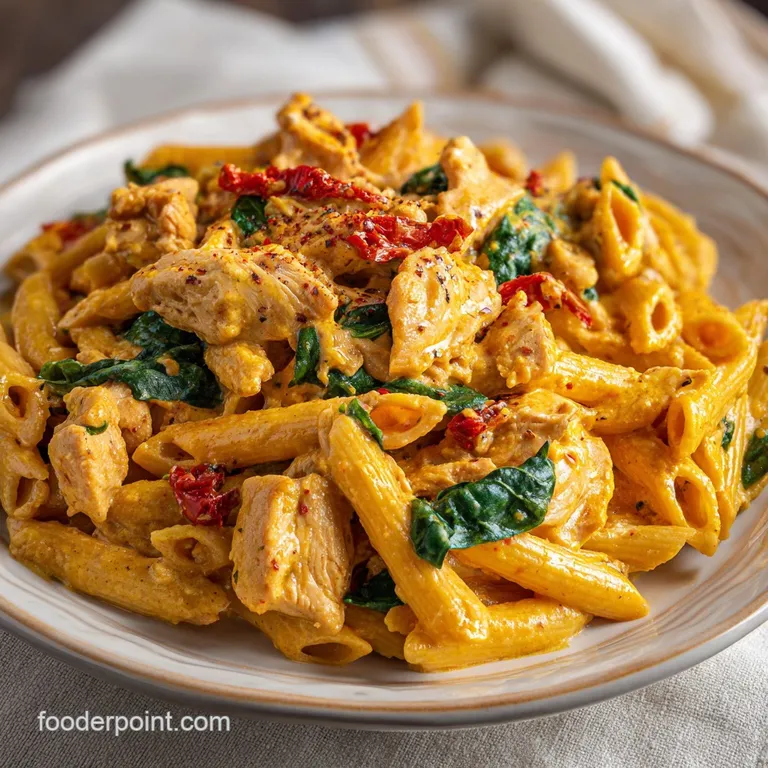
Right then, let's get cooking. The key here is the timing you want your pasta to finish just as your sauce is reaching its peak creaminess. If the pasta sits too long, it gets gummy.
- Boil the pasta. Cook 12 oz penne in salted water until just al dente. Note: Reserve 1 cup of starchy water before draining.
- Season the protein. Toss 1.5 lbs chicken strips with 1 tsp salt, 1/2 tsp pepper, and 1 tsp oregano.
- Sear the chicken. Heat 1 tbsp sun dried tomato oil in a large skillet over medium high heat. Add chicken.
- Develop the crust. Cook chicken for 5-7 minutes until golden brown and no longer pink. Remove and set aside.
- Sauté aromatics. In the same pan, add 4 cloves minced garlic and 1/2 tsp red pepper flakes. Cook 1 minute until fragrant but not burnt.
- Build the base. Stir in 1/2 cup sun dried tomatoes and 1/2 cup heavy cream. Bring to a gentle simmer.
- Emulsify the sauce. Whisk in 1/2 cup Parmesan cheese and 1/4 cup reserved pasta water. Stir until velvety and smooth.
- Combine. Add the cooked pasta and seared chicken back into the skillet.
- Wilt the greens. Toss in 3 cups fresh baby spinach. Stir for 1-2 minutes until spinach is bright green and soft.
- Adjust and serve. Add more pasta water if the sauce is too thick. Season with extra black pepper to taste.
Chef's Tip: Freeze your block of Parmesan for 10 minutes before grating. It makes the cheese firmer and prevents it from clumping or melting against the heat of your hands while you grate.
Fixing Sauce And Texture
Even the best cooks run into trouble sometimes. The most common issue with this Creamy Tuscan Chicken Pasta is the sauce becoming too thick as it cools, or the chicken turning out a bit tough. If you've ever had your sauce "break" (where the oil separates), don't panic. It's usually a temperature or moisture issue.
Why Your Sauce Separated
If your sauce looks oily or grainy, the heat was likely too high when you added the cheese, or you used pre shredded cheese. The high heat causes the proteins in the dairy to tighten and squeeze out the fat.
To fix this, remove the pan from the heat immediately and whisk in a tablespoon of cold pasta water or a splash of room temperature cream. The moisture helps re bind the emulsion.
Rubbery Chicken Texture
This usually happens if the pan wasn't hot enough when the chicken went in, leading to "steaming" rather than searing. Or, you might have crowded the pan. If the chicken is already cooked and tough, there's no way to "uncook" it, but you can slice it into thinner pieces before tossing it back into the sauce so it's easier to chew.
| Problem | Root Cause | Solution |
|---|---|---|
| Dry/Thick Sauce | Pasta absorbed the liquid | Whisk in 1/4 cup reserved pasta water until silky. |
| Bland Flavor | Not enough acidity/salt | Add a squeeze of lemon juice or extra sun dried tomato oil. |
| Slimy Spinach | Overcooked the greens | Add spinach at the very last second; use residual heat only. |
Similar to the technique used in our Creamy Garlic Shrimp recipe, the key to a stable cream sauce is maintaining a low, consistent simmer rather than a rolling boil once the dairy is added.
Common Mistakes Checklist:
- ✓ Pat chicken completely dry with paper towels before seasoning (prevents steaming).
- ✓ Never skip the pasta water; it's the most important ingredient for the sauce texture.
- ✓ Add the Parmesan off the heat or on very low heat to prevent clumping.
- ✓ Don't wash the skillet after searing the chicken; those brown bits are pure flavor.
- ✓ Use fresh garlic, not the jarred stuff, for a more vibrant aromatic profile.
Recipe Scaling Guidelines
If you're cooking for a crowd or just for yourself, you can't just double or half everything blindly. Some things, like salt and spices, don't scale linearly.
Scaling Down (1-2 Servings) Cut the chicken and pasta in half. Use a smaller 8 inch skillet to ensure the sauce doesn't evaporate too quickly. You might need a bit more pasta water proportionally to keep things moving.
Reduce the cooking time for the chicken by about 20% since the pan will stay hotter with less cold meat in it.
Scaling Up (8+ Servings) When doubling, only increase the salt and red pepper flakes to 1.5x. You can always add more later, but it's easy to over season a large batch.
Work in batches to sear the chicken if you crowd the pan, the chicken will boil in its own juices instead of getting that "shatter"-crisp exterior. Use a large Dutch oven instead of a skillet to give yourself room to toss the pasta properly.
For a different approach to a large batch family meal, you might find my Sheet Pan Chicken recipe helpful for managing oven space while you focus on the stovetop sauce.
| Method | Time | Texture | Best For |
|---|---|---|---|
| Stovetop | 25 mins | Creamy & Seared | Best overall flavor/texture |
| Crockpot | 4 hours | Shredded & Tender | Set and forget convenience |
| Instant Pot | 15 mins | Soft & Unitary | Quick one pot cleanup |
Debunking Tuscan Cooking Myths
One major misconception is that "Tuscan" means this is a traditional dish from Tuscany, Italy. In reality, this specific combination of heavy cream, spinach, and sun dried tomatoes is largely an Italian American creation. In Tuscany, sauces are usually much lighter, focusing on olive oil, beans, and fresh herbs.
But hey, that doesn't make it any less comforting or delicious in our kitchens!
Another myth is that you must use fresh pasta for a "better" result. Honestly, don't even bother with fresh pasta for this specific recipe. high-quality dried pasta (look for "bronze cut" on the label) actually has a rougher surface that grips this heavy cream sauce far better than smooth, fresh egg pasta ever could.
Finally, people often think searing the chicken "seals in the juices." Science tells us this isn't true moisture is lost during cooking regardless. However, searing creates the Maillard reaction, which is that golden brown crust that provides the savory depth this dish needs.
Storage And Zero Waste
This pasta keeps remarkably well if you store it correctly, though the sauce will naturally thicken as it sits in the fridge.
- Fridge: Store in an airtight container for up to 3 days. When reheating, add a splash of milk or water to loosen the sauce back to its velvety state.
- Freezer: I don't recommend freezing this dish. Heavy cream based sauces tend to separate and become grainy when thawed and reheated. If you must, freeze the chicken and sun dried tomato base separately and add fresh cream when you're ready to eat.
- Reheating: Use the stovetop on low heat. Avoid the microwave if possible, as it can cause the oil in the cheese to separate, leaving you with a greasy plate.
Zero Waste Tips: Don't throw away that sun dried tomato oil! Use it for salad dressings, roasting potatoes, or even as a base for frying eggs. If you have leftover spinach that's starting to look a bit sad, blend it into a pesto or toss it into a morning smoothie.
Even those parmesan rinds can be saved in the freezer and dropped into your next soup or stew for a massive umami boost.
Perfect Pairing Suggestions
Since this Creamy Tuscan Chicken Pasta is quite rich and heavy, you want to pair it with something that offers high acidity or crunch to reset your palate between bites.
A simple arugula salad with a sharp lemon vinaigrette is my go to. The peppery bite of the arugula and the citrus acidity cut right through the heavy cream. If you're looking for something heartier, a side of roasted broccoli or charred asparagus works wonders.
The charred bits offer a bitter contrast to the sweet sun dried tomatoes.
If you want a lighter meal, do this: Swap the pasta for zoodles or spaghetti squash. Replace half the heavy cream with chicken broth. Double the spinach to increase the volume without adding calories.
For another comforting option that feeds a family without breaking the bank, check out my Beef Stir Fry recipe. It uses a similar logic of over high heat protein searing followed by a quick, emulsified sauce. Whether you're making this Tuscan classic or a quick stir fry, the secret is always in the prep flow and the pan temperature. Happy cooking!
High in Sodium
1125 mg mg of sodium per serving (49% % of daily value)
The American Heart Association recommends limiting sodium intake to about 2,300mg per day.
Tips to Reduce Sodium in Your Creamy Tomato Chicken Pasta
-
Lower Sodium Cheese-15%
Parmesan cheese is a significant source of sodium. Reduce the amount of Parmesan by half, or substitute with a lower sodium cheese like part skim ricotta or a fresh mozzarella. This will significantly lower the sodium content while still providing cheesy flavor.
-
Rinse Sun-Dried Tomatoes-10%
Sun-dried tomatoes can be high in sodium, especially if they are packed in oil with added salt. Rinse the julienned sun-dried tomatoes thoroughly under water before adding them to the recipe to remove excess sodium.
-
Reduce Added Salt-25%
Cut back on the added kosher salt. Start by using only 1/2 teaspoon instead of 1 teaspoon and taste as you go. Remember, you can always add more, but you can't take it away.
-
Spice it Up!
Instead of relying on salt for flavor, enhance the dish with more herbs and spices. Consider adding more garlic, oregano, and red pepper flakes to boost the taste without increasing sodium.
Recipe FAQs
Can I substitute chicken broth for the heavy cream to make this lighter?
No, you must keep the fat content high for success. Heavy cream provides the necessary fat for a stable emulsion with the Parmesan and starch from the pasta water.
How to prevent the Parmesan cheese from clumping when added to the sauce?
Remove the pan from the heat before stirring in the cheese. High direct heat causes the cheese proteins to tighten up, leading to a grainy or separated sauce.
Is it true that sun dried tomatoes must be soaked before use in this recipe?
No, soaking is unnecessary if you use oil-packed tomatoes. The oil already softens the tomatoes, and the small amount of liquid released helps flavor the chicken searing step.
How to ensure the chicken stays juicy instead of drying out?
Sear the chicken strips quickly over medium high heat until they reach 165°F internally. Use tongs to frequently turn the pieces so all sides develop a nice brown crust without overcooking the center.
Why is reserving the pasta water explicitly listed as a critical step?
The starchy water acts as the primary binding agent for the sauce. These starches help emulsify the fat (cream) and the solids (cheese) into that signature silky coating; it’s key to texture control.
How long can I safely store the leftovers in the refrigerator?
Yes, leftovers keep well for up to 3 days. When reheating on the stovetop, incorporate a splash of milk or fresh water to help re-emulsify the sauce, which thickens considerably upon cooling.
What is the secret to getting a truly velvety sauce texture?
Grate your own Parmesan cheese fresh from a block, not pre-shredded. Pre-shredded cheese contains anti caking agents that prevent it from melting smoothly into the sauce base.
Creamy Tuscan Chicken Pasta