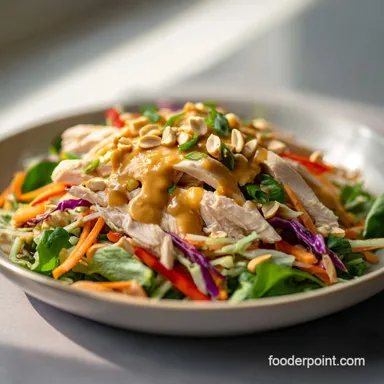
Thai Chicken Salad Peanut Dressing
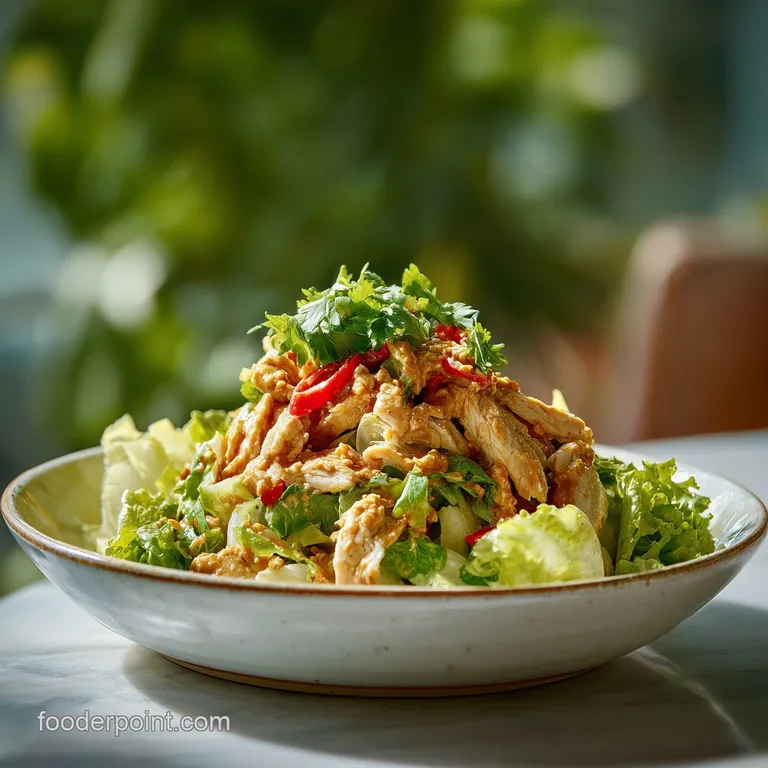
- Time: Active 15 minutes, Passive 10 minutes, Total 25 minutes
- Flavor/Texture Hook: Shatter crisp cabbage meets velvety, spiced nut sauce
- Perfect for: High protein meal prep or a refreshing family weeknight dinner
- The Secret to a Vibrant Thai Chicken Salad Peanut Dressing
- Understanding the Specs for Your High Protein Thai Salad
- Selecting the Best Components for a Balanced Flavor Profile
- Essential Kitchen Tools for Slicing and Whisking with Precision
- Step by Step Guide to a Fast and Fresh Assembly
- Solving Common Texture Issues for the Best Salad Results
- Adapting the Recipe for Different Diets and Palate Preferences
- How to Keep Your Salad Fresh for Meal Prep Success
- Presentation Tips for a Restaurant Style Thai Salad Experience
- High in Sodium
- Recipe FAQs
- 📝 Recipe Card
The Secret to a Vibrant Thai Chicken Salad Peanut Dressing
The first time I tried to recreate a proper Thai chicken salad peanut dressing at home, it was a total disaster. I used a cheap, sugary peanut butter and didn't balance it with enough acid, resulting in a cloying, heavy paste that made my beautiful greens look sad and wilted.
But then, I heard that familiar sizzle as I dropped thinly sliced chicken into a ripping hot pan, and I realized the secret wasn't just in the sauce it was in the contrast between the warm, savory protein and the cold, crisp cabbage.
Now, every time I make this, the aroma of toasted nuts and fresh lime fills my kitchen, and I’m reminded why this is such a staple in our house. It’s hearty enough to keep everyone full but light enough that you don't feel like napping afterward.
We’ve all been there with those soggy takeout salads, but this version stays bright and snappy because we treat the ingredients with respect.
Trust me on this one: once you see how that velvety dressing clings to the julienned peppers and shredded Napa cabbage, you'll never go back to the bottled stuff. It’s a budget friendly way to feel like you’re eating at a high end bistro right at your own kitchen table.
We’re going for real food with big impact, and this recipe delivers that every single time without needing a dozen specialty tools.
Understanding the Specs for Your High Protein Thai Salad
Before we get our hands messy, let's look at how this dish comes together. This isn't just a side dish; it's a full meal designed to satisfy four hungry people with nearly 50 grams of protein per serving.
It's a strategic way to use a pound of chicken breast and turn it into a volume heavy feast that doesn't break the bank.
| Method | Time | Texture | Best For |
|---|---|---|---|
| Stovetop | 10 minutes | Golden, seared exterior with juicy center | Quick weeknight dinners with maximum flavor |
| oven roasted | 15 minutes | Evenly cooked, slightly firmer bite | Hands off prep if you are multitasking |
Choosing the stovetop method is my personal favorite because it allows for that beautiful Maillard reaction on the chicken strips. If you've ever enjoyed a Chicken Lettuce Wraps recipe, you know that the char on the meat provides a smoky depth that balances the sweet and sour notes of the dressing.
Selecting the Best Components for a Balanced Flavor Profile
The magic of this dish lies in the structural integrity of the vegetables. We use Napa and red cabbage because they provide a sturdy base that won't turn into a puddle the second the dressing hits them.
The red bell pepper and carrots add that necessary crunch and a pop of color that makes the plate look professionally assembled.
Component Analysis
| Ingredient | Science Role | Pro Secret |
|---|---|---|
| Creamy Peanut Butter | Primary Emulsifier | Use a brand with no added sugar for better control |
| Fresh Lime Juice | Protein Denaturant | Roll the lime on the counter first to maximize juice |
| Warm Water | Viscosity Regulator | Add slowly to achieve a velvety, pourable consistency |
When gathering your essentials, make sure you have 450g of chicken breast and your 400g of Napa cabbage ready. For the dressing, the 125g of peanut butter is the backbone, but don't skip the 15ml of rice wine vinegar it provides the sharp brightness that cuts through the fat. If you find yourself craving something a bit more indulgent but still within the chicken family, you might enjoy the flavor profile of a Creamy Tuscan Chicken recipe, though today we are keeping things much lighter and more refreshing.
The Shopping List
- 450g chicken breast, thinly sliced into strips
- 400g Napa cabbage, shredded Why this? It's tender but holds its crunch better than iceberg.
- 200g red cabbage, shredded
- 1 large red bell pepper, julienned
- 150g carrots, matchstick cut
- 30g fresh cilantro, roughly chopped
- 30g fresh mint leaves, torn
- 4 green onions, thinly sliced
- 50g roasted peanuts, crushed Why this? Adds essential texture and reinforces the nut flavor.
- 15ml neutral oil
- 125g creamy peanut butter
- 45ml low sodium soy sauce
- 30ml fresh lime juice
- 15ml rice wine vinegar
- 15ml honey
- 5g fresh ginger, grated
- 1 clove garlic, minced
- 5ml sriracha
- 30ml warm water
Essential Kitchen Tools for Slicing and Whisking with Precision
You don't need a pantry full of gadgets to make a thai chicken salad peanut dressing that rivals your favorite restaurant. However, a few basics will make the process much smoother. A sharp chef’s knife is non negotiable for those matchstick carrots and thin cabbage ribbons.
If your knife is dull, you'll end up crushing the cell walls of the vegetables, which leads to excess moisture and a soggy salad.
A large mixing bowl preferably stainless steel or glass is essential for tossing everything together. You want enough room to move the greens around without them flying over the sides. For the dressing, a small whisk or even a sturdy fork works perfectly to emulsify the peanut butter and liquids.
Chef Tip: If you want the most intense ginger flavor without the woody bits, use the edge of a teaspoon to peel the skin off the ginger before grating it. It’s faster and safer than a vegetable peeler.
Finally,, a heavy bottomed skillet is your best friend for the chicken. Whether it's cast iron or a high-quality non stick, you want something that retains heat well. This ensures that the 15ml of neutral oil stays hot enough to sear the chicken strips quickly, locking in the juices while creating those golden, flavorful edges we're after.
Step by step Guide to a Fast and Fresh Assembly
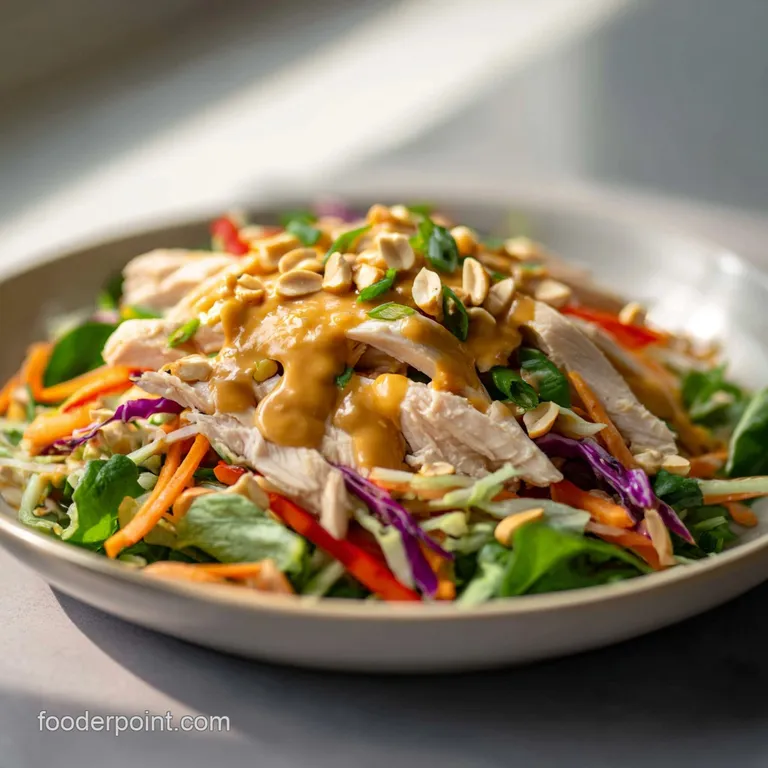
The Science of the Emulsified Nut Sauce
Fat to Acid Ratio: The peanut butter contains long chain fatty acids that require the acetic acid from vinegar and citric acid from lime to break down, creating a stable, velvety emulsion that coats the tongue without feeling greasy.
- Whisk the dressing base. Combine 125g peanut butter, 45ml soy sauce, 30ml lime juice, 15ml rice vinegar, 15ml honey, 5g ginger, 1 clove garlic, and 5ml sriracha in a bowl. Note: Whisking the aromatics into the fat first helps distribute flavor evenly.
- Adjust the consistency. Slowly stream in 30ml warm water until the sauce becomes pourable and smooth.
- Prep the chicken. Pat the 450g chicken breast strips dry with a paper towel. Note: Surface moisture causes steaming instead of searing.
- Sear the protein. Heat 15ml neutral oil in a skillet over medium high heat and add the chicken.
- Cook with precision. Sauté for 8 minutes until the edges are golden and the center is no longer pink.
- Assemble the greens. In a massive bowl, toss together the 400g Napa cabbage, 200g red cabbage, julienned red pepper, and 150g matchstick carrots.
- Incorporate the herbs. Add 30g cilantro, 30g torn mint, and the sliced green onions to the vegetable mix.
- Combine and toss. Pour half of the peanut dressing over the vegetables and toss until every ribbon of cabbage is lightly coated.
- Add the warm element. Place the seared chicken strips on top of the salad while they are still warm.
- Final garnish. Sprinkle with 50g crushed roasted peanuts and the remaining dressing until the salad looks lush and inviting.
Solving Common Texture Issues for the Best Salad Results
One of the most frequent complaints I hear from friends is that their salad turned into a watery mess within ten minutes. This usually happens because the vegetables were still wet from washing or the dressing was applied too early.
Remember, salt and sugar in the dressing will draw moisture out of the cabbage through osmosis.
Why Your Salad Is Soggy
If your bowl is swimming in liquid, the vegetables weren't dried properly after rinsing. Use a salad spinner if you have one, or lay the shredded cabbage out on clean kitchen towels for 15 minutes before assembling. Also, avoid dressing the entire salad if you aren't serving it immediately.
| Problem | Root Cause | Solution |
|---|---|---|
| Gritty Dressing | Cold peanut butter or un dissolved honey | Use warm water and whisk vigorously to emulsify |
| Dry Chicken | Overcooking or skipping the oil | Cook only until 165°F and use a hot pan for a quick sear |
| Dull Flavor | Lack of acidity | Add an extra squeeze of fresh lime juice just before serving |
Common Mistakes Checklist
- ✓ Pat chicken completely dry before searing to ensure a proper golden crust.
- ✓ Use warm water for the dressing; cold water will make the peanut butter seize up.
- ✓ Don't skip the mint; it provides a cooling contrast to the spicy sriracha and ginger.
- ✓ Slice the cabbage as thin as possible to increase the surface area for the dressing to cling to.
- ✓ Add the crushed peanuts at the very last second so they stay shatter crisp.
Adapting the Recipe for Different Diets and Palate Preferences
This recipe is incredibly flexible. If you're looking to save a few dollars, you can swap the Napa cabbage for standard green cabbage, though you'll need to slice it even thinner as it's a bit tougher.
For those with nut allergies, sunflower butter is a surprisingly good substitute for peanut butter, though it will have a slightly more earthy, floral profile.
| Original Ingredient | Substitute | Why It Works |
|---|---|---|
| Soy Sauce (45ml) | Tamari (45ml) | Provides the same salty umami while being gluten-free |
| Honey (15ml) | Maple Syrup (15ml) | Offers a similar sweetness and viscosity for vegan versions |
| Napa Cabbage (400g) | Kale (400g) | Sturdier leaf that handles long term storage even better |
If you want to change the flavor profile entirely, try adding a tablespoon of red curry paste to the dressing. This deepens the spice levels and gives it a more "cooked" curry flavor that works beautifully with the fresh mint.
If you prefer a bit more bulk, tossing in some cooked and chilled rice noodles makes this feel even more like a hearty main course.
How to Keep Your Salad Fresh for Meal Prep Success
Storage is the one area where you have to be strategic. You can store the shredded vegetable mix and the seared chicken in the fridge for up to 4 days, but keep the dressing in a separate jar. If you mix them together, the cabbage will lose its "shatter" and become soft.
The dressing itself stays perfect in the fridge for about a week. Because of the high fat content in the peanut butter, it might firm up when cold. Just take it out 20 minutes before you need it, or give it a 10 second blast in the microwave and a quick whisk with a teaspoon of warm water to bring it back to that velvety state.
For zero waste, don't throw away the cilantro stems! Chop them very finely and whisk them directly into the dressing; they hold a ton of flavor that the leaves sometimes lack. If you have leftover red cabbage, it’s great for quick pickling with a little vinegar and sugar to use on tacos later in the week.
Freezing the assembled salad is not recommended, but you can freeze the seared chicken for up to 2 months.
Presentation Tips for a Restaurant Style Thai Salad Experience
When it comes to serving, I love a "Family Style Spread." Instead of pre tossing everything, lay the dressed greens on a massive platter, nestle the warm chicken in the center, and pile the herbs and peanuts high in the middle.
This allows everyone to grab the proportions they like best and keeps the salad looking structured rather than slumped.
For a "Bistro Presentation," use individual wide, shallow bowls. Place a neat mound of the cabbage mix in the center, fan the chicken strips over the top, and use a spoon to drizzle the dressing in a zigzag pattern.
A final garnish of a lime wedge and a few whole mint leaves makes it look like it came straight out of a professional kitchen.
Remember, we eat with our eyes first! The contrast of the purple cabbage against the bright green mint and the golden chicken is what makes this thai chicken salad peanut dressing so appealing. Serve it while the chicken is still warm for that temperature contrast that makes every bite interesting.
It’s a simple, honest meal that proves you don't need a massive budget to eat exceptionally well at home.
High in Sodium
875 mg mg of sodium per serving (38% % of daily value)
The American Heart Association recommends limiting sodium intake to about 2,300mg per day for adults. Reducing sodium can significantly benefit your heart health.
Tips to Reduce Sodium in Your Chicken and Cabbage Salad:
-
Lower Sodium Soy Sauce-20%
Replace regular soy sauce with low-sodium soy sauce. This simple swap can significantly reduce the sodium content of the dressing. Look for options with less than 100mg sodium per tablespoon.
-
Unsalted Peanuts-15%
Ensure your roasted peanuts are unsalted. Salted nuts contribute unnecessary sodium to the salad. Opting for unsalted versions retains the nutty flavor without the added sodium.
-
Water Down Peanut Butter-10%
Use natural peanut butter with no added salt, or thin with water and add honey. Adjusting peanut butter will reduce sodium and also allow you to control the sweetness in the recipe.
-
Control the Sriracha-10%
Sriracha can contain a considerable amount of sodium. Use it sparingly, or consider using fresh chili for heat with minimal sodium impact.
-
Lime Juice Boost-5%
Increase the amount of fresh lime juice to enhance the tangy flavor, allowing you to reduce the amount of soy sauce needed for the dressing. The acidity will balance the sweetness and richness.
-
Flavor with Herbs & Spices
Experiment with other herbs and spices like ginger, garlic, pepper, and chili flakes to add flavor without sodium. Fresh herbs like cilantro and mint also contribute to a flavorful dish.
Recipe FAQs
Can I substitute a nut-free butter for the peanut butter in the dressing?
Yes, sunflower seed butter works well. It provides a similar fat content and creaminess, although the flavor will lean slightly more floral rather than savory.
How to ensure the chicken sears properly instead of steaming?
Heat the oil until it is shimmering before adding the chicken strips. You must use a high heat source and avoid overcrowding the pan; cook in batches if necessary to maintain high temperature.
Is it true that using leftover shredded cabbage will automatically result in a soggy salad?
No, this is a common misconception. While wet cabbage guarantees sogginess, dry, pre-shredded cabbage holds up well if the dressing is applied just before serving.
What is the best method for achieving a velvety, pourable dressing texture?
Slowly whisk in warm water until the desired viscosity is reached. The warmth helps the peanut butter emulsify properly with the acids and soy sauce.
How long can I prep the components ahead of time for this Thai chicken salad?
You can prep the dressing and chop vegetables up to 3 days in advance. Store them separately from the cooked chicken and only combine immediately before serving to maintain crunch.
If I don't have rice wine vinegar, can I use white vinegar instead?
No, white vinegar is too harsh for this delicate dressing. Rice wine vinegar has a milder acidity; for a better flavor profile, you might look at substituting with something milder, similar to how we balance the savory profile in our Slow Cooker Chicken recipe.
How do I incorporate the fresh ginger for maximum flavor payoff?
Grate the fresh ginger finely and mix it directly into the dressing base. The fine grating ensures the aromatic oils release fully into the emulsion rather than sitting as fibrous chunks.
Thai Chicken Peanut Salad