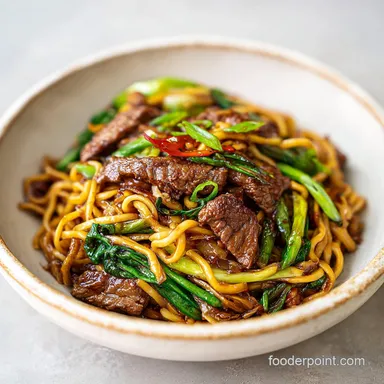
Easy Beef Stir Fry with Noodles
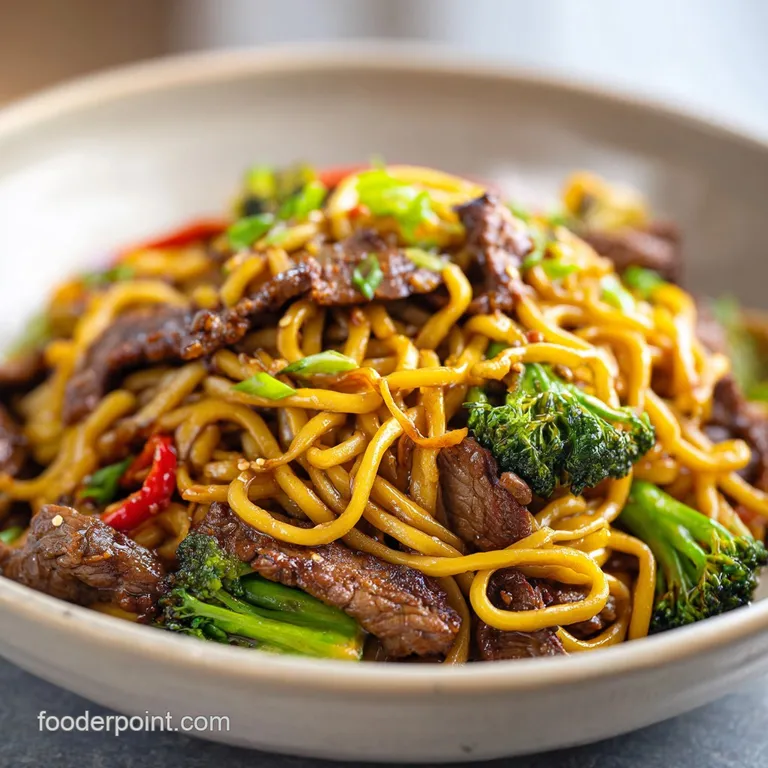
- Time: Active 10 minutes, Passive 10 minutes, Total 20 minutes
- Flavor/Texture Hook: Velvety beef paired with crisp tender veggies and a silky, gingery glaze.
- Perfect for: Busy weeknights when you crave takeout but need to stick to a budget.
- The Secret to This Easy Beef Stir Fry with Noodles
- Essential Recipe Specifications
- Gathering Your Essentials
- Simple Tools for Results
- Steps to a Hearty Meal
- Avoiding Common Cooking Mistakes
- Creative Tweaks for Every Palette
- Safe Storage and Smart Reheating
- Best Ways to Serve It
- Very High in Sodium
- Recipe FAQs
- 📝 Recipe Card
The Secret to This Easy Beef Stir Fry with Noodles
That sharp hiss as the beef hits the hot pan is honestly my favorite sound in the kitchen. It’s the sound of a meal coming together in minutes, the kind of meal that saved me more times than I can count when my kids were little and the "hangry" meltdowns were real.
I used to think you needed a massive wok and a jet engine stove to get that restaurant style flavor, but I was so wrong. This dish is about using what you’ve got a simple skillet and some basic pantry staples to create something that feels like a treat.
I remember the first time I got this right. I’d spent months making tough, grey beef that tasted more like cardboard than dinner. Then I learned the "cornstarch trick" from a neighbor, and everything changed.
Suddenly, the beef was tender, the sauce actually stuck to the noodles instead of pooling at the bottom, and I wasn't scrubbing a burnt pan for an hour. It’s a hearty, comforting plate of food that doesn't demand you be a pro, just that you follow a few clever shortcuts I’ve picked up along the way.
We are going to focus on real food that fills the belly without emptying the wallet. You don't need fancy oils or rare ingredients here. We’re using sirloin, some fresh veggies, and a sauce that hits all those salty sweet notes we love.
Trust me, once you see how fast this hits the table, you’ll never look at a takeout menu the same way again.
Protein Polymerization: The cornstarch creates a protective barrier that keeps moisture inside the beef while encouraging a golden crust. Emulsification Stability: Whisking brown sugar and starch into the broth ensures the sauce thickens instantly into a glossy coating rather than a watery mess.
| Method | Cook Time | Texture | Cleanup |
|---|---|---|---|
| This Fast Method | 10 minutes | Crisp tender veggies, seared beef | One pan, one bowl |
| Traditional Method | 45 minutes | Soft braised textures | Multiple pots and strainers |
| Slow Cooker | 6 hours | Very soft meat, limp veggies | Single pot, but loses "sizzle" |
Every time I make this, I'm reminded that the "fast" way often yields the best texture because we aren't overworking the ingredients. The high heat keeps the carrot and broccoli bright and snappy, which is exactly what a hearty stir fry needs.
Essential Recipe Specifications
When we talk about a 20 minute meal, we mean it. The key is in the prep, because once that oil is shimmering, things move fast. I’ve found that 1 lb of sirloin is the sweet spot for a family of four it’s enough to feel generous without being a budget buster.
Beef and Noodle Component Analysis
| Ingredient | Science Role | Pro Secret |
|---|---|---|
| Sirloin Steak | Provides structural protein | Slice while semi frozen for paper thin strips |
| Cornstarch | Acts as a tenderizing "velvet" | Toss the meat until no dry powder remains |
| Soy Sauce | Delivers salt and amino acids | Use low sodium to control the salt profile |
| Ginger/Garlic | Aromatics for flavor depth | Grate ginger instead of chopping for better distribution |
Gathering Your Essentials
You likely have most of these in your cupboard right now. I always keep a bag of dried noodles and a jar of ginger in the fridge just so I can whip this up whenever the mood strikes.
- 1 lb sirloin steak: Sliced thinly against the grain. Why this? Sirloin is lean but tender enough for quick searing without being too pricey.
- Substitute: Flank steak or even thinly sliced chicken breast.
- 1 tbsp cornstarch: To coat the beef. Why this? This creates the "velvety" texture and thickens the sauce later.
- Substitute: Arrowroot powder works as a 1:1 swap.
- 1 tsp toasted sesame oil: For the marinade. Why this? Adds a nutty aroma that identifies the dish as "stir fry."
- Substitute: Any neutral oil, though you'll lose that specific nutty scent.
- 8 oz dried noodles: The base of the dish. Why this? Dried noodles are shelf stable and soak up the sauce beautifully.
- Substitute: Ramen noodles or even spaghetti in a pinch.
- 1/2 cup beef broth: The liquid base for the sauce. Why this? Adds more "meatiness" than just using water.
- Substitute: Vegetable broth or water with a splash more soy sauce.
- 2 tbsp brown sugar: For sweetness. Why this? It balances the salt and helps the sauce caramelize.
- Substitute: Honey or maple syrup.
- 1 tbsp rice vinegar: For acidity. Why this? Cuts through the fat and brightens the whole dish.
- Substitute: Apple cider vinegar or a squeeze of lime.
- 2 cups broccoli florets: The main green. Why this? The "trees" catch the sauce in their nooks and crannies.
- Substitute: Snap peas or bok choy.
- 1 red bell pepper: For color and crunch. Why this? Adds a natural sweetness when flash fried.
- Substitute: Yellow or orange peppers.
- 1 large carrot: Julienned. Why this? Adds texture and an earthy sweetness.
- Substitute: Shredded cabbage.
- 2 tbsp canola oil: For the actual frying. Why this? It has a high smoke point so it won't burn at high heat.
- Substitute: Grapeseed or peanut oil.
Simple Tools for Results
You don't need a kitchen full of gadgets for this. I actually prefer a large cast iron skillet over a cheap wok because it holds onto heat much better, which is vital when you're adding cold meat to the pan.
- Large Skillet: Aim for 12 inches so you have room to toss everything.
- Small Whisk: To make sure the cornstarch in the sauce is fully dissolved.
- Sharp Knife: Crucial for getting those thin beef slices.
Chef’s Tip: If you don't have a julienne peeler for the carrots, just use a regular vegetable peeler to make long ribbons, then stack and slice them into matchsticks. It's much safer and faster!
Steps to a Hearty Meal
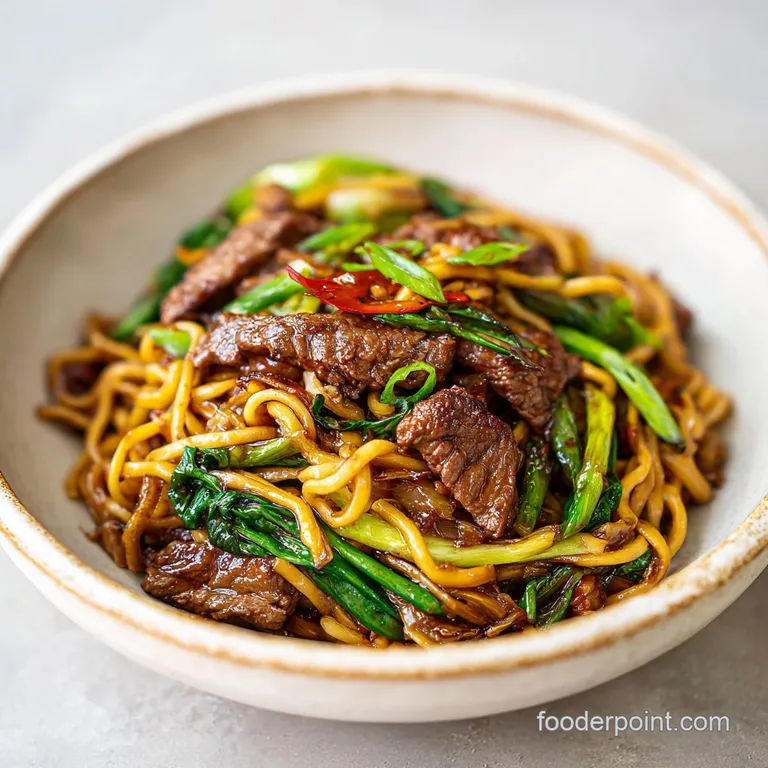
- Marinate the beef. Toss the sliced 1 lb sirloin with 1 tbsp cornstarch, 1 tbsp soy sauce, and 1 tsp toasted sesame oil until the meat is evenly coated and tacky. Note: This protects the meat from the high heat.
- Boil the noodles. Cook 8 oz dried noodles according to package directions until just al dente, then drain.
- Mix the sauce. Whisk 1/2 cup beef broth, 1/4 cup soy sauce, 2 tbsp brown sugar, 1 tbsp rice vinegar, 1 tbsp grated ginger, 3 cloves minced garlic, and 1 tsp red chili flakes until the sugar dissolves.
- Sear the beef. Heat 1 tbsp canola oil in a skillet over high heat until it starts to shimmer and smoke slightly.
- Brown the meat. Add beef in a single layer and cook for 2 minutes until a dark brown crust forms, then flip and cook for 1 more minute before removing from the pan.
- Sauté the vegetables. Add the remaining 1 tbsp oil to the pan along with the broccoli, bell pepper, and carrot until they turn vibrant and slightly charred (about 3 minutes).
- Combine ingredients. Return the beef and cooked noodles to the skillet with the veggies until the pan is full and sizzling.
- Thicken the sauce. Pour the broth mixture over everything and toss for 2 minutes until the sauce turns glossy and clings to the noodles.
- Garnish and serve. Top with 2 sliced green onions and serve immediately while the steam is rising.
This process is very similar to how I manage the heat in my Sheet Pan Chicken recipe, ensuring everything finishes at the exact same moment without getting soggy.
Avoiding Common Cooking Mistakes
Nothing ruins a stir fry faster than "steamed" beef. If your pan isn't hot enough, the meat will release its juices and boil instead of searing. You want to hear that aggressive sizzle the entire time.
Why Your Beef is Chewy
If you slice the beef with the grain (parallel to the muscle fibers), it will be tough to chew no matter how you cook it. Always look for the lines in the meat and slice across them. This shortens the fibers, making every bite melt in-your mouth tender.
| Problem | Root Cause | Solution |
|---|---|---|
| Watery Sauce | Starch didn't activate | Bring the sauce to a full bubble for 30 seconds |
| Grey, Bland Meat | Pan was overcrowded | Cook beef in two batches to maintain high heat |
| Mushy Veggies | Cooked for too long | Add a splash of water and cover for 60 seconds if they need help |
Common Mistakes Checklist
- ✓ Pat the beef dry with a paper towel before adding the cornstarch.
- ✓ Ensure the skillet is hot enough that a drop of water dances and evaporates instantly.
- ✓ Don't move the beef for the first 90 seconds to allow the crust to form.
- ✓ Prep every single ingredient before you turn on the stove; there is no time to chop once you start.
- ✓ Use a neutral oil with a high smoke point (avoid butter or extra virgin olive oil).
Creative Tweaks for Every Palette
The beauty of this easy beef stir fry with noodles is how adaptable it is. If you want a "Teriyaki beef stir fry with noodles recipe," simply swap the beef broth for a bit more brown sugar and a splash of mirin or pineapple juice. It creates a sweeter, stickier finish that kids absolutely love.
If you’re watching your carbs or want "easy beef stir fry with rice noodles," the method stays exactly the same. Just be careful with rice noodles they only need a quick soak in hot water rather than a full boil, otherwise, they turn into a clump of paste in the pan.
- If you want it spicy, double the red chili flakes or add a swirl of sriracha at the end.
- If you want it crunchier, add a handful of toasted cashews or peanuts right before serving.
- If you want it leaner, swap the sirloin for sliced chicken breast or even firm tofu cubes.
Safe Storage and Smart Reheating
This dish is a meal prep dream. The flavors actually deepen as it sits, making the leftovers something to look forward to rather than endure.
- Storage
- Keep in an airtight container in the fridge for up to 3 days.
- Freezing
- You can freeze the cooked dish for up to 2 months, though the vegetables will be softer upon thawing. I recommend freezing just the beef and sauce, then adding fresh noodles and veggies when you're ready to eat.
- Zero Waste
- Don't toss those broccoli stalks! Peel the woody outer layer, slice the tender core thinly, and throw it in with the florets. It has a wonderful, mild flavor.
When reheating, I usually add a tablespoon of water or a splash of Slow Cooker Turkey recipe broth to the bowl before microwaving. This creates a little steam that revives the noodles and keeps the beef from drying out.
Best Ways to Serve It
Since this is a hearty, all in-one meal, you don't really need side dishes. However, a simple cucumber salad with rice vinegar and sesame seeds provides a cold, crisp contrast to the warm, savory noodles.
I like to serve this in deep bowls so the sauce pools slightly at the bottom. Give everyone a pair of chopsticks and some extra soy sauce on the side, and you've got a restaurant experience right at your kitchen table. It’s real food, made fast, and it’s become a staple in our home for a reason.
- Myth
- You must have a wok to make a "real" stir fry.
- Truth
- A wide, heavy bottomed skillet actually provides more surface area for searing on a standard home stove, which often produces better results than a wok on a small burner.
- Myth
- Stir fry sauce needs hours to simmer.
- Truth
- Because the ingredients are finely chopped and the heat is high, the sauce thickens and develops flavor in under two minutes through rapid evaporation.
Very High in Sodium
1245 mg mg of sodium per serving (54% % of daily value)
The American Heart Association recommends limiting sodium intake to 2,300mg per day.
Tips to Reduce Sodium in Your Stir Fry
-
Low-Sodium Broth-30%
Replace regular beef broth with low-sodium or no-salt added beef broth. This can significantly reduce the sodium content, as regular broth is often very high in sodium.
-
Low-Sodium Soy Sauce-20%
Substitute regular soy sauce with low-sodium soy sauce in both the marinade and the sauce. This simple swap can greatly decrease the overall sodium level.
-
Skip the Chili Flakes (Optional)-5%
While they don't contain a lot of sodium, if you are very sensitive you can omit the red chili flakes. This will negligibly lower sodium intake but may impact flavor.
-
Fresh Herbs & Spices
Enhance the flavor of your stir fry with fresh herbs and spices like garlic, ginger, and freshly ground black pepper instead of relying solely on salt for seasoning. This will add depth without increasing sodium.
-
Sodium Free Noodles-10%
Check the labels of your noodles. Some dried noodles contain added salt. Choose sodium free or low-sodium noodle options.
-
Sodium Free Marinade-15%
Make your own marinade or use sodium free products. Many soy sauces have sodium free equivalents.
Recipe FAQs
What is the secret to making the beef tender in this fast stir fry?
Toss the sliced beef with cornstarch first. This creates a protective "velvet" coating that locks moisture inside while the high heat sears the exterior, preventing it from becoming tough.
How do I ensure the sauce thickly coats the noodles instead of staying watery?
Whisk the cornstarch component thoroughly into the liquid base before adding it. Then, toss everything vigorously over high heat until the sauce rapidly boils and thickens into a glossy glaze that clings immediately.
How to prevent the meat from steaming instead of searing when I add it to the pan?
Heat the oil until it is shimmering and almost smoking before adding the beef. Work in small batches if necessary to avoid overcrowding the pan, which drastically lowers the temperature.
Is it necessary to use sirloin steak, or can I substitute a cheaper cut?
No, flank steak works well, but aim for a lean, tender cut. Slice the beef very thinly against the grain, even freezing it slightly, to ensure any cut sears quickly without becoming tough.
How to minimize cleanup time when making this easy beef stir fry with noodles?
Utilize one large, heavy bottomed skillet for all cooking steps. Cook the beef, remove it, then cook the vegetables and noodles in the same pan, finishing by combining everything together.
Is it true that I must use a wok for authentic stir fry flavor?
No, this is a common misconception. A large, heavy cast iron skillet often retains more consistent heat on a standard home stovetop than a traditional wok, leading to a superior sear.
How far in advance can I prep the components for this 20-minute meal?
Prepare the sauce and slice the beef up to 24 hours ahead of time. Store them separately in the refrigerator so you only need 10 minutes of active cooking when you are ready to eat.
Easy Beef Stir Fry Noodles