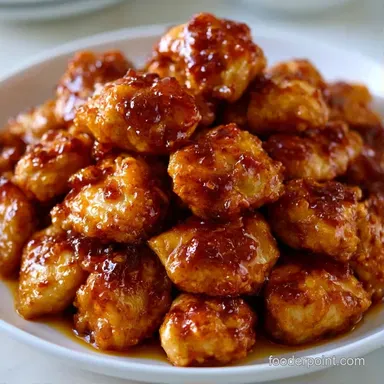
Creamy Butter Chicken Breast
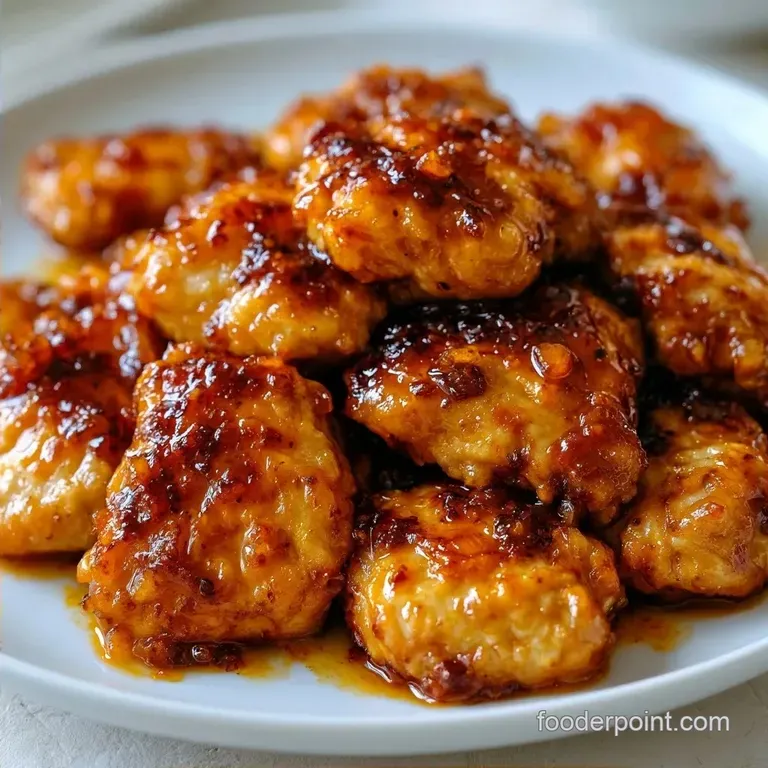
- Time: 5 min active + 15 min cook
- Flavor/Texture Hook: Creamy, tangy, and rich
- Perfect for: Weeknight dinner
Butter Chicken Breast Done Right
The sound of chicken cubes hitting a hot skillet is where the magic happens. That aggressive sizzle tells you the pan is ready, and that's the only way to get a brown crust without overcooking the inside. I used to just simmer everything in one pot, but the meat always ended up gray and bland.
Trust me on this, the butter is the real hero here. It doesn't just add fat, it mellows out the sharp hit of the tomato puree and ties the spices together. It turns a simple pan fry into a meal that feels like it took hours.
This Butter Chicken Breast dish is designed for busy nights when you want something comforting but don't have all day. We're using breast meat for speed, but the technique keeps it juicy. Right then, let's get into how to make this actually work.
What Makes It Work
- High Heat Searing: Cooking the meat quickly at high temperatures creates a brown crust. This adds a deep, savory taste to the Butter Chicken Breast that simmering alone can't provide.
- Cold Butter Finish: Stirring in cold butter at the very end helps the sauce thicken and gives it a glossy look. It prevents the cream from separating when you add the lemon juice.
- Acid Balance: The lemon juice cuts through the heavy cream and butter. This prevents the dish from feeling too heavy on the palate.
| Method | Time | Texture | Best For |
|---|---|---|---|
| Fast Sear | 20 mins | Glossy & Tender | Weeknights |
| Classic | 2 hours | Soft & Infused | Sunday Dinner |
Ingredient Deep Dive
I've found that using a high-quality tomato puree instead of crushed tomatoes keeps the sauce smooth. According to USDA FoodData, chicken breast is lean, so we add the butter and cream to ensure the Butter Chicken Breast doesn't dry out during the process.
| Ingredient | What It Does | Best Swap |
|---|---|---|
| Unsalted Butter | Adds richness and shine | Ghee (for deeper flavor) |
| Heavy Cream | Creates a smooth body | Full fat Coconut Milk (adds nuttiness) |
| Tomato Puree | Provides base acidity | Tomato Passata |
| Garam Masala | Adds warm, earthy spice | Cumin + Coriander + Cinnamon |
Gear You'll Need
You don't need a fancy kitchen for this. A heavy bottomed skillet is the most important tool because it holds heat evenly. If you use a thin pan, the chicken will steam instead of sear.
A whisk is also helpful for the sauce. It helps the cream and butter blend in quickly so you don't overcook the meat while stirring. A simple meat thermometer is a lifesaver to hit exactly 165°F.
Step-by-step Cooking Process
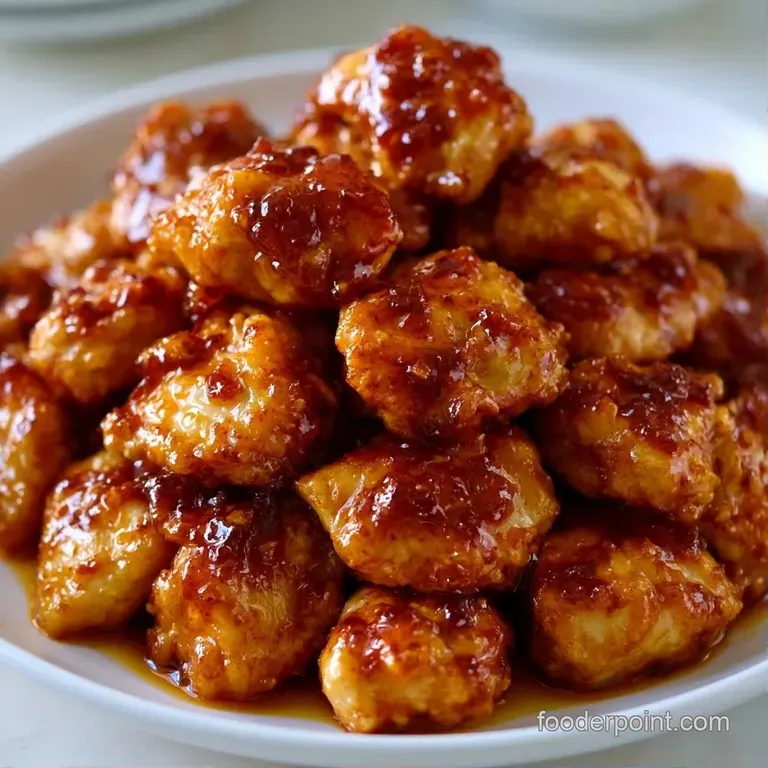
Searing for Color
- Pat the chicken breast cubes dry with a paper towel. Note: Wet meat won't brown, it just steams.
- Toss the chicken in a bowl with salt, pepper, and paprika until coated.
- Heat vegetable oil in the skillet over medium high heat.
- Add the chicken in a single layer. Cook without stirring for 3 minutes until a golden brown crust forms, then flip and cook for 2 minutes.
- Remove the chicken from the pan and set it aside on a plate.
Building the Aroma
- Lower heat to medium and melt 2 tbsp of butter.
- Add grated ginger and minced garlic. Sauté for 60 seconds until the garlic is translucent and fragrant.
Simmering the Sauce
- Stir in the tomato puree, garam masala, and turmeric.
- Let the sauce bubble for 3-4 minutes until it thickens and looks deep red.
- Whisk in the heavy cream and lemon juice until the sauce is a silky, pale orange.
Finishing the Dish
- Return the seared chicken and any juices to the pan.
- Stir in the remaining 2 tbsp of cold butter. Toss the Butter Chicken Breast until the sauce is glossy and the meat hits an internal temperature of 165°F/74°C.
Fixing Common Sauce Issues
If your sauce looks broken or the meat feels off, it's usually a temperature problem. When the fat in the butter separates from the liquid, you get oil slicks on top. This usually happens if the heat is too high when you add the cream.
Why the Sauce Splits
This happens when the sauce boils too hard after the cream goes in. To fix it, pull the pan off the heat and whisk in a tablespoon of warm water or more cream.
Preventing Rubberiness
Overcooking chicken breast is easy. The trick is removing it from the pan during the sear and only adding it back at the end to warm through.
Fixing a Bland Taste
If it tastes flat, you probably need more acid. A tiny extra squeeze of lemon juice usually wakes up the spices.
| Problem | Root Cause | Solution |
|---|---|---|
| Sauce is too thin | Not enough simmering | Bubble for 2 more mins |
| Meat is dry | Overcooked | Use a thermometer for 165°F |
| Sauce is oily | Butter melted too fast | Whisk in cold butter at the end |
Easy Ways to Vary It
If you're feeling adventurous, you can change the protein or the heat level. For those who like a bit more kick, add a teaspoon of cayenne pepper or some chopped fresh chilies when you sauté the garlic.
For a different creamy vibe, you might like my Mushroom Sauce Chicken which uses a similar searing technique but a different flavor profile. If you want something brighter, a Lemon Chicken Sauce is a great alternative.
You can also try this Butter Chicken Breast in an oven by searing the meat first and then finishing it in a baking dish at 375°F (190°C) for 10 minutes. For an Air Fryer version, cook the cubes at 400°F (200°C) for 8 minutes before tossing them into the stovetop sauce.
Storage and Waste Tips
This Butter Chicken Breast keeps well in the fridge for up to 3 days. Store it in an airtight container. When reheating, add a splash of water or milk to the pan to bring the sauce back to life, as the cream tends to thicken in the cold.
Avoid freezing the sauce if it has heavy cream, as it can grain up. If you must freeze it, omit the cream and add it fresh when you reheat the dish.
To avoid waste, use any leftover tomato puree to make a quick pasta sauce. If you have extra ginger or garlic, mince them and freeze them in ice cube trays with a bit of oil for your next meal.
Final Plating Ideas
Serve this over basmati rice or toasted naan to soak up every drop of the sauce. A sprinkle of fresh cilantro on top adds a pop of green and a fresh hit of flavor that balances the richness.
For a healthier side, try steamed spinach or roasted cauliflower. The earthy taste of the vegetables works well with the spices in the Butter Chicken Breast. Honestly, don't overcomplicate the plating. A shallow bowl with a heap of rice and the chicken centered on top is all you need.
Chef's Note: If you don't have fresh ginger, you can use ginger paste, but use slightly less as it's more concentrated.
Scaling Guidelines
Scaling Down (2 Servings): Use a smaller 8 inch skillet. Reduce the cooking time for the sauce by about 20% since it will thicken faster in a smaller volume. Beat one egg or use a small amount of cream to keep the ratios right.
Scaling Up (8 Servings): Do not crowd the pan. Work in batches when searing the chicken, otherwise, the meat will boil in its own juices and you'll lose that brown crust. Increase salt and garam masala to 1.5x rather than 2x to avoid over seasoning.
Kitchen Myths
Myth: Searing seals in the juices. Searing doesn't create a waterproof seal. Moisture escapes regardless. The sear is purely for the flavor and color it adds to the Butter Chicken Breast.
Myth: You must marinate chicken for hours. While marinating helps, a quick toss in spices and a hard sear provides enough flavor for a fast weeknight meal. The sauce does the heavy lifting here.
Recipe FAQs
Can I make butter chicken with chicken breasts?
Yes, it works great. While thighs are traditional, breasts provide a leaner alternative that cooks quickly when seared for 5 minutes.
What is the secret ingredient in butter chicken?
Cold butter added at the end. Stirring in the final 2 tbsp of butter after the chicken is cooked creates a professional, glossy finish.
How do I make boneless butter chicken at home?
Cut chicken breast into 1 inch cubes. Sear them in vegetable oil over medium high heat before simmering in a sauce of tomato puree, cream, and spices.
What is the secret to a rich, creamy texture?
Whisking in heavy cream and lemon juice. This emulsifies the tomato puree into a smooth, pale orange sauce. If you enjoyed mastering the emulsion here, see how the same principle works in our Cajun Remoulade sauce.
Is it true that chicken breasts always dry out in curry?
No, this is a common misconception. By searing the cubes quickly and returning them to the pan only at the end until they hit 165°F, the meat stays juicy.
How to reheat butter chicken without it separating?
Add a splash of water or milk to the pan. This thins the sauce and restores the creamy consistency that typically thickens during refrigeration.
Can I freeze this butter chicken?
No, not if it contains heavy cream. Freezing can cause the cream to grain; instead, freeze the sauce without cream and stir it in fresh when reheating.
Creamy Butter Chicken Breast