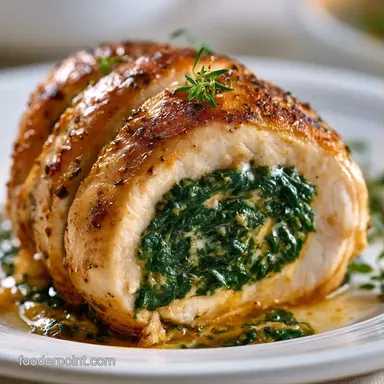
Healthy Stuffed Chicken Breast in 40 Minutes
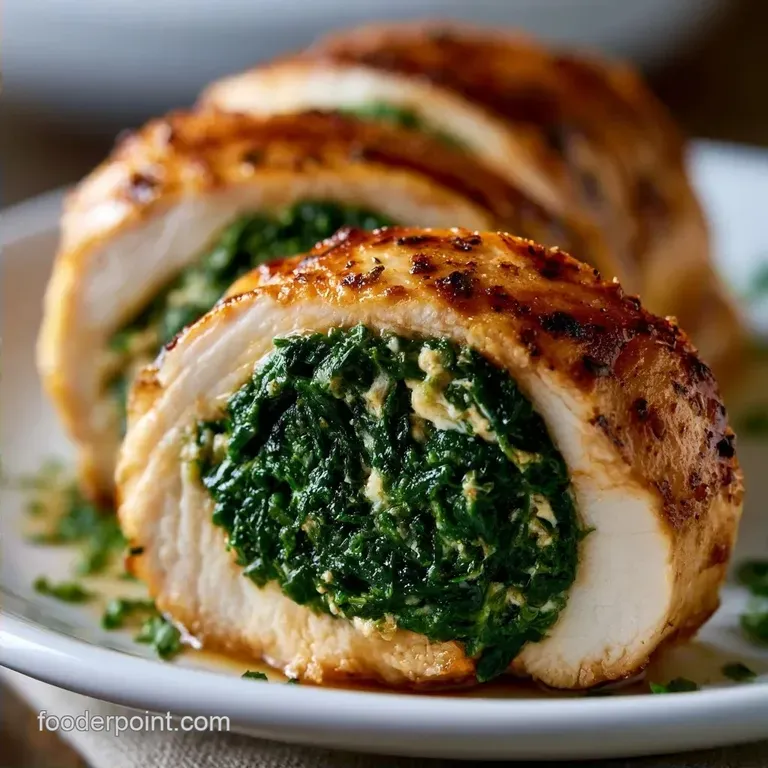
- Time: 15 min active + 25 min cook
- Flavor/Texture Hook: Mahogany crust with a creamy, tangy center
- Perfect for: Nutrient dense weeknight dinners
Stuffed Chicken Breast
Ever wonder why most stuffed breasts end up dry as a bone or leaking all over the pan? It usually comes down to how the pocket is cut and how the heat is applied. For a long time, I just jammed cheese into the middle and hoped for the best, only to find a puddle of melted feta and rubbery meat.
The trick is a two stage cooking process. By searing the meat first and then finishing it in the oven, you get a crust that holds everything together without overcooking the center.
My Stuffed Chicken Breast recipe focuses on balanced flavors and budget friendly ingredients. You don't need fancy imports to get a bistro style result at home.
Key Cooking Techniques
The Pocket Cut: Slicing a horizontal flap instead of a deep hole prevents the filling from sliding out during the sear.
The Toothpick Anchor: Using two small picks secures the meat, ensuring the filling stays put while the chicken shrinks slightly under heat.
The Carry Over Rest: Letting the meat sit for 5 minutes allows the internal temperature to climb to the safe zone without drying out the fibers.
| Method | Time | Texture | Best For |
|---|---|---|---|
| Stovetop Only | 20 mins | Charred but often raw center | Quick snacks |
| Oven Only | 35 mins | Evenly cooked, pale skin | Meal prep |
| Hybrid (Sear+Bake) | 40 mins | Crispy crust, juicy center | Dinner parties |
Recipe Specs
To get this right, keep these three precision checkpoints in mind: - Sear the meat for 3-5 minutes per side until mahogany brown. - Bake at 400°F (200°C) until the internal temp hits 160°F (71°C). - Let it rest for exactly 5 minutes before slicing.
The Building Blocks
| Ingredient | What It Does | Best Swap |
|---|---|---|
| Feta Cheese | Adds salt and tang | Goat cheese |
| Baby Spinach | Adds color and nutrients | Chopped kale |
| Sun dried Tomatoes | Provides umami punch | Roasted red peppers |
For the Protein
I use boneless, skinless breasts, but keep them around 6 oz each. If they are too large, the outside dries out before the filling is hot. If you want a richer taste, chicken thighs work, but they need about 5-8 more minutes in the oven.
For the Healthy Filling
The mix of spinach and feta creates a silky texture that doesn't run. The lemon juice cuts through the richness of the cheese, keeping the dish feeling light and balanced.
Required Kitchen Tools
A cast iron skillet is the best tool here because it holds heat better than stainless steel. If you don't have one, a heavy bottomed oven safe pan works fine. You'll also need a meat thermometer, as guessing the internal temperature of a stuffed breast is a recipe for dry meat.
Detailed Cooking Steps
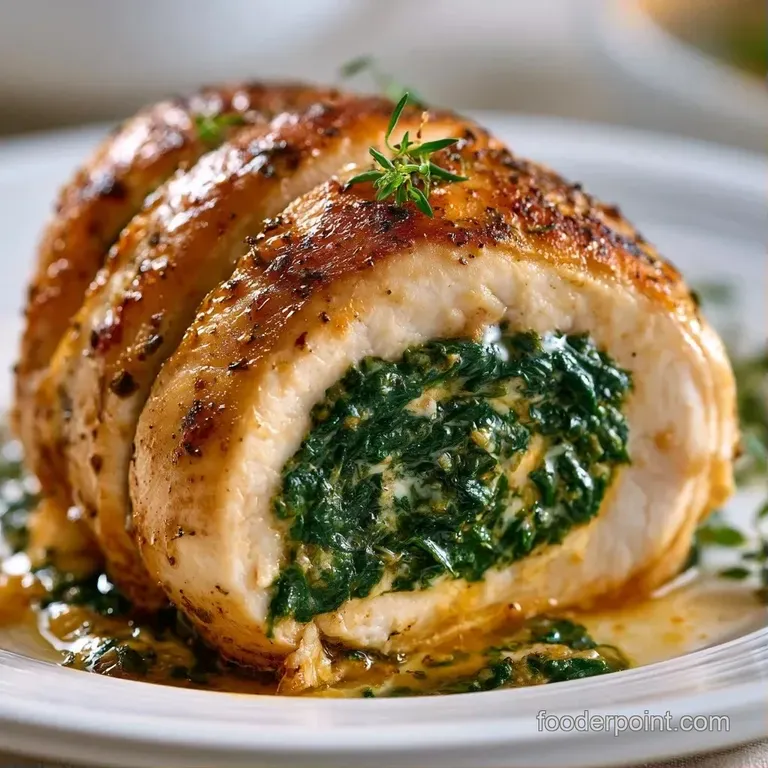
- Place the chicken breast flat on a cutting board. Slice horizontally into the thickest part to create a pocket, making sure not to cut all the way through.
- Season the exterior and interior of the breasts with salt, pepper, and garlic powder. Note: Seasoning the inside ensures the meat doesn't taste bland against the salty feta.
- In a small bowl, stir together the chopped spinach, feta, minced sun dried tomatoes, garlic, and lemon juice.
- Spoon the mixture into the Stuffed Chicken Breast pocket and press it down firmly. Secure the opening with 2-3 toothpicks.
- Heat olive oil in your skillet over medium high heat until it shimmers. Sear for 3-5 minutes per side until a mahogany colored crust forms.
- Transfer the skillet directly into a preheated 400°F (200°C) oven.
- Bake for 10-15 minutes until the internal temperature reaches 160°F (71°C).
- Remove from the oven and let the meat rest for 5 minutes. Note: This is when the juices redistribute, keeping the meat tender.
Fixing Common Issues
Filling leaks are the most common frustration when making Stuffed Chicken Breast. This usually happens because the pocket was cut too wide or the meat wasn't secured. If you see cheese leaking, just scrape it back into the breast with a spoon during the sear.
Another issue is the "cold center," where the meat is done but the filling is chilly. This happens if the breasts are too thick. I recommend pounding the meat to a uniform thickness before stuffing.
Filling Leak Issues
The pocket is too large or the toothpicks are loose.
Meat Feels Rubbery
The chicken was cooked past 165°F, causing the proteins to tighten too much.
Center Stays Raw
The breasts were too thick for the 15 minute bake time.
| Problem | Root Cause | Solution |
|---|---|---|
| Leaking Cheese | Loose seal | Use 3 toothpicks instead of 1 |
| Dry Meat | Overcooked | Pull from oven at 160°F |
| Raw Center | Too thick | Pound chicken to 1 inch thickness |
Adjusting the Portion
If you're cooking for one or two, use a smaller skillet to prevent the olive oil from spreading too thin and burning. Reduce the oven time by about 2-3 minutes since there is less mass in the pan.
When doubling your Stuffed Chicken Breast batches, do not crowd the pan. If the breasts are touching, they will steam instead of sear, and you'll lose that mahogany crust. Work in two batches if necessary.
If you're feeding a crowd and want a different vibe, my Crockpot BBQ Chicken is a great alternative for slow and low feeding.
Scaling Guide
- For 2 servings: Use an 8 inch skillet, reduce bake time by 20%.
- For 8 servings: Sear in two batches, increase bake time by 5 mins.
- Baking double: Lower oven to 375°F and extend time by 10 mins.
| Goal | Change | Result |
|---|---|---|
| More Crisp | Extra 1 min sear | Darker crust |
| Extra Juicy | Rest 10 mins | More tender |
| Lower Cal | Skip oil, use spray | Less fat |
Food Myths Debunked
Searing meat doesn't actually "seal in" the juices. According to Serious Eats, moisture loss happens throughout the cooking process regardless of the sear. The browning is purely for flavor and texture.
Some believe you must cook chicken to exactly 165°F in the oven. In reality, pulling it at 160°F is better because the temperature continues to rise while the meat rests, hitting the safety mark without overcooking the exterior.
Storage and Waste
Store leftovers in an airtight container in the fridge for up to 3 days. When reheating, use a splash of water or broth and cover the pan to keep the meat from drying out. You can freeze these for up to 2 months, but thaw them completely in the fridge before reheating.
To avoid waste, use any leftover spinach and feta in a morning omelet. If you have leftover sun dried tomato oil, use it to roast some potatoes or toss it into a pasta dish. For another light chicken dish, try this Lemon Chicken Orzo Soup.
Pairing Ideas
This Stuffed Chicken Breast is quite rich, so it pairs well with something acidic or fresh. A simple arugula salad with a lemon vinaigrette balances the salty feta.
If you want something heartier, try serving it over a bed of sautéed zucchini or roasted asparagus. The juices from the chicken act as a natural sauce for the vegetables.
The Low Carb Plate
Serve with steamed broccoli and a side of sliced cucumbers.
The Bistro Plate
Pair with a wild rice blend and a glass of chilled Sauvignon Blanc.
Chef's Note: If you find the feta too salty, soak the crumbles in cold water for 10 minutes and pat dry before mixing. It mellows the flavor without losing the texture.
High in Sodium
980 mg 980 mg of sodium per serving (43% 43% of daily value)
The American Heart Association recommends a daily limit of no more than 2,300 mg of sodium, with an ideal limit of 1,500 mg for most adults to reduce cardiovascular risk.
Tips to Reduce Sodium
-
Reduce Added Salt-25%
Replace the 1 tsp of kosher salt with a salt free seasoning blend or simply reduce the amount by half.
-
Rinse Sun-Dried Tomatoes-20%
Thoroughly rinse the sun-dried tomatoes under cold water before mincing to remove excess sodium from the packing brine or oil.
-
Limit Feta Cheese-15%
Use low-sodium feta or reduce the quantity to 2 tablespoons per serving to cut down on concentrated salts.
-
Enhance Natural Flavors
Increase the lemon juice, minced garlic, and cracked black pepper to provide a flavor punch without adding any extra sodium.
Recipe FAQs
What can I stuff inside a chicken breast to keep it healthy?
Use nutrient dense vegetables and lean cheeses. A mixture of baby spinach, feta, and sun-dried tomatoes adds vitamins and flavor while keeping calories in check.
Is chicken breast a good protein choice for diabetics?
Yes, it is highly recommended. Because it is lean and contains virtually no carbohydrates, it helps manage blood glucose levels effectively.
What is the healthiest way to prepare chicken breast?
Sear in olive oil and oven roast. This technique avoids heavy batters or frying while ensuring the chicken reaches a safe internal temperature of 160°F.
How do I create a pocket for the stuffing?
Slice horizontally into the thickest part of the breast. Be careful not to cut all the way through so the filling stays securely inside.
How to ensure the chicken is cooked through without drying out?
Bake at 400°F (200°C) until the internal temperature hits 160°F (71°C). Remove immediately and let it rest for 5 minutes to lock in the moisture.
How do I keep the stuffing from falling out during searing?
Secure the opening with 2-3 toothpicks. This holds the spinach and feta mixture in place while you develop a mahogany colored crust in the skillet.
What is the best way to serve this dish?
Pair it with light steamed vegetables or a bold sauce. If you liked the savory balance here, see how the same flavor profile works in a zesty compound sauce.
Healthy Stuffed Chicken Breast