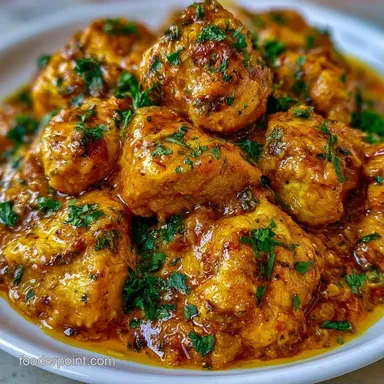
Indian Chicken Breast Curry in 30 Minutes
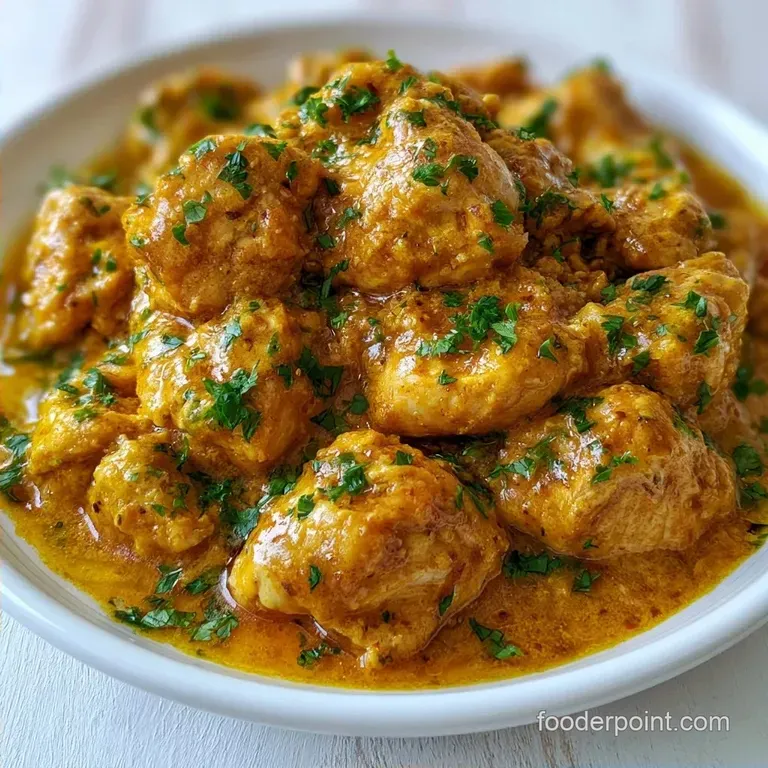
- Time: 10 min active + 20 min cook
- Flavor/Texture Hook: Creamy, aromatic and slightly tangy
- Perfect for: Busy weeknights and family meal prep
- How to Make Chicken Breast Curry
- Why This Recipe Works
- Essential Ingredient Breakdown
- The Full Ingredient List
- Essential Kitchen Tools
- Step by Step Cooking
- Fix Common Cooking Issues
- Troubleshooting Common Issues
- Easy Flavor Variations
- Storage and Waste Tips
- Final Plating Ideas
- High in Sodium
- Recipe FAQs
- 📝 Recipe Card
How to Make Chicken Breast Curry
That first hiss when the chicken hits the hot oil is where the flavor starts. I remember the first time I tried making a curry with breasts, and I just simmered everything together in one pot. The result was grey, bland meat and a sauce that tasted like nothing.
It was a disaster that taught me you can't treat lean breast meat like a slow cooked shoulder.
The real hero here is the full fat coconut milk. It does the heavy lifting by balancing the heat of the cayenne and the earthiness of the cumin. Using the light stuff just doesn't work, as it splits too easily and leaves the sauce feeling thin and watery.
You can expect a meal that feels hearty but doesn't take all night. This Chicken Breast Curry comes together in 30 minutes, making it a reliable go to when you want something comforting without the wait.
Why This Recipe Works
- The High Sear: Browning the chicken for 3 minutes per side creates a crust that holds onto flavor.
- Blooming Spices: Toasting the curry powder in oil for 60 seconds removes the raw, gritty taste.
- Acid Balance: Adding lime juice at the very end cuts through the fat of the coconut milk.
| Method | Time | Texture | Best For |
|---|---|---|---|
| Fast (This) | 30 min | Tender/Creamy | Weeknights |
| Classic | 2 hours | Fall apart | Sunday Dinner |
Essential Ingredient Breakdown
| Ingredient | What It Does | Best Swap |
|---|---|---|
| Coconut Milk | Adds richness and body | Heavy cream (adds dairy taste) |
| Curry Powder | Provides the main aromatic profile | Garam masala (stronger, warmer) |
| Tomato Paste | Adds umami and deep color | Tomato puree (needs longer reduction) |
The Full Ingredient List
- 1.5 lb boneless, skinless chicken breasts, cut into 1 inch cubes Why this? Fast cooking and lean protein
- 2 tbsp neutral oil Why this? High smoke point for searing
- 1/2 tsp salt
- 1/4 tsp black pepper
- 1 medium yellow onion, finely diced Why this? Base flavor and sweetness
- 3 cloves garlic, minced
- 1 tbsp fresh ginger, grated
- 2 tbsp mild curry powder Why this? Balanced heat and aroma
- 1 tsp ground coriander
- 1/2 tsp ground cumin
- 1/4 tsp cayenne pepper
- 1 can (400ml) full fat coconut milk Why this? Creaminess and stability
- 1 tbsp tomato paste
- 1 tsp maple syrup Why this? Balances the spice heat
- 1 tbsp lime juice Why this? Brightens the final taste
Essential Kitchen Tools
You don't need a fancy setup for this. A 12 inch deep skillet is the best choice because it provides enough surface area to sear the chicken without crowding the pan. If you crowd the meat, it will steam instead of brown, and you'll lose that golden crust.
A sharp chef's knife is also a must. Cutting the chicken into uniform 1 inch cubes ensures every piece finishes cooking at the exact same time.
Step by step Cooking
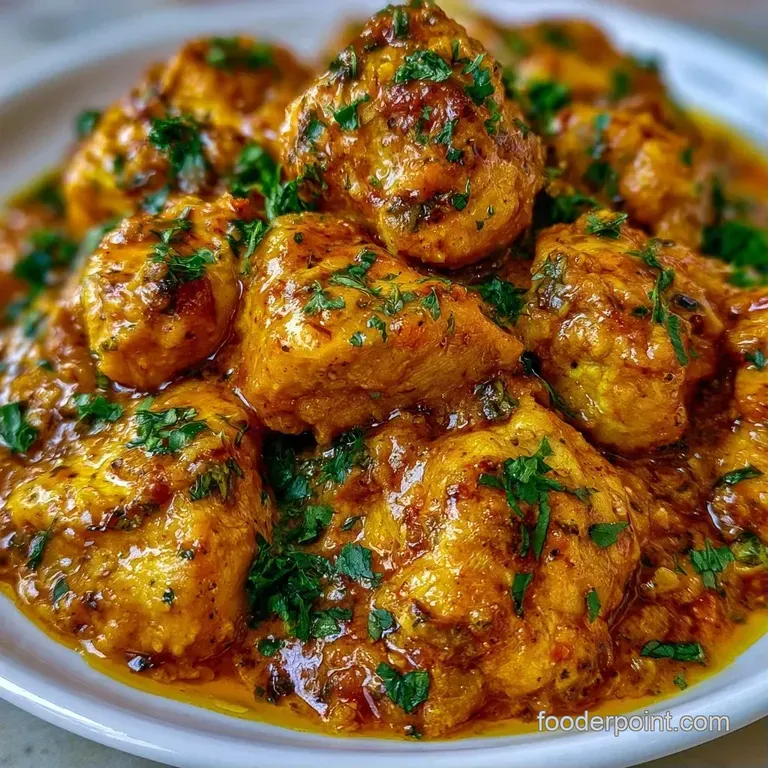
- Heat 1 tbsp of oil in the skillet over medium high heat. Season your chicken cubes with salt and pepper.
- Add the chicken in a single layer and sear 2-3 minutes per side until a golden brown crust forms. Move the chicken to a plate immediately. Note: Overcooking here makes the meat dry later.
- Lower the heat to medium and stir in the remaining 1 tbsp of oil. Sauté the diced onion 4-5 minutes until it looks translucent.
- Stir in the minced garlic and grated ginger for 1 minute until you smell them clearly.
- Add the curry powder, coriander, cumin, and cayenne. Stir constantly for 60 seconds until the spices smell nutty.
- Mix in the tomato paste and maple syrup, cooking for 1 minute.
- Pour in the coconut milk. Stir well, scraping up the browned bits from the bottom of the pan.
- Return the seared chicken and any juices on the plate to the sauce.
- Simmer gently 5-7 minutes until the sauce thickens slightly and the chicken is cooked through.
- Stir in the lime juice right before you turn off the heat.
Fix Common Cooking Issues
If your chicken ever feels like rubber, it's usually because the pan wasn't hot enough during the sear or it simmered too long at the end. To keep this Chicken Breast Curry tender, always pull the meat out as soon as it's brown.
Another common issue is a sauce that tastes "flat." This happens when the spices aren't toasted or you forgot the lime juice. Acid is what wakes up the coconut milk.
Troubleshooting Common Issues
| Issue | Solution |
|---|---|
| Why Your Chicken is Dry | Overcooking lean meat is easy. If the meat is tough, you likely simmered it past the 7 minute mark. |
| Why Your Sauce Separates | This usually happens if the heat is too high during the simmer. Coconut milk can break if it boils aggressively. |
| Why the Flavor is Bland | You might have skipped the "blooming" phase. Spices need oil and heat to release their oils. |
Easy Flavor Variations
If you want a different vibe, you can swap the coconut milk for heavy cream. This moves the dish closer to a Tikka Masala style. If you're in the mood for something with fungi, my Mushroom Sauce Chicken uses a similar searing method that works great for various proteins.
For those who like more heat, double the cayenne or add a diced Thai chili with the garlic. If you prefer a milder, sweeter version, add a handful of frozen peas or diced carrots during the onion sauté.
| Original Ingredient | Substitute | Why It Works |
|---|---|---|
| Coconut Milk | Heavy Cream | Similar fat. Note: Makes it richer/dairy based |
| Maple Syrup | Brown Sugar | Same sweetness. Note: Slightly more molasses taste |
| Lime Juice | Lemon Juice | Similar acidity. Note: Slightly sharper profile |
Storage and Waste Tips
This Chicken Breast Curry stays fresh in the fridge for 3 to 4 days. Store it in an airtight container. When you reheat it, add a splash of water or coconut milk to loosen the sauce, as it thickens in the cold.
For freezing, this dish lasts about 2 months. Let it cool completely before bagging it. Thaw it in the fridge overnight before reheating on the stove over low heat.
To avoid waste, save your onion skins and ginger scraps in a freezer bag. Once the bag is full, boil them with water and peppercorns to make a basic veggie stock. You can even toss leftover chicken from this recipe into an easy chicken and rice soup for a quick lunch.
Final Plating Ideas
Serve this in shallow bowls over a bed of steamed basmati or jasmine rice. The rice absorbs the creamy sauce without overpowering the spices.
To make it look professional, garnish with a handful of fresh cilantro leaves and a few thin slices of red chili. A wedge of fresh lime on the side allows guests to add extra brightness to their own bowl. If you have some plain yogurt, a dollop on top adds a cool contrast to the heat of the curry.
For Maximum Flavor Depth
Use a cast iron skillet. It holds heat better than stainless steel, giving the chicken a deeper sear and more flavorful browned bits.
For a Tangy Profile
Add a teaspoon of tamarind paste along with the tomato paste. It adds a sour, fruity depth that balances the coconut milk perfectly.
To Make it dairy-free
This recipe is naturally dairy-free since it uses coconut milk. Just ensure your curry powder doesn't have any hidden milk solids.
For Added Nutrients
Stir in two handfuls of fresh spinach during the last 2 minutes of simmering. The heat will wilt the leaves without overcooking them.
A Note on Myths
Many people believe that searing meat "seals in the juices." It actually doesn't. The searing process is entirely about flavor and texture. The meat loses moisture whether you sear it or not, but the crust makes it taste better.
Another myth is that curry powder is a single spice. In reality, it's a blend of turmeric, coriander, cumin, and often fenugreek. Using a high-quality brand makes a huge difference in how the Chicken Breast Curry tastes.
Finally, some think you need a slow cooker for a tender curry. While that works for thighs, the quick sear method is actually better for breast meat to prevent it from becoming stringy.
High in Sodium
850 mg 850 mg of sodium per serving (37% 37% of daily value)
The American Heart Association recommends a daily sodium limit of no more than 2,300 mg for most adults to reduce the risk of cardiovascular disease.
Tips to Reduce Sodium
-
Eliminate Added Salt-25%
Remove or halve the 1/2 tsp of salt. Since the curry powder and tomato paste often contain sodium, this is the most effective cut.
-
Check Curry Powder-20%
Use a salt free curry powder blend or make your own using turmeric, coriander, and cumin to avoid hidden sodium.
-
No-Salt Tomato Paste-10%
Substitute the standard tomato paste with a no-salt added variety to further lower the recipe's base sodium.
-
Enhance with Aromatics
Increase the lime juice, fresh ginger, and garlic to add flavor intensity and brightness without needing salt.
Recipe FAQs
Can I use chicken breast for curry?
Yes, it works well. Just ensure you don't overcook the meat, as lean breast cubes dry out faster than thighs.
How to keep chicken breast tender in this curry?
Sear for 2 3 minutes per side and limit simmering to 5 7 minutes. Cooking the lean meat past this window will make the texture tough.
Is it true that curry is inherently high in cholesterol?
No, this is a common misconception. Using skinless chicken breast and coconut milk makes this a heart healthy option compared to cream heavy versions.
Is this curry suitable for a diabetic diet?
Yes, provided you manage the maple syrup. You can omit the syrup entirely to reduce the sugar content without ruining the sauce.
How to make the sauce creamy without using dairy?
Use full fat coconut milk. This creates a rich, velvety consistency similar to the texture found in a creamy chicken soup.
What makes this chicken curry taste authentic?
Bloom the spices in oil for 60 seconds. Sautéing the curry powder, coriander, cumin, and cayenne until they smell nutty releases essential oils for deeper flavor.
How to store and reheat leftover curry?
Store in an airtight container for 3 to 4 days. Add a splash of water or coconut milk when reheating on the stove to loosen the thickened sauce.
Creamy Chicken Breast Curry