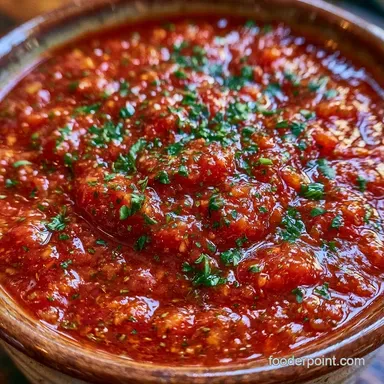
Pizza Sauce from Canned Tomato Sauce in 20 Minutes
- Preparation: 5 min active + 15 min cook
- Taste Profile: Zesty, concentrated, and savory
- Ideal for: Weeknight family pizza nights
A soggy center is the fastest way to ruin a pizza evening. I've been there, using a sauce that was far too watery and turning my crust into a wet sponge. This typically happens when you rely on thin purees or generic pasta sauces that can't withstand the oven's heat.
The objective is a dense, punchy base that holds its shape. Most store-bought options either taste like metal or are overloaded with sugar, which drowns out the natural tomato flavor.
We're changing that. This Pizza Sauce From Canned Tomato Sauce uses basic pantry staples to recreate that signature pizzeria zing. It's a cost effective way to feed your family without spending an entire evening simmering a pot on the stove.
Pizza Sauce From Canned Tomato Sauce
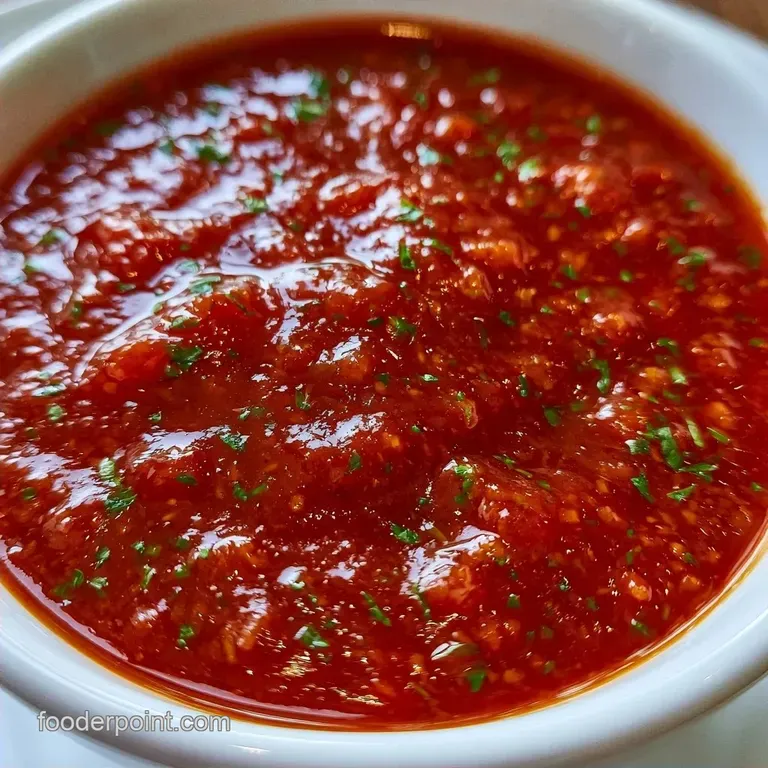
The reason this works is all about flavor concentration. Unlike a pasta sauce, which is meant to be fluid, a pizza sauce needs to be a thick glaze.
Acid Balance: Canned tomatoes can be sharp. A small amount of sugar neutralizes that bite and lets the herbs shine.
Fat Infusion: Sautéing the garlic in olive oil first releases aromatic compounds that would otherwise stay muted in a raw sauce. According to Serious Eats, fat is the primary carrier for these savory flavors, making the sauce feel richer.
Dried Herb Power: While fresh basil is great for garnish, dried herbs are more concentrated and stand up better to high oven temperatures without burning or disappearing. If you're looking for something even more basic, my Tomatoes in 25 Min recipe is a great starting point.
Why These Ingredients Work
| Ingredient | What It Does | Best Swap |
|---|---|---|
| Canned Tomato Sauce | Thick, smooth base | Tomato Puree (reduce simmer time) |
| Olive Oil | Carries garlic flavor | Avocado Oil |
| Granulated Sugar | Cuts the tinny acid | Honey or Maple Syrup |
| Dried Oregano | Adds earthy, herbal notes | Dried Marjoram |
Essential Gear and Timing
Right then, let's look at the clock. This isn't a project that takes all afternoon. You can have this ready and on your dough in about 20 minutes.
The most important thing is using a small saucepan. If the pan is too wide, the sauce evaporates too quickly and you might burn the garlic. Stick to something narrow to keep the heat concentrated.
The Necessary Tools
Basic tools are all you need to get this done. Just gather the following: - Small saucepan (for the simmer method) - Whisk or sturdy spoon - Small mixing bowl (for the no cook method) - Measuring spoons
Bringing It Together
I prefer the simmering method for a richer flavor, though the no-cook option is a lifesaver when you're short on time.
Phase 1: The Aroma Base
Warm the olive oil in a small pot over medium heat. Sauté the minced garlic for 30-60 seconds until it smells fragrant and looks translucent. Be careful not to brown it, as that will introduce bitterness. For the no-cook version, simply stir the raw garlic into a bowl.
Phase 2: Integrating the Sauce
Stir in the canned tomato sauce. Whisk in the salt, pepper, sugar, red pepper flakes, dried oregano, and basil. Mix everything until the herbs are evenly distributed and no clumps remain.
Phase 3: The Final Meld
If simmering, reduce the heat to low. Allow the sauce to bubble gently for 10-15 minutes until the sauce thickens slightly and becomes glossy. Remove from the heat to cool.
For the no-cook method, let the mixture rest for 15 minutes to allow the dried herbs to rehydrate.
Chef Note: If you are in a rush, garlic powder can be used instead of fresh cloves. While it lacks the same punch, it incorporates much faster.
Common Mistakes & Troubleshooting
I've learned through experience that more salt won't rescue a sauce that tastes "flat." Usually, a boring flavor profile is an acid deficiency, not a salt deficiency.
Fixing Too Much Acid
If the flavor is overly sharp, there's no need to panic. Stir in a little sugar or some unsalted butter. The fat from the butter coats the tongue, instantly smoothing out that harsh tomato acidity.
Stopping Watery Crusts
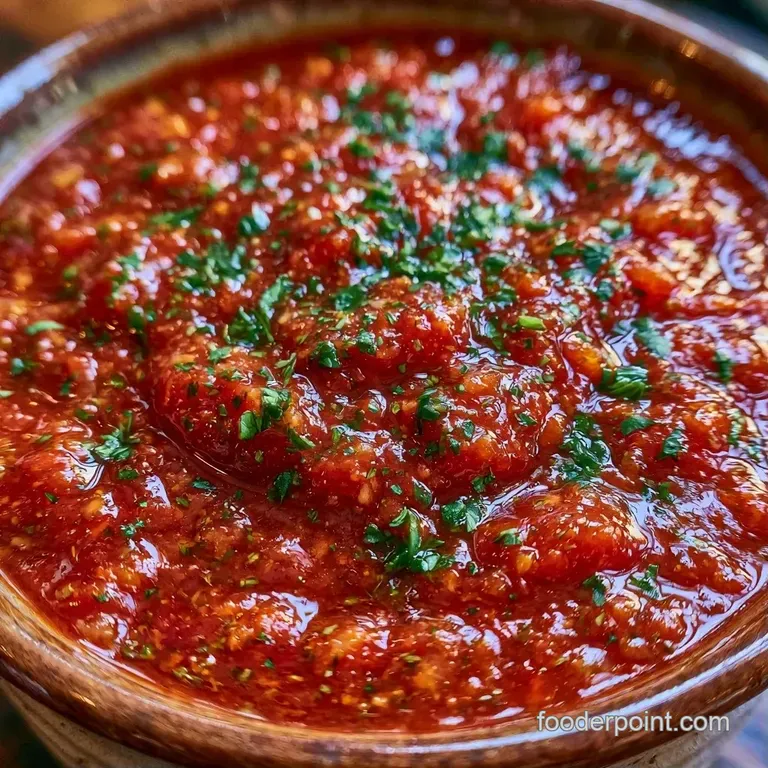
Soggy pizza usually results from sauce that is too runny or applied too generously. If it looks thin, simmer it for an additional 5 minutes. Remember to apply only a thin layer to your dough less is better here.
Balancing Bland Flavors
A lack of depth often means the herbs haven't fully infused. Let the sauce sit for a while, or add a small splash of balsamic vinegar to brighten the profile.
| Problem | Fix |
|---|---|
| Too Acidic | Add 1/4 tsp sugar or butter |
| Too Thin | Simmer 5 mins longer |
| Too Bland | Add pinch of salt or balsamic |
Adjusting the Batch Size
This recipe makes about 1.5 cups, which is enough for 2-3 medium pizzas. If you're feeding a crowd, you'll need to scale up.
Going Bigger (2x-4x): Double the tomato sauce and oil, but only increase the salt and red pepper flakes by 1.5x. Spices can become overwhelming when scaled linearly. You might also need to simmer it for 5-10 minutes longer to reach the right thickness.
Going Smaller (1/2): Just halve everything. Use a very small pot so the sauce doesn't evaporate too fast. Since the volume is lower, check for doneness every 3-4 minutes.
Below is a quick look at how the two methods compare if you're deciding which way to go.
| Feature | No Cook Method | Simmer Method |
|---|---|---|
| Total Time | 20 mins (mostly resting) | 20 mins (active heat) |
| Flavor Profile | Bright, raw, zesty | Rich, mellow, savory |
| Texture | Slightly thinner | Thicker and glossy |
Sauce Misconceptions
You might hear that you have to use fresh tomatoes to get a "real" taste. That's just not true. Canned tomato sauce is often more consistent in acidity and thickness, which is exactly what you want for a pizza.
Some people think fresh herbs are always better. For pizza, dried herbs are actually the way to go. They are more concentrated and don't wilt or burn as easily in a 450°F oven.
Keeping It Fresh
Keep any remaining sauce in an airtight glass jar in the refrigerator for 5 days. For larger batches, it freezes beautifully; store it in a freezer safe container for up to 3 months. To reuse, let it defrost in the fridge the night before.
Instead of discarding the tomato residue in the can, swirl in a bit of olive oil or water to loosen it. Stir this into a vegetable stew or pasta sauce for a boost of extra depth.
Perfect Complements
This sauce is a powerhouse on a standard Margherita, but it also works as a dip. I love using it for cheesy garlic bread or as a base for a quick pizza bagel.
If you're looking for more ways to use canned bases, try my Canned Tomato Pizza Sauce for a slightly different take. It's a great way to keep your pantry stocked for unexpected cravings.
Dietary Adaptations
You can easily tweak this to fit your needs. For a low sodium version, use "no salt added" canned sauce and replace the salt with a squeeze of fresh lemon juice. This keeps the brightness without the sodium bloat.
For a spicy kick, double the red pepper flakes. If you want a sweeter, more "commercial" style sauce, add another 1/2 tsp of sugar.
Decision Shortcut:
- Extra heat? → add 1/4 tsp red pepper
- Sweeter vibe? → fold in 1/2 tsp sugar
- Thicker base? → simmer 5 mins longer
Trust me, once you try making this Pizza Sauce From Canned Tomato Sauce, you'll never go back to those bland jars. It's hearty, budget friendly, and actually tastes like real food. Let's get those pizzas in the oven!
Recipe FAQs
Can canned tomato sauce be used as pizza sauce?
Yes, it works perfectly as a base. You just need to add specific seasonings to give it a traditional pizza flavor.
How do I turn tomato sauce into pizza sauce?
Whisk in dried oregano, basil, sugar, salt, pepper, and red pepper flakes. You can either simmer these with sautéed garlic or let them rehydrate in a no-cook version.
Is it true that plain tomato sauce is too thin for pizza?
Surprisingly, no. Simmering the sauce for 10-15 minutes thickens it enough to prevent the crust from getting soggy.
Which modifications help diabetics enjoy this sauce?
Omit the granulated sugar from the recipe. The natural sweetness of the canned tomato sauce is usually enough.
What is the secret to making canned sauce taste better?
Sauté minced garlic in olive oil for 30-60 seconds before adding the sauce. This builds a deeper flavor profile than using raw garlic.
Where should I store the remaining sauce?
Keep it in a sealed container in the refrigerator. It stays fresh for several days.
Must the sauce be simmered before use?
No, you can use a no-cook method. Just mix the raw garlic and spices into the sauce and let it sit for 15 minutes.
Why does the sauce taste flat?
This is typically a sign that the sauce needs more seasoning or acidity. If you enjoyed fine tuning the flavors here, try our mint sauce to achieve a similarly vibrant and punchy result.
Canned Tomato Pizza Sauce 2