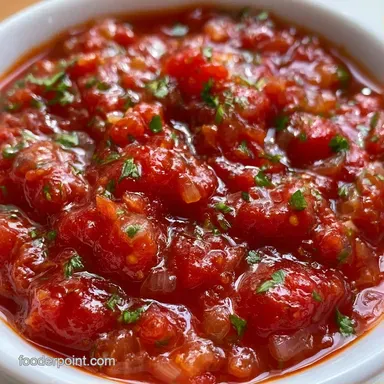
Pasta Sauce from Canned Tomato Sauce in 25 Minutes
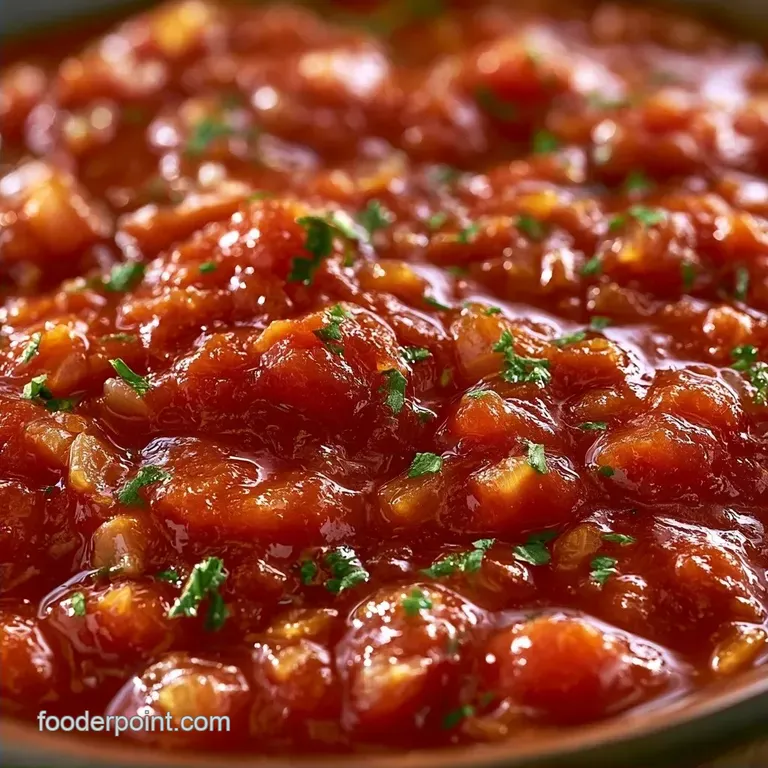
- Time: 5 minutes prep + 20 minutes stovetop
- Taste & Feel: Deeply savory, smooth, and lush
- Ideal for: Quick weeknight meals, tight budgets, novice chefs
- Making Pasta Sauce From Canned Tomato Sauce
- Why This Simple Method Works
- Everything You Need
- Tools for the Job
- Putting the Sauce Together
- Fixing Common Sauce Issues
- Ways to Change the Flavor
- Keeping Your Sauce Fresh
- Adjusting the Batch Size
- What to Pair With This
- Why Basic Recipes Fail
- Recipe FAQs
- 📝 Recipe Card
Nothing beats the sizzle of garlic hitting hot olive oil. That punchy, aromatic scent is the signal that dinner is finally coming together. For a long time, I simply warmed up canned sauce in a pot, but it always had a thin, metallic edge that felt like a compromise.
I eventually discovered that the gap between a basic can and a genuine meal is just a few minutes of effort. By building layers of flavor through sautéing and adding a touch of sweetness, you can transform a cheap ingredient into something decadent.
This Pasta Sauce From Canned Tomato Sauce is for those evenings when the fridge is nearly empty but you crave something hearty. We aren't doing a six-hour simmer here; instead, we use a few smart shortcuts to achieve a concentrated flavor in under 30 minutes.
Making Pasta Sauce From Canned Tomato Sauce
Here is the strategy. The objective is to develop complex layers of flavor efficiently. Rather than simply boiling all the ingredients together, we follow a structured sequence: aromatics, then thickening, and finally simmering.
We start by establishing a savory base with onions and garlic. Next, we toast the tomato paste, which is a crucial step for eliminating any raw taste. To finish, we allow the canned sauce and seasonings to integrate for a brief period.
How does this compare to using fresh tomatoes? A fresh sauce involves peeling, seeding, and hours of reduction. This shortcut provides 90% of the flavor for only 10% of the effort.
| Goal | What to change |
|---|---|
| More Heat | Double the red pepper flakes |
| Thicker Body | Add 1 extra tbsp tomato paste |
| Brighter Taste | Add an extra teaspoon of lemon juice |
It is a worthwhile compromise. You sacrifice the texture of hand crushed tomatoes to save an entire hour of your time. On a busy Tuesday night, that is the real victory.
Why This Simple Method Works
Most people just dump the can in the pan. That's why it tastes like a can. This method works because it treats the canned sauce as a base, not the final product.
Paste Toasting: Frying the tomato paste in oil browns the natural sugars, which gets rid of the metallic tang. Acidity Balance: A tiny bit of honey and vinegar creates a pull and push effect that mimics the complexity of a long simmered sauce.
Let's be real about the ingredients. You don't need a fancy pantry to make this happen. We're using basic things that most of us already have in the cupboard.
| Component | Purpose | Substitute Notes |
|---|---|---|
| Olive Oil | Sauté base | Avocado oil works but has less flavor |
| Tomato Paste | Depth and thickness | Pureed tomatoes (will be thinner) |
| Apple Cider Vinegar | Brightness | Lemon juice provides the same zip |
| Honey | Balances acidity | Maple syrup or a pinch of brown sugar |
Everything You Need
Below are the ingredients. I suggest using a wide pot or a medium sized skillet; the more surface area you have, the more efficiently the sauce will reduce and thicken.
- 2 tbsp extra virgin olive oil
- 1 medium onion, finely diced Benefit: Creates a sweet, savory foundation
- 4 cloves garlic, minced Benefit: Vital for that signature Italian aroma
- 1/2 tsp crushed red pepper flakes Benefit: Provides a gentle warmth without intense heat
- 28 oz canned tomato sauce Benefit: A cost effective primary base
- 2 tbsp tomato paste Benefit: Adds deep, concentrated color and body
- 1/4 cup water or low sodium vegetable broth Benefit: Stops the paste from scorching
- 1 tsp dried Italian seasoning Benefit: An easy way to get basil and oregano notes
- 1 tbsp apple cider vinegar or lemon juice Benefit: Balances the overall richness
- 1 tsp honey or maple syrup Benefit: Softens the sharp acidity of canned tomatoes
- 1/2 tsp sea salt Benefit: Amplifies all other flavors
- 1/4 tsp cracked black pepper Benefit: Contributes a woody, pungent finish
- 1/4 cup fresh basil leaves, torn Benefit: Offers a burst of freshness the moment it is served
If you don't have fresh basil on hand, a pinch of additional dried herbs will work, although you'll miss that vibrant, garden fresh scent.
Tools for the Job
Equipment is simple. A reliable skillet is the main requirement. I suggest using cast iron or stainless steel for better heat retention, but a non-stick option is a great choice for beginners.
A silicone spatula or wooden spoon is essential. You'll need to stir the tomato paste constantly for a few minutes, so these tools prevent pan scratches and protect your wrist from the heat.
Finally, have a sharp knife and cutting board ready. It's important to dice the onion finely; otherwise, large chunks will stand out in your otherwise smooth sauce.
Putting the Sauce Together
It is time to start the cooking process. Follow these instructions to build a deep, complex flavor profile.
- Warm the olive oil over medium heat. Sauté the diced onion for 5–7 minutes until it is translucent and slightly golden. Note: Be patient here; allowing the onion to soften properly releases its sweetness.
- Mix in the minced garlic and red pepper flakes. Cook for 60 seconds until the garlic becomes pale gold and smells fragrant. Note: Keep the garlic moving to prevent it from burning and turning bitter.
- Make a small clearing in the center of the pan and add the tomato paste. Stir constantly for 2 minutes until the paste reaches a deep, brick red color. Note: This step is key for developing the flavor.
- Gradually pour in the canned tomato sauce and water or broth. Stir until the mixture is smooth and well combined.
- Lower the heat. Stir in the salt, pepper, honey, vinegar, and Italian seasoning.
- Let the sauce simmer gently for 10–15 minutes, stirring now and then, until it thickens slightly and bubbles softly.
- Take the pan off the heat. Fold in the torn fresh basil just before serving. Note: Overboiling the basil will cause it to lose its vibrant color and flavor.
The final result should be a rich sauce that coats the pasta perfectly instead of running off to the bottom of the dish.
Fixing Common Sauce Issues
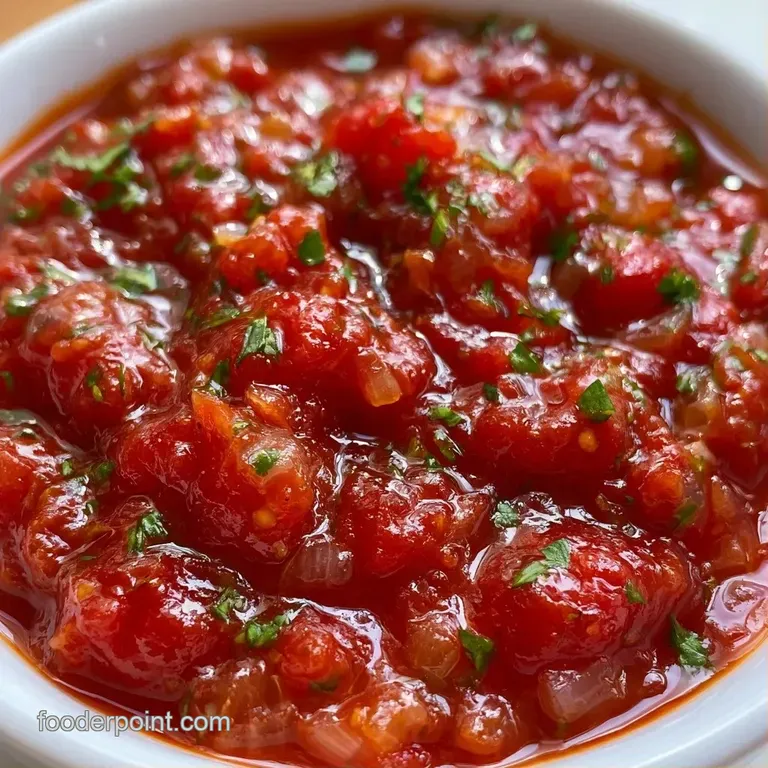
Even straightforward recipes can have hiccups. Usually, a quick adjustment to the flavors at the end does the trick.
Fixing Too Much Acidity
If the sauce tastes overly sharp or biting, it's likely due to the canned tomatoes. Although honey is included, some brands are naturally more acidic. To resolve this, stir in a pinch of salt or a small knob of unsalted butter; the fat helps neutralize the acidity and smooths out the taste.
Handling a Thin Sauce
If the consistency is more like a soup than a thick sauce, you may have simmered it for too short a time or kept the heat too low. Increase the heat to medium low for an additional 5 minutes.
If it remains too thin, stir in one more tablespoon of tomato paste, ensuring it is fully incorporated to avoid clumps.
Preventing Bitter Garlic
An acrid or bitter flavor usually means the garlic was over browned. Since garlic burns in a matter of ten seconds, it's easy to overdo. While you can't fully erase the bitterness, a little extra honey or a splash of cream can help mask it. In the future, ensure your oil isn't smoking before adding the garlic.
Ways to Change the Flavor
This Pasta Sauce From Canned Tomato Sauce is incredibly versatile. Once you have the basics mastered, you can easily adapt the flavor profile in several ways.
For a spicier kick, transform this into an Arrabbiata by doubling the red pepper flakes and stirring in a pinch of smoked paprika. This adds a bold, smoky heat that pairs perfectly with penne.
To create a "Garden Style" variation, sauté diced carrots and celery along with the onions to add natural sweetness and texture. For a richer, smoother finish, stir in two tablespoons of heavy cream or a dollop of mascarpone right at the end.
If you want something completely different, you can use a similar foundation for a canned tomato pizza sauce. The key is to reduce the water and simmer it longer to ensure the crust doesn't become soggy.
Keeping Your Sauce Fresh
This recipe makes a decent amount, and it's actually better the next day after the flavors have had time to settle.
In the Fridge: Store the sauce in a glass jar or airtight container. It stays good for about 4 days. When you reheat it, add a splash of water to loosen it up, as it will thicken in the cold.
In the Freezer: This is a great meal prep option. Pour the cooled sauce into freezer bags, squeeze out the air, and lay them flat. They last for 3 months. Thaw them in the fridge overnight before heating on the stove.
Zero Waste Tip: Don't toss those onion skins or the ends of the garlic cloves. Put them in a freezer bag. Once the bag is full, boil them with some water and a carrot to make a simple vegetable stock for your next batch of sauce.
If you're into preserving your own ingredients, you might want to check out how to make home canned tomato sauce for the winter months. It takes more effort but is incredibly rewarding.
Adjusting the Batch Size
Scaling this recipe is pretty straightforward, but you can't always just multiply everything by two.
Scaling Down: If you're cooking for one or two, halve everything. Use a smaller skillet so the sauce doesn't evaporate too quickly. Reduce the simmer time by about 20% because a smaller volume of liquid thickens faster.
Scaling Up: For a big family gathering, you can double or triple the recipe. However, don't double the salt and red pepper flakes immediately. Start with 1.5x the amount, taste it, and then add more.
Liquids usually reduce a bit slower in large batches, so you might need to simmer for an extra 10 minutes to get the right consistency.
What to Pair With This
This Pasta Sauce From Canned Tomato Sauce is versatile. While it's a classic for spaghetti, it works wonders with rigatoni or fusilli because the sauce gets trapped in the ridges.
For a full meal, I love serving this with a side of garlic bread. Just toast some sourdough with butter and a pinch of salt. A simple arugula salad with lemon and olive oil also cuts through the richness of the tomato.
If you have leftover sauce, don't let it go to waste. It makes a great base for a quick shakshuka in the morning just crack a few eggs into the simmering sauce and cover the pan until the whites are set.
Why Basic Recipes Fail
I've seen so many "quick" recipes that just tell you to mix everything and heat it. That's why those sauces taste flat. They miss the chemical transition that happens when you fry the aromatics.
The biggest mistake is the "raw paste" error. Adding tomato paste directly to the liquid means you're just adding thickness, not flavor. By toasting the paste, you're caramelizing the sugars. It's a small step, but it's the difference between a sauce that tastes like a can and a sauce that tastes like a kitchen.
Another issue is the over reliance on sugar. Many commercial brands load their sauce with sugar to hide the metallic taste of the can. By using honey and a bit of vinegar, we're creating a balanced profile that tastes natural and fresh.
And finally, the timing of the herbs. If you throw fresh basil in at the start, it turns brown and tastes like nothing. Adding it at the very end preserves those volatile oils, giving you that punchy aroma that makes the whole house smell like an Italian bistro.
This Pasta Sauce From Canned Tomato Sauce proves that you don't need a huge budget or a ton of time to eat real food. Just a few smart moves in the pan, and you've got a hearty meal that everyone will actually want to eat.
Recipe FAQs
How to turn a can of tomato sauce into pasta sauce?
Sauté diced onion and garlic in olive oil before stirring in toasted tomato paste and the canned sauce. Simmer the mixture with Italian seasoning, honey, and vinegar for about 10 to 15 minutes.
What ingredients improve basic canned sauce?
Mix in sautéed onion and garlic, tomato paste, Italian seasoning, honey, and vinegar. These additions balance the acidity and add savory depth.
Is tomato sauce generally suitable for diabetics?
Yes, most tomato sauces are low-glycemic options. Just check the labels for hidden added sugars or syrups.
Which techniques make canned tomato sauce taste better?
Toast the tomato paste in the pan for 2 minutes before adding the liquid sauce. If you loved the sweet tart balance in this recipe, see how we use the same acid technique in our lemon chicken sauce.
Is it true that homemade pasta sauce requires hours of simmering to taste rich?
This one's false: Toasting the tomato paste and using fresh aromatics provides deep flavor in just 20 minutes. You get a savory result without the all-day cook time.
Canned Tomato Pasta Sauce