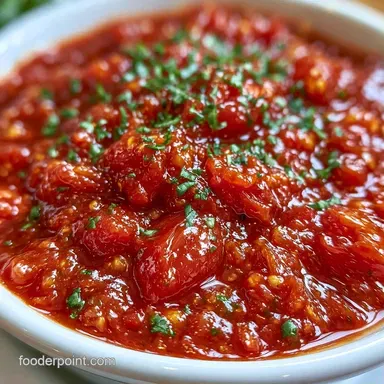
Canned Tomato Sauce Recipe: Garden-Fresh and Low-Sugar
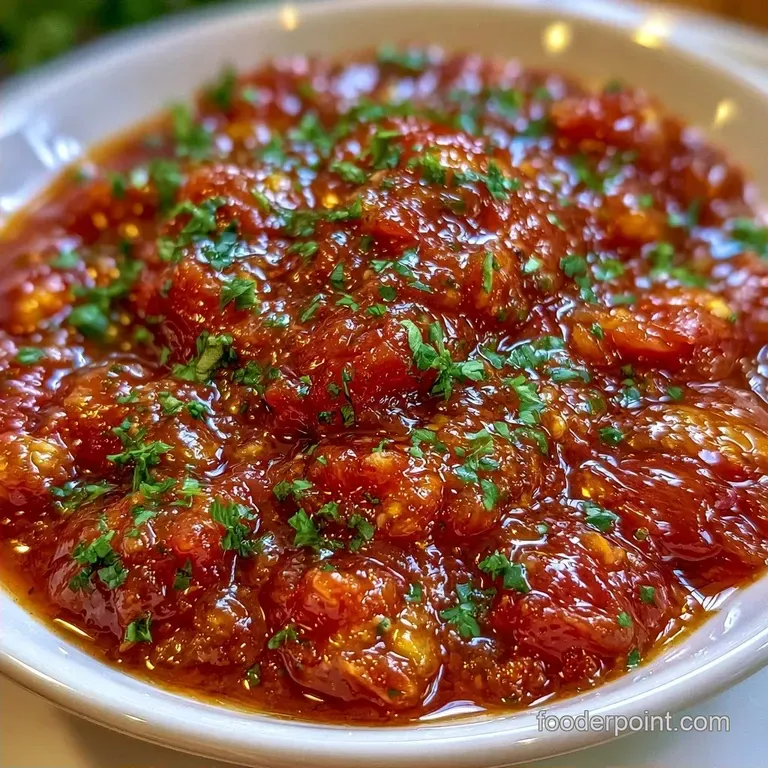
- Time: 20 min active + 45 min cooking
- Flavor/Texture Hook: Rich, mahogany color with a thick, pourable consistency
- Perfect for: Batch cooking and winter pasta nights
The smell of onions hitting hot olive oil is enough to get anyone excited. For a long time, I thought you needed a professional kitchen or a degree in food science to preserve vegetables safely. I stayed away from canning because I was worried about the gear and the risk of things going wrong.
But here is the truth: you don't need a fancy pressure canner for a high acid Canned Tomato Sauce Recipe. A simple water bath does the trick for tomatoes. Once you realize how straightforward the process is, you'll stop buying those store-bought jars that taste like tin and corn syrup.
This approach is about real food and minimal fuss. We're using a few basic ingredients to create something that tastes like a slow cooked Sunday meal, even when you open it in the middle of January.
Why This Sauce Actually Works
- Acid Balance: Adding lemon juice ensures the pH level stays low. This is what allows us to use a water bath instead of a pressure canner, as high acidity prevents spoilage.
- Tomato Choice: Roma tomatoes have more flesh and fewer seeds. This means less water to boil off, so your sauce thickens faster and tastes heartier.
- Low Heat Simmer: Letting the sauce bubble gently for 40 minutes breaks down the raw tomato taste. It turns the bright red color into a deep mahogany.
Recipe Specs
| Method | Duration | Shelf Life |
|---|---|---|
| Fast (Fresh) | 30 minutes | 5 days in fridge |
| Classic (Canned) | 1 hour 20 mins | 12 months in pantry |
Now, let's go over the essentials needed to get started.
The Essential Ingredients
| Ingredient | Role | If You Don't Have It |
|---|---|---|
| Roma Tomatoes | Flavor and structure | San Marzano or paste tomatoes |
| Yellow Onion | Sweet aromatic base | 3-4 large shallots |
| Garlic | Bold, savory depth | 1 tsp garlic powder |
| Lemon Juice | Acidity for preservation | 1/4 tsp citric acid |
- 10 lbs Roma tomatoes, peeled and crushed Pro Tip: More flesh and less liquid for a thicker consistency
- 2 tbsp extra virgin olive oil Note: Heat stable for sautéing
- 1 cup yellow onion, finely diced
- 4 cloves garlic, minced
- 1 tbsp lemon juice Requirement: Necessary for safe water bath canning
- 1 tsp sea salt
- 1 tbsp dried oregano
- 1/2 cup fresh basil leaves, torn
- 1/2 tsp black pepper, freshly ground
- 1/2 tsp red pepper flakes
If you prefer not to can your sauce, my Roma tomato sauce is a wonderful alternative.
Tools You Really Need
Specialized equipment isn't necessary. A large, thick bottomed pot works best as it distributes heat evenly and prevents scorching on the bottom.
For the canning process, you'll need a large stockpot that can submerge your pint jars under at least an inch of water. A wide mouth funnel makes filling the jars much tidier, and a jar lifter is essential to protect your fingers from burns.
If you want a velvety, seedless consistency, a food mill is a great choice, but a rough chop with a knife is also perfectly fine.
Putting It All Together
Phase 1: Preparing the Tomatoes
- Cut a small 'X' into the bottom of each tomato. Boil them for 30 60 seconds until the skins begin to split, then quickly transfer them to an ice bath. Peel the skins away by hand.
- Coarsely chop the tomatoes or process them with a food mill. Note: Using a mill strips the seeds for a silkier texture.
Phase 2: Developing the Flavor
- Warm olive oil in a large pot on medium heat. Sauté diced onions until they are soft and aromatic (roughly 5–7 minutes).
- Mix in the minced garlic for another 60 seconds. Note: Avoid browning the garlic to prevent bitterness.
- Add the crushed tomatoes, then stir in the oregano, salt, and black pepper.
- Bring to a gentle boil, then lower the heat to a simmer. Stir occasionally and let the sauce reduce for 30–40 minutes until it takes on a deep, mahogany color.
Phase 3: The Canning Process
- Mix in the fresh basil and lemon juice, then take the pot off the heat.
- Pour the hot sauce into sterilized pint jars, leaving 1/2 inch of headspace at the top.
- Clean the rims, secure the lids, and process them in a boiling water bath for 15 minutes.
Per USDA guidelines, ensuring proper acidity is critical during canning to avoid botulism. Stick to the lemon juice and the timing.
Fixing Common Sauce Problems
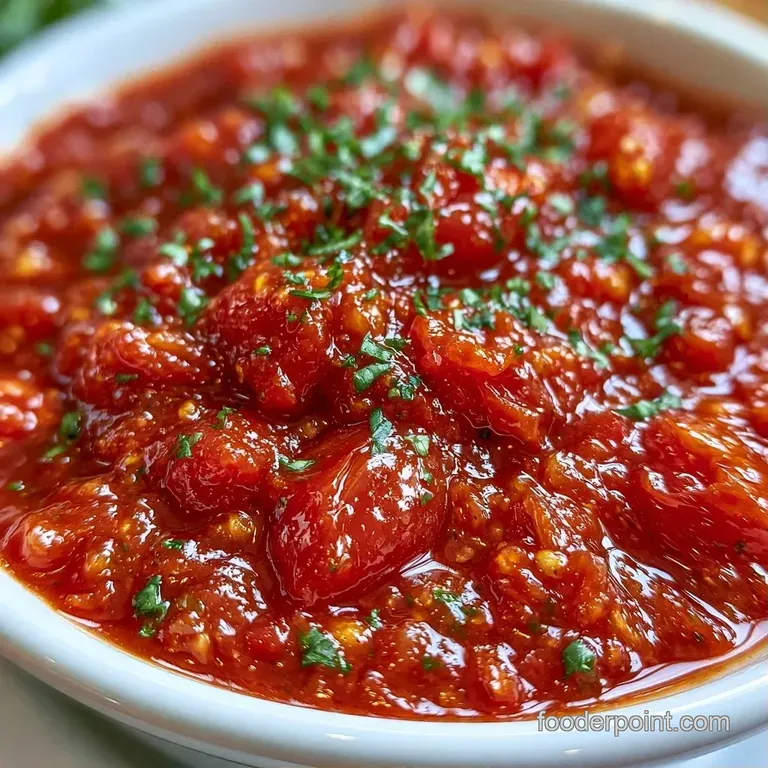
The most frustrating part of this Canned Tomato Sauce Recipe is when a jar doesn't seal. Usually, this happens because a tiny bit of sauce stayed on the rim of the jar, preventing the lid from gripping the glass. Always wipe the rim with a clean, damp cloth before closing.
Another issue is a sauce that stays too watery. This usually means the tomatoes weren't simmered long enough or they were very juicy. Just keep it on the heat for another 10 minutes.
Jar Seal Failure
If the lid doesn't "pop" within 24 hours, it didn't seal. Move it to the fridge and eat it within a week.
Excess Liquid
If the sauce is too thin, simmer it longer before jarring.
| Problem | Fix |
|---|---|
| Lid didn't seal | Store in fridge and eat immediately |
| Sauce too watery | Simmer 10-15 mins longer |
| Bitter taste | Reduce garlic cook time next time |
Creative Twists and Swaps
Depending on what you're serving, you might want to tweak the flavor. This is the beauty of a homemade Canned Tomato Sauce Recipe; you control the salt and sugar.
- Tangier? → fold in 1 tsp lemon zest.
- Spicier? → add 1/4 tsp extra red pepper.
- Thicker? → simmer 10 mins more before jarring.
If you find yourself making this every year, you might want to try a large batch sauce to fill your entire pantry. For something different, you could add a pinch of cinnamon to the simmer for a Mediterranean vibe, or double the basil for a punchier, fresher taste.
Adjusting Your Batch Size
This recipe is easy to scale down if you're working with fewer tomatoes. When making a half batch, opt for a smaller pot to prevent the liquid from evaporating too quickly. I typically cut the simmering time by 20% because there is a smaller volume to heat.
Exercise caution with seasonings when doubling or quadrupling the recipe. Avoid simply multiplying the salt and red pepper flakes by four, as the flavors may become too intense. Instead, I suggest starting with 1.5x the spices and adjusting to taste.
If your stockpot isn't large enough for 40 lbs of tomatoes, process them in batches.
Debunking Common Canning Myths
One big myth is that you have to use a food mill to get a "professional" sauce. Honestly, a rough chop gives the sauce a rustic, chunky feel that's great for hearty pasta dishes. It's a preference, not a requirement.
Another common belief is that you need to add sugar to balance the acidity. If you use ripe Roma tomatoes, they have enough natural sweetness. You don't need refined sugar to make this taste good.
Finally, some people think you can't use a water bath for tomatoes. While some heirloom varieties are lower in acid, adding lemon juice or citric acid makes this Canned Tomato Sauce Recipe safe for the water bath method.
Storing Your Finished Jars
Canned jars should be stored in a cool, dark place like a pantry or basement. They'll stay fresh for about 12 months. Once you open a jar, keep it in the cooler for about 5 days.
For zero waste, don't toss the tomato skins from the blanching step. I throw mine into the compost bin or add them to a vegetable scrap bag in the freezer to make a quick stock later. If you have leftover raw tomatoes that didn't make the cut for the sauce, dice them up for a fresh bruschetta.
Ways To Serve This
This sauce is incredibly flexible. While it's a staple for classic spaghetti, it also works perfectly as a dip for mozzarella sticks or as the foundation for a rich shakshuka.
I frequently use it to whip up a fast chicken cacciatore. Simply sear some chicken thighs, stir in a jar of this sauce, and simmer for 20 minutes. It delivers a rich, layered taste without requiring an entire afternoon of preparation.
Because the sauce is already processed and canned, you are simply warming it and allowing the flavors to fuse with the meat.
Whether you are cooking for a large group or prepping meals for the week, this Canned Tomato Sauce Recipe ensures your pantry is full of wholesome, genuine food. There's a wonderful sense of accomplishment in seeing those jars on the shelf, knowing the essence of summer is preserved for the months ahead.
Recipe FAQs
How to make canning tomato sauce?
Score a small 'X' on the bottom of Roma tomatoes and blanch them in boiling water. After peeling, simmer the crushed tomatoes with olive oil, onion, garlic, and oregano for 30-40 minutes.
How long does homemade tomato sauce last in a jar?
Store these in a cool, dark pantry for up to 12 months. Once you open a jar, keep it in the cooler for about 5 days.
What is the secret ingredient in tomato sauce?
Fresh basil and a tablespoon of lemon juice provide a bright, professional finish. If you loved the sweet tart balance in this recipe, see how we use the same acid technique in lemon chicken sauce.
Can diabetics enjoy this recipe?
Yes, this recipe is generally suitable due to its low calorie count and lack of added sugars. It relies on fresh vegetables and heart healthy olive oil.
Is it true that canned tomatoes cannot be used for pasta sauce?
No, this is a common misconception. You can simply simmer canned tomatoes with the same garlic and onion base to achieve a similar result.
Do you need sugar to balance the acidity?
Actually, no. The natural sweetness from sautéed yellow onions and the addition of lemon juice balance the flavors perfectly.
Which methods make canned tomato sauce taste better?
Simmer the sauce until it reaches a rich, mahogany hue to concentrate the flavors. Using a food mill for a seedless, velvety consistency also improves the overall mouthfeel.
Canned Tomato Sauce Recipe