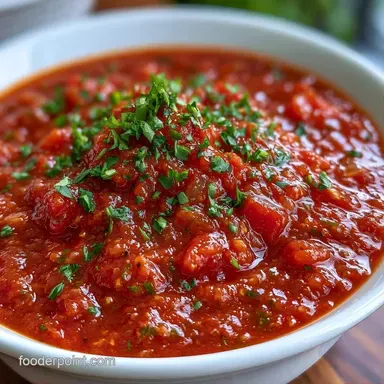
Home Canned Tomato Sauce: Savory
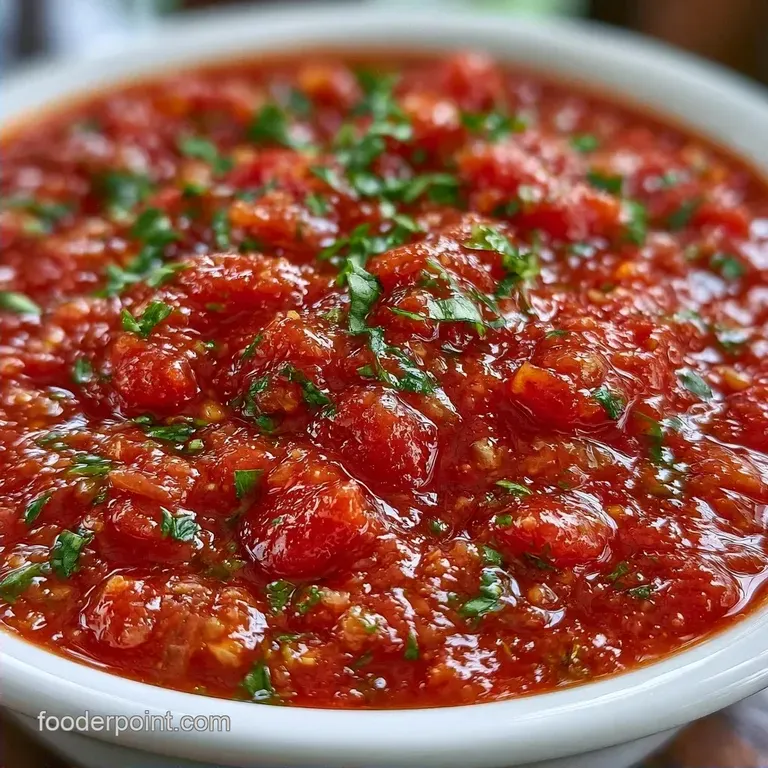
- Time: 60 min active + 24 hours resting
- Flavor/Texture Hook: Thick, savory, and deeply red
- Perfect for: Pantry stocking, winter pasta nights, budget meal prep
The smell of simmering tomatoes and dried basil always takes me back to August. My porch used to be crowded with crates of mahogany colored Roma tomatoes that felt like they were ripening faster than I could pick them. There's a specific kind of panic that hits when you have 25 pounds of fruit and no way to store them.
That's why I started bottling my own sauce. It's not about being fancy, it's about not wasting food and saving money on those overpriced organic jars at the store. Once you have a shelf full of these, you stop worrying about "what's for dinner" because the hardest part is already done.
You can expect a thick, hearty sauce that tastes like a summer garden in the middle of January. We're keeping it simple here, focusing on real food and basic techniques that actually work in a home kitchen.
The Sauce Texture Trick
Acidification: Adding lemon juice drops the pH level, which stops dangerous bacteria from growing during storage.
Open Pot Simmering: Cooking without a lid lets water evaporate, which concentrates the flavor and thickens the sauce naturally.
What Goes Inside
| Component | Purpose | Substitute Notes |
|---|---|---|
| Roma Tomatoes | Thick base | Paste tomatoes work well; avoid beefsteak (too watery) |
| Bottled Lemon Juice | Safety/Acid | Citric acid (1/4 tsp); fresh lemon is risky for canning |
| Yellow Onion | Savory depth | White onion; slightly sharper taste |
| Extra Virgin Olive Oil | Fat/Sautéing | Sunflower oil; neutral flavor, slightly less rich |
You'll need the following for your Canned Tomato Sauce:
- 25 lbs Roma or Paste tomatoes, cored Why this? Low water content means less simmering time
- 2 tbsp bottled lemon juice Why this? Consistent acidity is vital for safety
- 2 cups yellow onion, finely diced
- 4 cloves garlic, minced
- 1/4 cup extra virgin olive oil
- 1 tbsp kosher salt
- 2 tbsp dried basil
- 1 tsp black pepper
If you're running low on Roma tomatoes, you can use any paste variety. Just be careful with heirlooms, as they often have more water and might need an extra 20 minutes on the stove to thicken up.
Tools You Need
While a standard home setup works, a few specialized tools will simplify things. A large stockpot (at least 12 quarts) is essential to accommodate the volume. I also suggest using a food mill, which removes skins and seeds without the need for a blender.
For the canning process, you'll need a pressure canner or a water bath canner. If you're a beginner, refer to the USDA canning guidelines to ensure your equipment is safe and correct. You will also need sterilized jars, along with lids and bands.
Now, let's move on to the prep. Believe me when I say the ice bath is key it makes the skins slide right off.
Steps For Success
Phase 1: Prepping the Tomatoes
- Score a small 'X' into the bottom of each tomato. Blanch them in boiling water for 30 60 seconds until the skins split, then immediately transfer them to an ice bath.
- Peel away the skins and remove the core.
- Pass the peeled tomatoes through a food mill to eliminate seeds and skins, creating a thick, smooth puree.
Phase 2: Simmering the Sauce
- Warm olive oil in a wide pot over medium heat. Sauté diced onions until soft and translucent.
- Stir in the minced garlic and cook for 60 seconds until fragrant.
- Pour in the tomato puree and stir in the salt, pepper, and dried herbs.
- Bring to a light boil, then reduce the heat to a simmer. Cook uncovered for 30–45 minutes until the sauce is thick and a deep red color.
- Mix in the bottled lemon juice to ensure the Canned Tomato Sauce is safe for shelf storage.
Phase 3: The Canning Process
- Sterilize the canning jars using boiling water.
- Ladle the hot sauce into the jars, leaving exactly 1/2 inch of headspace.
- Use a bubble remover tool to clear any trapped air from the inside of the jar.
- Wipe the rims clean, center the lids, and tighten bands until fingertip tight.
- Process in a water bath canner for 35 minutes or a pressure canner for 15 minutes at 11 lbs of pressure.
- Set the jars aside undisturbed for 24 hours to ensure a proper vacuum seal.
Fixing Common Issues
Don't worry if your jars fail to seal. Usually, it's just a tiny bit of residue left on the rim. I once lost three jars because I didn't clean the edges properly. If you don't hear a pop after 24 hours, just store it in the refrigerator and eat it within two weeks.
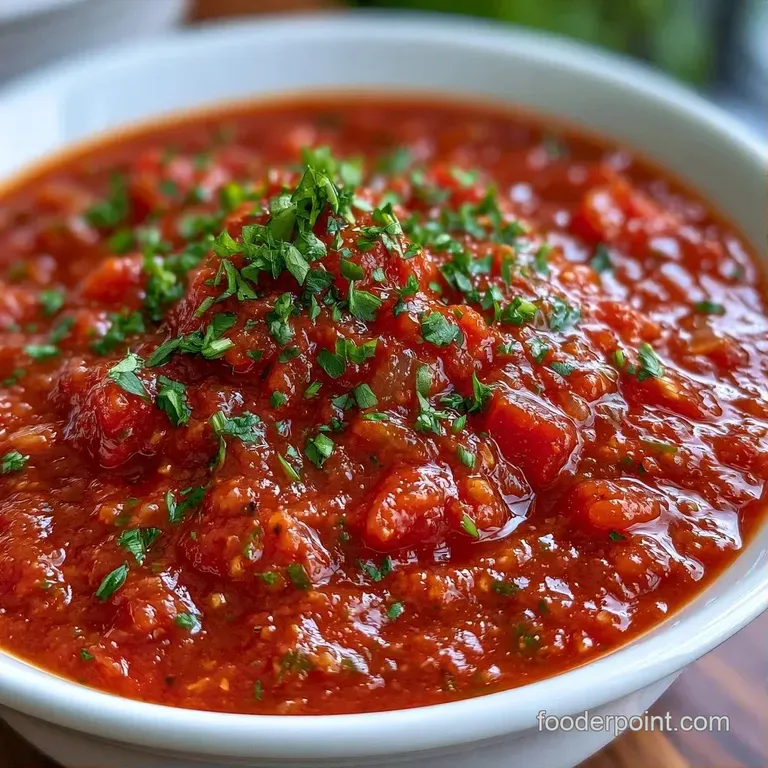
Consistency is another common concern. If your sauce is too thin, it likely wasn't simmered long enough or the tomatoes were too juicy. You cannot thicken the sauce after canning, so confirm the texture is correct before filling your jars.
| Problem | Root Cause | Solution |
|---|---|---|
| Jars won't seal | Pulp on the rim | Wipe rims with vinegar before capping |
| Sauce too thin | Not enough evaporation | Simmer 15-20 mins longer |
| Bitter taste | Burnt garlic | Sauté garlic slower or use lower heat |
| Floating bubbles | Trapped air | Use a bubble remover or plastic knife |
Changing the Recipe
Depending on what you're serving, you might want to tweak the flavor. For a bit of heat, I like to add a pinch of red pepper flakes during the onion sauté. If you prefer a sweeter sauce, a teaspoon of brown sugar can balance the acidity.
For those who want a "chunky" style, skip the food mill. Just hand dice the peeled tomatoes. This makes a great base for a rustic pasta. If you're looking for something completely different for a weeknight dinner, you might try this Alfredo sauce recipe for a creamy alternative.
Here are a few quick adjustments: - Extra zing? → add 1 tsp apple cider vinegar - Sweeter taste? → stir in 1 tsp sugar - Thicker sauce? → simmer an extra 15 mins
Whether you're making a traditional marinara or a spicy arrabbiata, the Canned Tomato Sauce base stays the same. You can also stir in fresh basil at the very end of the simmer for a brighter, more herbal note.
Adjusting the Batch Size
If you only have 10 pounds of tomatoes instead of 25, just halve everything. Use a smaller pot so the sauce doesn't evaporate too quickly and burn. You'll probably only need about 30 minutes of simmering time instead of 45.
Going bigger? If you're processing 50 pounds or more, work in batches. Don't try to cram it all into one pot unless you have a commercial sized vat. When scaling up, only increase the salt and pepper to 1.5x. Spices can get overwhelming if you just double them.
For the canning process, remember that more jars in the pot can slow down the heating time. Keep an eye on your water level in the canner.
Storage Guidelines
Store your Canned Tomato Sauce in a cool, dark place like a pantry or basement. If kept sealed, they'll stay good for about 12 to 18 months. Once you open a jar, move it to the fridge and use it within 10 days.
To avoid waste, use the tomato skins and cores to make a quick vegetable stock. Just simmer them with some onion peels and celery ends, then strain. It's a great way to get every bit of value out of your harvest.
If you have too many jars to fit in the pantry, you can actually freeze the sauce. Just leave an extra inch of headspace in the jar so the glass doesn't crack when the liquid expands. According to Serious Eats, freezing is a great alternative if you don't have a canner.
Great Food Pairings
This sauce is incredibly versatile. While pasta is the obvious partner, it also works beautifully as a foundation for shakshuka or a thick vegetable stew. I personally enjoy adding it to slow cooked pot roast to provide the meat with a deep, tangy flavor.
To round out your dinner, serve your pasta alongside some Mushroom Sauce Chicken for a satisfying and cozy feast. The zesty tomato notes balance the creamy mushroom sauce wonderfully.
For an affordable family meal, try spooning the sauce over baked polenta or using it as a dip for toasted sourdough. It elevates basic ingredients into something truly indulgent.
The Trick Behind the Texture
The key to a great Canned Tomato Sauce is the balance between heat and time. By sautéing the onions and garlic first, you create a savory foundation. Then, the uncovered simmer allows the water to leave, leaving behind a concentrated, rich puree.
This method avoids the need for thickeners like cornstarch or flour, which can make the sauce taste "muddy". Instead, you get a pure, clean tomato flavor that's thick enough to cling to pasta without sliding off. It's real food, made simply, and it lasts all year.
Recipe FAQs
Is canned tomato sauce safe for diabetics?
Yes, as long as no sugar is added. These ingredients are naturally low in glycemic index and fit well into most diabetic diets.
What is the shelf life of homemade jars?
Store sealed jars in a cool, dark place for 12 to 18 months. Once opened, move the jar to the fridge and use it within 10 days.
Can I safely preserve sauce without a canner?
Actually, no. You must use a water bath or pressure canner to reach the temperatures necessary to prevent botulism.
Why is lemon juice added to the recipe?
It increases the acidity of the tomatoes. This ensures the sauce is acidic enough to stop harmful bacteria from growing during storage.
How to make the sauce taste better?
Sauté the onions and garlic slowly until translucent to build a deep flavor base. If you liked balancing bold flavors in a Cajun Remoulade Sauce, use a similar patient approach with your aromatics here.
Home Canned Tomato Sauce