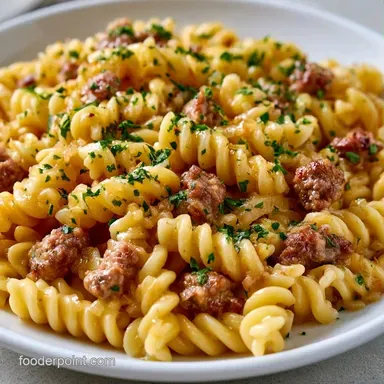
One Pot Sausage Pasta in 25 Minutes
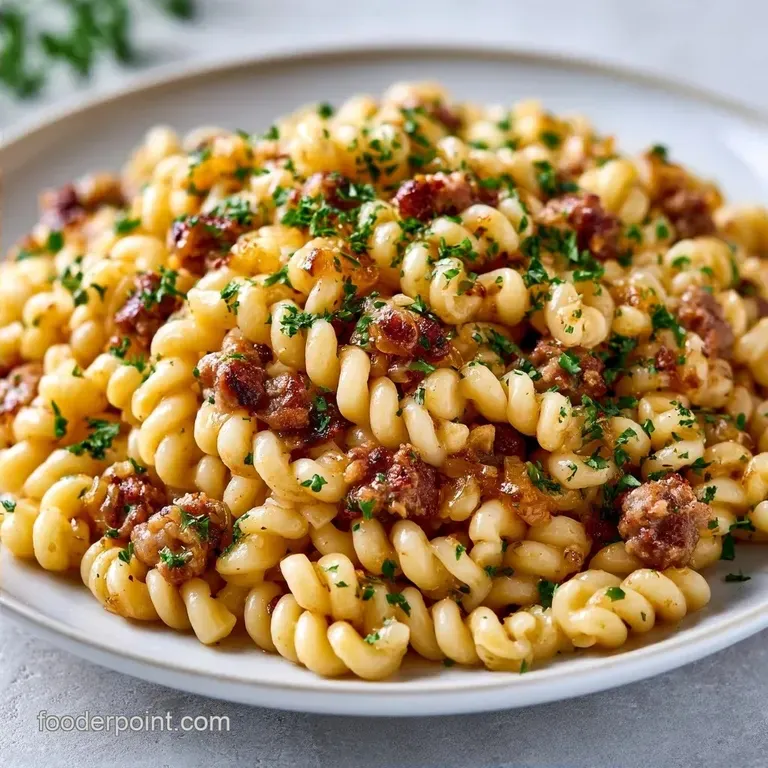
- Time: 5 minutes preparation + 20 minutes stove time
- The Appeal: A decadent, cheesy sauce and deeply browned sausage
- Great for: Low-cost weeknight family dinners
Hearty One Pot Sausage Pasta
The first few times I tried this, I ended up with a pot of gummy, overcooked pasta clumps that looked more like porridge than dinner. I was either using too much water or stirring way too often, which just broke the noodles down into a mushy mess.
It's a frustrating spot to be in when you just want a fast, comforting meal.
The fix was all in the ratio and the heat. Once I stopped treating it like a boiling pot of water and started treating it like a risotto, everything clicked. Now, I can get a rich, savory dinner on the table in about 25 minutes.
This One Pot Sausage Pasta is built for people who hate washing five different pans. We're browning the meat, softening the aromatics, and simmering the noodles all in one skillet. You get a deep, savory base and a sauce that actually clings to the pasta instead of pooling at the bottom of the bowl.
Why This Method Works
Natural Starch: Because the pasta doesn't get drained, the starch stays in the pan. This creates a thick, creamy base that binds the cheese and cream together.
Fond Layering: Searing the sausage first leaves brown bits on the pan. When the broth hits that surface, it lifts those flavors up into the rest of the dish.
Controlled Hydration: Using a specific amount of broth ensures the noodles absorb the flavor while the liquid reduces to a sauce.
| Sausage Type | Texture | Flavor Profile | Best For |
|---|---|---|---|
| Fresh Italian | Soft crumble | Herby and bright | Classic comfort |
| Smoked Kielbasa | Firm coins | Salty and smoky | Heartier bite |
| Turkey Sausage | Leaner grain | Lighter, mild | Budget health |
Right then, let's look at what goes into the pan. I prefer using a wide skillet because it gives the sausage more room to brown and lets the liquid evaporate at a steady pace.
Ingredient Deep Dive
| Ingredient | Role | If You Don't Have It |
|---|---|---|
| Chicken Broth | Hydrates pasta | Water with bouillon cube |
| Heavy Cream | Adds richness | Half and half or whole milk |
| Parmesan | Salt/Thickener | Pecorino Romano or Grana Padano |
| Italian Sausage | Main protein | Ground pork with fennel seeds |
The Shopping List
- 1 lb Italian sausage Why this? Provides the primary savory fat and herb base
- 1 medium yellow onion, finely diced
- 3 cloves garlic, minced
- 1 tbsp olive oil
- 12 oz short pasta Why this? Penne or rotini hold the thick sauce well
- 3 cups chicken broth, low sodium
- 1 tsp dried oregano
- ½ tsp red pepper flakes
- ½ cup heavy cream
- ¾ cup freshly grated Parmesan cheese Why this? Fresh melts better than pre shredded
- 2 cups fresh baby spinach
- 2 tbsp unsalted butter
Quick Swaps
- Heavy Cream: Swap for full fat coconut milk if you're avoiding dairy, though it adds a slight coconut hint.
- Baby Spinach: Use chopped kale or frozen peas for a different green.
- Italian Sausage: Smoked sausage works great, just slice it into thin rounds first.
Equipment Needed
You only need a few basics for this. A large, deep skillet (12 inches) is the star here. Make sure it has a tight fitting lid, or you'll lose too much moisture and the pasta will stay hard.
I use a wooden spoon for breaking up the meat and a silicone spatula for the final stir. If you have a meat thermometer, it's handy to check that the sausage reaches an internal temperature of 160-165°F before adding the vegetables.
How to Make It
Searing the Protein
Warm some olive oil in your pan over medium high. Stir in the sausage, breaking it up with a spoon. Brown for 7-8 mins until the meat is deep mahogany and the edges are slightly crisp.
Sautéing the Aromatics
Stir in the diced onion and sauté for 3-4 minutes until it becomes translucent. Add the minced garlic, cooking for just 60 seconds until aromatic.
Simmering the Pasta
Add the uncooked pasta, oregano, and red pepper flakes, tossing them in the rendered sausage fat. Pour in the chicken broth. Bring it to a light boil, then immediately turn the heat down to low.
Place the lid on and simmer for 10-12 minutes, stirring every 3 minutes to ensure nothing sticks.
Emulsifying the Sauce
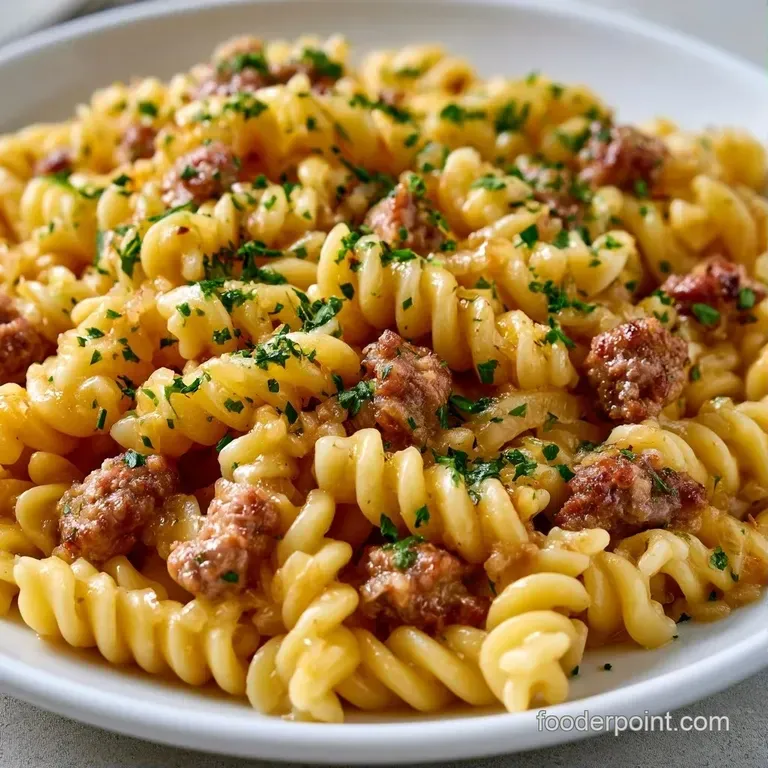
Once the pasta is al dente and the liquid has mostly evaporated, lift the lid. Mix in the heavy cream, Parmesan, and butter. Fold in the spinach until it wilts. Stir briskly for 1 minute until the sauce is creamy and coats the pasta perfectly.
Chef's Note: If the consistency is too thick, stir in another tablespoon of broth. If it seems too thin, let it rest for 2 minutes off the burner; it will thicken quickly as it cools.
Avoiding Kitchen Disasters
Fixing a Watery Sauce
If the liquid hasn't reduced enough by the time the pasta is cooked, don't panic. Remove the lid and bump the heat to medium high for 2-3 minutes. Stir constantly to speed up evaporation before you add the cream and cheese.
Preventing Gummy Pasta
The biggest mistake is over stirring. If you stir the noodles every 30 seconds, you release too much starch too quickly and break the pasta. Stick to the 3 minute rule. Only stir enough to make sure nothing is sticking to the bottom.
Handling Burnt Garlic
Garlic burns fast and turns bitter. If you see it turning dark brown, immediately pour in the broth to drop the pan temperature. This stops the cooking process and saves the flavor of your One Pot Sausage Pasta.
Adjusting the Serving Size
Scaling Down (Half Batch) Opt for a smaller 8 inch skillet. Cut the simmering time by roughly 20% because the lower volume cooks faster. Simply divide the butter and egg measurements by two.
Scaling Up (Double Batch) Avoid simply doubling the liquids; use 5 cups of broth rather than 6, as larger quantities evaporate more slowly. Brown the sausage in batches to prevent overcrowding the pan, which would cause the meat to steam and ruin the mahogany crust.
Limit the spice increase to 1.5x the original amount, as salt and red pepper flakes can become overpowering if fully doubled.
Common Kitchen Myths
Contrary to popular belief, searing meat doesn't "lock in" the juices. You'll lose moisture whether you brown it first or not. The real purpose of searing is to develop a crust that brings a rich, savory depth to the final sauce.
Opting for "low-fat" cheese may cut calories, but it compromises the texture. store-bought shredded cheese often contains potato starch to keep the pieces separate in the package. This additive interferes with the melting process, resulting in a grainy consistency rather than a smooth sauce.
Saving and Storing
Keep the leftovers in a sealed tub in the cooler for up to 3 days. This dish is quite hearty, so it holds up well. For the freezer, you can store it for 2 months, but be aware that the cream sauce can separate slightly.
Zero Waste Tips If you have leftover onion scraps or garlic skins, throw them in a freezer bag for your next batch of homemade stock. If you have a bit of Parmesan rind left over, drop it into the simmering broth during step 4 to add an extra layer of saltiness.
Swaps and Twists
The Red Version For a different vibe, swap the chicken broth for a mix of broth and Canned Tomato Pasta Sauce. This turns the dish into a creamy tomato sausage blend.
Veggie Boost Add sliced mushrooms during the onion sauté or stir in some frozen peas at the very end with the spinach. This is a great way to bulk up the meal for kids who need more greens.
The Protein Pivot Swap the Italian sausage for smoked sausage or kielbasa. Since smoked meats are already cooked, you're just browning the outside for flavor before adding the pasta.
Decision Shortcut
- For a lighter meal: Use 2% milk instead of cream and double the spinach.
- For more heat: Add a pinch of cayenne pepper with the red pepper flakes.
- For a firmer noodle: Pull the pan off the heat 1 minute before the pasta is fully al dente.
Great Side Pairings
Because this One Pot Sausage Pasta is quite indulgent, a bright side dish is essential to balance the creaminess. A simple arugula salad tossed in lemon vinaigrette is the perfect pairing.
I also recommend serving this with toasted sourdough. For an extra touch, spread some Cowboy Butter Recipe on the bread for a garlicky, zesty pop that complements the sausage beautifully.
If you're feeding a larger group, a side of roasted broccoli or sautéed zucchini keeps the meal well rounded without requiring another pot on the stove.
Critical Sodium Level
1650 mg 1650 mg of sodium per serving (72% 72% of daily value)
The American Heart Association recommends a daily sodium limit of 2,300mg, though an ideal limit of 1,500mg is suggested for most adults to reduce cardiovascular risk.
Tips to Reduce Sodium in Your Recipe
-
Switch to Unsalted Broth-30%
Replace the low-sodium chicken broth with homemade unsalted broth or water with a pinch of turmeric and garlic powder for a similar profile.
-
Substitute the Sausage-25%
Replace the Italian sausage with ground turkey or chicken and season it yourself with salt free Italian herbs to avoid processed meat sodium.
-
Moderate the Parmesan-15%
Reduce the Parmesan cheese by half or use a small amount of nutritional yeast to maintain a nutty, salty flavor with less sodium.
-
Boost Aromatics & Acid
Increase the dried oregano and add a squeeze of fresh lemon juice at the end to brighten the flavor without adding salt.
Recipe FAQs
Can I use smoked sausage instead of Italian?
Yes, smoked sausage works well. It adds a distinct smokiness and a slightly different salt profile to the dish.
Is it true that I must drain the pasta first?
No, this is a common misconception. Cooking the noodles directly in the broth keeps the starch in the pan to thicken the sauce naturally.
How to handle pre-cooked sausage in this skillet?
Brown the meat over medium high heat until mahogany colored and crispy. You only need to sear it for flavor since it is already cooked through.
Which pasta shapes work best here?
Use short pasta like penne or rotini. These shapes are sturdy enough for the simmering process and capture the cream sauce effectively.
What happens if the sauce is too thin?
Simmer the pasta uncovered for another minute. This evaporates excess liquid and helps the sauce cling to the noodles.
Would andouille sausage be a good swap?
Andouille provides a spicy kick that complements the cream. If you enjoy this level of flavor balancing, see how we use similar principles in our canned tomato sauce.
Do I need to boil the broth separately?
Actually, no. Adding the chicken broth directly to the skillet lifts the mahogany colored bits from the bottom to enrich the sauce.
One Pot Sausage Pasta