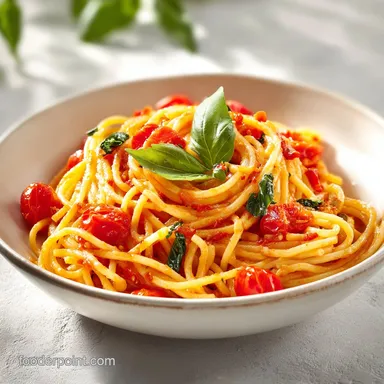
Creamy Tomato Basil Pasta Recipe
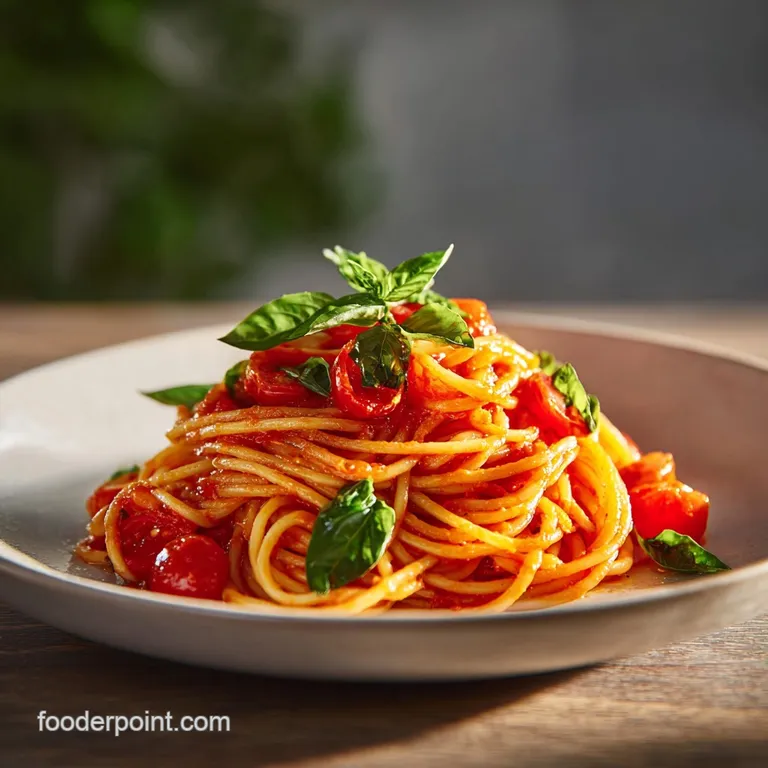
- Time: Active 5 minutes, Passive 15 minutes, Total 20 minutes
- Flavor/Texture Hook: Silky, vibrant, and deeply aromatic
- Perfect for: Weeknight comfort, date nights, or busy families
- Essential Specs and Timing
- The Chemistry of the Emulsion
- Component Analysis
- Smart Budget Friendly Ingredients
- Necessary Kitchen Equipment
- Easy Cooking Instructions
- Fixing Common Kitchen Errors
- Clever Ingredient Alternatives
- Scaling For Crowds
- Kitchen Myths
- Preservation and Leftover Tips
- Best Serving Suggestions
- High in Sodium
- Recipe FAQs
- 📝 Recipe Card
You know that specific sizzle when garlic first hits the olive oil? Not the aggressive, angry pop of a pan that’s too hot, but that gentle, rhythmic bubbling that smells like a Sunday afternoon in a crowded Italian kitchen. That’s exactly how this dish starts.
I remember the first time I tried to make a version of this for a friend who was coming over on short notice. I was out of everything fancy, but I had a tin of tomatoes, half a carton of cream, and a basil plant that was barely hanging on by a thread on my windowsill.
I was worried it would be too basic, too simple. But the second that cream swirled into the red sauce, turning it into a beautiful, sunset orange, I knew I was onto something. We ended up eating straight from the pan with some crusty bread to mop up the extra sauce.
It wasn't about the cost of the ingredients, it was about the chemistry between them. Since then, I’ve refined the technique to make sure the sauce never breaks and the flavors are concentrated, not watered down.
This recipe is my go to when I want something that feels expensive but costs less than a fancy coffee per serving. We're skipping the $10 jars of premade sauce and building something much more vibrant from scratch.
It’s hearty enough to fill up the kids but elegant enough that you could serve it with a glass of wine and feel like you've really treated yourself. Right then, let’s get into the details so you can get this on the table tonight.
Essential Specs and Timing
This recipe is designed to be fast without sacrificing the depth of flavor you'd get from a slow simmered ragu. By using crushed tomatoes, we bypass the long breakdown time required for whole peeled tomatoes, meaning the sauce is ready in the same amount of time it takes to boil your water and cook the pasta.
It's a synchronized dance that results in a fresh tasting meal every single time.
Cook Method Comparison
| Method | Time | Texture | Best For |
|---|---|---|---|
| Traditional Stovetop | 20 minutes | Silky and cohesive | Maximum flavor control |
| One Pot Style | 25 minutes | Starchy and thick | Fewer dishes to wash |
| Slow Simmer | 1 hours | Deep and jammy | Making sauce in bulk |
The stovetop method listed in this guide is the sweet spot for a weeknight. It allows the garlic and shallots to soften properly without the risk of the pasta becoming gummy from sitting in boiling liquid for too long. If you're in the mood for seafood instead, my Creamy Garlic Shrimp recipe uses a very similar base technique but swaps the red sauce for a bright, buttery lemon profile.
The Chemistry of the Emulsion
Acidity Buffering: The heavy cream doesn't just add fat, it actively neutralizes the sharp citric acid in the tomatoes, creating a mellow, rounded flavor profile.
Starch Binding: Using 1 lb of pasta creates enough surface area for the sauce to cling, while the reserved pasta water acts as a bridge between the fat in the cream and the liquid in the tomatoes.
Lipid Infusion: The essential oils in the fresh basil are fat soluble, meaning they bloom and become more potent when they hit the warm cream and olive oil mixture.
Maillard Prep: Sautéing the minced shallots and garlic until they are translucent rather than browned ensures a sweet, aromatic base that doesn't compete with the fresh basil.
Component Analysis
| Ingredient | Science Role | Pro Secret |
|---|---|---|
| Crushed Tomatoes | Provides the acidic base | Use brands like Mutti or San Marzano for lower natural acidity. |
| Heavy Cream | High fat emulsifier | Ensure it is at room temperature to prevent curdling when hitting the hot sauce. |
| Parmigiano Reggiano | Adds salt and structure | Always grate from a block; pre shredded cheese is coated in starch that ruins the melt. |
| Pasta Water | The "Liquid Gold" | It contains loosened starches that act as a natural thickener for the final toss. |
The magic of this Creamy Tomato Basil Pasta lies in how these few items interact. For those who want a deeper, concentrated flavor, try my Sun Dried Tomato recipe which uses oil packed tomatoes for an even more intense hit of umami. But for today, we are focusing on that classic, vibrant red sauce feel that everyone loves.
Smart Budget Friendly Ingredients
For the Pasta (Metric)
- 450 g (1 lb) penne or rigatoni pasta Why this? Ridged shapes catch the velvety sauce inside and out.
- 2 tbsp kosher salt Why this? Crucial for seasoning the dough from within during the boil.
For the Signature Sauce (Metric)
- 30 ml (2 tbsp) extra virgin olive oil Why this? A fruity oil provides a better base than neutral vegetable oil.
- 3 cloves garlic, minced Why this? Fresh garlic is non negotiable for that aromatic punch.
- 1 small shallot, finely diced Why this? Sweeter and milder than onions, perfect for quick sauces.
- 800 g (28 oz) crushed tomatoes Why this? Offers a consistent, thick texture without hours of simmering.
- 120 ml (1/2 cup) heavy cream Why this? The fat content is high enough to resist curdling when heated.
- 50 g (1/2 cup) Parmigiano Reggiano, freshly grated Why this? Provides the "umami" backbone of the dish.
- 1 cup fresh basil leaves, loosely packed Why this? Adds the essential "high note" and floral aroma.
- 1/2 tsp red pepper flakes Why this? Just enough heat to cut through the richness of the cream.
- Salt and black pepper to taste
| Original Ingredient | Substitute | Why It Works |
|---|---|---|
| Heavy Cream | Half and Half | Lower fat; sauce will be thinner. Note: Add an extra tsp of butter to help. |
| Shallot | Yellow Onion | Similar flavor profile. Note: Mince very finely as onions take longer to soften. |
| Fresh Basil | Dried Basil (1 tbsp) | Use only if fresh is unavailable. Note: Adds earthiness but loses the bright floral hit. |
| Penne Pasta | Fusilli | Same surface area. Note: Spirals are excellent for holding onto the cream. |
Necessary Kitchen Equipment
You don't need a professional kitchen for this, but two things make a massive difference. First, a large, heavy bottomed skillet or a Dutch oven. This ensures even heat distribution so the garlic doesn't burn while the shallots are still raw. Second, a high-quality cheese grater.
Trust me, the difference between freshly grated Parmigiano and the stuff in the green shaker can is night and day.
Chef's Tip: Freeze your block of Parmigiano for 10 minutes before grating. It makes the cheese firmer and prevents it from clumping or melting in your hand while you work.
You’ll also want a large pasta pot to give those noodles plenty of room to dance. Crowded pasta releases too much starch at once, making the water slimy rather than helpful. A simple colander and a pair of tongs or a spider strainer will finish the setup.
Easy Cooking Instructions
Boiling the Pasta to Al Dente
Bring a large pot of water to a rolling boil. Add 2 tbsp kosher salt. It should taste like the sea. Drop 1 lb of penne or rigatoni into the water. Stir immediately to prevent sticking. Cook for about 8-9 minutes, or until it has a slight "bite" in the center.
Save 1 cup of pasta water before draining.
Building the Aromatic Foundation
While the pasta boils, place a large skillet over medium heat. Add 2 tbsp extra virgin olive oil. Once shimmering, toss in the minced shallots. Sauté for 3 minutes until translucent. Add 3 cloves of minced garlic and 1/2 tsp red pepper flakes.
Cook for 1 minute until the kitchen smells incredible but the garlic hasn't turned brown.
Simmering the Velvety Sauce
Pour in 28 oz of crushed tomatoes. Stir to combine with the aromatics. Lower the heat to medium low and let it simmer gently for about 10 minutes. This allows the water in the tomatoes to evaporate slightly, concentrating the sweetness. You’ll see the color deepen and the texture thicken.
Emulsifying the Final Dish
Reduce the heat to low. Slowly pour in 1/2 cup heavy cream, stirring constantly. Watch the sauce transform into a silky, pale orange. Stir in 1/2 cup freshly grated Parmigiano Reggiano. The cheese will melt into the sauce, adding a salty richness.
Finishing with Freshness
Add the drained pasta directly into the skillet with the sauce. Pour in about 1/4 cup of the reserved pasta water. Toss vigorously for 2 minutes. The starch in the water will help the sauce "shatter" its surface tension and coat every inch of the pasta. If it looks too thick, add a splash more water.
Final Seasoning Check
Turn off the heat. Hand tear 1 cup of fresh basil leaves and stir them into the pasta. Tearing the leaves instead of chopping them prevents bruising and keeps the edges from turning black. Season with salt and black pepper to taste. Serve immediately while the sauce is still glossy and hot.
Fixing Common Kitchen Errors
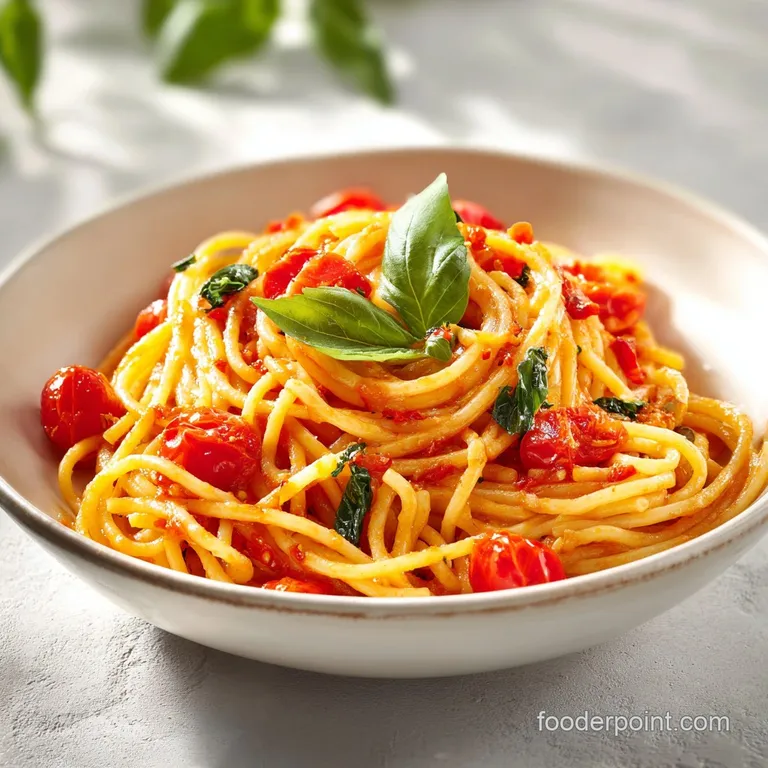
Solving A Thin Sauce
If your sauce looks more like soup than a coating, it’s usually because the tomatoes didn't simmer long enough before the cream was added. To fix this, turn the heat up to medium and let the pasta simmer in the sauce for another 60 seconds.
The pasta will absorb the excess moisture and the starch will tighten everything up.
Fixing Too Much Acid
Sometimes a batch of canned tomatoes can be surprisingly tart. If the sauce makes you pucker, don't reach for the sugar yet. First, add another tablespoon of butter or a splash more cream. The fat often masks the acidity.
If it’s still too sharp, a tiny pinch of baking soda (we're talking 1/8th of a teaspoon) can chemically neutralize the acid instantly.
| Problem | Root Cause | Solution |
|---|---|---|
| Grainy Sauce | Cheese added to boiling sauce | Remove from heat before adding cheese; stir constantly. |
| Separated Sauce | Cream was too cold | Add a splash of hot pasta water and whisk vigorously to re emulsify. |
| Bland Flavor | Not enough salt in water | Add a pinch of salt directly to the finished sauce and a squeeze of lemon. |
Common Mistakes Checklist
- ✓ Never rinse your pasta after draining (you’ll wash away the starch needed for the sauce).
- ✓ Don't add the cream to a boiling sauce or it might split.
- ✓ Use only fresh basil; the dried stuff won't give you that signature aroma.
- ✓ Always save your pasta water before you dump the pot.
- ✓ Mince garlic finely so it melts into the oil rather than leaving chunky bits.
Clever Ingredient Alternatives
This recipe is incredibly flexible. If you want to make this a "One Pot" meal, you can cook the pasta directly in the tomato liquid by adding 2 cups of chicken or vegetable broth. Just be sure to stir frequently so the bottom doesn't scorch.
For those looking to add bulk without much cost, adding a bag of fresh spinach at the very end is a great move. The heat of the pasta will wilt the spinach in seconds, adding iron and color without changing the flavor profile of your Creamy Tomato Basil Pasta.
Budget Alternatives
| Premium | Budget | Flavor Impact | Savings |
|---|---|---|---|
| Fresh Parmigiano | Pecorino Romano | Saltier and funkier | Save $2-3 |
| Shallots | Red Onion | Slightly sharper bite | Save $1-2 |
| Organic Tomatoes | Store Brand Crushed | Slightly more acidic | Save $3-4 |
Scaling For Crowds
Scaling Down (1/2 recipe): Use a smaller skillet. You can still use a whole small shallot, as it’s hard to save half. Reduce the pasta water addition to just 2 tablespoons. Since the volume is lower, the sauce will thicken much faster, so keep a close eye on the simmer time.
Scaling Up (2x recipe): You will need a very large Dutch oven or two separate skillets. Don't double the salt in the sauce immediately; salt 1.5x and then taste. When doubling liquids, they take longer to reduce, so give yourself an extra 5 minutes of simmer time before adding the cream.
Work in batches when tossing the pasta with the sauce to ensure even coating.
Kitchen Myths
One major misconception is that you need to add sugar to every tomato sauce to balance it. While sugar works, it often creates a "flat" sweetness. Real balance comes from fat (cream/butter) and salt. Only use sugar as a last resort if the tomatoes are exceptionally poor quality.
Another myth is that you should add olive oil to your pasta water to keep the noodles from sticking. This actually creates a slick coating on the pasta that prevents the sauce from clinging. Just use plenty of water and give it a good stir in the first two minutes of boiling.
Preservation and Leftover Tips
Storage: Store any leftovers in an airtight container in the fridge for up to 3 days. The pasta will continue to absorb the sauce as it sits, so it will be much thicker the next day.
Reheating: Avoid the microwave if possible, as it can cause the cream to separate and become oily. Instead, put the pasta back in a skillet with a splash of milk or water over medium low heat. Toss gently until the sauce becomes creamy again.
Zero Waste: Don't throw away those basil stems! While they are too woody to eat raw, you can throw them into the tomato sauce while it simmers to extract every bit of flavor, then just fish them out before adding the cream.
If you have leftover sauce but no pasta, it makes an incredible base for a shakshuka or a dipping sauce for grilled cheese sandwiches.
Best Serving Suggestions
This dish is quite rich, so I always pair it with something bright and crisp. A simple arugula salad with a lemon vinaigrette is the perfect foil to the heavy cream. If you’re feeling ambitious, some homemade garlic bread is a crowd pleaser, but even a few slices of toasted sourdough will do the trick.
For a protein boost, top the finished bowls with sliced grilled chicken or sautéed shrimp. The neutral flavor of the chicken picks up the tomato and basil beautifully. If you want to keep it vegetarian but add some texture, a handful of toasted pine nuts or some crispy fried capers on top adds a lovely crunch that contrasts with the velvety pasta.
High in Sodium
840 mg mg of sodium per serving (37% % of daily value)
The American Heart Association recommends limiting sodium intake to no more than 2,300mg per day for most adults.
Tips to Reduce Sodium in Your Penne alla Vodka:
-
Reduce Cheese-15%
Parmigiano Reggiano is high in sodium. Reduce the amount of cheese by half, or substitute with a lower sodium cheese like part skim mozzarella. This will significantly cut the sodium without sacrificing flavor.
-
Cut Back Salt-12%
Reduce the added kosher salt by half. Start with 1 tbsp instead of 2, and adjust to taste at the end. Remember you can always add more, but you can't take it away!
-
Low-Sodium Tomatoes-10%
Choose no-salt added or low-sodium crushed tomatoes. This simple swap can significantly reduce the sodium content of the sauce.
-
Skip Salt at the End-8%
Taste the dish before adding more salt. The cheese and other ingredients might provide enough saltiness. Consider the sodium content of the ingredients you are using.
-
Boost Flavor with Herbs & Spices
Experiment with a variety of herbs and spices like oregano, parsley, or garlic powder to enhance the flavor of the dish without adding sodium.
Recipe FAQs
Can I substitute heavy cream with milk or half and-half?
No, not without adjustments for texture. Heavy cream provides the necessary fat content (35%+) to stabilize the emulsion against the tomato acid; milk will likely result in a thin, broken sauce.
How to achieve a sauce that clings perfectly without being watery?
Reserve and utilize the starchy pasta water liberally. The starches released by the pasta act as a binding agent between the fat in the cream and the liquid in the tomatoes, creating a cohesive coating.
Why does my sauce taste too acidic after adding the tomatoes?
This is common when using lower quality canned tomatoes. Before adding sugar, try incorporating an extra tablespoon of butter or slowly whisking in a tiny pinch of baking soda to chemically neutralize the sharp acid.
Is it true that you must use imported San Marzano tomatoes for this recipe?
No, this is not strictly true, but quality matters. While San Marzanos have lower natural acidity, any high-quality crushed tomato, like Mutti, works well if you balance the flavor correctly.
How do I prevent the cheese from making the sauce grainy or clumpy?
Remove the skillet from the heat entirely before stirring in the cheese. Add the grated Parmigiano Reggiano off-heat and stir consistently; high direct heat causes the proteins to seize and clump rather than melt smoothly.
How to incorporate more vegetables without compromising the velvety texture?
Sauté soft vegetables like spinach or mushrooms before the aromatics. For a heartier vegetarian meal, consider the structure used in the Roasted Sweet Potato recipe to add body through root vegetables, roasting them separately first.
Can I make the sauce ahead of time, and if so, how do I reheat it?
Yes, the sauce base can be made up to two days ahead. When reheating, warm it slowly on the stovetop over low heat, adding a splash of milk or water to help the fat re-emulsify before tossing with freshly cooked pasta.
Creamy Tomato Basil Pasta