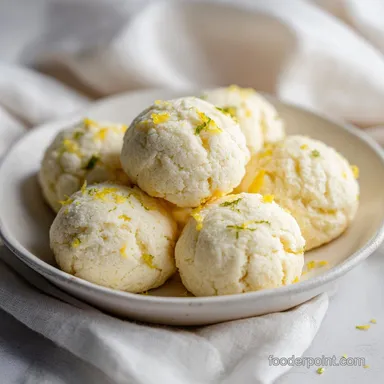
Soft Lemon Ricotta Cookies: Velvety and Tangy
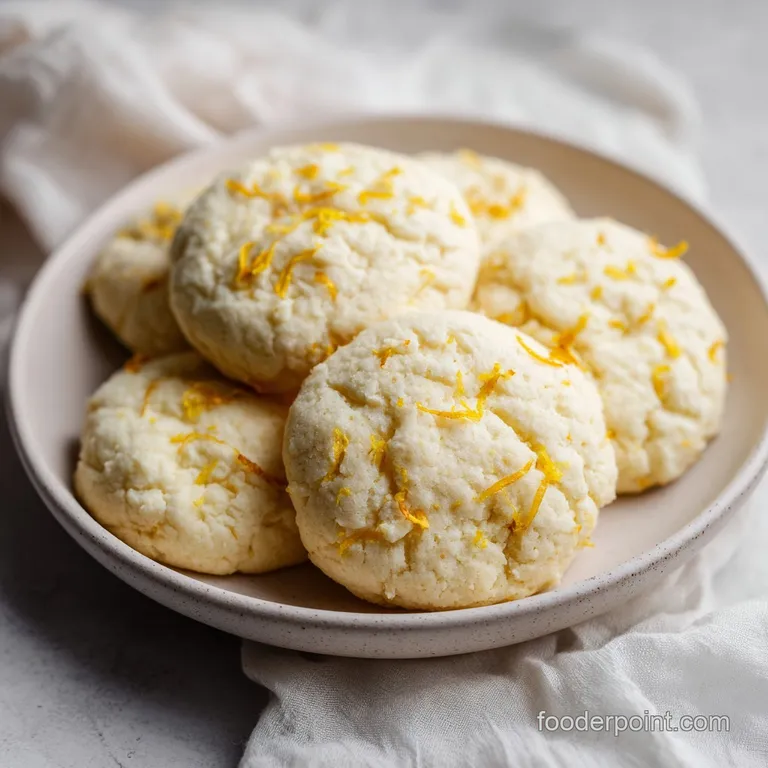
- Time:20 minutes prep + 15 minutes cook = Total 35 minutes
- Flavor/Texture Hook: Tangy, velvety centers with a soft, sugar kissed edge
- Perfect for: Springtime brunch, tea parties, or a bright weekend treat
- Stopping the Rubbery Lemon Ricotta Cookies Recipe
- Quick Guide to Baking Basics
- Selecting the Best Baking Elements
- Essential Tools for Better Baking
- Baking the Pillowy Cookies
- Fixing Common Baking Blunders
- Troubleshooting Common Issues
- Creative Twists for More Flavor
- Adjusting Your Batch Size
- Storage and Freshness Tips
- Serving Ideas for Sweet Treats
- Recipe FAQs
- 📝 Recipe Card
Stopping the Rubbery Lemon Ricotta Cookies Recipe
The smell of singed lemon zest and the sight of a flat, rubbery puddle on a baking sheet is a memory I'd rather forget. I once tried a version of this that relied too heavily on the cheese without enough fat to balance it, and the result was basically a lemon flavored sponge that felt like chewing on a damp eraser.
It was a disaster that almost made me give up on ricotta baking entirely.
But then I realized the problem was the aeration. Most people just stir the ricotta in, but if you don't get that butter and sugar whipped into a pale, fluffy cloud first, you lose the structure. Once I shifted the focus to the creaming stage and tightened up the flour ratio, everything changed.
Now, these cookies are my go to whenever I need something that feels fancy but doesn't actually take all day. They have this specific, velvety crumb that you just can't get with a standard sugar cookie. They're bright, zingy, and just a bit sophisticated without being pretentious.
Quick Guide to Baking Basics
DIVTABLE_0
You'll notice that these cookies don't spread as much as a chocolate chip cookie, which is a good thing. They hold their shape, giving you that nice rounded top that's just begging for a drizzle of glaze.
The timing is critical because overbaking these will turn that velvety center into something dry. You want them to look barely set on top, almost like they're underdone, but that's where the magic happens.
Selecting the Best Baking Elements
The Ricotta Factor: Using whole milk ricotta is non negotiable here. Part skim versions have too much water, which can lead to the "rubbery" texture I mentioned earlier. The fat in whole milk ricotta provides the tenderness.
Citrus Oil: We use both the zest and the juice. The zest contains the essential oils that give you that punchy, fragrant aroma, while the juice provides the sharp acidity to cut through the richness of the cheese.
Leavening Balance: Baking soda reacts with the acidity of the lemon juice and the ricotta to create tiny air bubbles. This is what prevents the cookies from becoming dense bricks.
DIVTABLE_1
For the Dough
- 1/2 cup unsalted butter, softened Why this? Provides the necessary fat for a tender crumb (Substitute: Coconut oil, though it adds a slight coconut taste)
- 1 cup granulated sugar Why this? Creates the crisp edges and sweetness (Substitute: Cane sugar for a deeper flavor)
- 1 cup whole milk ricotta cheese Why this? The star ingredient for that velvety texture (Substitute: Mascarpone for a richer, denser cookie)
- 1 large egg, room temperature Why this? Binds everything and adds structure (Substitute: 1/4 cup applesauce for a denser, moisture heavy version)
- 1 tsp vanilla extract Why this? Rounds out the sharpness of the lemon (Substitute: Almond extract for a nutty twist)
- 2 tbsp fresh lemon zest Why this? Essential oils for vibrant aroma (Substitute: None, bottled zest is too weak)
- 1 tbsp fresh lemon juice Why this? Activates the baking soda (Substitute: Fresh lime juice for a different zing)
- 2 1/2 cups all purpose flour Why this? Provides the gluten structure (Substitute: 1:1 GF flour blend, but expect a slightly grittier texture)
- 1 tsp baking soda Why this? Creates the lift (Substitute: 3 tsp baking powder, but the rise will be different)
- 1/2 tsp salt Why this? Balances the sugar (Substitute: Fine sea salt)
For the Lemon Glaze
- 1 cup powdered sugar Why this? Sets quickly into a smooth icing (Substitute: Icing sugar)
- 2 tbsp fresh lemon juice Why this? Thins the glaze and adds tang (Substitute: Orange juice for a citrus blend)
- 1 tsp fresh lemon zest Why this? Adds a pop of color and flavor (Substitute: Lime zest)
Essential Tools for Better Baking
You don't need a professional kitchen for this, but a few things make it way easier. A hand mixer or a stand mixer (like a KitchenAid) is a must for the creaming stage. If you try to do this by hand, you'll be exhausted before you even get to the flour.
Parchment paper is another non negotiable. These cookies have a high sugar and moisture content, meaning they can stick to a greased pan if you're not careful. Parchment gives you that clean release and helps the bottoms bake evenly.
A cookie scoop is a lifesaver for consistency. When cookies are different sizes, they bake at different rates, leaving you with some that are burnt and others that are raw. A rounded tablespoon scoop ensures every single one hits the 15 minute mark perfectly.
Baking the Pillowy Cookies
Phase 1: The Base Preparation
Beat the softened butter and granulated sugar on medium high for 2-3 minutes. You're looking for a texture that is light and fluffy, almost like whipped cream. This is the most important step for the airiness.
Add the room temperature egg, vanilla extract, and 1 tablespoon of lemon juice. Beat until the mixture is smooth and completely combined. If the batter looks curdled, just keep beating for another 30 seconds.
Reduce your mixer speed to low. Gently blend in the ricotta cheese and 2 tablespoons of lemon zest. Mix until just combined- don't overdo it here, or you'll knock out all that air you just spent minutes creating.
Phase 2: Folding the Dry Ingredients
In a separate bowl, whisk together the flour, baking soda, and salt. This ensures the baking soda is evenly distributed so you don't end up with a "soapy" tasting bite in one cookie.
Gradually add the flour mixture to the wet ingredients. Use the lowest mixer setting or a spatula to fold by hand. Stop as soon as no streaks of flour remain. Over mixing at this stage develops too much gluten, which turns your soft cookies into tough ones.
Phase 3: Baking to Perfection
Preheat your oven to 350°F (175°C). Line your baking sheets with parchment paper. Scoop rounded tablespoons of dough onto the sheets, making sure they are 2 inches apart.
Bake for 12-15 minutes. You are looking for the edges to be set and the tops to be a very pale gold. They should feel slightly soft to the touch, but not raw.
Phase 4: The Finishing Glaze
Let the cookies cool completely on the pan for 5 minutes before moving them to a wire rack. If you glaze them while they're hot, the icing will just melt and disappear into the cookie.
Whisk together the powdered sugar, 2 tablespoons of lemon juice, and 1 teaspoon of lemon zest until smooth. If it's too thick, add a drop more juice. If it's too runny, add a pinch more powdered sugar. Drizzle the glaze over the cooled cookies in a zigzag pattern.
Chef Note: For a really professional look, use a piping bag or a small plastic bag with the corner snipped off to drizzle the glaze. It gives you much more control than a spoon.
Fixing Common Baking Blunders
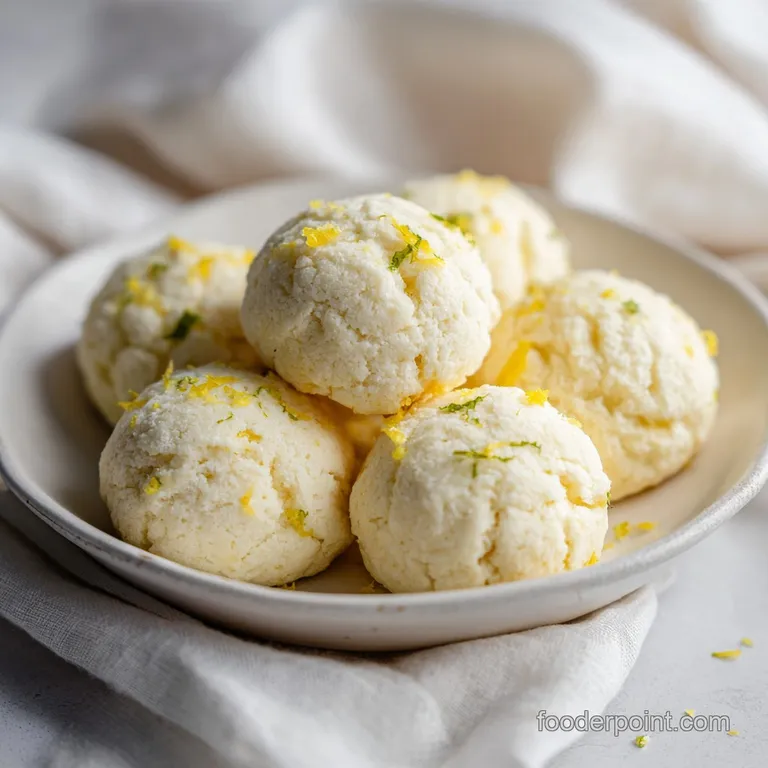
Troubleshooting Common Issues
| Issue | Solution |
|---|---|
| Why Your Cookies Spread Too Much | If your cookies look like pancakes, it's usually a temperature issue. If the butter was too soft (almost melted), the dough loses its stability in the oven. Also, make sure your baking sheets are comp |
| Why Your Centers Stay Raw | This often happens if the oven temperature is off or if the cookies are too crowded. When they're too close, the air can't circulate, leaving the centers damp while the edges brown. |
| Why the Flavor is Bitter | Bitter lemon flavor usually comes from the white pith of the lemon peel. When zesting, only take the bright yellow part. If you dig too deep into the white part, you'll introduce a bitter taste that t |
Creative Twists for More Flavor
If you're feeling adventurous, there are plenty of ways to switch up this base. For a more "Italian" vibe, try adding a half teaspoon of almond extract along with the vanilla. It gives them a flavor reminiscent of a wedding cake.
For those who love an extra punch, try adding a tablespoon of poppy seeds to the dough. The little crunch contrasts beautifully with the soft ricotta center. If you love that punchy citrus vibe, you'll probably adore my Lemon Bars recipe too.
If you're looking for a "cheat code" version, some people use a lemon cake mix instead of flour. While it's faster, you lose the specific depth of flavor from the baking soda and salt. For a lower sugar option, you can reduce the granulated sugar to 3/4 cup, though the edges will be less crisp.
DIVTABLE_2
Adjusting Your Batch Size
When scaling down to a half batch, remember that you can't easily split one egg. The best trick is to crack the egg into a small bowl, whisk it well, and then measure out 2 tablespoons. Also, reduce your bake time by about 20% since there's less mass in the oven.
For double or triple batches, don't just multiply the salt and baking soda linearly. I find that 1.5x the leavening agents is usually enough for a 2x batch of cookies. This prevents them from tasting too "chemical."
Work in batches. If you crowd your oven with four sheets at once, the temperature will drop, and you'll lose that initial spring. Bake two sheets at a time, rotating them halfway through for an even color.
Storage and Freshness Tips
Because of the ricotta cheese, these cookies are more perishable than a standard chocolate chip cookie. They should be stored in an airtight container in the fridge for up to 5 days. If you leave them on the counter in a humid kitchen, the glaze can get sticky.
For long term storage, you can freeze the baked cookies. Wrap them individually in parchment paper and place them in a freezer bag for up to 3 months. When you're ready to eat one, let it thaw at room temperature for 30 minutes.
Zero Waste Tip: Don't throw away your lemon halves after zesting and juicing. Slice them thinly and simmer them in sugar and water to make a quick candied peel. These little bits of candy are a great garnish for the top of your cookies or can be stirred into a morning bowl of oatmeal.
Serving Ideas for Sweet Treats
These cookies are best served at room temperature. If you've stored them in the fridge, take them out about 20 minutes before serving so the butter softens back up, returning that velvety texture.
They pair beautifully with a strong Earl Grey tea or a glass of cold almond milk. The tannins in the tea cut through the sweetness of the glaze perfectly. These cookies look stunning on a dessert platter next to something like a Banana Pudding recipe.
If you're serving them for a party, try stacking them in a pyramid with fresh mint leaves and lemon slices scattered around the base. It makes a simple homemade treat look like it came from a high end bakery.
Quick Choice Guide: If you want a tangier glaze, add an extra teaspoon of fresh zest. If you want a denser cookie, reduce the ricotta by 2 tablespoons. If you want a softer bite, underbake by 1 minute.
Recipe FAQs
How to keep ricotta cookies from getting soggy?
Store them in an airtight container in the refrigerator. Because of the cheese content, these cookies are more perishable and can become damp if left on the counter in humid environments.
What do lemon ricotta cookies taste like?
They are bright, tangy, and subtly creamy. The ricotta gives them a light, cheesecake like richness that balances the acidity of the fresh lemon zest and juice.
Is lemon ricotta cookie dough sticky?
Yes, the dough is naturally tackier than traditional cookie dough. This is caused by the high moisture levels in the ricotta cheese.
Should you refrigerate ricotta cookie dough before baking?
No, it is not necessary for this recipe. As long as you follow the mixing steps, the dough is stable enough to scoop and bake at 350°F immediately.
Why did my cookies spread too much in the oven?
Check that your butter is softened, not melted. If the butter is too warm when you beat it with the sugar, the dough loses its structure and flattens during baking.
How to store lemon ricotta cookies for long term freshness?
Wrap baked cookies individually in parchment paper and freeze them. Place the wrapped cookies in a freezer bag for up to 3 months, thawing at room temperature for 30 minutes before eating.
Is it true that I must over beat the ricotta to get a light texture?
No, this is a common misconception. You should blend the ricotta on low speed until just combined to avoid breaking the emulsion. If you enjoyed mastering this light texture, see how we balance similar fats in our raspberry almond shortbread.
Lemon Ricotta Cookies Recipe