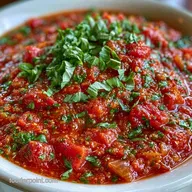
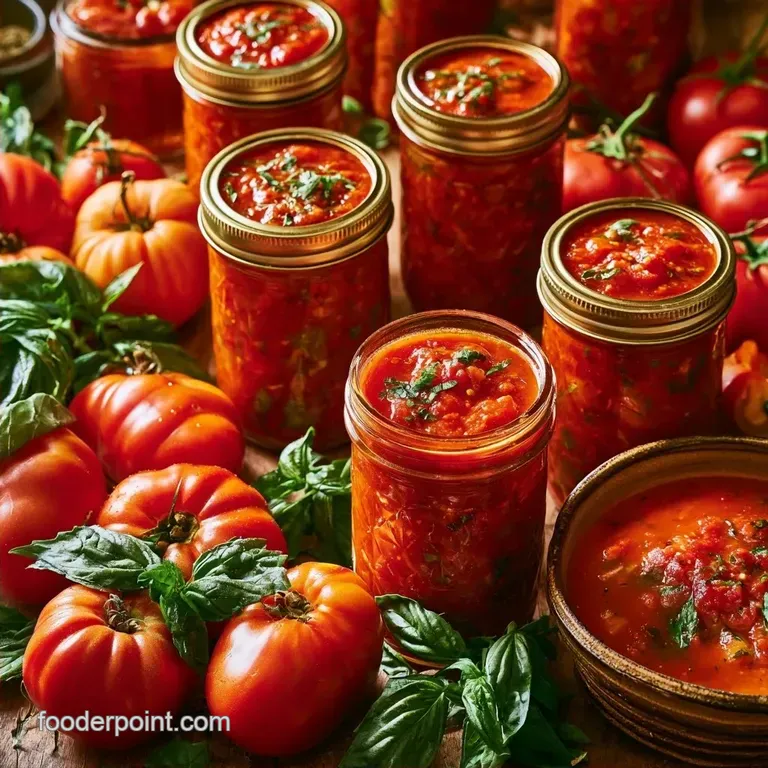
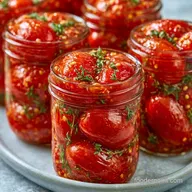
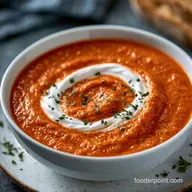
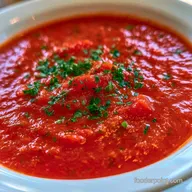
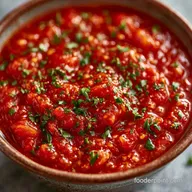
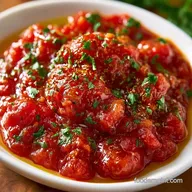
Preserving summer tomatoes secures a bright, home-cooked flavor that store-bought cans rarely match. This collection is designed for home gardeners looking to put up a large harvest, as well as busy cooks who want to turn those pantry staples into rapid, satisfying dinners on weeknights. Whether you are boiling water baths on a Saturday afternoon or looking for a comforting meal on a Tuesday evening, these guides cover your needs.
We walk you through reliable, safety-first preservation techniques alongside comforting stovetop classics. You will discover exactly how to put up seasoned sauces and firm whole tomatoes safely using modern preserving standards. In addition, we share quick soup and pizza base ideas that let you put those beautiful jars to work immediately.
What Are Canning Tomatoes Recipes?
Canning tomato recipes focus on preserving fresh summer harvests so they remain shelf-stable for months. Tomatoes are naturally acidic, but their exact pH can vary, making proper preserving techniques essential for long-term safety. This collection covers two main culinary paths. First, you will find traditional canning recipes that use water bath or pressure canning methods to safely store whole tomatoes and pureed sauces. Second, we include simple, comforting everyday meals like soups and quick pasta sauces that utilize those home-canned jars or store-bought pantry cans. Both methods celebrate the deep, concentrated flavor of cooked tomatoes.
How to Choose the Best Canning Tomato Recipe
Selecting the right recipe depends on your available equipment, time, and the varieties of tomatoes on hand. For preserving whole tomatoes, a pressure canner is highly reliable and ensures a firm texture. If you want to put up pasta bases, water bath canning is a classic approach that requires only a large stockpot and canning jars. For quick weeknight dinners, choosing a soup or quick pan sauce that relies on canned tomatoes allows you to skip the tedious peeling and seeding steps entirely. Consider whether you want a pantry-stable preserve or an immediate, comforting meal to guide your choice.
Water Bath Canning Tomato Sauce Recipes
These recipes are grouped together because they utilize the traditional water bath canning method to safely store homemade sauces in jars. Unlike pressure canning, water bath processing requires only a large pot of boiling water and relies on added acidity to keep the food safe. This section is ideal if you want a classic, shelf-stable pasta sauce without investing in specialized pressure equipment.
This water bath recipe relies on meaty Roma tomatoes and a slow simmer to naturally thicken the sauce without relying on paste, making it an excellent base for home canning.
Perfect for large garden harvests, this bulk-friendly canning recipe yields a generous batch of seasoned tomato sauce using water bath steps to keep your pantry stocked all winter.
A manageable, small-batch option that guides you through water bath processing to yield six pints of versatile sauce with clear safety-first acidification instructions.
Preserving whole or halved tomatoes requires precise temperature control to ensure the fruit remains firm and safe on the shelf. These recipes focus exclusively on the pressure canning method, which reaches higher temperatures than standard water bath processing. Use these guides when you want to put up whole tomatoes that retain their structure and color for winter cooking.
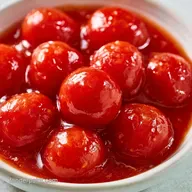
Utilize pressure canning to safely store whole summer tomatoes in their own juices, preserving a bright, fresh flavor that stays stable on your pantry shelves for months.
Keep your preserved tomatoes firm and plump with this reliable pint-sized pressure canning guide, designed to prevent the fruit from breaking down during processing.
These recipes transform simple pantry cans into smooth, comforting meals in a fraction of the time it takes to preserve raw fruit. We grouped these together because they focus on quick, warm stovetop preparations rather than long-term preservation. They differ from our canning sections by providing immediate dinner options that require no jar sterilization or specialized tools.
This straightforward recipe provides a filling, cozy option for family dinners, using pantry staples to build a satisfying meal that scales easily for guests.
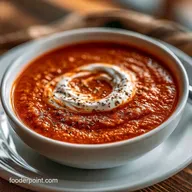
A buttery, smooth blended soup that combines canned tomatoes with rich dairy for a luxurious texture, ideal for pairing with warm grilled cheese sandwiches.
Designed with cost-conscious home cooks in mind, this recipe uses standard pantry tins and simple swaps to deliver a rich, comforting bowl without a high price tag.
A time-saving meal option that guides you through building a smooth, comforting base with pantry ingredients, tailored for busy weeknights when prep time is limited.
These quick sauces utilize canned tomato products to build deep flavors for pasta and pizza nights in thirty minutes or less. They differ from the preservation recipes by focusing on fast, direct stove-to-table cooking for immediate consumption. They are perfect when you need a rapid, flavorful topping for weeknight meals using basic pantry staples.
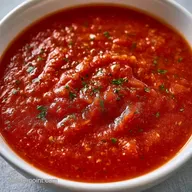
Skip the long simmering process with this quick stove sauce that transforms whole peeled pantry tomatoes into a savory, seasoned meal-topper in under thirty minutes.
When preserving tomatoes at home, safety is the primary priority because acidity levels fluctuate. It is a good practice to add bottled lemon juice or citric acid directly to each jar to reduce food safety risks. For long-term storage, keep sealed jars in a cool, dark place, typically between fifty and seventy degrees Fahrenheit. Once you open a jar of home-canned sauce or soup, store the leftovers in the refrigerator and aim to use them within three to four days. Always inspect home-canned jars before tasting; discard any with bulging lids, leaks, or off odors.
Can I use store-bought canned tomatoes instead of home-canned tomatoes in these recipes?
Typically, store-bought canned tomatoes work as an excellent direct substitute for home-canned varieties in all our soup and sauce recipes. Standard fifteen-ounce or twenty-eight-ounce tins can easily replace home jars without altering the cooking steps.
What is the main difference between water bath canning and pressure canning tomatoes?
Water bath canning relies on boiling water at 212 degrees Fahrenheit paired with added acid, making it suitable for high-acid foods like seasoned sauces. Pressure canning reaches higher temperatures of 240 degrees Fahrenheit, which is generally recommended for whole or lower-acid tomato packs to reduce spoilage risks.
Why do I need to add lemon juice or citric acid when canning tomatoes?
Tomatoes are borderline high-acid foods, and their pH levels can vary depending on ripeness and variety. Adding bottled lemon juice or citric acid is standard practice to lower the pH safely below 4.6, ensuring a safe environment that prevents bacterial growth.
Can I reuse store-bought pasta jars for canning these tomato sauces?
In most cases, it is best to avoid reusing commercial jars because their glass is typically thinner and more prone to cracking under high heat. Standard mason jars designed specifically for home preservation are recommended to ensure a secure, airtight seal.
What is the best way to prevent canned tomato soup from curdling when adding dairy?
To reduce the risk of curdling, heat the soup gently and avoid letting it boil once you stir in the milk or cream. Tempering the dairy by mixing a small amount of warm soup into the cream before adding it to the pot also helps create a smooth blend.