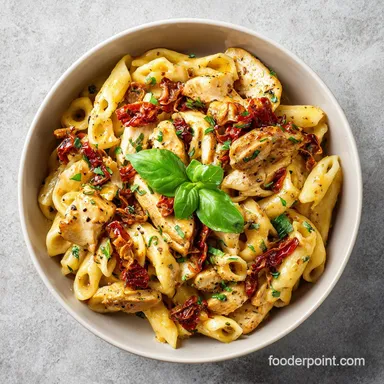
Sun Dried Tomato Chicken Pasta: Creamy and Savory
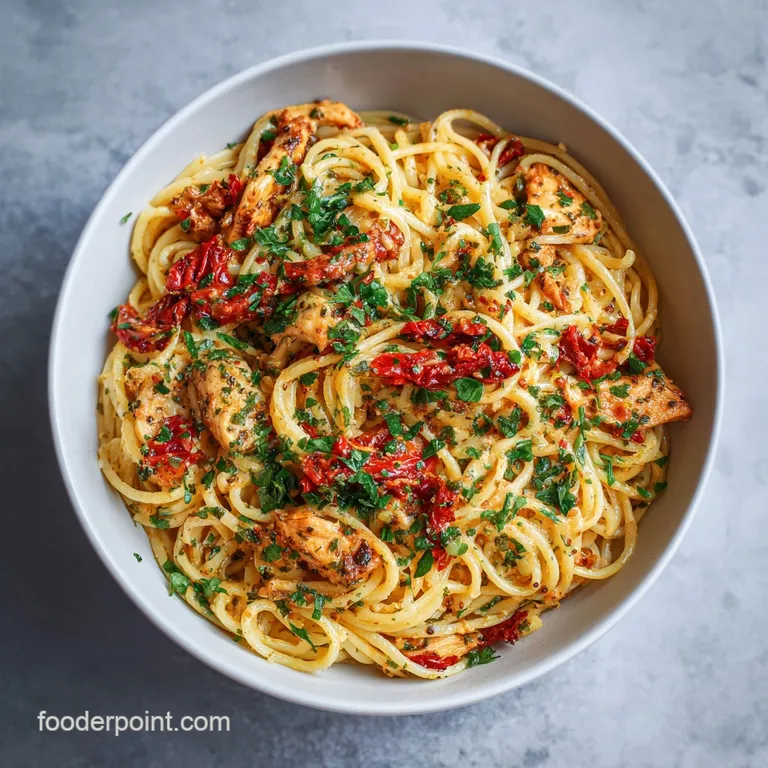
- Time: Active 10 minutes, Passive 20 minutes, Total 30 minutes
- Flavor/Texture Hook: Savory, sun concentrated tomato sweetness meets a velvety, garlic infused cream sauce.
- Perfect for: A weeknight "win" when you want something hearty that feels far more special than basic buttered noodles.
- Mastering the Savory Sun Dried Tomato Chicken Pasta Experience
- Precision Benchmarks for the Heartiest Pasta Result
- Selecting Hearty Elements for This Tomato Chicken Pasta
- Essential Kitchen Tools for Searing and Simmering
- Crafting the Perfect Basil Chicken Pasta with Garlic
- Correcting Common Textural Issues for Smoother Sauces
- Adapting the Dried Tomato Basil Chicken Pasta with Garlic
- Managing Batch Cooking and Maintaining Fresh Flavor
- Complementing the Richness of This Hearty Meal
- Recipe FAQs
- 📝 Recipe Card
Mastering the Savory Sun Dried Tomato Chicken Pasta Experience
The moment that 1 tablespoon of reserved sun dried tomato oil hits the hot skillet, your kitchen transforms. There’s this specific, concentrated aroma sweet, slightly metallic, and deeply savory that rises up the second the oil begins to shimmer.
Discover the ultimate Creamy Sun Dried Tomato Basil Chicken Pasta with Garlic. It is the kind of smell that brings people wandering into the kitchen asking, "What are we having?" before you’ve even added the first piece of chicken.
When the seasoned chicken strips hit that red tinted oil, they don't just sear; they take on a gorgeous amber hue from the tomato essence. I remember the first time I made this, I almost threw away the oil from the jar, thinking it was just "packing liquid." What a mistake that would have been.
That oil is pure gold, packed with the concentrated spirit of the tomatoes. It’s the difference between a pasta that tastes "fine" and a Sun Dried Tomato Chicken Pasta that tastes like you spent the whole afternoon over a hot stove.
We aren't just tossing ingredients into a pan here; we are building layers. We start with the over high heat sear, move into the gentle aromatic sizzle of the garlic, and finish by emulsifying the cream into a glossy coating that clings to every ridge of your rigatoni.
This is hearty, real food that doesn't rely on complex techniques, just smart choices and a little bit of patience while the sauce thickens. It’s become my go to for when the week has been long and we need something comforting but slightly more vibrant than a standard white sauce.
Precision Benchmarks for the Heartiest Pasta Result
Getting the timing right is the secret to ensuring your pasta doesn't end up sitting in a colander getting gummy while you're still waiting for the chicken to finish. We want that pasta to go directly from its boiling water into the simmering sauce. This keeps the starches active and helps everything bind together.
Below are the specific markers you should aim for to ensure the best texture for your Sun Dried Tomato Chicken Pasta.
| Method | Total Time | Signature Texture | Best For |
|---|---|---|---|
| Stovetop Skillet | 30 minutes | Seared chicken edges with a silky, tight sauce | Quick weeknight dinners |
| One Pot Method | 35 minutes | Starchy, thick sauce; softer pasta texture | Minimal cleanup and easy prep |
| Slow Cooker | 4 hours | Shredded, tender chicken; very mild garlic flavor | Set and forget weekend lunches |
We generally stick to the stovetop skillet method because that sear on the chicken is irreplaceable. When you cook the meat quickly over medium high heat, you create a "fond" those little brown bits stuck to the bottom of the pan. Those bits are packed with flavor.
If you go the slow cooker route, you lose that caramelized depth, though the chicken does become incredibly tender. For most families, the 30 minutes version is the sweet spot between effort and a high end result.
But what about the pasta choice? I personally love using 12 oz penne or rigatoni. The hollow centers act like little straws for the cream sauce, ensuring you get a burst of flavor in every single bite.
If you use a flat pasta like linguine, the sauce tends to slide off, which is why we recommend these tubular shapes for this specific recipe.
Selecting Hearty Elements for This Tomato Chicken Pasta
When you're working with a short list of ingredients, the quality of those elements starts to matter a lot. We aren't looking for gourmet labels here, just the right types of "real food" components. For instance, the sun dried tomatoes themselves need to be the oil packed variety.
The dry ones in the little bags are often too chewy and lack the oil we need to sear the chicken. The oil packed ones are supple and bring that necessary fat to the base of our sauce.
Concentrating the Umami: Sun dried tomatoes are essentially flavor bombs. Because the water has been removed, the natural glutamates the stuff that makes things taste "savory" are concentrated. This provides a deep, "meaty" backbone to the sauce without needing much else.
The Starch Secret: That 1/2 cup of starchy pasta water you reserve is more important than it looks. It contains the starch washed off the pasta during the boil. When you add it back into the heavy cream and Parmesan, it acts as a bridge, helping the fats in the cheese and cream bind to the noodles.
Fresh vs. Dried Herbs: We use dried oregano for the chicken seasoning because it stands up well to the high heat of the sear. However, for the basil, we only use fresh. If you use dried basil at the end, it tastes like dust. Fresh basil provides a peppery, floral finish that cuts right through the richness of the heavy cream. Developing a velvety sauce is the hallmark of a classic Tuscan chicken recipe.
| Ingredient | Science Role | Pro Secret |
|---|---|---|
| Heavy Cream | Provides the fat base for the emulsion. | Room temp cream prevents the sauce from breaking. |
| Parmesan Cheese | Acts as a thickening agent and salt source. | Grate it yourself from a block for a smoother melt. |
| Pasta Water | Contains starch that binds the sauce to the pasta. | Always pull it out 1 minute before the pasta is done. |
Essential Kitchen Tools for Searing and Simmering
You don't need a kitchen full of gadgets, but a deep 12 inch skillet is your best friend here. You need enough surface area to sear the 1 lb of chicken breast without overcrowding the pan.
If the pieces are too close together, they’ll steam instead of sear, and you’ll lose that golden brown crust we’re after. A cast iron or heavy stainless steel pan is great because they hold heat really well, which helps when you add the cold cream later.
You will also need a large pot for the 12 oz of pasta. Make sure it's big enough that the pasta has room to dance around; if the pot is too small, the water becomes too starchy too fast, and your pasta might stick. A simple set of tongs is also better than a spoon for tossing everything at the end.
Tongs allow you to lift and turn the pasta, ensuring the spinach gets distributed evenly and every nook of the rigatoni is coated in that gorgeous sauce.
Finally,, have a small heat proof measuring cup sitting right next to your stove before you drain the pasta. I can’t tell you how many times I’ve accidentally dumped all that liquid gold down the drain because I wasn't paying attention.
Setting the cup out is a visual reminder to snag that 1/2 cup of water before the pasta hits the colander.
Crafting the Perfect Basil Chicken Pasta with Garlic
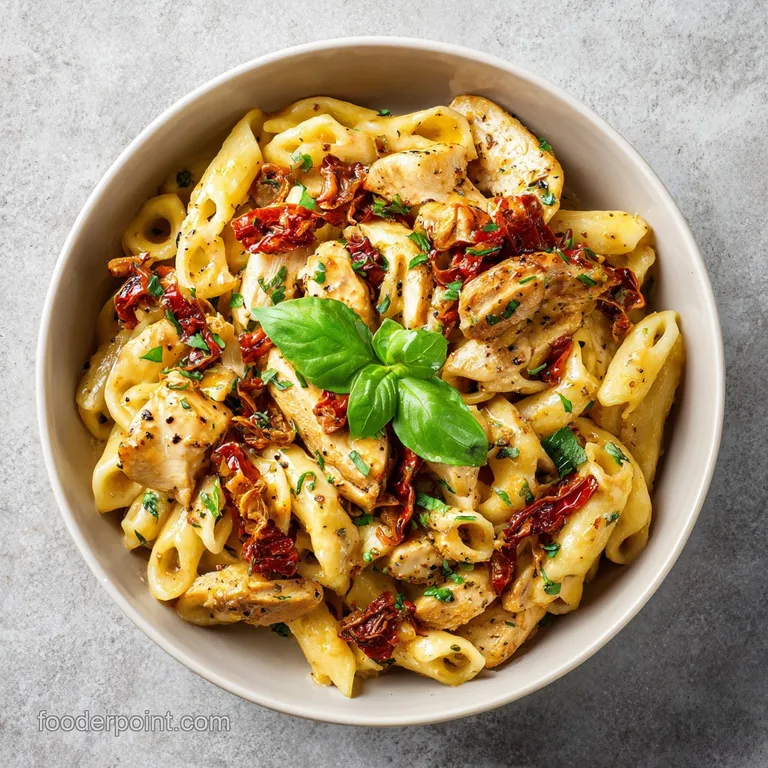
This process moves fast once the chicken is out of the pan, so have your 4 cloves of minced garlic and chopped tomatoes ready to go. The goal is to keep the pan hot but not so hot that the garlic scorches. Scorched garlic is bitter, and it can ruin the delicate sweetness of the sun dried tomatoes.
1. Searing the Protein
Start by seasoning your chicken strips with the 0.5 tsp salt, 0.25 tsp black pepper, 1 tsp dried oregano, and 0.5 tsp paprika. Heat the 1 tbsp of reserved tomato oil over medium high heat. Once the oil is shimmering, add the chicken. Cook for 5-6 minutes until golden and cooked through.
The paprika helps with the color, giving it a beautiful reddish brown hue. Remove the chicken and set it aside on a plate; don't worry about the bits left in the pan that’s the flavor base for our sauce.
2. Building the Aromatic Base
Turn the heat down to medium. You don’t want the pan screaming hot when the garlic goes in. Toss in the 0.5 cup of chopped sun dried tomatoes, the 4 cloves of minced garlic, and the 0.5 tsp of red pepper flakes. Sauté this for exactly 60 seconds.
You’ll know it’s ready when the garlic smell hits you and the tomatoes start to soften slightly. If you see the garlic turning dark brown, move immediately to the next step to stop the cooking.
3. Simmering the Velvet Sauce
Pour in the 1 cup of heavy cream. Use a wooden spoon to scrape up all those browned bits from the chicken sear. This process, called deglazing, incorporates all that concentrated flavor back into the liquid. Bring the cream to a gentle simmer not a rolling boil.
Once it's bubbling softly, stir in the 0.5 cup of Parmesan cheese. Keep stirring until the cheese is fully melted and the sauce looks thick and glossy.
4. Integrating the Greens and Pasta
Add the 2 cups of fresh baby spinach to the skillet. It will look like a lot, but it wilts down to almost nothing in about 30 seconds. Once the spinach is soft, return the cooked chicken and the boiled pasta to the pan. This is where the magic happens.
The pasta is still hot, and its pores are open, ready to soak up that cream.
5. Finishing the Masterpiece
Toss everything together. If the sauce looks too thick or "tight," add a splash of that reserved pasta water. You’re looking for a "shatter proof" emulsion a sauce that is glossy and clings to the pasta without being oily. Finally, turn off the heat and throw in the 0.5 cup of fresh torn basil.
The residual heat is enough to wake up the basil's oils without turning the leaves black.
Correcting Common Textural Issues for Smoother Sauces
Even with the best intentions, sometimes things go sideways in the kitchen. The most common issue with a Creamy Sun Dried Tomato Chicken Pasta is a "broken" sauce, where the oil separates from the cream. This usually happens if the heat is too high or if you use pre shredded cheese from a bag.
Those bags of cheese are coated in potato starch to prevent clumping, but that starch can make your sauce grainy rather than silky.
Why Your Sauce Broke
If you see little pools of yellow oil on top of your pasta, your sauce has broken. This usually happens when the fat in the cream and cheese separates from the liquid. It can be caused by boiling the cream too vigorously or adding the cheese while the pan is over high heat.
To fix this, remove the pan from the heat and add a tablespoon of very hot pasta water, then whisk or toss vigorously. The starch in the water helps pull the emulsion back together.
| Problem | Root Cause | Solution |
|---|---|---|
| Grainy Sauce | Using pre shredded cheese with anti caking agents. | Use a block of Parmesan and grate it fresh. |
| Dry Chicken | Overcooking the strips during the initial sear. | Pull chicken as soon as it hits 165°F (74°C). |
| Bland Flavor | Not enough salt in the pasta water. | Use 1 tbsp salt per 4 quarts of water. |
Common Mistakes Checklist
- ✓ Don't rinse your pasta. You need that surface starch to help the sauce stick.
- ✓ Avoid "low-fat" or "half and half" if you want a truly velvety result; they break much easier than heavy cream.
- ✓ Ensure the garlic is minced finely so it melts into the sauce rather than leaving crunchy bits.
- ✓ Wait until the very last second to add the fresh basil to preserve its bright, peppery flavor.
- ✓ Pat the chicken dry with paper towels before seasoning; moisture on the surface prevents a good sear.
Adapting the Dried Tomato Basil Chicken Pasta with Garlic
While the classic recipe is a winner, sometimes you have to work with what you've got in the pantry. This recipe is surprisingly flexible. If you are a fan of seafood instead of poultry, this shrimp pasta variation uses a very similar flavor profile and cooks even faster than the chicken version.
Swapping for Dietary Needs
If you're trying to keep things a bit lighter, you can swap the heavy cream for full fat coconut milk. Just be aware that it will add a slight tropical note, which actually pairs beautifully with the sun dried tomatoes. For a gluten-free version, use your favorite chickpea or brown rice pasta.
Just be extra careful with the pasta water, as gluten-free pasta water can be a bit more viscous and might require more frequent stirring to avoid clumping.
| Original Ingredient | Substitute | Why It Works |
|---|---|---|
| Heavy Cream (1 cup) | Full fat Coconut Milk (1 cup) | High fat content maintains creaminess. Note: Adds a subtle nutty flavor. |
| Chicken Breast (1 lb) | Sliced Portobello Mushrooms | Provides a similar meaty texture and earthy flavor. |
| Parmesan (0.5 cup) | Pecorino Romano | Similar salty profile but with a sharper, tangier punch. |
Creating a One Pot Tomato Chicken Pasta
If you really want to save on dishes, you can cook the pasta directly in the sauce. You'll need to add about 2 cups of chicken broth along with the cream and simmer the dry pasta in the liquid. This results in an incredibly thick, starchy sauce because none of the starch is drained away.
You'll need to stir it constantly to prevent the bottom from sticking, but it's a great option for a "lazy" Sunday night when the thought of washing two pots is just too much.
Managing Batch Cooking and Maintaining Fresh Flavor
This recipe makes 4 servings, which is perfect for a family dinner, but it also stores surprisingly well if you follow a few tricks. Cream based sauces are notorious for thickening up in the fridge and becoming "dry" when you reheat them.
This is because the pasta continues to absorb the moisture from the sauce even after it's cold.
Storage Guidelines
Store any leftovers in an airtight container in the fridge for up to 3 days. I don't recommend freezing this dish. Cream sauces tend to separate and become "mealy" when frozen and thawed. The texture of the pasta also degrades significantly in the freezer.
It’s best enjoyed fresh or within those few days in the refrigerator.
Zero Waste Tips
Don't throw away that sun dried tomato oil! If you have some left in the jar after making this Chicken Pasta, use it to make a vinaigrette for a side salad or use it to sauté eggs the next morning.
If you have extra fresh spinach that’s starting to look a little sad, you can blend it with a little olive oil and freeze it in ice cube trays to drop into soups or future pasta sauces.
Reheating the Right Way
When you’re ready to eat your leftovers, don't just shove the bowl in the microwave. The high, uneven heat will make the oil separate. Instead, place the pasta in a small skillet over low heat. Add a splash of milk or even a teaspoon of water.
Cover it with a lid for 2 minutes to let the steam loosen the sauce, then stir gently until it’s creamy again. It takes an extra 5 minutes, but the texture will be almost identical to the day you made it.
Complementing the Richness of This Hearty Meal
Since this Sun Dried Tomato Chicken Pasta is quite rich and savory, you want side dishes that offer some acidity or crunch to balance things out. A simple arugula salad with a lemon tasting vinaigrette is my favorite pairing.
The bitterness of the arugula and the sharp citrus of the lemon cut through the heavy cream and Parmesan perfectly.
Another great option is roasted broccoli or asparagus. I usually just toss them with a little olive oil and salt and roast them at 400°F (200°C) for about 15 minutes while the pasta water is boiling.
The charred, crispy edges of the vegetables add a nice textural contrast to the soft pasta and tender chicken.
Three Myths About Creamy Pasta
- Adding oil to pasta water prevents sticking. This is a myth. All it does is make the pasta greasy, which prevents the sauce from sticking to it. Just use plenty of water and salt, and give it a stir in the first 2 minutes.
- You must use white wine to deglaze. While wine adds great flavor, it’s not strictly necessary for a good sauce. The heavy cream and the moisture from the garlic/tomatoes are enough to lift the fond from the pan.
- Heavy cream curdles if boiled. This actually isn't true for heavy cream because of its high fat content. It's lower fat options like milk or half and half that curdle. Heavy cream is very stable, though we still suggest a simmer to prevent the sauce from reducing too quickly.
This dish is a testament to how "real food" and budget smart choices can lead to a meal that feels like a luxury. It’s about being smart with your ingredients like using that tomato oil and respecting the process of building flavor in layers.
Whether you're feeding a hungry family or just looking for a comforting meal for two, this Basil Chicken Pasta with Garlic is a recipe you'll find yourself coming back to whenever you need a reliable, hearty win in the kitchen. Enjoy the process, smell those tomatoes, and don't forget to save that pasta water!
Recipe FAQs
How to get the perfect golden crust on the chicken?
Pat the chicken strips completely dry with paper towels before seasoning. Excess moisture creates steam, which prevents a proper sear, so keeping the surface dry ensures the chicken browns effectively in the skillet.
Is it necessary to use heavy cream for the sauce?
Yes, heavy cream is essential for a velvety result. Using low-fat alternatives or half and-half will cause the sauce to break or curdle easily. If you enjoyed the Chicken for 4 Servings recipe here, you will find it equally effective for achieving consistency in other rich pan-sauce dishes.
Can I freeze the leftovers for later?
No, freezing is not recommended. Cream based sauces tend to separate and become mealy upon thawing, and the pasta texture will degrade significantly. It is best to consume leftovers within 3 days by keeping them in an airtight container in the refrigerator.
Should I rinse the pasta after boiling?
No, never rinse the pasta. You need the surface starch on the cooked noodles to help the cream sauce cling to them rather than sliding off. Simply drain the pasta and add it directly to your skillet.
How to ensure the sauce consistency is glossy and smooth?
Add a splash of the reserved starchy pasta water to the skillet while tossing. This helps emulsify the sauce and keeps it from becoming too thick or pasty as you combine the chicken, spinach, and noodles.
Why is my garlic crunchy in the sauce?
The garlic was likely not minced finely enough before cooking. Ensure you chop the cloves into very small, uniform pieces so they melt into the cream sauce and infuse flavor without leaving noticeable, crunchy textures behind.
When is the best time to add the fresh basil?
Stir the basil in at the very last second before serving. This preserves the herb's bright, peppery flavor and vibrant color, which would otherwise fade if exposed to the heat of the sauce for too long.
Sun Dried Tomato Chicken Pasta