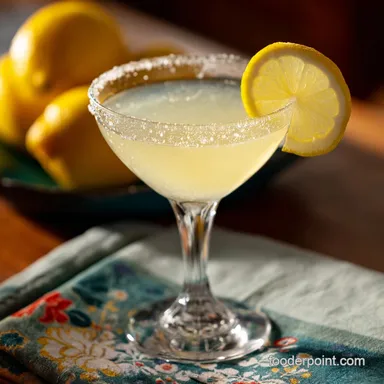
Lemon Drop Martini: Zesty and Smooth
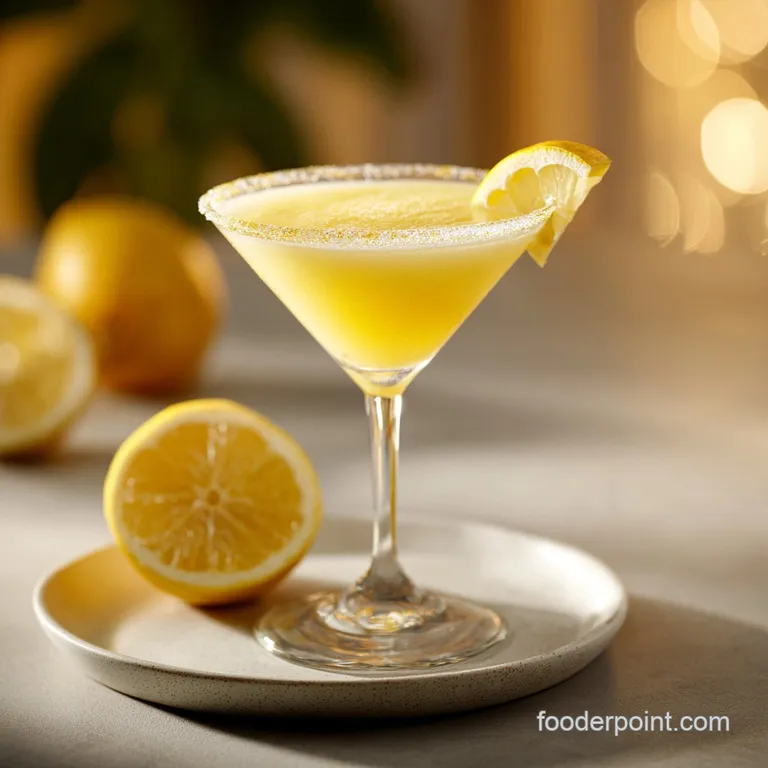
- Time: Active 10 minutes, Passive 0 minutes, Total 10 minutes
- Flavor/Texture Hook: Zesty, zingy, and velvety smooth
- Perfect for: Happy hour, Friday nights, or quick entertaining
- Essential Cold Mixing Logic Explained
- Primary Ingredients and Substitutes
- Necessary Gear for Fast Mixing
- Ten Minute Step by Step
- Quick Fixes for Flavor Problems
- Simple Variations and Crowd Sizes
- Smart Storage and Zero Waste
- Pairing Snacks With Citrus Drinks
- Alcohol Mixing Myths
- Recipe FAQs
- 📝 Recipe Card
Essential Cold Mixing Logic Explained
The secret to a bar quality drink at home isn't fancy bottles; it is understanding how temperature and dilution change the way we taste sugar. When a drink is room temperature, sugar tastes much stronger and can feel heavy.
But when you drop that temperature toward freezing, the sweetness recedes, allowing the bright, floral notes of the lemon to take center stage. This is why we shake with such intensity.
Thermal Mass: Using large, solid ice cubes ensures the drink chills rapidly without melting too much water into the spirits.
Essential Oil Release: Rubbing the lemon zest into the sugar breaks the tiny oil glands, making the aroma 10 times more intense.
Aeration Impact: Shaking introduces tiny air bubbles that give the liquid a velvety mouthfeel instead of a thin, watery one.
Brix Balance: The 1:1 ratio of simple syrup creates enough body to carry the vodka without overwhelming the palate.
| Method | Prep Time | Resulting Texture | Best For |
|---|---|---|---|
| Shaken | 15 seconds | Frothy, aerated, ice cold | The classic experience |
| Stirred | 45 seconds | Clear, silky, less diluted | Those who want it strong |
| Blended | 2 minutes | Slushy, thick, very cold | Hot summer afternoons |
Mixing a drink is as much about the physical movement as the ingredients. When you shake that tin, you aren't just mixing; you are bruising the ice to create those tiny "ice shards" that float on top, providing a tiny crunch with the first sip.
Oils and Flavor Extraction
By massaging the zest into the granulated sugar, you are performing a quick version of an oleo saccharum. The sugar is abrasive, so it tears into the lemon skin and pulls out the limonene. This creates a rim that doesn't just look pretty but actually perfumes every single sip you take.
The Ice Dilution Factor
Ice is an ingredient, not just a cooling agent. About 20% of your finished cocktail is actually melted ice. This is necessary to "open up" the vodka and the citrus. Without that bit of water, the alcohol burn would hide the delicate lemon notes.
| Component | Science Role | Pro Secret |
|---|---|---|
| Fresh Lemon Juice | Provides acidity | Use room temp lemons for more juice |
| Quality Vodka | Solvent for flavors | Keep the bottle in the freezer |
| Simple Syrup | Adds viscosity | Make it with hot water, don't boil |
| Triple Sec | Adds orange depth | Cointreau offers a cleaner finish |
Primary Ingredients and Substitutes
You only need a few things to make this happen, but they have to be the right things. Using bottled lemon juice is the fastest way to ruin this martini. It has a metallic, preserved aftertaste that no amount of sugar can hide. Stick to the fresh stuff, and you will see why it matters.
- 2 tbsp (25g) granulated white sugar: Provides the base for the rim. Why this? Fine grains stick better than coarse crystals.
- 1 tsp fresh lemon zest: The source of the intense citrus aroma. Why this? Contains the oils that juice lacks.
- 2 oz (60ml) quality vodka: The clean, neutral base of the drink. Why this? Disappears to let the lemon shine.
- 0.75 oz (22ml) freshly squeezed lemon juice: The acidic heart of the cocktail. Why this? Bottled juice is too dull.
- 0.75 oz (22ml) simple syrup (1:1 ratio): Balances the tartness. Why this? Liquid sugar mixes instantly unlike granules.
- 0.5 oz (15ml) triple sec or Cointreau: Adds a layer of orange complexity. Why this? Rounds out the sharp lemon edges.
- 1 thin lemon wheel: For the final visual touch.
| Original Ingredient | Substitute | Why It Works |
|---|---|---|
| Granulated Sugar | Agave Nectar (on rim) | Sticky and sweet. Note: Will not give that "shatter" crunch. |
| Vodka | London Dry Gin | Adds botanical/juniper notes. Creates a more complex, herbal drink. |
| Triple Sec | Orange Curacao | Deeper, brandy based orange flavor. Note: Makes the drink slightly darker. |
| Simple Syrup | Honey Syrup (1:1) | Richer, floral sweetness. Note: Changes the classic clear color. |
If you are looking for a meal to follow this up, the bright acidity of this martini pairs exceptionally well with my Lemon Chicken Gnocchi recipe, which mirrors the citrus notes in a savory way.
Necessary Gear for Fast Mixing
You don't need a full professional bar setup to get this out the door in 10 minutes, but a few specific tools make the process much smoother. If you don't have a shaker, a Mason jar works in a pinch, though it won't get quite as cold as a metal tin.
- Cocktail Shaker: A Boston shaker (two tins) is faster to clean than a Cobbler shaker (with the built in strainer).
- Jigger: Accuracy is everything. Being off by even 0.25 oz will make the drink too sour or too sweet.
- Microplane: Perfect for getting that fine zest without hitting the bitter white pith.
- Fine mesh Sieve: This is the secret to a "silky" finish. It catches the tiny bits of pulp and broken ice.
- Chilled Martini Glass: Store your glassware in the freezer for at least 15 minutes before serving.
While we are talking about quick prep, if you are making the simple syrup from scratch, you might wonder about the best method. Most people use the stovetop, but you can actually use the residual heat of a recently used oven or a quick microwave burst to dissolve the sugar if the stove is busy with dinner.
| Feature | Stovetop Syrup | Oven/Microwave Syrup |
|---|---|---|
| Speed | 5-7 minutes | 2-3 minutes |
| Consistency | Perfectly clear | Can be slightly cloudy |
| Infusion | Best for herbs | Better for plain sugar |
Ten Minute step by step
This workflow is all about the "prep flow." We start with the glass so it can stay cold, then move to the liquid. If you do it in this order, you will have a frosty drink in your hand exactly 10 minutes from now.
- Prepare the sugar. On a small plate, combine the granulated sugar and fresh lemon zest. Use your fingertips to rub the zest into the sugar until fragrant. Note: This releases the oils into the sugar crystals.
- Rim the glass. Run a lemon wedge around the rim of a chilled martini glass and dip the rim into the citrus sugar to coat evenly.
- Juice the fruit. Extract fresh lemon juice using a citrus press and measure exactly 0.75 oz using a jigger.
- Fill the shaker. Fill a cocktail shaker with large, solid ice cubes until nearly full to ensure maximum coldness.
- Measure the spirits. Add the vodka, fresh lemon juice, simple syrup, and triple sec to the shaker.
- Shake it hard. Shake vigorously for 15 seconds until the shaker is frosted and the liquid is aerated.
- Double strain. Double strain the cocktail through a Hawthorne strainer and a fine mesh sieve into the prepared glass until the liquid is crystal clear and smooth.
- Add the garnish. Garnish with a thin lemon wheel or a long lemon twist to finish the presentation.
Chef's Tip: When shaking, don't just "wiggle" the tin. Imagine you are trying to break the ice inside. That aggressive movement is what creates the tiny ice shards that make the first sip so zingy.
Quick Fixes for Flavor Problems
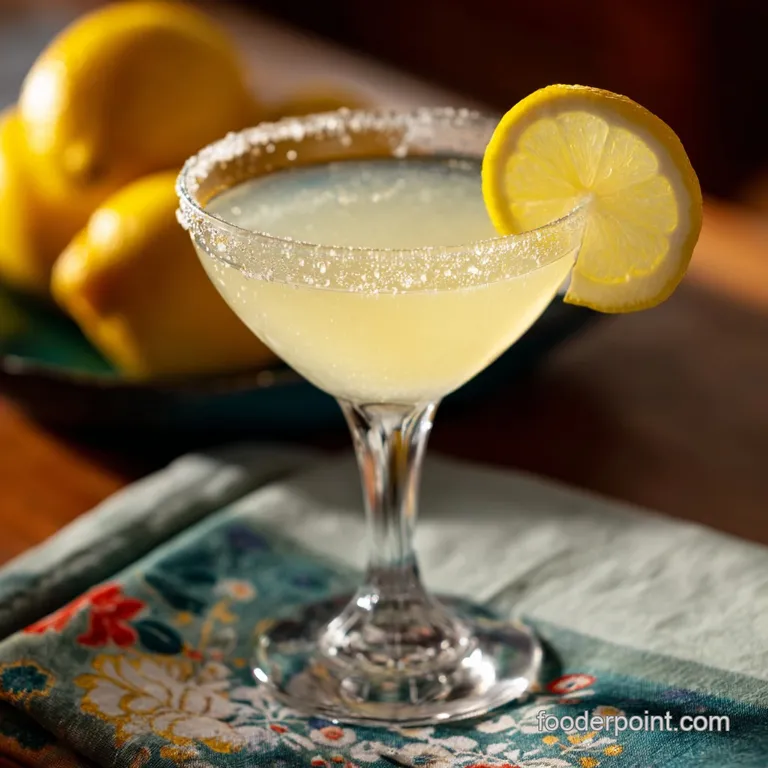
Sometimes things go sideways. Maybe your lemons were unusually large and sour, or maybe your simple syrup was a bit too thick. Don't dump it out! Most cocktail mistakes are easily corrected with a tiny adjustment of the "big three": acid, sugar, or dilution.
Correcting the Balance
If the drink tastes "sharp" or makes you wince, you need more sugar. Add simple syrup in 0.25 oz increments. If it feels heavy or "syrupy," you need more acid. A squeeze of fresh lemon (about a teaspoon) can usually cut right through that weight.
Preventing a Soggy Sugar Rim
If your sugar is falling off or looking wet, you probably used too much lemon juice on the rim. You just need a microscopic film of moisture to act as glue. Also, make sure you are dipping the glass into the sugar before you pour the drink.
If you try to rim a full glass, you will almost certainly get sugar in the drink, which ruins the balance.
| Problem | Root Cause | Solution |
|---|---|---|
| Drink is watery | Shook for too long | Limit shake to 15 seconds with large ice |
| Rim is clumpy | Zest was too wet | Pat zest dry with paper towel before mixing |
| No "frosty" head | Didn't shake hard enough | Use a "snap" motion at the end of each shake |
Common Mistakes Checklist
- ✓ Using "cold" water instead of ice (always use solid ice cubes).
- ✓ Not chilling the glass (a warm glass kills the zing immediately).
- ✓ Skipping the fine mesh strainer (pulp ruins the silky mouthfeel).
- ✓ Using old lemon juice (anything older than 4 hours starts to taste "off").
- ✓ Overfilling the glass (leave a quarter inch of space to prevent spills).
Simple Variations and Crowd Sizes
If you are hosting a bunch of people and don't want to spend the whole night shaking tins, you can scale this up easily. This is a high energy drink that works great for groups, but you have to be careful with the dilution when you aren't shaking individual servings.
Scaling for a Party
To make a large batch lemon drop martini, multiply the ingredients by the number of guests. For 8 people, you would use 16 oz of vodka, 6 oz of lemon juice, 6 oz of simple syrup, and 4 oz of triple sec. Mix these in a large pitcher without ice and keep it in the fridge.
When someone wants a drink, pour 4 oz of the mix into a shaker with ice, give it a 10 second blast, and serve.
- For 4 people: Use 8 oz vodka, 3 oz juice, 3 oz syrup, 2 oz triple sec.
- For 10 people: Use 20 oz vodka, 7.5 oz juice, 7.5 oz syrup, 5 oz triple sec.
| Servings | Vodka Amount | Lemon Juice | Simple Syrup | Triple Sec |
|---|---|---|---|---|
| 1 Person | 2 oz | 0.75 oz | 0.75 oz | 0.5 oz |
| 4 People | 8 oz | 3 oz | 3 oz | 2 oz |
| 12 People | 24 oz | 9 oz | 9 oz | 6 oz |
If you want something even more tropical for a group, you could look into my Classic Pina Colada, which uses similar batching logic but with a completely different flavor profile.
Infusing with Fresh Herbs
If the classic is too simple for you, try adding a "green" note. Before shaking, toss 3-4 fresh basil leaves or a sprig of thyme into the shaker. The act of shaking will "muddle" the herbs, releasing their oils without making the drink taste like a salad. A Rosemary Lemon Drop is particularly good in the winter months.
Smart Storage and Zero Waste
Cocktails are best fresh, but you can certainly prep parts of this ahead of time to save precious minutes when you're busy. The goal is to keep the "zing" alive while making the process as quick as possible.
- Simple Syrup
- This will stay fresh in a sealed jar in the fridge for up to 4 weeks. If it starts to look cloudy, toss it.
- Fresh Lemon Juice
- Best used within 4 hours. After that, the enzymes start to break down and it loses its bright "pop."
- Zested Sugar
- You can make the lemon sugar up to 2 days in advance. Store it in an airtight container so the moisture from the zest doesn't turn it into a rock.
Zero Waste Tips Don't throw away those "spent" lemon halves after juicing! You can toss them into a pot of water with a cinnamon stick to make a quick stovetop potpourri that makes your kitchen smell incredible.
Alternatively, use the lemon skins to clean your wooden cutting boards; the acid and leftover oils act as a natural disinfectant and deodorizer. If you have extra simple syrup, it’s a great addition to your morning iced coffee or for glazing a fruit tart.
Pairing Snacks With Citrus Drinks
Since this martini is quite sharp and acidic, you want food that can stand up to that brightness. Think salty, fatty, or crunchy. You don't want anything too sweet, or it will make the drink taste sour by comparison.
Savory Salty Bites
High-quality potato chips are actually a legendary pairing for vodka based drinks. The salt and fat provide a perfect contrast to the zingy lemon. If you want something a bit more refined, try some Marcona almonds toasted with rosemary. The herbal notes in the nuts will pull out the floral side of the lemon zest.
Seafood Starters
Nothing beats a cold martini with fresh seafood. A few oysters on the half shell or a quick shrimp cocktail are the ultimate high energy appetizers. The acidity of the drink acts like a squeeze of lemon over the fish, cleaning your palate after every bite. If you're doing a full dinner, consider serving this alongside a light poultry dish like my Lemon Herb Pot Roast Chicken, which keeps the citrus theme going without being redundant.
Alcohol Mixing Myths
Myth: You should "bruise" the vodka by shaking it too hard. Truth: You cannot "bruise" a spirit. Shaking is about temperature and aeration. Some people prefer stirring because it results in a clearer drink, but for a Lemon Drop, that "frothy" aeration from a hard shake is exactly what gives it that silky, velvety mouthfeel we want.
Myth: Premium vodka doesn't matter in a flavored drink. Truth: While you don't need a $100 bottle, using the bottom shelf stuff will give you a "medicinal" aftertaste that even fresh lemon can't hide. Use a solid, mid range vodka that you would be happy to sip on its own.
Myth: Real martinis only contain gin and vermouth. Truth: Language evolves! While a "traditionalist" might grumble, the "Martini" family has expanded to include many drinks served in that iconic V shaped glass.
The Lemon Drop is a modern classic that deserves its place on the menu because of its precise balance of sweet and sour.
Right then, let's crack on. You've got the tips, you've got the science, and you know exactly why that sugar needs to be rubbed with zest. Go grab your shaker and get that ice rattling you're only 10 minutes away from the best drink of your week.
Trust me on this, once you taste the difference that fresh juice and citrus infused sugar make, you'll never go back to those sticky bar versions again. Enjoy the zing!
Recipe FAQs
What is the difference between a lemon drop and a lemon drop martini?
They are the same drink. The term "martini" is often appended to the classic lemon drop cocktail due to its serving style in a V-shaped glass, though it does not contain gin or vermouth.
What's the secret to a perfect lemon drop?
Use fresh juice and a chilled glass. Using juice older than four hours ruins the brightness, and a warm glass kills the drink's zing; if you enjoyed perfecting this temperature balance, you can apply similar sensory cues to our Easy Beef Stroganoff recipe for consistent results.
Is it true I can use bottled lemon juice for convenience?
No, this is a common misconception. Bottled juice contains preservatives that create an artificial, metallic aftertaste that completely masks the clean profile of the vodka.
What are the ingredients in old fashioned lemon drops?
The recipe relies on five core components. You need quality vodka, freshly squeezed lemon juice, simple syrup, triple sec, and a citrus zest sugar rim.
What are the three ingredients in a lemon drop drink?
That is a simplification of the balanced classic. While simple versions might lean on just vodka, lemon juice, and syrup, the professional recipe requires triple sec to provide the necessary citrus depth and complexity.
How to ensure a silky, pulp free texture?
Double strain the cocktail using a Hawthorne strainer and a fine mesh sieve. This essential step removes the ice shards and fruit pulp that disrupt the desired elegant mouthfeel.
How to properly incorporate the lemon zest into the rim sugar?
Rub the zest directly into the sugar with your fingertips. This mechanical friction releases the essential oils from the peel, ensuring every crystal of sugar is infused with intense aromatics before you coat the glass rim.
Lemon Drop Martini