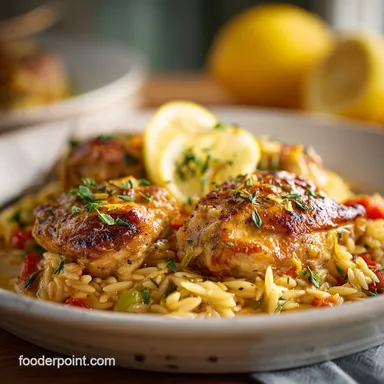
Lemon Chicken Orzo: One Pan Wonder
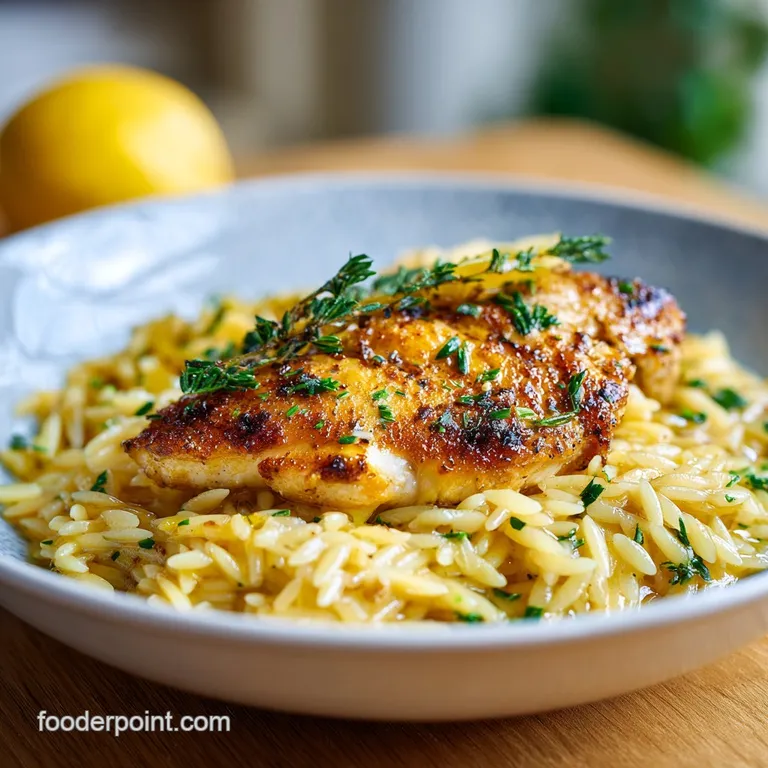
- Time: Active 10 minutes, Passive 20 minutes, Total 30 minutes
- Flavor/Texture Hook: Bright, zesty lemon paired with silky, parmesan coated pasta
- Perfect for: Busy weeknights, budget conscious families, and beginner cooks
- Master the Hearty Lemon Chicken Orzo
- Critical Metrics for Kitchen Success
- The Science of Bold Flavor
- Tools for Effortless One Pot Meals
- Mastering the Perfect Searing Technique
- Resolving Common Texture and Flavor Issues
- Smart Swaps for Budget Savings
- Adjusting Portions for Family Meals
- Preserving Freshness and Reducing Waste
- Hearty Pairings for Complete Dinners
- Debunking Common Kitchen Myths
- High in Sodium
- Recipe FAQs
- 📝 Recipe Card
Master the Hearty Lemon Chicken Orzo
The kitchen was a total disaster, and I had exactly thirty minutes before the family started circling the stove like hungry sharks. I reached into the fridge and found a single, slightly wrinkled lemon and some chicken breasts.
That night, I discovered that if you toast the pasta directly in the chicken fat before adding liquid, you don't just get dinner, you get a masterpiece. The way the citrus cuts through the salty parmesan is enough to make anyone forget they're eating a budget friendly meal.
We have all been there, staring at a pack of chicken and wondering how to make it taste like something special without spending forty dollars at the grocery store. This recipe is my absolute go to because it feels expensive but uses pantry staples.
You get that satisfying sizzle when the chicken hits the pan, followed by the comforting aroma of garlic and shallots softening in butter. It's a hug in a bowl, honestly.
You're going to love how the orzo acts almost like a shortcut risotto. There is no constant stirring required here, just one pan and a little bit of patience. By the time you stir in the fresh spinach and that final handful of cheese, the sauce has transformed into something incredibly silky.
Let's get into the details so you can get this on your table tonight.
The Science of the Starch Emulsion
The secret to the creamy texture is starch gelatinization. As the orzo simmers, it releases amylopectin into the chicken broth, which, when shaken with butter and parmesan, creates a stable, velvety emulsion without needing heavy cream.
Critical Metrics for Kitchen Success
Cooking is mostly about timing and temperature, especially when you are working with lean proteins like chicken breast. If you overcook it, it turns into cardboard; if you undercook it, well, nobody wants that. I have tracked the numbers so you don't have to guess.
| Method | Time | Texture | Best For |
|---|---|---|---|
| Stovetop | 20 minutes | Creamy and silky | Quick weeknight meals |
| Oven | 30 minutes | Slightly toasted top | Hands off meal prep |
| Slow Cooker | 4 hours (Low) | Very tender chicken | Busy work days |
When you use the stovetop method, you have more control over the liquid evaporation. This is important because orzo can be a bit thirsty. If you notice the pan looking dry before the pasta is tender, just splash in a little more broth. It's much easier to fix a dry pan on the stove than it is in the oven.
The heat management is what separates a gummy mess from a restaurant quality dish. We want the liquid to maintain a gentle bubble, not a violent boil. A violent boil will break the pasta down too fast and make the sauce feel chalky instead of smooth.
Keep it at a steady simmer, and you will be rewarded with the perfect bite every single time.
The Science of Bold Flavor
Understanding why certain ingredients go together helps you become a better cook overall. We aren't just tossing things in a pan; we are building a foundation of flavor that starts with the very first piece of chicken.
| Ingredient | Science Role | Pro Secret |
|---|---|---|
| Chicken Broth | Liquid Base | Use low sodium to control salt |
| Fresh Lemon | Acid Catalyst | Zest before juicing for max oil |
| Parmesan Cheese | Umami Binder | Grate it yourself for better melting |
| Shallots | Aromatic Sweetness | Mince tiny so they melt into sauce |
The shallots are a small but mighty addition. Unlike white onions, shallots have a delicate sweetness that doesn't overpower the lemon. When they hit the hot butter, they release sugars that caramelize quickly, adding a golden depth to the bottom of your pan.
This creates what we call "fond," which is basically concentrated flavor gold.
Using fresh lemon is non negotiable here. The bottled stuff has a metallic aftertaste that will ruin the delicate balance of the orzo. When you zest the lemon, make sure you only get the yellow part. The white pith underneath is bitter and won't do you any favors.
That zest contains essential oils that provide a much deeper citrus punch than the juice alone ever could.
Tools for Effortless One Pot Meals
You don't need a kitchen full of gadgets to make a great Lemon Chicken Orzo. In fact, keeping it simple is usually better. I always reach for my deep 12 inch skillet because it gives the chicken enough room to sear without crowding.
If you crowd the pan, the chicken will steam and turn grey instead of getting that beautiful golden brown crust.
A microplane is also a lifesaver for the lemon and the garlic. It turns the garlic into a paste that distributes evenly throughout the sauce, so you don't end up biting into a huge chunk of raw garlic. For the parmesan, a fine grate is key.
Thick shreds of cheese won't melt as easily and might clump up, which is a total mood killer when you're looking for a velvety finish.
Finally,, a sturdy wooden spoon is your best friend for scraping up the bits of flavor from the bottom of the pan. Those brown bits are where all the magic happens. When you pour in the chicken broth, you'll see them lift off the pan and swirl into the sauce, turning it a rich, golden color.
It's a satisfying process that makes the whole house smell like a professional kitchen.
Mastering the Perfect Searing Technique
Before we start, make sure your chicken is patted dry with paper towels. I learned this the hard way - wet chicken will never, ever brown. It just sits there and gets tough. Once it is dry, season it generously.
The oregano needs a moment in the hot oil to "bloom," which basically means the heat wakes up the dried herbs and makes them taste fresh again.
1. The over High heat Sear
Heat your olive oil over medium high heat until it shimmers. Add the 1.5 lbs of chicken breast pieces in a single layer. Don't touch them for at least 3 minutes. You want to hear that aggressive sizzle.
Once they release easily from the pan and have a golden crust, flip them and cook for another 2 minutes. Remove them to a plate; they don't need to be cooked through yet.
2. Building the Aromatic Base
Lower the heat to medium and add the 2 tbsp of butter. Once it foams, toss in the minced shallot and garlic. Cook for about 1 minute until you can smell them from the other side of the room. Now, add the 1.5 cups of uncooked orzo. Stir it constantly for 2 minutes.
You are looking for the pasta to turn slightly translucent at the edges and smell toasted.
3. The Active Braise
Pour in the 3 cups of chicken broth. Use your spoon to scrape the bottom of the pan. Bring it to a boil, then turn the heat down to a low simmer. Add the chicken back in, along with any juices that collected on the plate. Cover the pan and let it cook for about 10 to 12 minutes.
This is where the magic happens and the pasta absorbs all that savory liquid.
4. The Final Polish
Remove the lid. Most of the liquid should be gone, leaving a thick sauce. Stir in the 2 cups of baby spinach; the residual heat will wilt it in seconds. Add the 1/2 cup of Parmesan cheese, the lemon zest, and the juice. Stir vigorously.
The cheese and lemon will emulsify with the remaining broth to create a velvety coating. Garnish with fresh parsley and serve immediately while it's hot and creamy.
Resolving Common Texture and Flavor Issues
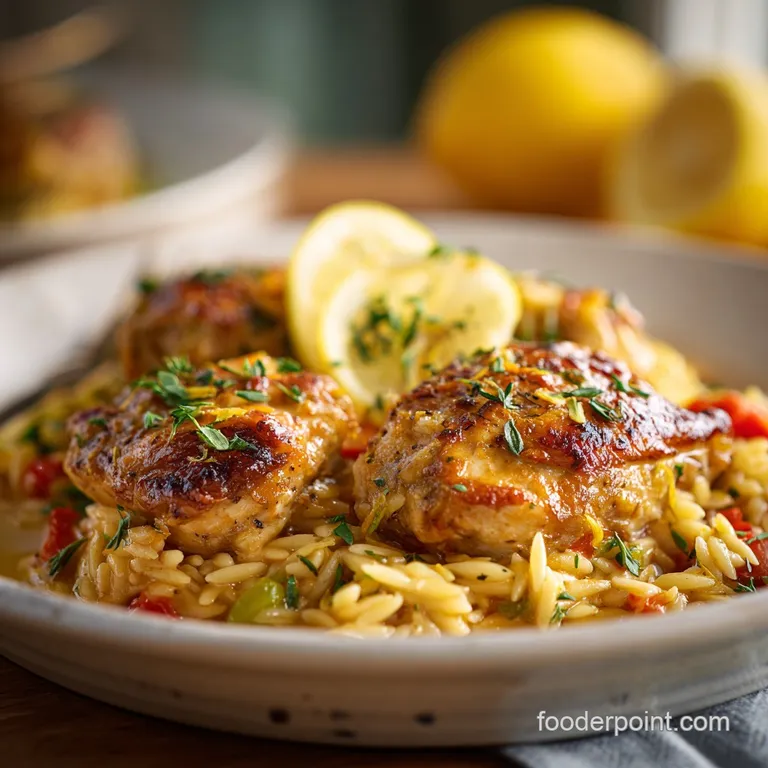
Even the best cooks have days where things don't go according to plan. Maybe the phone rang, or the heat was a bit too high. Most issues with this dish are easily fixed if you know what to look for. If your orzo feels crunchy but the pan is dry, you simply need more hydration.
Orzo is like a sponge; it will keep taking liquid until it reaches its limit.
Why Your Orzo is Gummy
This usually happens if you didn't toast the pasta first or if you used too much liquid. Toasting creates a protective barrier of fat around each grain, which helps it keep its shape. If it's already gummy, there isn't a perfect fix, but adding a little extra parmesan can help bind the sauce and improve the mouthfeel.
| Problem | Root Cause | Solution |
|---|---|---|
| Tough Chicken | Overcooked during the sear | Sear briefly; finish cooking in broth |
| Bland Sauce | Not enough salt or acid | Add a pinch of salt and extra lemon |
| Thin Sauce | Too much broth left | Simmer uncovered for 2-3 mins |
Always taste your sauce before serving. Sometimes a "bland" dish just needs a tiny bit more salt to wake up the lemon. If you're looking for more inspiration for quick pasta meals, you might also enjoy my Italian Sausage Orzo recipe which uses a similar one pan technique but with a spicier kick.
Common Mistakes Checklist:
- ✓ Always pat the chicken dry before it hits the pan to ensure a proper sear.
- ✓ Don't skip toasting the orzo; it's the difference between a mushy mess and a distinct bite.
- ✓ Use low sodium broth so you can control the final saltiness of the dish yourself.
- ✓ Add the spinach at the very end so it stays bright green and doesn't turn into slime.
- ✓ Use fresh lemon juice, as the bottled variety is far too acidic and lacks depth.
Smart Swaps for Budget Savings
I am all about making recipes work for what you have in the pantry. You don't always need the exact ingredients to get a great result. If you find chicken thighs on sale, use them! They are actually more forgiving than breasts because they have more fat, which keeps them juicy even if you simmer them a little too long.
| Original Ingredient | Substitute | Why It Works |
|---|---|---|
| Shallot | Red Onion | Similar sharp sweet profile but slightly stronger |
| Parmesan | Pecorino Romano | Saltier and funkier. Note: Reduce added salt |
| Baby Spinach | Kale | Holds up better for meal prep. Note: Needs longer cook |
| Chicken Breast | Chicken Thighs | More flavor and harder to overcook |
If you are looking for a different texture entirely, you could try using gnocchi instead of orzo. My Lemon Chicken Gnocchi recipe is a fantastic alternative that feels a bit more indulgent while keeping that same citrusy profile we love.
For a Healthy Lemon Chicken Orzo
To make this a bit lighter, you can swap the butter for an extra tablespoon of olive oil. You lose a bit of that creamy mouthfeel, but the flavor remains excellent. You can also double the amount of spinach or add finely chopped zucchini during the simmering stage to bulk up the fiber without adding many calories.
Adjusting Portions for Family Meals
Scaling this recipe is fairly straightforward since it's a one pot meal. If you are cooking for two, simply halve everything and use a smaller 8 inch or 10 inch skillet. Keep an eye on the liquid, as smaller pans sometimes allow for faster evaporation. You might need to add a splash of water halfway through.
For a larger crowd, you can double the recipe. However, I recommend searing the chicken in two batches. If you put 3 lbs of chicken in one pan, the temperature will drop too much, and the meat will release its juices and boil instead of searing.
When doubling the liquid, reduce the total broth by about 10% (use 5.5 cups instead of 6) to ensure the sauce doesn't end up too runny.
If you're baking a large batch for a potluck, sear the chicken and aromatics on the stove, then move everything to a large casserole dish. Add the broth and orzo, cover tightly with foil, and bake at 375°F (190°C) for about 25 to 30 minutes.
This ensures even cooking for a bigger volume without needing a giant skillet.
Preserving Freshness and Reducing Waste
Leftover orzo is actually quite good, but it does change texture. As it sits in the fridge, the pasta will continue to soak up the sauce. When you go to reheat it, it might look like a solid block. Don't worry!
Just add a tablespoon or two of water or broth before microwaving or heating on the stove to loosen it back up.
- Fridge: Keep in an airtight container for up to 4 days.
- Freezer: I don't recommend freezing this specific dish. The pasta tends to get very mushy once thawed and reheated.
- Zero Waste Tip: Don't throw away the lemon rinds after juicing! You can toss them into a jar of white vinegar for a week to make a natural, citrus scented kitchen cleaner. Also, if you have parsley stems left over, freeze them in a bag to use for making your own chicken stock later.
Hearty Pairings for Complete Dinners
While this is a complete meal on its own, sometimes you want a little something extra on the side. A crusty loaf of bread is perfect for mopping up any leftover sauce at the bottom of the bowl.
If you want to keep things light, a simple cucumber and tomato salad with a vinaigrette provides a nice crisp contrast to the warm, creamy pasta.
Roasted asparagus or broccoli also pairs beautifully with the lemon notes. You can actually toss them in the oven while the orzo is simmering, and they'll be done at the exact same time.
If you’re feeling extra fancy, a glass of crisp Sauvignon Blanc or a light Pinot Grigio complements the acidity of the lemon and the saltiness of the parmesan perfectly.
Debunking Common Kitchen Myths
One of the biggest myths is that you should rinse your pasta before cooking it. Please, don't do this! Especially not for orzo. Rinsing washes away the very starch we need to create that velvety sauce. We want that starch to stay exactly where it is so it can thicken our broth naturally.
Another common misconception is that searing meat "seals in the juices." Science tells us this isn't true; moisture is lost regardless of the sear. However, the sear is vital because of the Maillard reaction.
This is a chemical reaction between amino acids and reducing sugars that gives browned food its distinctive, savory flavor. Without the sear, your chicken will be bland and uninteresting.
Finally, many people think you can't get a "creamy" sauce without heavy cream. As this recipe proves, the combination of pasta starch, a bit of fat (butter), and a binder (cheese) creates a beautiful emulsion that is much lighter and more flavorful than a cream based sauce.
It's a classic Mediterranean technique that saves calories and highlights the fresh ingredients.
High in Sodium
1137 mg mg of sodium per serving (49% % of daily value)
The American Heart Association recommends limiting sodium intake to about 2,300mg per day.
Sodium Reduction Tips for Your Orzo Pasta Recipe
-
Broth Upgrade-30%
Ensure you're using no-salt added chicken broth. This single swap can significantly reduce the sodium content.
-
Parmesan Portion-15%
Parmesan cheese contributes significantly to the sodium content. Reduce the amount of Parmesan by half, or substitute with a lower sodium cheese like fresh mozzarella.
-
Salt Savvy-25%
Reduce the amount of Kosher salt added to the chicken. Start with half a teaspoon and taste before adding more.
-
Lemon Boost
Enhance the flavor with more lemon zest and juice. The acidity brightens the dish and can help compensate for less salt.
-
Herb Power
Experiment with fresh herbs like basil, thyme, or rosemary, in addition to the parsley and oregano, to boost flavor without adding sodium.
Recipe FAQs
Can I substitute arborio rice for the orzo?
No, substituting rice is not recommended. Orzo is pasta and cooks much faster; arborio rice requires constant stirring, essentially turning this into a risotto, which defeats the one-pot speed of this recipe.
How to ensure the chicken breast stays moist in a one-pan dish?
Sear the chicken briefly, then finish cooking submerged in the simmering broth. This method uses gentle, moist heat to cook the protein through, preventing the tough, dry texture caused by prolonged direct heat exposure.
Is it true that rinsing the orzo is okay if I plan to add cream later?
False. Rinsing the orzo removes the essential surface starch required to naturally thicken the sauce and create the signature velvety texture.
How to incorporate vegetables besides spinach into the final minute?
Add heartier vegetables like chopped zucchini during the last 5 minutes of simmering. You need to give them a head start to soften before adding the spinach in the final stage with the cheese and lemon.
Do I really need to toast the orzo before adding liquid?
Yes, toasting is crucial for texture integrity. This step coats the pasta grains in fat, which helps them maintain their shape and prevents them from turning mushy when submerged in broth.
What is the best way to reheat leftovers to maintain creaminess?
Reheat gently on the stovetop, adding a splash of broth or water. The added moisture helps rehydrate the pasta that absorbed the sauce while chilling, similar to how you reconstitute starches in a good Creamy Chicken Rice recipe.
How do I deepen the savory base flavor if I only have chicken bouillon powder?
Dissolve the bouillon powder in hot water and gently brown the orzo in butter first. If you enjoyed mastering the Maillard reaction when searing the chicken, apply the same low-and-slow technique to the pasta to build that savory foundation.
Lemon Chicken Orzo 2