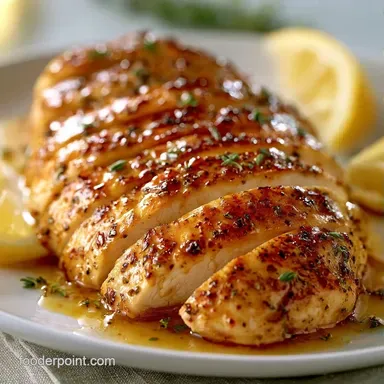
Juicy Low Fat Chicken Breast
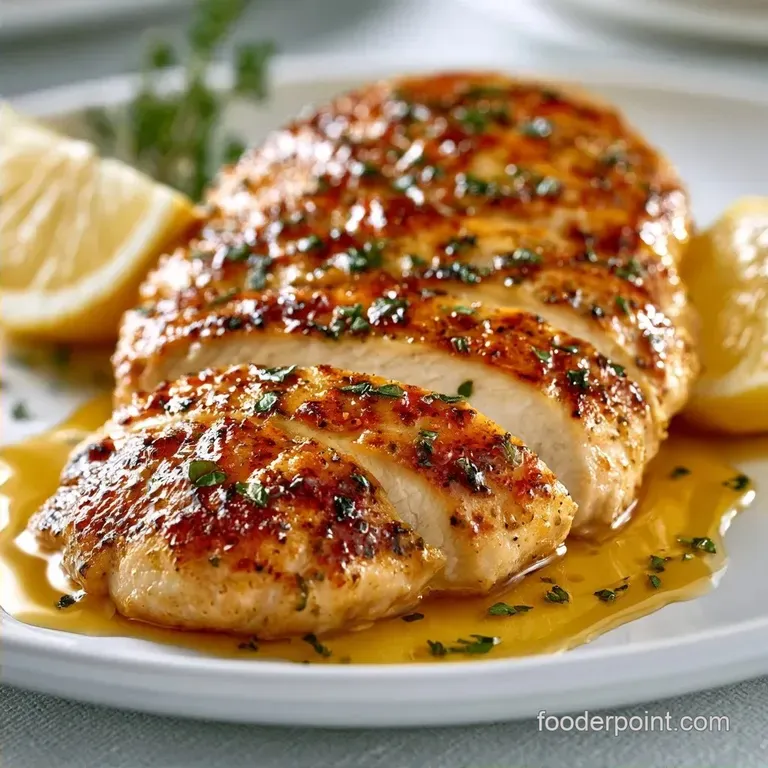
- Time: 15 min active + 20 min cooking + 25 min resting/prep
- Flavor/Texture Hook: Zesty lemon and garlic with a light golden crust
- Perfect for: High protein meal prep and fast weeknight dinners
Ever wonder why chicken breast feels like chewing on a rubber band the second you overcook it by one minute? I used to think it was just bad luck or a bad batch of meat. Then I realized most of us are cooking a piece of meat that is two inches thick on one end and half an inch thick on the other.
The thin part turns into cardboard while the thick part is still practically raw.
That's where the pounding comes in. It feels like a chore, but it changes the entire result. When you flatten the meat, the heat hits every square inch at the same time. You get a consistent cook across the whole piece, which is how you actually achieve a juicy low fat Chicken Breast without adding heaps of butter or oil.
This recipe focuses on a balanced approach. We use acid from lemon to tenderize the fibers and a over high heat roast to lock in the moisture. It's a simple flow: prep, marinate, blast it in the oven, and let it rest.
The Key to low fat Chicken Breast
The trick to keeping this lean protein from drying out is managing the heat. Most people leave the meat in the oven until it looks "done," but by then, the internal juices have already evaporated. We pull the meat slightly early and let the residual heat finish the job.
Using a marinade with lemon juice isn't just for flavor. The acid breaks down the tough connective tissues, making the meat softer. Since we aren't using heavy creams or fats, we rely on the aromatics like garlic and smoked paprika to create a deep, savory profile that tastes rich but stays light.
If you're looking for more variety in your routine, you might enjoy my healthy baked chicken breast for a different take on lean protein. The goal here is a balanced meal that doesn't feel like "diet food" but fits right into a clean eating plan.
Recipe Specs and Details
Timing is everything with lean meats. If you rush the resting phase, you lose half your moisture to the cutting board. I've mapped out the flow so you can move through the kitchen without stress.
- 1. Prep Flow (15 mins)
- Pound the chicken, pat dry, and whisk the marinade. Let it sit for 15 minutes.
- 2. Cooking Flow (20 mins)
- Preheat to 400°F, season the meat, and roast until the edges brown.
- 3. Finish Flow (10 mins)
- Pull at 160°F and tent with foil.
Fresh vs Shortcut Comparison
| Aspect | Fresh Prep | Pre Cut Cutlets | Impact |
|---|---|---|---|
| Texture | More juice | Drier edges | Fresh is more tender |
| Effort | 5 min pounding | Zero prep | Shortcut saves time |
| Consistency | Uniform | Varies | Fresh allows better control |
Essential Building Blocks
Each ingredient here serves a purpose. We aren't just adding things for the sake of it. The combination of salt and acid is what creates that "restaurant" quality without the heavy calories.
What Each Ingredient Does
| Ingredient | What It Does | Best Swap |
|---|---|---|
| Lemon Juice | Tenderizes fibers | Apple Cider Vinegar |
| Smoked Paprika | Adds earthy depth | Cumin or Chili Powder |
| Olive Oil | Conducts heat | Avocado Oil |
| Garlic | Adds pungent aroma | Garlic Powder (1/2 tsp) |
For the low fat Marinade
The marinade is a blend of oil and acid. The oil carries the flavor of the oregano and paprika into the meat, while the lemon juice acts as a chemical tenderizer. Keep the marinating time short, though. If you leave it for hours, the acid can actually make the meat mushy.
For the Seasoning Rub
Salt and pepper are basics, but onion powder adds a subtle sweetness that balances the tartness of the lemon. Applying the dry rub after the marinade ensures the spices stick to the surface and toast in the oven, creating a thin, flavorful crust.
Gear You Will Need
You don't need a professional kitchen for this, but a few specific tools make the process faster. A meat mallet is the biggest win here, but a heavy skillet works if you don't have one.
- Meat Mallet: For evening out the thickness.
- Baking Sheet: A standard rimmed sheet.
- Parchment Paper: Prevents sticking and makes cleanup a breeze.
- Instant Read Thermometer: This is non negotiable. You cannot guess the temperature of lean meat.
- Mixing Bowl: To combine the marinade.
- Foil: For tenting the meat during the rest.
Cooking step by step
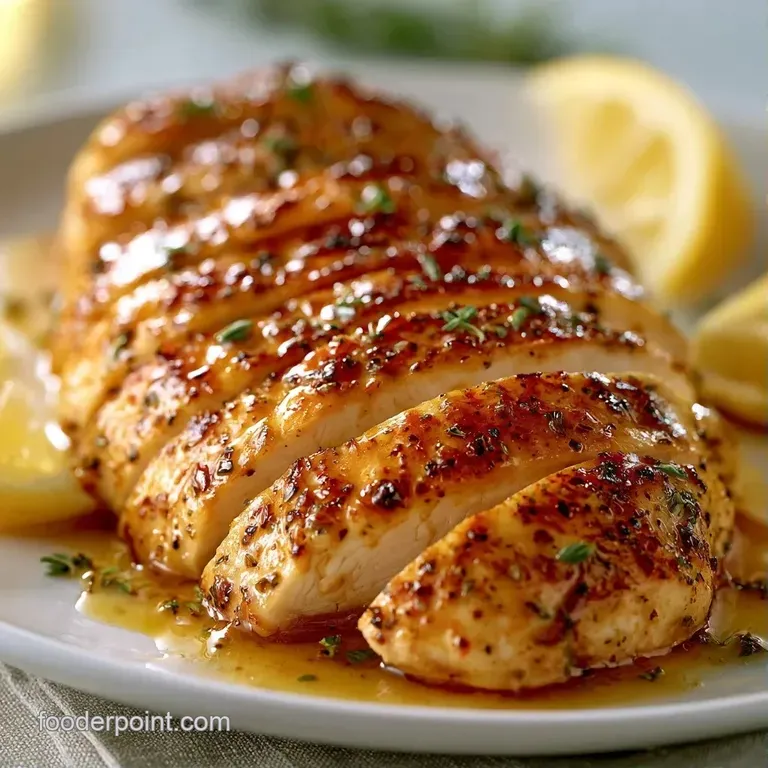
Follow these steps exactly to ensure the meat doesn't toughen up. The sensory cues like the smell of the paprika and the color of the edges are your best guides.
- Pound the chicken. Use a mallet or heavy skillet to gently hit the thickest part of the breast until the whole piece is an even thickness. Note: This prevents the thin end from overcooking.
- Pat the chicken dry. Use paper towels to remove surface moisture. Whisk olive oil, lemon juice, minced garlic, dried oregano, and smoked paprika in a bowl and coat the chicken. Let it sit for 15 minutes at room temperature.
- Preheat the oven. Set it to 400°F (200°C) and line your baking sheet with parchment paper.
- Season the meat. Sprinkle kosher salt, cracked black pepper, and onion powder evenly over both sides.
- Bake the chicken. Place breasts on the sheet and bake for 18–22 minutes until the edges are light golden brown and juices run clear.
- Check internal temp. Remove the meat from the oven the moment it hits 160°F (71°C).
- Rest the meat. Transfer to a plate and tent loosely with foil. Let it sit for 5–10 minutes. Note: This allows juices to redistribute into the fibers.
Fixing Common Problems
Even with a plan, things happen. Most issues with low fat Chicken Breast come down to temperature or prep. If the meat feels rubbery, you likely went past the 165°F mark internally.
Why is my chicken rubbery?
This happens when the protein fibers tighten up too much from excessive heat, squeezing out all the moisture. It's often caused by skipping the thermometer and relying on a timer. USDA food safety guidelines mention 165°F as the target, but because of carryover cooking, we pull it at 160°F so it hits 165°F while resting.
Why did the chicken shrink?
Meat shrinks as water evaporates. If yours is shrinking significantly, the oven might be too hot or you're cooking it too long. Ensure you're using the parchment paper to prevent the bottom from searing too aggressively.
The meat feels "squishy"
If the meat is white but feels soft or squishy, it hasn't reached the necessary internal temperature. Give it another 2-3 minutes.
Quick Fix Table
| Problem | Root Cause | Solution |
|---|---|---|
| Dry edges | Uneven thickness | Pound meat to 3/4 inch |
| Bland taste | Under seasoning | Salt both sides generously |
| Sticking | No parchment | Use parchment or grease the pan |
Easy Flavor Twists
One of the best things about this base recipe is how easily it adapts. You can change the profile entirely just by swapping the dried herbs.
Zesty Flavor Twists - Honey Lime: Swap lemon juice for lime juice and add 1 tbsp of honey to the marinade. It creates a glossy finish that pairs well with rice.
- Mediterranean: Replace oregano with a mix of thyme and rosemary, then top with a few halved cherry tomatoes during the last 5 minutes of baking.
Diet Specific Swaps - dairy-free: This recipe is already dairy-free, but if you want a creamier side, use a coconut based yogurt. - Lower Sodium: Swap kosher salt for a salt free herb blend or increase the lemon juice to provide more "brightness" without the sodium.
If you're prepping this for the week, you can follow my lean chicken breast recipe for more ideas on how to keep these proteins tasting fresh by Thursday.
Storage and Prep Tips
Low fat meats can dry out quickly in the fridge because there's no fat to protect them. Proper storage is the only way to keep them edible for meal prep.
Storage Guidelines Store the cooked chicken in an airtight glass container. It stays good in the fridge for 3 4 days. For the freezer, wrap each breast individually in plastic wrap and place them in a freezer bag for up to 3 months.
Reheating Without Drying The biggest mistake is microwaving on high. Instead, add a teaspoon of water or a squeeze of fresh lemon to the container and microwave on medium power for 60 90 seconds. This creates steam that re hydrates the meat.
Zero Waste Tips Don't throw away the leftover marinade in the bowl unless the raw chicken touched it. If you have clean marinade, drizzle it over steamed broccoli. Use any leftover chicken scraps or small pieces in a stir fry or a protein packed salad.
Best Side Dish Pairs
Since this is a lean dish, you want sides that provide complementary textures. Something crisp or a bit creamy balances the lean protein perfectly.
- Roasted Root Veggies: Carrots and parsnips roasted at the same 400°F temperature.
- Quinoa Salad: A cold mix of quinoa, cucumber, and parsley.
- Steamed Asparagus: A quick steam for 4 minutes provides a fresh, snap like texture.
- Cauliflower Puree: A great low carb alternative to mashed potatoes that keeps the meal light.
Scaling Adjustments
| Change | Adjustment | Note |
|---|---|---|
| Half Batch | Use a smaller pan | Reduce bake time by 2-3 minutes |
| Double Batch | Work in two batches | Don't crowd the pan or it will steam instead of roast |
| Triple Batch | Lower temp to 375°F | Extend time by 5-10 mins to ensure center is cooked |
Common Beliefs Debunked
There are a few myths about lean chicken that actually make the cooking process harder than it needs to be.
Myth: Searing seals in the juices. Searing creates a crust and adds flavor, but it doesn't "seal" anything. Moisture loss happens through evaporation regardless of whether you sear first. The real way to keep juices in is to avoid overcooking and allow the meat to rest.
Myth: You must marinate overnight. For lean breast meat, overnight marinating can actually be a mistake. The acid in the lemon juice breaks down the fibers so much that the meat becomes mealy. 15 to 30 minutes is the sweet spot for texture.
Myth: Chicken is "done" when the juices run clear. While clear juices are a good sign, they aren't a precise measurement. Some chicken runs clear at 150°F (underdone) or stays slightly pink at 165°F. Always trust your thermometer over your eyes.
Recipe FAQs
Is chicken breast low in fat?
Yes, it is one of the leanest protein sources available. Skinless breasts contain significantly less saturated fat than thighs or wings.
How to cook chicken when you have gastritis?
Bake the chicken at 400°F. Avoid frying the meat and omit the smoked paprika or lemon juice if those specific ingredients trigger your symptoms.
Is chicken breast good for diabetics?
Yes, it is an excellent choice. The high protein and low carbohydrate content help maintain stable blood sugar levels.
Is chicken breast good for hypertension?
Yes, as long as you control the sodium. Lean protein supports heart health, but you should use the kosher salt sparingly.
What are your favorite healthy recipes using chicken breasts?
Try air frying for a faster, lean option. If you need a quicker dinner, our air fryer chicken provides a similarly juicy result in less time.
How do I ensure this chicken breast recipe stays tender?
Remove the meat from the oven at 160°F. Let it rest under foil for 5 10 minutes to allow the juices to redistribute before slicing.
How to reheat cooked chicken breast without drying it out?
Microwave on medium power with a squeeze of lemon juice. Adding moisture before heating prevents the lean protein from becoming rubbery.
low fat Chicken Breast