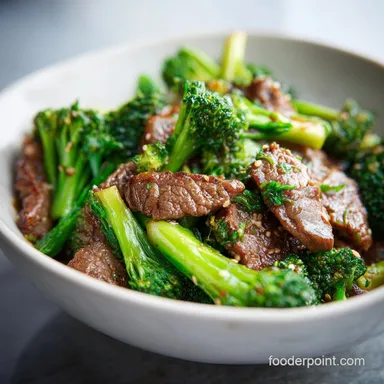
Silky Beef and Broccoli Stir Fry
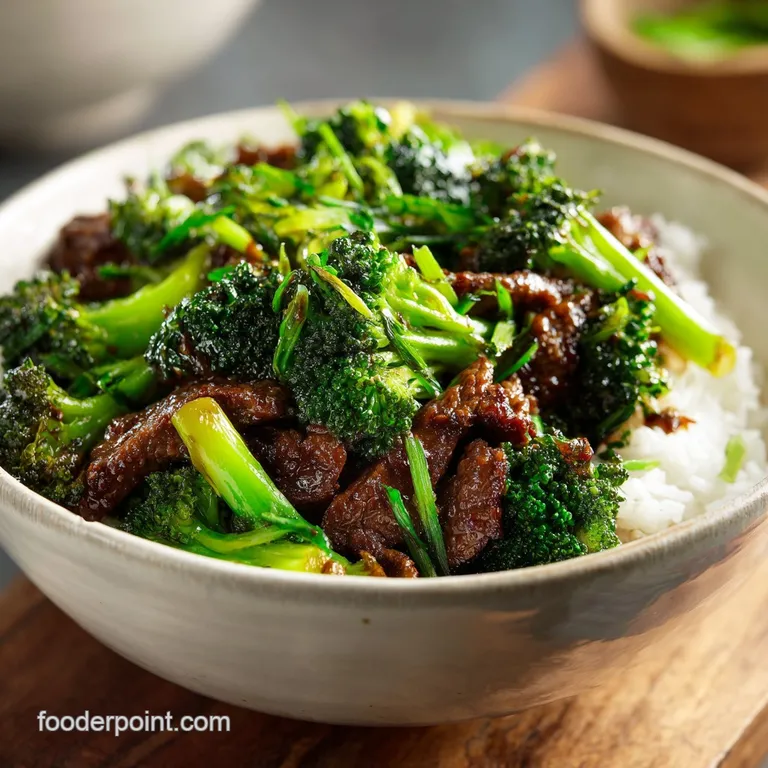
- Time: Active 15 minutes, Passive 10 minutes, Total 25 minutes
- Flavor/Texture Hook: Silky, savory beef with tender crisp broccoli
- Perfect for: Busy weeknight family dinners
- The Physics of the Velveting Process
- Hearty Component Analysis and Secrets
- The Hearty Ingredients and Smart Substitutes
- Basic Kitchen Gear for Best Results
- Step-by-Step Guide to Stir Fry Success
- Solving Common Cooking and Texture Issues
- Affordable Variations and Creative Flavor Swaps
- Safe Storage and Effective Reheating Tips
- Serving Suggestions for a Family Feast
- Debunking Stir Fry Misconceptions
- Very High in Sodium
- Recipe FAQs
- 📝 Recipe Card
The Physics of the Velveting Process
Protective Starch Barrier: The cornstarch in the marinade creates a physical shield around the meat fibers, preventing them from toughening and seizing up when they hit high heat.
Aromatics Activation: Grating fresh ginger and garlic directly into the sauce allows their essential oils to emulsify with the soy sauce, ensuring every drop carries intense flavor.
Vapor Induced Softening: Adding a splash of water or broth to the broccoli and covering the pan creates a rapid steam environment that cooks the stalks through without turning the tops mushy.
The Maillard Response: Searing the beef in small batches ensures the pan temperature stays high enough to brown the exterior rather than steaming the meat in its own juices.
| Meat Thickness | Finishing Internal Temp | Resting Time | Visual Doneness Cue |
|---|---|---|---|
| 3mm (Thin Strips) | 145°F (63°C) | 3 minutes | Edges are crisp and brown |
| 5mm (Medium Strips) | 145°F (63°C) | 4 minutes | No visible pink on the surface |
| 1cm (Thick Strips) | 150°F (65°C) | 5 minutes | Firm to the touch but yielding |
Getting the beef right is the most important part of the whole process. If you slice the meat too thick, it won't cook fast enough to stay tender; too thin, and it might dry out before the sauce thickens. I usually find that roughly 3mm to 5mm is the sweet spot for a quick stir fry.
Hearty Component Analysis and Secrets
| Ingredient | Science Role | Pro Secret |
|---|---|---|
| Flank Steak | Primary Protein | Slice against the grain to break up tough fibers. |
| Cornstarch | Thickener/Protector | Always whisk into cold liquids first to avoid lumps. |
| Oyster Sauce | Umami & Body | Provides the deep, savory "dark" flavor essential to the glaze. |
| Toasted Sesame Oil | Aromatic Finish | Add at the very end to prevent the delicate oil from burning. |
A quick tip from my kitchen to yours: if you are looking to round out this meal with more variety, this sauce technique is very similar to what I use in my Beef Ramen Noodles recipe, which is another huge hit with the kids.
The Hearty Ingredients and Smart Substitutes
To make this Beef and Broccoli, we are going to use accessible items that focus on flavor without being fussy. I’ve listed the official quantities below, but don’t be afraid to swap things out based on what’s in your fridge.
- 1 lb (450g) Flank Steak: Sliced thinly against the grain. Why this? It's lean but becomes incredibly tender with the right marinade.
- Substitute: Sirloin or flat iron steak works beautifully if flank is unavailable.
- 1 lb (450g) Broccoli florets: Cut into bite sized pieces. Why this? They hold onto the sauce better than almost any other vegetable.
- Substitute: Cauliflower or snap peas provide a similar crunch.
- 1 tbsp Cornstarch: For the beef marinade. Why this? This is the key to the "velveting" texture.
- Substitute: Arrowroot powder is a great grain free alternative.
- 1 tbsp Soy Sauce (low sodium): For the marinade. Why this? Seasoning the meat from the inside out is crucial.
- Substitute: Tamari or liquid aminos for a gluten-free version.
- 1 tsp Toasted Sesame Oil: For the marinade. Why this? Adds a nutty base layer of flavor.
- Substitute: Any neutral oil will work, but you'll lose that nutty aroma.
- 1/2 cup Beef Broth (low sodium): Base for the sauce. Why this? Adds depth and volume to the glaze.
- Substitute: Chicken broth or even water with a bouillon cube works in a pinch.
- 1/4 cup Oyster Sauce: The "secret" ingredient. Why this? It provides that glossy, rich finish and deep saltiness.
- Substitute: Vegetarian stir fry sauce or a mix of hoisin and soy.
- 2 tbsp Soy Sauce: For the main sauce. Why this? Adds the salty punch needed for the broccoli.
- Substitute: Coconut aminos (use slightly more as it's less salty).
- 1 tbsp Brown Sugar: To balance the salt. Why this? Helps the sauce caramelize on the beef.
- Substitute: Honey or maple syrup work just as well.
- 1 tsp Fresh Ginger, grated: For zing. Why this? Fresh is always better than powdered here.
- Substitute: 1/4 tsp ginger powder if you're in a total rush.
- 3 cloves Garlic, minced: For savory depth. Why this? It’s the aromatic backbone of the dish.
- Substitute: Garlic paste from a tube is a great time saver.
- 1 tbsp Cornstarch: For thickening the final sauce. Why this? Ensures the sauce isn't watery.
- 2 tbsp Vegetable Oil, divided: For over high heat frying. Why this? Has a high smoke point so it won't burn.
- 2 Green Onions, sliced: For a fresh finish.
- 1 tsp Toasted Sesame Seeds: For a little texture and visual pop.
Basic Kitchen Gear for Best Results
You don't need fancy equipment to make incredible Beef and Broccoli. I usually just grab my biggest cast iron skillet because it holds heat so well. If you have a stainless steel pan, that works too, just make sure it’s hot before the oil goes in.
A sharp chef's knife is non negotiable here. Slicing meat thinly is much easier if your knife is sharp, and if you can, pop the steak in the freezer for about 15 minutes before slicing. It firms up the fat and muscle, making it a breeze to get those paper thin strips.
You'll also need two mixing bowls one for the beef to hang out in while it marinates and one to whisk up that glossy sauce.
Step-by-step Guide to Stir Fry Success
- Marinate the beef. Toss the 1 lb thinly sliced flank steak with 1 tbsp cornstarch, 1 tbsp soy sauce, and 1 tsp sesame oil in a medium bowl. Note: Let this sit for at least 10 minutes to tenderize the fibers.
- Whisk the sauce. In a separate bowl, combine 1/2 cup beef broth, 1/4 cup oyster sauce, 2 tbsp soy sauce, 1 tbsp brown sugar, 1 tsp ginger, 3 minced garlic cloves, and 1 tbsp cornstarch.
- Heat the pan. Add 1 tbsp vegetable oil to a large skillet over high heat until it starts to shimmer and slightly smoke.
- Sear the beef. Add the beef in a single layer (work in batches if needed). Cook for 2 minutes until deeply browned and crispy on the edges.
- Remove beef. Transfer the beef to a plate and set aside. Note: We do this so the beef doesn't overcook while we handle the vegetables.
- Cook the broccoli. Add the remaining 1 tbsp oil to the same pan, then add 1 lb broccoli florets and a tiny splash of water. Cover for 2 minutes until the broccoli is vibrant green and tender crisp.
- Combine ingredients. Return the beef and any accumulated juices back into the skillet with the broccoli.
- Thicken the sauce. Give the sauce mixture a final stir (cornstarch settles at the bottom!) and pour it into the pan.
- Glaze everything. Toss constantly for 1-2 minutes until the sauce bubbles and turns into a thick, glossy glaze.
- Garnish and serve. Remove from heat and top with sliced green onions and toasted sesame seeds.
Solving Common Cooking and Texture Issues
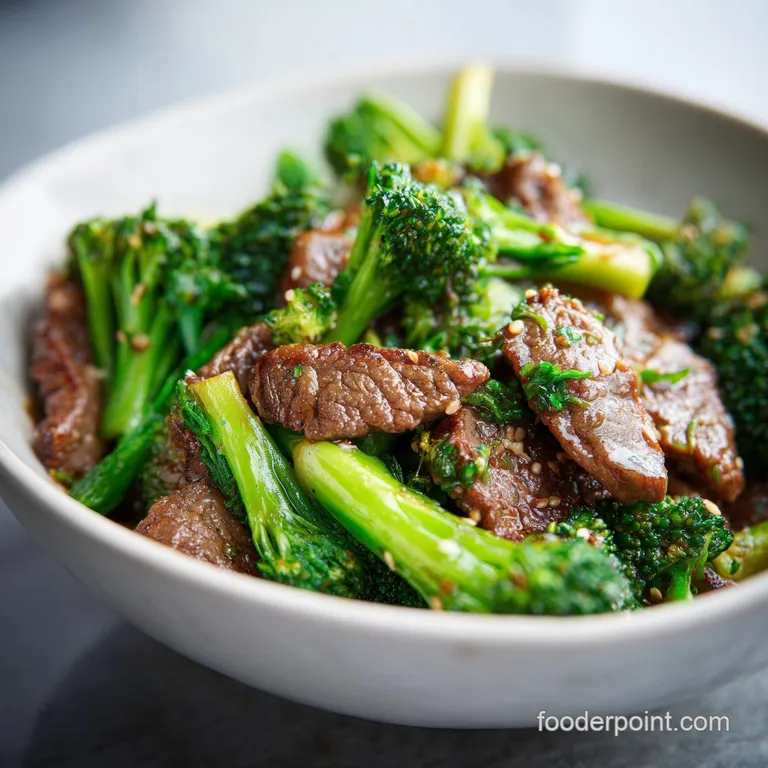
One of the biggest frustrations people have with this dish is ending up with "gray" meat that looks boiled rather than seared. This almost always happens because the pan isn't hot enough, or there's too much meat in the pan at once.
When you overcrowd the skillet, the temperature drops, and the moisture released by the meat can't evaporate fast enough, so it just sits there steaming.
Fixing Tough or Chewy Beef Textures
If your beef ends up feeling like rubber, it’s usually because of the way it was cut. Always look for the long lines of muscle fiber in the flank steak (the grain) and slice perpendicular to them. This shortens the fibers, making them much easier to chew.
If it's already cooked and tough, there isn't much you can do for that batch, but next time, ensure that 10 minute marinade with cornstarch isn't skipped it's your insurance policy for tenderness.
| Problem | Root Cause | Solution |
|---|---|---|
| Watery Sauce | Broccoli wasn't drained or cornstarch was omitted | Simmer for 2 extra minutes or add a cornstarch slurry (1 tsp starch + 1 tsp water) |
| Soggy Broccoli | Cooked too long or with too much water | Steam for only 2 minutes; it should still have a "snap" |
| Salty Flavor | Too much soy or full sodium broth used | Add a splash of water and an extra teaspoon of sugar to balance |
Common Mistakes Checklist
- ✓ Always pat the beef dry with a paper towel before adding the marinade to ensure a better sear.
- ✓ Never skip the "velveting" cornstarch step; it's what creates the silky texture.
- ✓ Use a high smoke point oil like vegetable or canola; olive oil will burn and taste bitter.
- ✓ Prep all your ingredients before turning on the stove; stir frying happens too fast to chop as you go.
- ✓ Ensure the pan is screaming hot before the first piece of beef touches it.
Affordable Variations and Creative Flavor Swaps
If you're watching the budget, flank steak can sometimes get pricey depending on where you shop. I often look for "London Broil" or even a "Chuck Eye" steak. As long as you slice it very thin and use the cornstarch trick, you can get away with much cheaper cuts of beef. If you're looking for a similar comforting vibe with a different starch, you might love my Beef and Noodles recipe, which is a fantastic way to stretch a small amount of meat to feed a whole crowd.
| Cooking Method | Total Time | Texture Result | Best For |
|---|---|---|---|
| Stovetop Stir Fry | 10 minutes | Crispy beef, snappy broccoli | Authentic taste and quick prep |
| Oven Sheet Pan | 20 minutes | Roasted flavor, softer broccoli | Hands off cooking for big batches |
If you want a spicier kick, add a teaspoon of red chili flakes or a dollop of Sambal Oelek to the sauce. For a lower carb version, swap the brown sugar for a keto friendly sweetener and serve the whole thing over cauliflower rice.
The beauty of this sauce is how adaptable it is to whatever you have in the pantry.
Safe Storage and Effective Reheating Tips
This dish actually keeps quite well, making it a champion for meal prep. You can store leftovers in an airtight container in the fridge for up to 4 days. The sauce will thicken even more as it cools, so don't be surprised if it looks a bit "gelled" the next morning.
When reheating, I highly recommend avoiding the microwave if you can. It tends to turn the beef rubbery and the broccoli into mush. Instead, toss everything back into a skillet with a tablespoon of water or beef broth over medium heat.
This thins the sauce back out and restores that glossy sheen without overcooking the protein. If you must use a microwave, do it in 30 second bursts at 50% power, stirring in between.
Zero Waste Tip: Don’t throw away those broccoli stalks! Peel off the tough outer skin with a vegetable peeler, slice the tender inner core into matchsticks, and throw them into the pan at the same time as the florets.
They are crunchy, sweet, and perfectly good food that usually ends up in the bin.
Serving Suggestions for a Family Feast
For a classic experience, serve this over a bed of fluffy white jasmine rice or brown rice to soak up every bit of that savory gravy. If your family isn't big on rice, try tossing the finished stir fry with some cooked lo mein noodles or even spaghetti in a pinch.
It turns the dish into a hearty "one pot" style meal that kids absolutely adore.
If you’re looking to make this a full spread, a simple side of smashed cucumber salad with a little rice vinegar and sugar provides a cool, crisp contrast to the warm, salty beef. If you're in the mood for something even heartier, you can check out my Ground Beef Orzo Recipe for another quick weeknight win. To make the plate look professional, always finish with a generous sprinkle of those green onions and sesame seeds right before you set it on the table. It adds that final hit of freshness that cuts through the rich oyster sauce.
Debunking Stir Fry Misconceptions
One major myth is that you need a specialized wok and a high powered gas burner to make good stir fry. While "Wok Hei" (the breath of the wok) is a real thing in commercial kitchens, home cooks can achieve 90% of that flavor by simply not overcrowding a heavy skillet.
Heat retention is the key, not just the shape of the pan.
Another common belief is that you have to boil the broccoli before adding it to the beef. Please, don't do this! Boiling removes the nutrients and often leads to that "sulfur" smell. A quick two minute steam in the same pan you used for the beef is all you need for vibrant color and a perfect bite.
Finally, searing meat does not "seal in juices." The sear is purely for the Maillard reaction creating complex, savory flavor compounds that make the dish taste "beefy" rather than just salty.
Very High in Sodium
1385 mg mg of sodium per serving (60% of daily value)
The American Heart Association recommends limiting sodium intake to about 2,300mg per day.
Actionable Tips to Reduce Sodium
-
Dilute Oyster Sauce-30%
Oyster sauce is a major sodium contributor. Dilute it with half the amount of water or low-sodium beef broth, or replace it with a homemade low-sodium sauce using cornstarch and seasonings.
-
Eliminate Soy Sauce-25%
Remove the 2 tbsp of soy sauce entirely from the recipe; increase the sesame oil by 1/2 tsp for flavor. Soy sauce is a significant source of sodium. The low-sodium soy sauce used for the marinade is an acceptable source of sodium and can remain in the recipe.
-
Homemade Beef Broth-20%
Prepare your own beef broth from scratch without added salt. This allows you to completely control the sodium content.
-
Enhance Flavor with Aromatics-10%
Increase the amount of fresh ginger and garlic to boost flavor and reduce the need for sodium rich ingredients. Add a pinch of red pepper flakes for a touch of heat.
-
Increase Vegetables-5%
Adding more broccoli florets will help to balance the flavor profile, potentially allowing you to reduce the amount of sauce used overall. Consider adding other vegetables like sliced bell peppers or mushrooms.
-
Experiment with Herbs and Spices
Use fresh or dried herbs and spices like black pepper, garlic powder, onion powder, smoked paprika, or a blend of Italian herbs to enhance the flavor of the dish without adding sodium.
Recipe FAQs
What is the secret to good beef and broccoli?
The secret is velveting the beef using cornstarch. The cornstarch coating creates a protective barrier that locks in moisture during high heat cooking, resulting in incredibly silky, tender beef that stands up well to the sauce. Mastering this texture control is similar to achieving perfect results when working with delicate doughs; if you enjoyed the principles of texture management here, see how the same concept of protecting protein works in our Lemon Chicken Gnocchi recipe.
What is beef and broccoli sauce made of?
The base is typically a savory, slightly sweet mixture of beef broth, oyster sauce, and soy sauce. Brown sugar balances the saltiness of the soy and oyster sauce, while a small amount of cornstarch is essential for achieving that characteristic glossy, thick texture that coats the ingredients
Perfectly.
How do Chinese get beef so tender?
They use a technique called velveting, which relies on a marinade containing cornstarch and often baking soda. The cornstarch protects the meat fibers from seizing when they hit high heat, and the baking soda (if used) slightly alters the pH to inhibit muscle tightening, leaving the beef very soft.
What's the best kind of beef to get for beef with broccoli?
Flank steak is the ideal choice due to its balance of flavor and texture when sliced thinly. You must slice it thinly and strictly against the grain to ensure maximum tenderness, as the muscle fibers are long and slightly tough before cooking.
Why is my stir fry sauce always watery instead of thick and glossy?
This usually happens because the cornstarch wasn't fully dispersed or the sauce wasn't simmered long enough. Always whisk the cornstarch into a cold liquid base first, and ensure you return the sauce to a full boil for at least one minute after adding it to the hot pan to fully activate the thickening
Agent.
Should I cook the beef and broccoli together the whole time?
No, cook the beef separately first and then remove it from the pan. Sear the beef in small batches over very high heat until browned, then set it aside while you cook the broccoli; this prevents the beef from overcooking and becoming tough while waiting for the vegetables to soften.
Can I use frozen broccoli instead of fresh?
Yes, but you must thaw and thoroughly drain it first. Frozen broccoli contains significant ice crystals which release a lot of water upon thawing, potentially diluting your sauce and preventing the broccoli from getting a slight crispness.
Tender Beef And Broccoli