Easy Stovetop Mac and Cheese
- Time: Active 5 minutes, Passive 10 minutes, Total 15 minutes
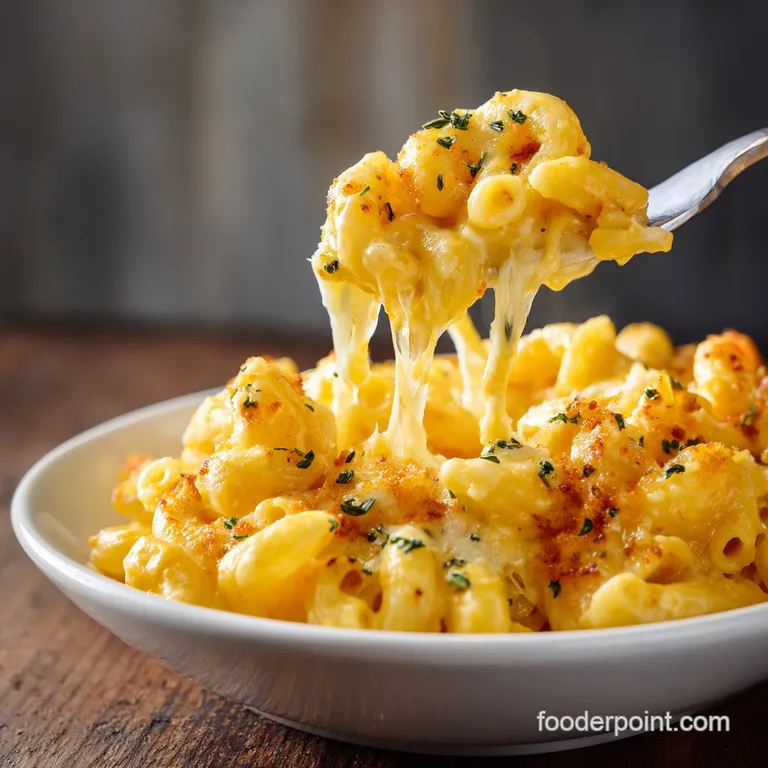
- Flavor/Texture Hook: Shimmering, velvety, and extra cheesy
- Perfect for: Busy weeknights, hungry kids, and ultimate comfort cravings
- Make an Easy Mac and Cheese Recipe
- Reasons This Creamy Method Wins
- Recipe Specs and Timing Details
- The Essential Pantry Ingredient List
- Best Tools for Smooth Results
- Step-By-Step Cooking Process Guide
- Solving Common Cheese Sauce Issues
- Scaling the Recipe for Families
- Kitchen Truths and Cheese Myths
- Storing and Reheating Your Leftovers
- Presentation and Garnishing Your Dish
- Recipe FAQs
- 📝 Recipe Card
Make an Easy Mac and Cheese Recipe
I have stood over a pot of what should be liquid gold, only to find a greasy puddle of oil and gritty cheese clumps. It is heartbreaking when you want comfort but get a science experiment gone wrong.
Most of us were taught that you have to start with a flour and butter roux, but that is exactly where things usually go sideways for the home cook. If the heat is too high or the flour is not cooked long enough, you end up with a grainy texture that feels like sand on your tongue.
I remember making a massive batch for a family birthday once, and it was so dry that it basically turned into a brick before it even hit the table.
This recipe is the targeted fix for every dry, oily, or bland bowl of pasta you have ever encountered. We are ditching the traditional flour base entirely. Instead, we are going to use the natural starch that lives inside the macaroni itself.
It is a total shift in how you think about stovetop cooking, but once you see that shimmering, velvety sauce come together in one single pot, you will never go back to the blue box or the complicated oven versions again. It is simple, fast, and honestly, a bit of a miracle.
Right then, let's talk about why this actually works so much better than the old school way. When you boil pasta in a huge pot of water and then dump that water down the drain, you are literally throwing away the "liquid gold" that helps sauces stick to noodles.
In this version, we use just enough liquid to cook the pasta so that by the time the noodles are tender, the milk has transformed into a thick, starchy glaze. This glaze acts as a natural bridge between the pasta and the cheese, ensuring a smooth finish every single time.
Reasons This Creamy Method Wins
Starch Concentration: Boiling the macaroni in a limited amount of milk and water keeps the pasta starch in the pot, which acts as a natural thickener without the need for flour.
Emulsification Stability: The addition of evaporated milk at the end provides concentrated milk solids that prevent the cheddar from separating into oil and solids.
Uniform Heat Distribution: Using a non stick saucepan allows the milk to simmer evenly without scorching the bottom, which is a common disaster with dairy heavy recipes.
| Method Type | Cooking Time | Texture Result | Best For |
|---|---|---|---|
| Stovetop | 15 minutes | Silky and Velvety | Quick weeknight dinners |
| Baked | 45 minutes | Crispy and Firm | Potlucks and holidays |
| Slow Cooker | 3 hours | Soft and Very Rich | Large crowds/hands off |
The stovetop method is vastly superior for those who crave that shimmering, liquid cheese texture found in high end diners or specific famous mac and cheese shops. While the oven version gives you those crispy edges, it often dries out the interior of the pasta, leading to a much heavier meal.
This stovetop approach keeps the moisture locked inside the noodle, making it feel much lighter on the palate while still being incredibly decadent.
Recipe Specs and Timing Details
Success in the kitchen usually comes down to three things: temperature, timing, and patience. For this specific dish, you want to keep your stove on a medium setting. If you try to rush it and blast the heat, the milk will boil over and create a sticky mess on your stovetop that is a nightmare to clean up.
Keep it at a gentle simmer where small bubbles are constantly breaking the surface, but it is not a violent, rolling boil.
You also need to be mindful of the pasta's doneness. We are looking for "al dente," which means the noodle still has a slight bite to it. Since the pasta will continue to sit in the hot sauce while you add the cheese and spices, it will finish softening during those final two minutes of stirring.
If you cook it until it is mushy at the start, it will fall apart once you start folding in the cheddar. Trust the timer and trust your senses; the sauce should look like a thick glaze before you even think about adding the butter.
| Component | Measurement | Science Role | Pro Secret |
|---|---|---|---|
| Elbow Macaroni | 8 oz | Provides the starch base | Don't rinse after cooking |
| Sharp Cheddar | 2 cups | Fat and flavor profile | Grate it from a block |
| Evaporated Milk | 0.5 cup | Stabilizing emulsifier | Adds a "canned" richness |
Using freshly grated cheese is the most important rule of the kitchen. Pre shredded cheese is coated in potato starch or cellulose to keep it from sticking together in the bag. That coating is the enemy of a smooth sauce; it will make your meal feel powdery or grainy.
Take the extra two minutes to grate a block of sharp yellow cheddar yourself. It melts faster and tastes significantly better because the oils are still fresh.
The Essential Pantry Ingredient List
The beauty of this easy mac and cheese recipe lies in its simplicity. You likely have most of these items in your kitchen right now, which makes it the ultimate "I don't know what to make for dinner" solution. We are using whole milk for the base because the fat content is necessary for that creamy mouthfeel.
Water is added to balance the thickness so the starch doesn't get too clumpy before the pasta is actually cooked through.
- 8 oz elbow macaroni: This is the classic shape for a reason. The hollow tubes and ridges act like little scoops that hold onto the sauce.
- 1.5 cups whole milk: The fat in whole milk provides the structure for the creaminess. Why this? Skim milk is too thin and will likely break or curdle under heat.
- 1 cup water: Provides the extra hydration needed to fully cook the pasta without making the sauce too heavy.
- 0.5 tsp kosher salt: Essential for seasoning the pasta from the inside out as it boils.
- 2 cups sharp yellow cheddar: Freshly grated is mandatory here for a smooth melt.
- 2 tbsp unsalted butter: Adds a velvety shine and a boost of rich flavor at the end.
- 0.5 cup evaporated milk: This is our secret weapon for a copycat texture that stays creamy even as it cools.
- 0.5 tsp ground dry mustard: It doesn't make it taste like mustard; it just makes the cheese taste "cheesier."
- 0.25 tsp garlic powder: Adds a subtle savory depth that prevents the sauce from being one note.
- 1 pinch smoked paprika: Gives a very faint hint of woodsy warmth and enhances the golden color.
| Original Ingredient | Substitute | Why It Works |
|---|---|---|
| Whole Milk | 2% Milk | Slightly less rich but still works. Note: Avoid fat free milk. |
| Sharp Cheddar | Monterey Jack | Melts incredibly well. Note: Flavor will be much milder. |
| Unsalted Butter | Salted Butter | Same fat content. Note: Reduce added kosher salt by half. |
If you find yourself out of macaroni, you can use shells or cavatappi. These shapes also have great "sauce catching" abilities. For a slightly different twist, you could even try this with a homemade alfredo style approach by using parmesan, but the starch boiling method works best with semi hard cheeses like cheddar or gouda.
Best Tools for Smooth Results
You do not need a fancy kitchen to make this, but having the right pot makes a world of difference. A large non stick saucepan or a Dutch oven is the way to go. The non stick surface is crucial because as the milk reduces, it becomes very sticky.
In a standard stainless steel pot, you might find yourself scraping burnt milk solids off the bottom, which can ruin the flavor of the entire dish.
A sturdy silicone spatula or a wooden spoon is also a must. You will be stirring frequently during the 8 to 9 minutes of boiling to make sure the macaroni doesn't clump together.
A whisk is helpful at the very end when you are adding the evaporated milk, but it can be awkward to use while the pasta is still in the pot. Stick with something that can really get into the corners of the pan to keep everything moving.
- Non stick saucepan: Prevents the milk and cheese from bonding to the metal.
- Box grater: For that essential freshly shredded cheddar.
- Measuring cups: Accuracy matters when you are balancing the liquid to starch ratio.
- Silicone spatula: Perfect for folding in the cheese without breaking the tender noodles.
Step-by-step Cooking Process Guide
In a large non stick saucepan or Dutch oven, combine the macaroni, whole milk, water, and salt. Bring to a gentle simmer over medium heat. Note: Start with cold liquids to allow the starch to release slowly.
Cook for 8–9 minutes, stirring frequently to prevent sticking, until the pasta is al dente and the liquid has reduced into a thick, starchy glaze.
Turn the heat to the lowest setting. Add the unsalted butter, ground mustard, garlic powder, and smoked paprika, stirring until the butter is completely melted.
Gradually add the freshly grated cheddar in three separate batches, stirring constantly until fully incorporated. Note: Adding cheese all at once can cause it to clump into a single ball.
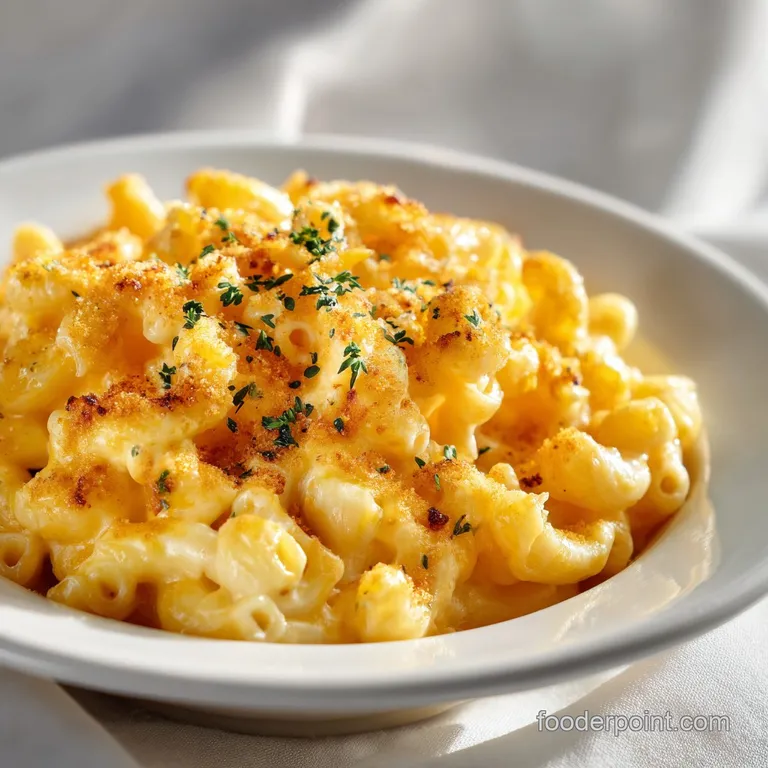
Pour in the evaporated milk and continue stirring for 60 seconds until the sauce transforms into a velvety, shimmering consistency.
Once that evaporated milk hits the pan, you will see a physical transformation. The sauce goes from being a bit thick and matte to having a high gloss, shimmering finish. It is a beautiful sight. If you are looking for a side dish to pair this with, it goes wonderfully with a taco soup for a fun "soup and mac" lunch combo. The smokiness of the paprika in the pasta really complements the spices in a beefy soup.
Solving Common Cheese Sauce Issues
The most common nightmare with any cheese sauce is graininess. This usually happens for two reasons: the heat was too high, or you used pre shredded cheese. When cheese is exposed to extreme heat, the proteins tighten up and squeeze out the fat, leaving you with clumps of protein and a puddle of grease.
By turning the heat to the lowest setting before adding the cheddar, we protect those proteins and keep everything silky.
Banishing the Grainy Texture
If your sauce does turn out grainy, it is likely because the cheese was added while the liquid was boiling. To fix this, remove the pan from the heat entirely and add a splash of warm milk. Stir vigorously.
The extra moisture and lower temperature can sometimes coax the emulsion back together, though it is much easier to prevent it by staying low and slow during the melting phase.
Fixing a Dry Macaroni
Sometimes the pasta absorbs more liquid than expected, especially if you get distracted and let it simmer a minute too long. If the dish looks more like "pasta with cheese stuck to it" rather than "pasta in sauce," don't panic. Simply stir in an extra tablespoon or two of milk or evaporated milk at the very end.
The residual heat will incorporate the liquid and loosen the sauce back to its original glory.
| Problem | Root Cause | Solution |
|---|---|---|
| Oily Separation | Heat was too high | Add 1 tbsp evaporated milk and whisk off heat. |
| Sticky Clumps | Not enough stirring | Stir constantly during the first 3 mins of boiling. |
| Bland Flavor | Not enough salt | Add a pinch more salt or a dash of hot sauce. |
Common Mistakes Checklist
- ✓ Never use pre shredded bagged cheese (the cellulose coating prevents a smooth melt).
- ✓ Always grate your own cheese from a high-quality block.
- ✓ Don't walk away from the pot; stirring frequently is key to releasing the starch.
- ✓ Ensure you turn the heat to "low" before adding the cheddar.
- ✓ Check that your pasta is al dente before the liquid is fully gone.
- ✓ Use a non stick pot to avoid scorching the milk.
Scaling the Recipe for Families
If you are feeding a larger crowd, doubling this recipe is fairly straightforward, but you need to watch your liquids. When doubling to 16 oz of pasta, use 3 cups of milk and 1.75 cups of water. You don't quite need to double the water because less evaporation happens in a larger, deeper pot.
Keep the spices at 1.5 times the original amount first, then taste and adjust. It is much easier to add more garlic powder later than it is to fix a sauce that is over seasoned.
For a smaller portion, cutting the recipe in half is easy. Use 4 oz of pasta, 3/4 cup milk, and 1/2 cup water. Since a smaller amount of liquid boils off faster, you might need to add a splash of extra milk at the very end to keep it creamy.
Use a smaller saucepan so the liquid still covers the pasta; if the pan is too wide, the milk will evaporate before the noodles can cook.
Kitchen Truths and Cheese Myths
There is a common belief that you must boil pasta in a "sea of salty water" for it to be good. While that is true for an Italian marinara, it is a myth for mac and cheese. Boiling in milk actually allows the noodles to absorb the dairy flavor, making the entire dish taste more integrated.
Rinsing the pasta is another huge mistake. Rinsing washes away the very starch we worked so hard to cultivate. Never rinse your macaroni!
Another myth is that you need "expensive" artisanal cheese for a good result. In reality, a standard block of sharp yellow cheddar from the grocery store often melts better than a fancy, aged 5 year cheddar. Aged cheeses lose moisture and can become crumbly or oily when melted.
A younger, "shorter" aged cheddar provides that classic pull and smooth texture that we all crave in a comfort meal.
Storing and Reheating Your Leftovers
Mac and cheese is notorious for turning into a dry, sad block in the fridge. To prevent this, store it in an airtight container for up to 3 days. When you are ready to reheat, do not just throw it in the microwave. Instead, put it in a small saucepan with 1 or 2 tablespoons of milk.
Heat it over low, stirring gently until the sauce re emulsifies. The extra milk replaces the moisture the pasta absorbed while sitting in the fridge.
For the zero waste enthusiasts, don't throw away those little nubs of cheese leftover from grating. Toss them into a freezer bag. Once you have a handful of different cheese scraps, you can melt them down into a "fridge clearing" version of this sauce.
Also, if you have leftover evaporated milk, it stays fresh in a sealed jar for about 5 days and is fantastic in your morning coffee or mashed potatoes.
Presentation and Garnishing Your Dish
While a bowl of mac and cheese is beautiful in its simplicity, a few garnishes can make it feel like a restaurant meal. A tiny sprinkle of fresh parsley or chives adds a pop of color and a fresh bite that cuts through the richness of the cheddar.
If you want a bit of crunch without baking the whole dish, toast some Panko breadcrumbs in a pan with a little butter and garlic salt, then sprinkle them over the top just before serving.
I also love serving this in wide, shallow bowls rather than deep ones. It allows the sauce to spread out and lets the steam escape just enough so you don't burn your mouth on that first, enthusiastic bite.
If you are feeling bold, a tiny drizzle of truffle oil or a few cracks of fresh black pepper can take this from a kid friendly staple to a sophisticated adult comfort dish. No matter how you serve it, the goal is that first "squish" sound when the spoon hits the bowl that is the sound of a successful, creamy easy mac and cheese recipe.
Recipe FAQs
How to make simple macaroni cheese?
Combine macaroni, whole milk, water, and salt in a large non-stick saucepan. Bring the mixture to a simmer over medium heat and cook for 8 9 minutes, stirring frequently until the pasta is al dente and the liquid has thickened into a starchy glaze.
How to make mac and cheese at home easily?
Use a single pot method to minimize cleanup and maximize starch release. By cooking the pasta directly in the milk and water, you create a natural base that thickens the sauce without needing a separate roux.
What is the secret to the best mac & cheese?
Grate your own sharp yellow cheddar from a block. Pre-shredded bags contain cellulose that prevents a smooth melt, whereas fresh grating ensures the cheese emulsifies into a velvety, shimmering consistency. If you enjoyed mastering this creamy sauce emulsion, try the same pasta technique with different proteins.
What kind of cheese is best for macaroni and cheese?
Stick to sharp yellow cheddar for the best flavor and melt profile. It provides the perfect balance of tang and richness needed to stand up to the garlic powder, dry mustard, and smoked paprika in this dish.
Is it true I should use pre-shredded cheese to save time?
No, this is a common misconception. Pre-shredded cheese is coated in anti caking agents that stop the cheese from melting into a cohesive, creamy sauce, resulting in a grainy texture.
How to reheat leftover macaroni and cheese without it drying out?
Place the leftovers in a small saucepan over low heat with a splash of milk. Stirring gently as the sauce warms allows the pasta to re-emulsify and restores the moisture lost while sitting in the refrigerator.
Why is my sauce clumping instead of becoming velvety?
You likely added the cheese while the heat was too high. Always turn the heat to the lowest setting before adding the cheddar, and incorporate it in three separate batches to maintain a smooth, velvety consistency.
Easy Stovetop Mac And Cheese